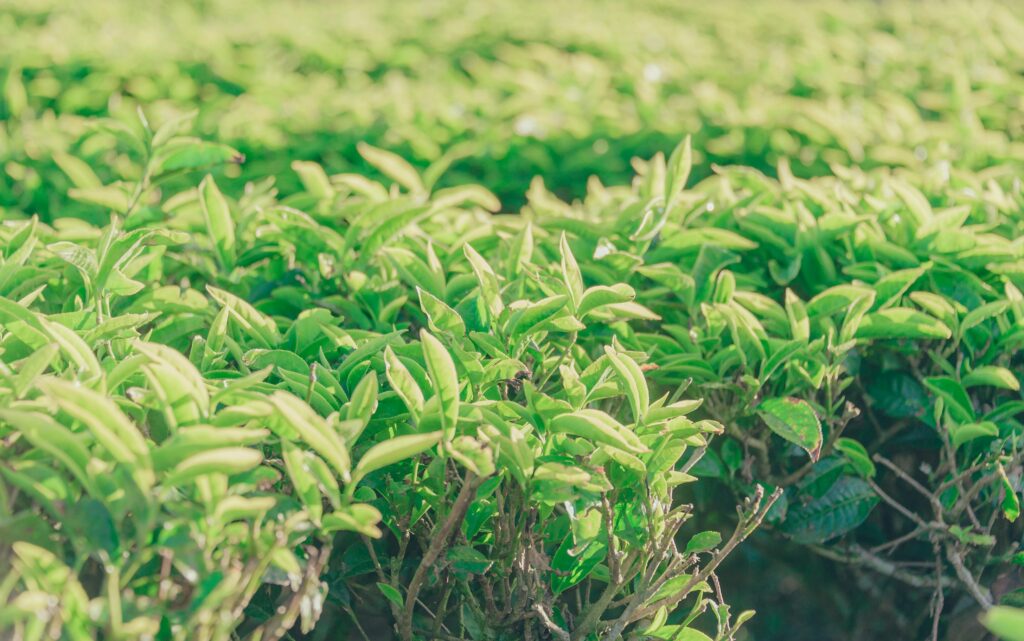
Sanbancha is Japanese tea gathered during third picking period of growing season, generally from mid-July through August and sometimes into early September. It follows ichibancha and nibancha in Japan’s seasonal harvest classification and typically has larger, coarser leaves, less L-theanine, and more pronounced bitterness and astringency than earlier harvests.
Defining Sanbancha: The Third Harvest
Sanbancha (三番茶) literally translates to “third tea” in Japanese, referring to tea leaves harvested during the third picking period of the growing season. This late-summer harvest occurs from mid-July through August, sometimes extending into early September depending on regional climate conditions. Sanbancha represents the final major harvest for most tea farms focused on quality production.
The term positions itself within Japan’s seasonal tea classification system. Each harvest period produces leaves with distinct characteristics determined by growing conditions and plant maturity. Sanbancha follows ichibancha (first harvest) and nibancha (second harvest), marking the third flush of new growth after the prized spring leaves.
Harvest Timing and Growing Conditions
Summer heat significantly impacts sanbancha development. Plants produce leaves more rapidly during warm months, resulting in larger, coarser foliage compared to spring harvests. These leaves mature under intense sunlight with less shading, fundamentally altering their chemical composition and flavor profile.
Traditional tea farms often debate whether to harvest sanbancha at all. Some producers skip this third picking, allowing plants to conserve energy for the following spring’s ichibancha. Others harvest selectively, using sanbancha for specific products where robust flavor suits the application.
Quality Characteristics and Flavor Profile
Sanbancha exhibits distinctly different qualities from earlier harvests. The leaves contain lower concentrations of amino acids, particularly L-theanine, which provides the sweet, umami-rich flavors prized in premium teas. Instead, sanbancha develops higher levels of catechins and tannins, creating more astringent, bitter notes.
The flavor profile reflects these chemical differences:
- Stronger, more robust taste with pronounced astringency
- Reduced sweetness and umami depth compared to spring harvests
- Coarser texture due to larger, more mature leaf structure
- Less complex flavor with fewer delicate aromatic compounds
Comparing Harvest Grades
Understanding sanbancha requires context within the complete harvest cycle. Ichibancha captures leaves that accumulated nutrients throughout winter dormancy, producing the highest amino acid content and most refined flavors. Nibancha offers moderate quality with balanced characteristics between premium and everyday grades.
Sanbancha occupies the entry-level position in this hierarchy. While lacking the sophistication of earlier harvests, it provides accessible pricing and suitable characteristics for specific applications. The leaves’ robust nature makes them ideal where delicate flavors would be overwhelmed or where cost considerations prioritize value over refinement.
Sanbancha in Matcha Production
Premium ceremonial matcha exclusively uses ichibancha leaves, particularly those grown under shade for several weeks before harvest. This shading increases chlorophyll and amino acid content while reducing bitterness—qualities essential for matcha consumed in traditional tea ceremonies. Sanbancha rarely, if ever, appears in ceremonial grade products.
However, culinary grade matcha frequently incorporates sanbancha leaves. These lower-cost products serve baking, cooking, and beverage applications where matcha combines with other ingredients. The stronger, more bitter flavor of sanbancha actually benefits certain recipes:
- Baked goods where sweetness from other ingredients balances bitterness
- Smoothies and lattes where milk and sweeteners complement robust tea notes
- Savory preparations where delicate flavors would disappear
- Cost-sensitive commercial applications requiring consistent supply
Processing Differences
When sanbancha becomes matcha, processing follows the same basic steps as premium grades. Leaves undergo steaming, drying, and stone-grinding into fine powder. The primary difference lies in raw material quality rather than processing technique. Some producers adjust steaming duration or grinding specifications to compensate for sanbancha’s coarser texture, but fundamental methods remain consistent across harvest grades.
Market Position and Practical Uses
Sanbancha fills an important market niche as an affordable everyday tea. While connoisseurs seek ichibancha for its refined qualities, many consumers prefer sanbancha’s straightforward character and budget-friendly pricing. The tea appears in numerous applications beyond matcha production.
Common uses include:
- Lower-grade sencha for daily consumption
- Blending components that add body to tea mixtures
- Base material for roasted teas like hojicha
- Culinary applications requiring strong tea flavor
- Iced tea preparations where robustness prevents dilution from overwhelming flavor
Regional Variations
Not all tea-growing regions harvest sanbancha identically. Southern areas with longer growing seasons may produce higher-quality third harvests than northern regions where plants experience greater stress. Some prestigious tea districts choose not to harvest sanbancha, maintaining focus on premium ichibancha and nibancha production that builds their reputation.
Climate change has begun affecting harvest patterns. Warmer temperatures extend growing seasons, potentially improving sanbancha quality in some regions while challenging traditional harvest timing elsewhere. These shifts continue evolving how producers approach third harvest decisions.
Choosing Products with Sanbancha
Understanding sanbancha helps consumers make informed purchasing decisions. Culinary grade matcha containing sanbancha offers excellent value for cooking and mixed beverages where subtle flavor differences matter less than cost and consistency. These products provide authentic matcha experience without premium pricing.
When selecting matcha for traditional whisked preparation, harvest timing becomes more critical. Products labeled ceremonial grade should exclusively use ichibancha, though verification requires trust in the supplier. The Best Matcha marketplace allows comparison across brands, helping identify which products use specific harvest grades and how this affects pricing and intended use.
Reading Product Labels
Most matcha packaging doesn’t explicitly state harvest period. Instead, grade designations provide clues—ceremonial suggests ichibancha, while culinary likely incorporates nibancha or sanbancha. Price points also indicate harvest quality, with ichibancha commanding significantly higher costs due to limited availability and superior characteristics.
Some specialty vendors specify harvest period as a transparency measure. This information helps enthusiasts understand exactly what they’re purchasing and set appropriate expectations for flavor, color, and performance in different applications.
Key Takeaways
Sanbancha represents an essential component of Japanese tea production, offering accessible options for everyday consumption and culinary applications. While lacking the refinement of spring harvests, third-picking leaves provide robust flavor and practical value for numerous uses. Understanding this harvest grade helps consumers select appropriate products matching their needs and budget.
For matcha enthusiasts, recognizing that culinary grades often contain sanbancha explains the significant price differences between ceremonial and cooking products. Both serve important purposes—ceremonial ichibancha for traditional preparation and mindful consumption, culinary sanbancha for creative applications where matcha enhances rather than stars. The Best Matcha community benefits from understanding these distinctions, enabling informed choices across the diverse matcha landscape.
Sanbancha comes from the third harvest in late summer, typically between mid-July and early September. The leaves are older and coarser than earlier harvests, which gives the tea a distinct character.
You'll notice lower caffeine levels—roughly half that of first harvest sencha. The flavor leans earthier and grassier with more astringency and less sweetness. That said, Sanbancha contains higher concentrations of minerals like calcium, potassium, and iron compared to the delicate first flush teas.
Think of it this way: first harvest brings elegance and sweetness, while Sanbancha offers robustness and practicality.
Heat your water to 80-90°C (176-194°F)—boiling water will make it too bitter. Steep the leaves for 2 to 4 minutes depending on how strong you like your tea.
The brewing process is forgiving. If you prefer a lighter cup, aim for 2 minutes. Want something bolder? Let it steep closer to 4 minutes. The yellowish liquor you'll get has that refreshing, slightly astringent quality that makes Sanbancha perfect for afternoon drinking.
Sanbancha reflects the natural growing cycle of tea plants. After the prized spring harvest and the summer second picking, the third harvest happens in late summer when leaves have matured under intense sun exposure.
This timing gives Sanbancha its seasonal identity. In Japan, it's traditionally associated with late summer and autumn, when people appreciate its refreshing qualities and digestive benefits after meals. The seasonal nature also makes it more affordable and accessible as an everyday tea.
Yes, absolutely. Sanbancha contains about half the caffeine of first harvest sencha, making it a practical choice for those watching their caffeine intake.
Here's why it works well:
- Lower caffeine content makes it suitable for evening drinking
- Safe for children and pregnant women in moderate amounts
- Won't interfere with sleep like stronger teas might
- Still provides the antioxidants and catechins found in green tea
Many Japanese households serve Sanbancha throughout the day for exactly this reason.
Sanbancha brings several practical health benefits beyond just hydration. It has anti-acidic properties that aid digestion and soothe your stomach—that's why it's often drunk after meals in Japan.
The tea contains fluoride for dental health and minerals that support overall wellness. Some research suggests it may help with blood glucose regulation, potentially reducing diabetes risk. Plus, you're getting the antioxidants and catechins that support metabolism without the high caffeine hit of earlier harvest teas.
Not unpleasant, just different. Sanbancha has an earthy, grassy flavor with some astringency and slight bitterness—but that's part of its appeal.
It's less aromatic and sweet than first harvest teas, sure. But the refreshing, light quality makes it genuinely enjoyable, especially when brewed properly at the right temperature. Many people prefer this straightforward, honest character over delicate sweetness. It's also why Sanbancha works so well as a base for hojicha (roasted tea) and genmaicha (tea with roasted rice).