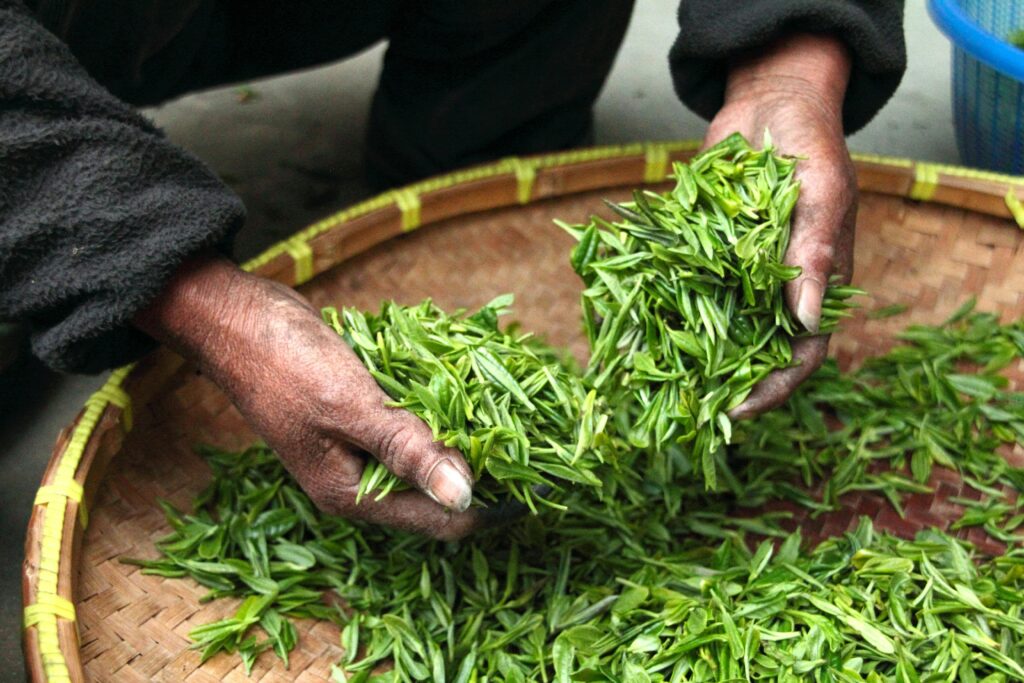
Nibancha is second harvest of tea leaves gathered from same tea bushes within one growing season, following ichibancha, first spring flush. It is typically picked in early summer, from late May through July depending on regional climate, and often has more robust flavor than first-harvest tea.
Defining Nibancha: The Second Harvest
Nibancha (二番茶) translates directly to “second tea” in Japanese. It represents the second harvest of tea leaves from the same tea bush during a single growing season.
This harvest follows Ichibancha, the prized first flush of spring. While Nibancha plays a crucial role in the tea industry, it differs significantly from its predecessor in both characteristics and applications. Understanding this distinction helps matcha enthusiasts make informed purchasing decisions.
The term appears frequently in matcha product descriptions and grading systems. Knowing what Nibancha means empowers consumers to better understand pricing structures and quality differences across matcha offerings.
Harvest Timing and Growing Conditions
Nibancha arrives in early summer, typically between late May and July depending on regional climate conditions. The tea plants have already produced their spring flush and now generate a second round of leaves.
Seasonal Differences Impact Quality
Summer growing conditions create distinct characteristics in Nibancha leaves. Higher temperatures and increased sunlight exposure during this period affect the chemical composition of the tea plant. The leaves develop differently compared to the cool, gentle spring conditions that produce Ichibancha.
These environmental factors contribute to the more robust, assertive flavor profile associated with second harvest leaves.
Regional Harvest Variations
Different tea-growing regions in Japan harvest Nibancha at slightly different times. Warmer southern regions like Kagoshima may begin earlier, while cooler areas such as Uji harvest later in the summer. This timing flexibility allows tea producers to optimize their production schedules throughout the season.
How Nibancha Differs from First Harvest Tea
The differences between Nibancha and Ichibancha extend beyond simple harvest timing. These variations affect every aspect of the tea, from appearance to taste to market value.
Chemical Composition Changes
Nibancha contains higher levels of catechins, the compounds responsible for astringency and bitterness in tea. Conversely, it has lower concentrations of amino acids, particularly L-theanine, which provides the smooth umami sweetness prized in premium matcha.
This chemical shift occurs because the tea plant focuses on photosynthesis and growth during summer months. The increased sunlight exposure triggers catechin production as a natural protective mechanism.
Flavor Profile Distinctions
- Astringency: Nibancha delivers a more pronounced astringent quality that creates a drying sensation on the palate
- Reduced umami: The characteristic savory sweetness found in first harvest matcha appears less prominently
- Earthy notes: Summer harvest leaves develop stronger, more robust flavors with earthy undertones
- Less delicate: The subtle complexity of Ichibancha gives way to bolder, more straightforward taste characteristics
Physical Characteristics
Second harvest leaves tend to be less tender and more mature than spring leaves. They grow larger and develop tougher cell structures under summer conditions. This physical difference affects both processing methods and final product texture.
Primary Uses in the Matcha Market
Nibancha serves specific purposes within the matcha industry. Its characteristics make it particularly suitable for certain applications while less ideal for others.
Culinary Grade Matcha
Culinary matcha represents the primary destination for Nibancha leaves. This grade performs excellently in cooking, baking, and beverage applications where the matcha combines with other ingredients. The stronger flavor profile actually works to advantage here, cutting through milk, sugar, and other components in recipes.
Brands frequently blend Nibancha into their culinary lines to create cost-effective products for cafes, bakeries, and home cooks.
Everyday Drinking Matcha
Many brands offer cafe grade or everyday drinking matcha made partly or entirely from Nibancha. These products provide an accessible entry point for consumers exploring matcha without the premium price tag of ceremonial grades. The bolder flavor suits those who prefer stronger tea or typically add sweeteners to their matcha.
Blended Products
Some mid-range matcha products combine Ichibancha and Nibancha to balance quality and affordability. This blending approach allows brands to offer intermediate grades that provide better flavor than pure Nibancha while maintaining reasonable pricing.
Why Nibancha Matters to the Matcha Community
Understanding Nibancha benefits different stakeholders in the matcha ecosystem in distinct ways.
For Consumers
- Price awareness: Recognizing Nibancha in product descriptions helps explain lower price points and sets appropriate expectations
- Application matching: Knowing when to choose Nibancha-based products saves money on culinary applications where premium quality isn’t necessary
- Flavor preferences: Some drinkers actually prefer the bolder, more astringent profile of second harvest matcha
For Brands and Vendors
Nibancha provides essential flexibility in product line development. It enables brands to offer diverse price points and grades, making matcha accessible to broader audiences. The availability of second harvest leaves supports the economic viability of tea farms by providing multiple revenue opportunities per season.
Supply chain considerations also come into play. Nibancha harvests help stabilize inventory and provide alternatives when first harvest supplies run low or prices spike.
Market Transparency
Clear communication about harvest timing builds trust between brands and consumers. When vendors transparently indicate whether products contain Nibancha, customers can make informed decisions aligned with their needs and budgets. This transparency strengthens the overall matcha community.
Identifying Nibancha in Matcha Products
Not all brands explicitly label their products as containing Nibancha. However, several indicators can help consumers identify likely second harvest content.
Product Labeling Clues
- Terms like “culinary grade,” “cooking matcha,” or “ingredient grade” typically indicate Nibancha content
- Lower price points relative to ceremonial grades suggest second or later harvest leaves
- Descriptions emphasizing strong flavor or suitability for lattes often point to Nibancha
- Absence of specific harvest timing information may indicate mixed or later harvest sources
Taste Testing Approach
When tasting matcha, pronounced astringency and reduced umami sweetness suggest Nibancha content. The tea should feel more assertive and less smooth than premium first harvest matcha. These characteristics aren’t flaws—they simply reflect different harvest timing and intended uses.
Conclusion
Nibancha fills an essential role in the matcha ecosystem by providing affordable, flavorful options for culinary applications and everyday drinking. While it differs from the prized Ichibancha in chemical composition and taste profile, these differences make it ideally suited for specific purposes rather than marking it as inferior.
Understanding the distinction between harvest times empowers consumers to select appropriate matcha grades for their intended uses. Whether you’re whisking ceremonial matcha or blending a morning latte, knowing about Nibancha helps you make choices that balance quality, flavor, and value. The next time you browse matcha options, consider how harvest timing aligns with your specific needs and preferences.
Nibancha literally translates to 'second tea' and refers to the second flush of tea leaves harvested during the growing season. This harvest typically happens in June through July, about 45-50 days after the first harvest.
The timing matters because these leaves experience more sun exposure than their spring predecessors. That sunlight transforms the leaf chemistry, converting amino acids into catechins and giving Nibancha its distinct character.
Matcha made from Nibancha leaves tastes stronger, grassier, and slightly more astringent compared to the sweet, umami-rich profile of first harvest matcha. You'll notice a more robust flavor with less of that delicate smoothness.
This happens because the leaves mature under increased sunlight, which boosts catechin levels while reducing L-theanine content. The result? A bolder taste that works well in lattes and recipes but lacks the refined sweetness prized in traditional tea ceremonies.
The stronger, more assertive flavor profile makes Nibancha ideal for culinary applications where it needs to hold up against other ingredients. Here's what makes it better suited for cooking:
- Higher catechin content creates a more bitter, robust taste that can overpower the palate when consumed straight
- Less tender leaves produce a coarser texture and less vibrant green color
- Lower L-theanine means less of that prized umami sweetness ceremonial matcha requires
- The bold flavor shines through in smoothies, baked goods, and milk-based drinks
Ceremonial-grade matcha demands the delicate, sweet character that only first harvest leaves can deliver.
Yes, Nibancha actually contains higher levels of catechins, the antioxidant compounds that provide many of green tea's health benefits. The extended sun exposure during the second harvest converts amino acids into these beneficial antioxidants.
That said, it comes with a trade-off. Nibancha has lower L-theanine content, which means less of that calming amino acid that creates the relaxed alertness people love about premium matcha. So you're getting more antioxidants but less of the mood-enhancing properties.
Absolutely. Nibancha matcha is priced lower than first harvest matcha, making it a cost-effective choice for daily use and cooking. The price difference reflects the less refined flavor profile and higher production volume of second harvest leaves.
This pricing structure works in your favor if you're using matcha for lattes, smoothies, or baking—you get the antioxidant benefits and bold flavor without paying ceremonial-grade prices. When shopping on a marketplace, you'll find Nibancha-based culinary matcha offers solid value for frequent use.
Visual cues can provide hints, though they're not definitive. Matcha made from Nibancha typically shows a less vibrant green color—more olive or yellowish-green compared to the bright, vivid green of first harvest matcha.
The texture might also feel slightly coarser, and when whisked, it may not produce as much of that creamy, fine foam. However, the most reliable indicator is taste: that stronger, grassier, more astringent flavor profile immediately signals second harvest leaves. If you're comparing products, harvest timing information from the seller gives you the clearest answer.