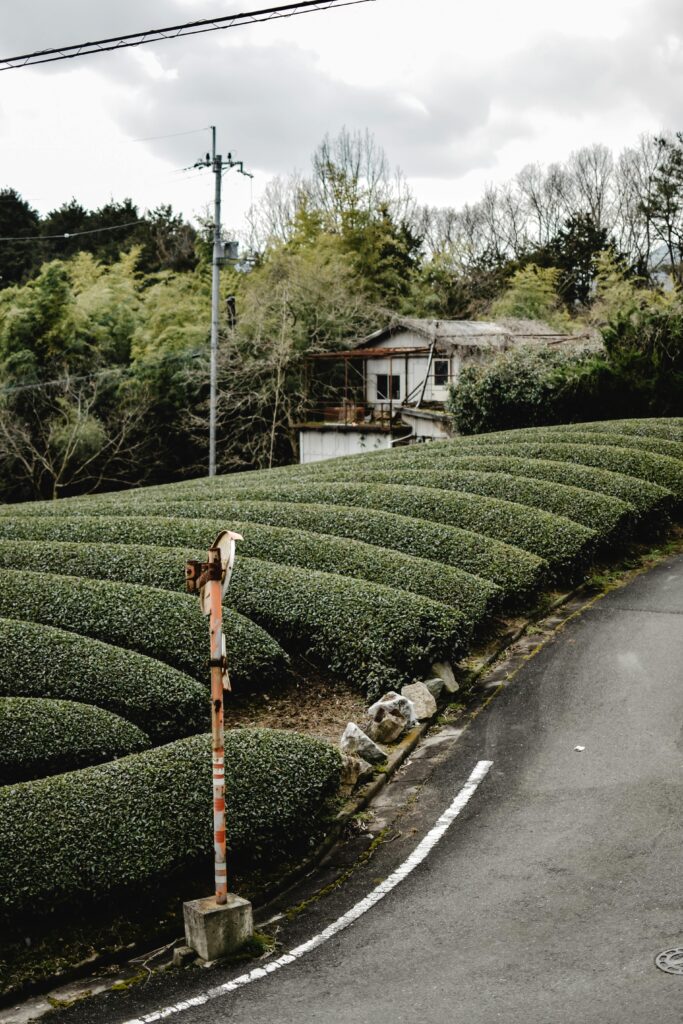
Kyotanabe is a city in Kyoto's Uji tea region with fertile volcanic soil and misty mornings that create ideal conditions for premium matcha cultivation.
Kyotanabe Matcha Quality and Growing Conditions
Kyotanabe sits just outside Uji in Kyoto Prefecture, where nutrient-rich volcanic soil and traditional cultivation methods create matcha with sweet mellow notes and intense umami. Located at roughly 260 meters elevation, this region benefits from warm temperatures and ample rainfall that support lush tea growth. Fifth-generation tea masters here apply shading techniques passed down through centuries to produce premium-grade matcha powder.
Soil and Climate Advantages
The volcanic terrain in Kyotanabe provides soil that’s naturally rich in minerals, giving tea plants the nutrients they need for healthy growth. This fertile foundation works together with the area’s warm climate and consistent rainfall to create ideal conditions for cultivating high-quality tea leaves. The elevation of 260 meters contributes to temperature variations that help develop complex flavor profiles in the finished matcha. While winter brings significant snowfall, the seasonal changes actually benefit tea plants by allowing them to rest and concentrate energy for spring growth.
Shading Techniques That Define Quality
Growers in Kyotanabe shade their tea plants for about 20 days before harvest, cutting sunlight exposure by roughly 85%. This practice forces plants to produce more chlorophyll, which creates matcha’s signature deep green color and boosts amino acid content. The result? You’ll taste that characteristic umami sweetness that sets quality matcha apart. Here’s what shading accomplishes:
- Increases chlorophyll production for vibrant green color
- Boosts L-theanine and other amino acids that create umami flavor
- Reduces astringency by limiting catechin development
- Produces tender leaves with smooth texture when ground
Cultivars and Processing Methods
Tea masters in Kyotanabe primarily grow two cultivars: Uji Hikari and Samidori. Both varieties are heritage plants selected for their ability to produce leaves with balanced sweetness and umami depth. After harvest, processors use the asamushi method, steaming leaves for just 5 to 10 seconds. This short steaming time preserves the delicate flavor compounds and bright color that shading develops. The leaves are then carefully ground into fine powder, creating matcha that maintains its fresh, sweet character.
Flavor Profile and Quality Markers
Matcha from Kyotanabe is known for its memorable sweet mellow notes rather than the bold seaweed-forward flavors you might find in some Uji productions. The combination of volcanic soil, proper elevation, and expert shading creates a matcha with intense umami that doesn’t overwhelm. When you examine quality Kyotanabe matcha, look for a deep green color that indicates high chlorophyll content. The powder should smell fresh and slightly sweet, not grassy or bitter. In the cup, expect a smooth texture and a flavor that balances natural sweetness with that savory umami depth that makes you want another sip.
Kyotanabe sits south of Uji City along the Kizu River in Kyoto Prefecture, and this positioning creates perfect conditions for premium matcha. The river basin generates morning dew and thick mists that naturally hydrate the tea plants, while the warm climate with notable temperature swings between day and night promotes complex flavor development.
The fertile, well-drained soil along the riverbanks gives plants the nutrients they need without waterlogging roots. Plus, the sandy soils of the Kizu River's dry riverbed offer optimal drainage for tencha cultivation. This unique microclimate—combining river moisture, temperature variation, and rich soil—has supported tea production here for over 800 years.
Farmers in Kyotanabe use both traditional and modern oishita (under cover) cultivation methods. Traditional shading involves covering tea fields with reeds and straw during early summer when new sprouts emerge. This blocks sunlight and encourages the plants to produce tender, chlorophyll-rich leaves with enhanced umami.
Modern operations use specialized frames with shading covers across vast tea fields, particularly along the Kizu River. The shading process typically begins in early summer and continues until harvest, promoting the soft, young leaves needed for high-quality tencha that becomes matcha powder.
Kyotanabe is actually part of the broader Uji tea region, but it's got its own character. The matcha here is known for a bright yellow color and particularly deep aroma compared to other areas. That's because of the specific microclimate created by the Kizu River—those morning dews and river fogs create unique growing conditions.
The region produces award-winning matcha with mellow sweetness and rich umami. While Kyotanabe follows traditional Uji-style cultivation techniques, the local soil composition and moisture patterns from the river give the tea its distinctive profile.
Several key practices shape quality:
- Hand-picking during morning dew ensures only the most tender leaves are selected
- Shading for several weeks before harvest boosts chlorophyll and amino acid content
- Kizu River irrigation provides clean water and consistent moisture levels
- Traditional Uji-style processing preserves the delicate flavor compounds
Some farms also use specialized agricultural techniques to reduce pesticide use while improving nutrient content in the leaves. The combination of careful timing, shading duration, and hand-selection creates the fine green color and rich aroma Kyotanabe matcha is known for.
Harvest happens after the early summer shading period, when new sprouts have developed under cover. Farmers pick leaves during the morning dew period along the Kizu River—this timing isn't just tradition. Morning-harvested leaves have higher moisture content and haven't been stressed by midday heat, which helps preserve delicate flavor compounds.
The seasonal timing matters because the first flush of young leaves after shading contains the highest concentration of amino acids like L-theanine, which gives matcha its characteristic sweetness and umami. Wait too long, and the leaves mature, losing that tender quality needed for premium matcha.