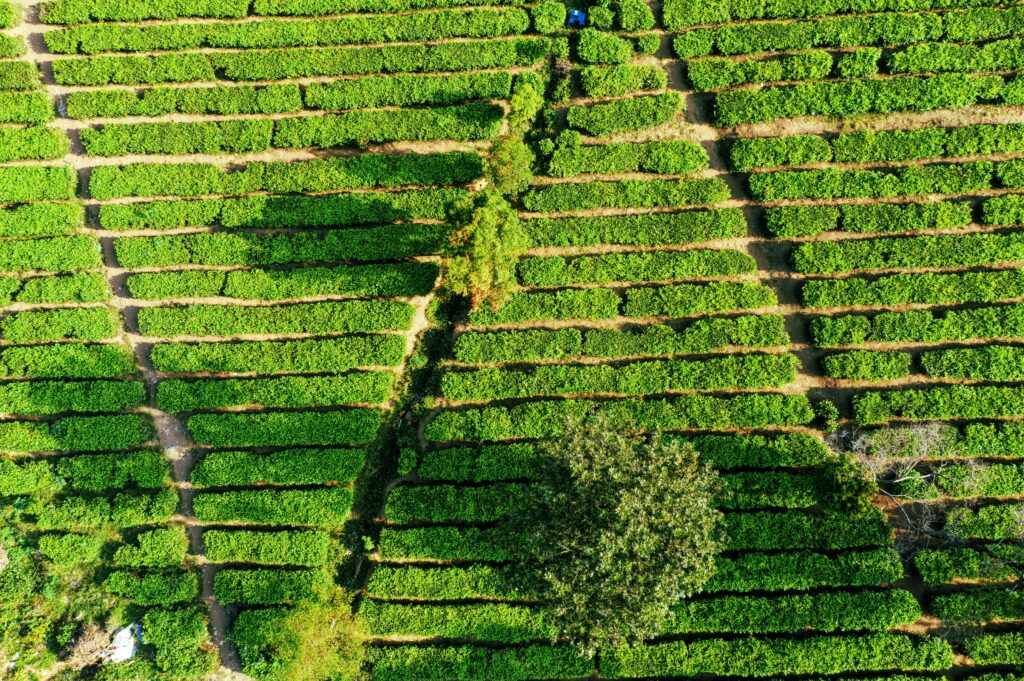
Yawata is a city in Kyoto where three rivers create fertile soil for traditional matcha cultivation using hamacha shading methods since the Edo period.
Yawata Matcha Production and Heritage
Yawata City sits along the Kizugawa River in Kyoto Prefecture, where sandy riverbed soils create perfect conditions for growing tencha, the shade-grown leaf that becomes matcha. This small but prestigious production area focuses exclusively on tencha cultivation, using traditional methods passed down since the Kamakura period. The region’s tea fields at Kozuya, Nojiri, and Iwata showcase the distinctive Ohishita-chaen covered cultivation technique that defines Uji-style matcha production.
Sandy Soils and River Valley Microclimates
The Kizugawa River deposits nutrient-rich sandy soil that drains well and stays loose, letting tea plant roots spread easily. This soil composition contributes directly to the smooth, sweet flavor profile Yawata matcha is known for. The river valley creates temperature swings between day and night, which stress the plants just enough to boost amino acid production. Tea farmers here have worked these fields for over 800 years, refining their understanding of how local conditions affect leaf chemistry and flavor development.
Ohishita-Chaen Shading Methods
Yawata growers use the Ohishita-chaen technique, covering tea fields with reeds or cheesecloth 20-30 days before harvest. This shading method, developed in the late 16th century in the Uji region, reduces sunlight exposure by 90-95%. The plants respond by producing more chlorophyll for photosynthesis and increasing L-theanine content to maintain growth. Here’s what happens under the shade:
- Chlorophyll levels rise, creating the vibrant green color matcha is prized for
- Amino acids like L-theanine accumulate, delivering sweet umami flavor
- Catechin production slows, reducing bitterness and astringency
- Leaf texture becomes softer and more suitable for stone-grinding
Master tea makers time the shading precisely, monitoring leaf development daily to determine the optimal harvest window.
Traditional Fertilization Practices
Yawata farmers apply organic fertilizers that include rape oil cake, koji, dried sardines, and manure sourced from Kyoto. These nutrient-dense amendments feed the soil slowly throughout the growing season, building complex flavor compounds in the leaves. The gogumi blending tradition means tea makers select leaves from different field sections and cultivars, then combine them to achieve consistent flavor profiles year after year. This requires deep knowledge of how each plant variety responds to local conditions.
Cultivars Grown in Yawata Fields
The region cultivates both native Uji varieties and modern cultivars selected for tencha production. Asahi, Samidori, and Ujihikari represent traditional Uji genetics, while Yabukita, Okumidori, and Saemidori offer different flavor characteristics. Yabukita dominates Japanese tea production overall, but Yawata growers maintain diverse plantings to create complex blends. Samidori produces leaves with strong umami and minimal astringency. Okumidori delivers bright green color and smooth mouthfeel. Each cultivar reaches peak quality at slightly different times, letting farmers harvest continuously through the spring flush while maintaining quality standards.
Yawata sits along the Kizu River in southern Kyoto Prefecture, where sandy riverbeds create perfect drainage conditions for tencha cultivation. The region benefits from river mists that naturally moderate temperature and humidity. These sandy soils—particularly in areas like Kozuya—are well-drained and contribute to the delicate, soft flavor profile that distinguishes Yamashiro matcha.
Plus, the area's 800-year tea-growing heritage means cultivation techniques have been refined over centuries. The terroir here produces leaves with a light umami character and mild sweetness that's less astringent than matcha from other regions.
Honzu is a 400-year-old shading technique using bamboo frames covered with natural reeds and rice straw. Here's what sets it apart:
- Blocks over 90% of sunlight with unpredictable light filtering that mimics natural shade
- Labor-intensive setup requiring traditional materials and craftsmanship
- Creates unique flavor characteristics in the resulting matcha
- Still practiced in parts of Uji City near Yawata
Modern kanreisha methods use black synthetic netting that's easier to install and more consistent. While both increase chlorophyll and theanine levels, honzu-shaded leaves develop a distinctive depth that reflects centuries of tradition.
The Yawata and broader Uji region cultivate several varieties including Samidori, Yabukita, Gokou, and Asahi. Samidori stands out with large new buds that have a light green color and glossy appearance. These cultivars are specifically selected for producing tencha—the shade-grown leaves that become matcha after grinding.
Tencha requires 20-30 days of shade coverage before harvest, dramatically increasing chlorophyll and amino acid content. But that's just the start.
After steaming, tencha leaves are dried flat without rolling—a process that completely changes the final product. Sencha and other teas get rolled, which breaks cell membranes and alters flavor extraction. Tencha's flat-dried leaves preserve structure until they're stone-ground into fine matcha powder.
This means you can't make authentic matcha from any tea leaf. It has to be tencha, cultivated and processed specifically for grinding.
Yawata matcha typically displays a bright, vivid green color from extended shading and careful processing. The flavor profile leans toward light and delicate with soft umami notes and mild natural sweetness. You'll notice less astringency compared to matcha from other regions—a direct result of the sandy soil conditions and traditional cultivation methods.
The texture is smooth and soft, making it versatile for both ceremonial preparation and everyday drinking. That gentle character reflects the terroir of the Kizu River area and generations of refinement in growing techniques.
The Yamashiro region, which includes Yawata, has an 800-year history of tea cultivation dating back to when Zen Buddhist monks introduced tea-growing methods in the 13th century. Matcha production specifically became prominent during the Ashikaga Shogunate in the 15th century.
Yawata's tencha fields—especially those with sandy soil near the Kizu River—have contributed to Uji-cha matcha production for centuries. The area gained protection from powerful feudal lords like Oda Nobunaga and Toyotomi Hideyoshi, who recognized the exceptional quality of tea from this region. Traditional cultivation methods, including hand-picking and the honzu shading technique, continue today as preserved cultural practices.