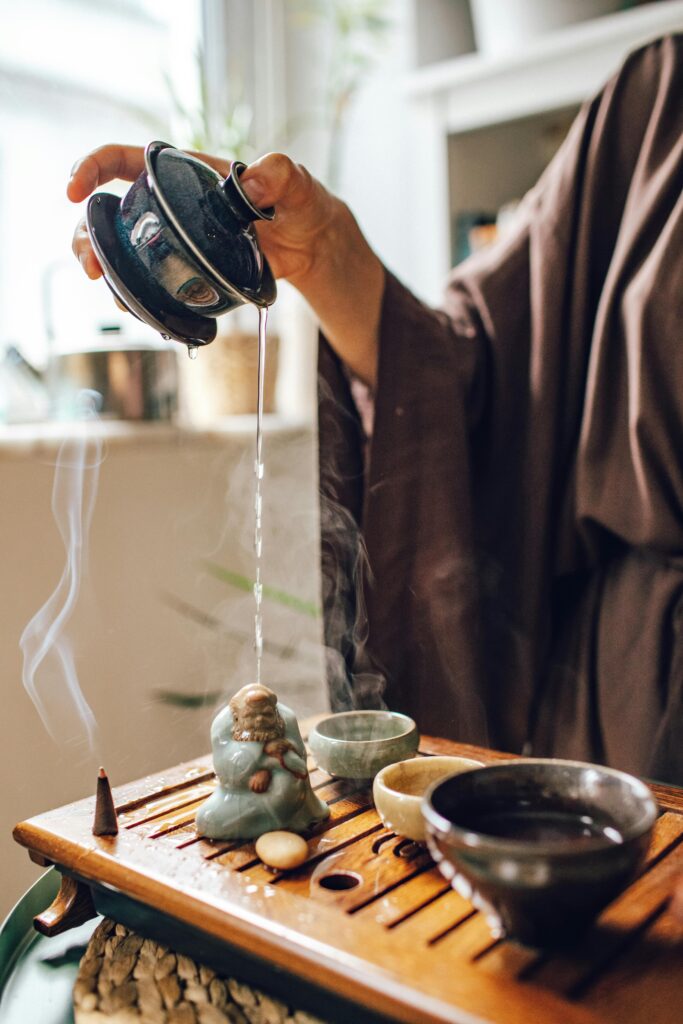
Asamushi is a Japanese tea-processing method whose name literally means “light steaming,” in which fresh leaves receive steam for about 15–30 seconds. Used primarily for sencha, this brief treatment preserves relatively intact, needle-like leaves and typically yields a clear, pale yellow-green infusion with gradual extraction.
What Asamushi Means in Japanese Tea Processing
Asamushi (浅蒸し) translates literally to “light steaming” in Japanese. This term describes a specific steaming method used during Japanese tea processing where fresh tea leaves are exposed to steam for approximately 15-30 seconds. The brief steaming duration distinguishes asamushi from other processing methods and creates unique characteristics in the finished tea.
This processing technique primarily applies to sencha production rather than matcha. While matcha comes from shade-grown tencha leaves that undergo different processing, understanding asamushi helps tea enthusiasts appreciate the full spectrum of Japanese tea craftsmanship and terminology.
The Steaming Spectrum
Japanese tea processing uses three main steaming levels, each creating distinct results:
- Asamushi (light steaming): 15-30 seconds of steam exposure
- Chumushi (medium steaming): 30-60 seconds of steam exposure
- Fukamushi (deep steaming): 60-120+ seconds of steam exposure
The progression from light to deep steaming dramatically alters leaf structure, flavor intensity, and brewing characteristics. Asamushi represents the most traditional and delicate approach, preserving the tea leaf’s natural integrity.
How Light Steaming Affects Tea Characteristics
The brief steaming period in asamushi processing preserves leaf structure more than other methods. Leaves remain larger, more intact, and maintain their needle-like shape. This structural preservation directly impacts how the tea brews and tastes.
Asamushi sencha produces a pale yellow-green liquor when brewed, noticeably lighter than the rich, cloudy appearance of deeply steamed varieties. The clarity reflects the intact leaf structure that releases compounds more gradually during brewing.
Flavor Profile and Sensory Qualities
Light steaming creates a delicate, nuanced flavor profile characterized by subtle sweetness and refined complexity. Tasting notes commonly include:
- Fresh grassy and vegetal notes reminiscent of spring meadows
- Buttery asparagus undertones with smooth mouthfeel
- Sweet hay and roasted seaweed (nori) aromatics
- Clean finish with gentle astringency and lingering umami
The flavor remains lighter and more restrained compared to fukamushi sencha’s bold intensity. This subtlety appeals to tea drinkers who appreciate complexity over strength.
Nutritional Considerations and Extraction
The intact leaf structure from light steaming affects how compounds extract during brewing. Asamushi leaves release their contents more slowly than broken fukamushi leaves, resulting in different nutritional profiles in the brewed tea.
While the leaves themselves contain similar compounds regardless of steaming method, fukamushi teas typically deliver higher antioxidant concentrations per cup due to increased leaf fragmentation. The broken structure allows more complete extraction of catechins, caffeine, and other water-soluble nutrients.
Asamushi compensates through multiple infusions. The preserved leaf structure enables 3-4 quality steepings, allowing gradual compound release while maintaining delicate flavor characteristics throughout each brewing.
Regional Production Centers
Several Japanese regions specialize in asamushi sencha production:
- Kagoshima Prefecture: Southern Kyushu’s volcanic soil and subtropical climate produce distinctive asamushi sencha
- Uji area, Kyoto Prefecture: Historical birthplace of refined tea processing including asamushi methods
- Mountain valleys: Higher elevation areas with less intense sun exposure favor lighter steaming for naturally delicate leaves
These regions’ terroir influences the tea’s final character, but the asamushi processing method remains consistent across locations.
Identifying and Selecting Asamushi Sencha
Recognizing asamushi sencha requires attention to several visual and descriptive indicators. Look for packaging that explicitly states “asamushi” or “light steamed” to confirm the processing method used.
The leaves themselves provide clear identification markers. Asamushi sencha displays intact, needle-shaped leaves rather than the powdery, fragmented appearance of fukamushi varieties. The leaves maintain their original structure with minimal breakage.
What to Look for When Purchasing
Quality indicators help identify genuine asamushi sencha:
- Slender, whole leaves with deep green color and minimal dust
- Fresh, sweet aroma without mustiness or staleness
- Clear origin information specifying region and harvest season
- First flush (spring harvest) designation for most delicate flavor
Reputable tea vendors on platforms like Best Matcha typically specify steaming levels, making identification straightforward for informed consumers.
Optimal Brewing Parameters
Proper brewing technique maximizes asamushi sencha’s delicate qualities. Water temperature critically affects flavor extraction—use water at 75-80°C (167-176°F) rather than boiling to prevent excessive bitterness and astringency.
The standard ratio uses approximately 3 grams of tea per 200ml water. Steep for 1.5-2 minutes for the first infusion, allowing the intact leaves time to unfurl and release their compounds gradually.
Multiple Infusion Approach
Asamushi sencha excels at multiple steepings:
- First infusion: 75-80°C water, 1.5-2 minutes—delivers sweetness and delicate umami
- Second infusion: 80-85°C water, 30-45 seconds—releases deeper flavors with balanced astringency
- Third infusion: 85-90°C water, 1 minute—extracts remaining compounds with fuller body
Each successive brewing reveals different flavor dimensions while the preserved leaf structure maintains quality throughout the session.
Asamushi in the Broader Tea Context
While asamushi processing doesn’t apply to matcha production, understanding this terminology enriches appreciation for Japanese tea culture. The term appears in tea shop descriptions, product labels, and discussions among tea enthusiasts and vendors.
For matcha consumers exploring Japanese tea varieties, asamushi sencha offers a complementary experience. The light steaming method represents traditional craftsmanship that values subtlety and refinement—qualities that also define premium matcha preparation and appreciation.
Recognizing terms like asamushi, chumushi, and fukamushi helps consumers navigate tea selections confidently. This knowledge enables informed conversations with vendors and deeper understanding of how processing methods shape the diverse world of Japanese tea.
Asamushi literally means “light steaming” in Japanese. It describes a processing method in which fresh tea leaves receive steam for approximately 15–30 seconds. This brief treatment is used primarily for sencha and preserves relatively large, intact, needle-like leaves. It is not a matcha production method, because matcha comes from tencha processed along a different path.
The short steaming period preserves the leaves more fully than deeper steaming, so asamushi leaves remain relatively large, intact, and needle-shaped. Their compounds release gradually during brewing. The resulting sencha infusion is typically clear and pale yellow-green, contrasting with the darker, cloudier liquor created by the more fragmented leaves associated with deep steaming.
Asamushi sencha offers a delicate, nuanced profile rather than the bold intensity associated with deeper steaming. Its reported notes include fresh grass and vegetables, buttery asparagus, sweet hay, and roasted seaweed. The cup may combine subtle sweetness, a smooth mouthfeel, gentle astringency, lingering umami, and a clean finish while preserving a lighter overall character.
Check the package or product description for “asamushi” or “light steamed.” The dry tea should have relatively intact, slender, needle-shaped leaves rather than the fragmented, powdery appearance of fukamushi. Other stated quality indicators include deep green leaves with little dust, a fresh sweet aroma, clear origin information, and a spring first-flush designation for delicate flavor.
Use water at 75–80°C rather than boiling water, with approximately 3 grams of tea per 200 milliliters. Steep the first infusion for 1.5–2 minutes so the intact leaves can unfurl and release their compounds gradually. For later infusions, raise the temperature and shorten the steep, allowing the preserved leaves to reveal different flavor dimensions.