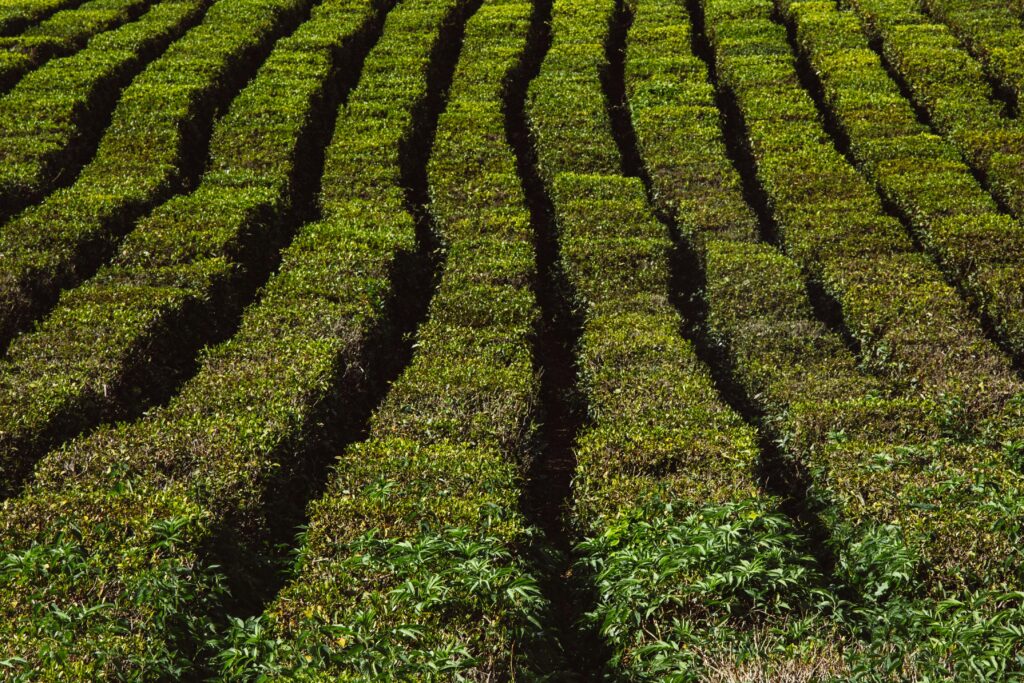
Kizugawa Matcha Growing Regions And Distinct Characteristics
Nestled in southern Kyoto Prefecture along the Kizugawa River, Kizugawa is a matcha-producing area where sandy riverbeds meet misty hillsides. This region has cultivated tea since the Kamakura period in the 12th century, and it’s part of the greater Uji tea district that pioneered ceremonial-grade matcha production. What sets Kizugawa apart is its unique terroir—sandy soil deposited by the river creates perfect drainage for tencha leaves, while morning fog and cool temperatures slow leaf growth to concentrate flavor.
The Sandy Riverbeds That Shape Flavor
The Kizugawa riverbed’s sandy soil is what makes this region special for tencha cultivation. Unlike clay-heavy soils in other tea areas, these sandy deposits drain quickly while retaining just enough moisture for tea plants. This soil composition forces roots to dig deeper, pulling up minerals that contribute to matcha’s umami depth. Tea fields stretch across both flat riverbeds and sloping hillsides, giving producers diverse microclimates to work with. The river itself moderates temperatures and generates morning mists that protect young tea leaves from harsh sunlight.
Traditional Ohishita Shading Methods
Kizugawa farmers practice Ohishita cultivation, a traditional shading technique that covers tea fields with reeds or cheesecloth for 20-30 days before harvest. This method reduces sunlight exposure by 90%, triggering tea plants to produce more chlorophyll and amino acids while reducing catechins that cause bitterness. The result? That vibrant green color and smooth, sweet taste you’ll find in ceremonial matcha. Producers here also rely on organic fertilizers—rape oil cake, koji, dried sardines, and Kyoto-sourced manure—to nourish plants without synthetic chemicals. These traditional practices date back centuries and remain largely unchanged.
Flavor Profile and Cultivar Selection
Matcha from Kizugawa delivers a deep green color with strong umami notes and minimal astringency. The combination of sandy soil, morning fog, and traditional shading creates a smooth, elegant flavor that’s less grassy than Shizuoka matcha and more concentrated than some Nishio varieties. Common cultivars include Yabukita, Samidori, and Okumidori—varieties selected specifically for their response to shade and ability to produce fine powder. These cultivars thrive in Kizugawa’s cool climate where slow growth allows leaves to develop complex flavor compounds. The region’s historical connection to tea wholesaling means producers maintain strict quality standards, often working directly with merchants who’ve served the same families for generations.
Climate and Growing Conditions
Kizugawa’s microclimate is defined by cool temperatures, adequate rainfall, and those characteristic morning mists that roll in from the river valley. Tea fields range from low-elevation riverbeds to gentle hillsides, each elevation offering slightly different growing conditions. The fog acts as natural protection, diffusing sunlight and maintaining humidity levels that prevent leaf stress. This slower growth cycle—compared to warmer regions like Kagoshima—means harvest happens later but produces leaves with more concentrated amino acids. Water from the Kizugawa River supports irrigation when needed, though the region’s rainfall typically provides sufficient moisture. These conditions make Kizugawa ideal for producing the premium tencha leaves that become ceremonial-grade matcha.
Kizugawa sits in the southern part of Kyoto Prefecture within the Yamashiro region, known for its hilly terrain and favorable tea-growing conditions. The area benefits from cold winters, sometimes with snow cover, and damp, cloudy springs that slow leaf growth and enhance umami development.
The fertile soils formed by river basins, particularly around the Kizu-gawa river, create rich terroir that supports high-quality tea cultivation. This combination of climate and soil produces matcha with distinctive flavor characteristics.
While Kizugawa is part of the broader Uji tea region, it has unique terroir influences that set it apart. The microclimate and specific soil composition in Kizugawa contribute to a bold, powerful flavor profile with deep umami and minimal bitterness.
What's interesting is that Kizugawa matcha sometimes exhibits fruity aromatic notes that distinguish it from other Uji teas. The cold winters and cloud-wrapped springs in this area create conditions that intensify sweetness and umami, giving Kizugawa matcha its characteristic richness.
Tea plants in Kizugawa are grown in hilly areas with well-drained, fertile soils that benefit from the region's balanced climate. Producers typically shade the tea plants before harvest to increase chlorophyll and amino acids, which enhances the flavor and vibrant green color.
Some growers in the area adopt near-organic or organic methods to preserve tea quality and allow the terroir to express itself fully. The cultivation reflects traditional practices linked to Kyoto's centuries-old tea culture, ensuring quality standards that align with the Uji tea heritage.
Yes, Kizugawa is geographically and culturally part of the Uji tea growing region. Tea from Kizugawa is sometimes blended with or sold under the Uji tea brand, sharing cultivation practices and quality standards with the broader region.
Uji is historically Japan's most famous tea area, and Kizugawa contributes to this identity while maintaining its own distinctive characteristics. The proximity to Kyoto city and Uji allows Kizugawa producers to benefit from established tea markets and the cultural heritage associated with Uji tea.
Kizugawa matcha typically delivers a rich, bold flavor with deep umami and minimal bitterness. The texture is smooth and creamy, making it suitable for both ceremonial preparation and culinary applications.
You'll often notice:
- Deep umami character that lingers on the palate
- Natural sweetness without grassy harshness
- Unique fruity or aromatic notes in some batches
- Smooth, creamy texture when whisked properly
The cold winters and damp springs in the region slow leaf growth, which concentrates amino acids and creates this distinctive flavor profile.
Tea cultivation in Kizugawa and the surrounding Yamashiro region dates back centuries, closely linked to the history of Uji tea production. As Uji tea production spread throughout Kyoto Prefecture, Kizugawa became recognized as a key area for matcha.
The region's tea culture developed alongside Kyoto's tea ceremony traditions, which influenced both cultivation methods and processing techniques. This long history means growers in Kizugawa draw on generations of knowledge about working with the local terroir to produce quality matcha.