{“”question””:””What traditional methods do Wazuka farmers still use today?””
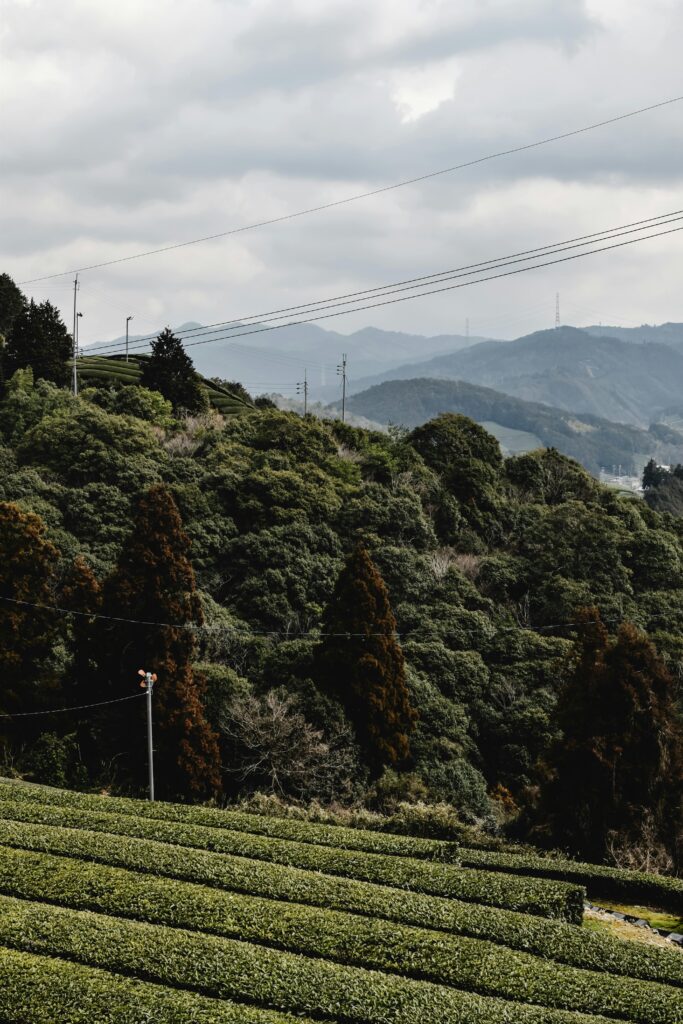
Wazuka sits in the mountainous southern region of Kyoto Prefecture, covering about 65 square kilometers of terraced hillsides. What makes it matter? This town produces 40-50% of all Kyoto's Uji tea, including matcha.
The location isn't random. Cool mountain breezes, frequent fog, and nutrient-rich soil create conditions that boost chlorophyll and amino acids in tea leaves. These are the compounds that give matcha its vibrant color and umami flavor. Plus, the terraced terrain provides natural drainage and air circulation that tea plants love.
Here's the thing: Wazuka is actually the production powerhouse behind Uji tea. Most tea from Wazuka's 300 farms gets sold under the Uji tea name rather than as Wazuka tea.
Think of it this way—Uji provides the cultural identity and centuries of tea ceremony tradition, while Wazuka provides the actual leaves. Some call Wazuka tea the "parent tea"" of Uji because it plays such a decisive role in creating the flavor profile people associate with Uji matcha.