Who is Tea Master of Little Tokyo?
Tea Master of Little Tokyo is a matcha brand founded in 2016 in Los Angeles' Little Tokyo, sourcing from farms in Uji, Yame, Shizuoka and Mie for ceremonial, premium and culinary grades tied to distinct cultivars.

Flagship Seihou uses Gokou and Samidori from Marukyu Koyamaen, hand-picked and tana-shaded in Uji, while Hana is a Saemidori matcha from Hoshino-Seichaen on a JAS-certified organic farm. Culinary grades feature Yabukita from Shizuoka and bold Mie powder, and licensed tea master Mikko Nakatomi leads education.

Products

Tea Master of Little Tokyo products
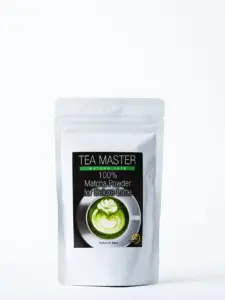
Tea Master of Little Tokyo has 1 product on the platform.

Tea Master of Little Tokyo in details

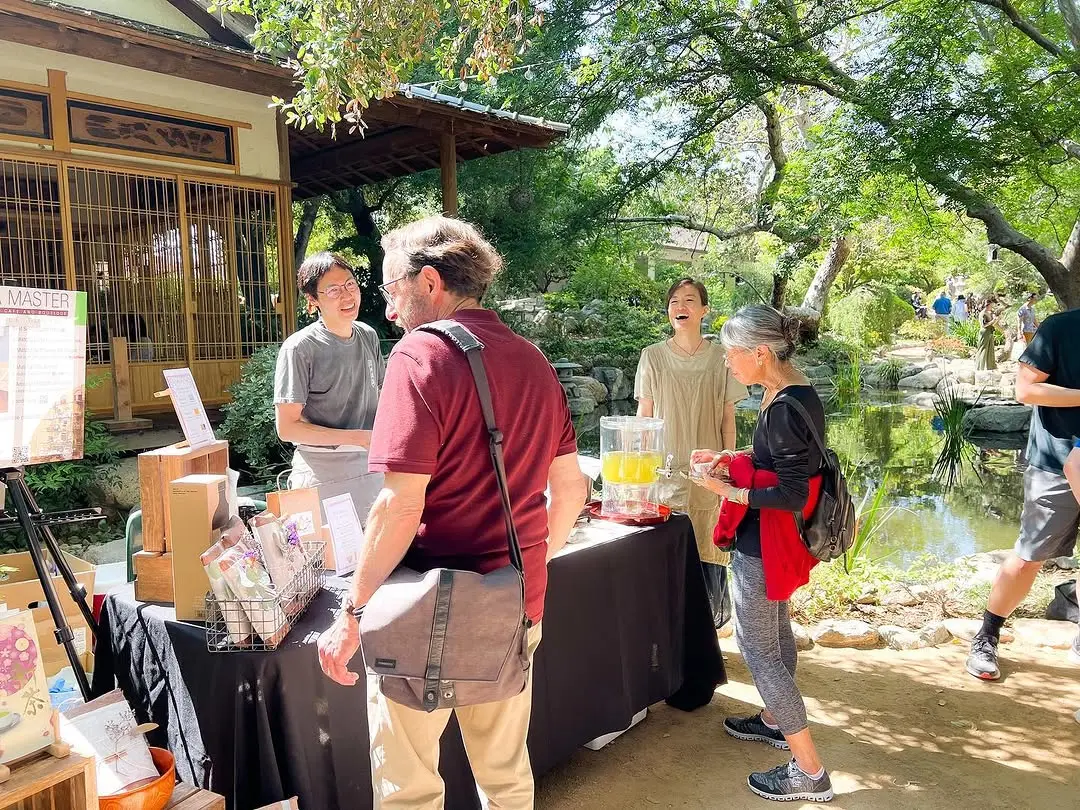
Tea Master of Little Tokyo bridges centuries-old Japanese tea traditions with contemporary Los Angeles culture. Founded in 2016 by Daigoro Nakatomi and Alex Dwyer in Downtown LA’s historic Little Tokyo district, this cafe and tea shop invites every visitor to become their own tea master, regardless of where they stand on their matcha journey.

Direct Relationships with Japanese Tea Farms

What sets Tea Master apart is their commitment to sourcing directly from renowned Japanese tea regions. Co-founder Alex Dwyer personally visits tea farms in Yame, Shizuoka, and Mie, building relationships with producers like Hoshino-Seichaen and Osada-En. These partnerships ensure every matcha grade—from ceremonial Seihou to culinary blends—comes with a traceable story and verified quality.

Their Seihou ceremonial matcha originates from first-harvest leaves in Uji’s Marukyu Koyamaen farm, featuring vibrant chlorophyll content exceeding 3.5% and ultra-fine 5-10 micron particles. The Hana premium matcha from Yame’s Hoshino-Seichaen balances versatility with authenticity, suitable for both traditional preparation and modern lattes.

Where Traditional Meets Modern

Licensed tea master Mikko Nakatomi brings deep ceremonial knowledge to the team, leading intimate workshops that explore mindfulness and the contemplative nature of Japanese tea culture. This educational mission helps guests understand the distinctions between matcha grades—knowledge that transforms casual drinkers into informed enthusiasts.

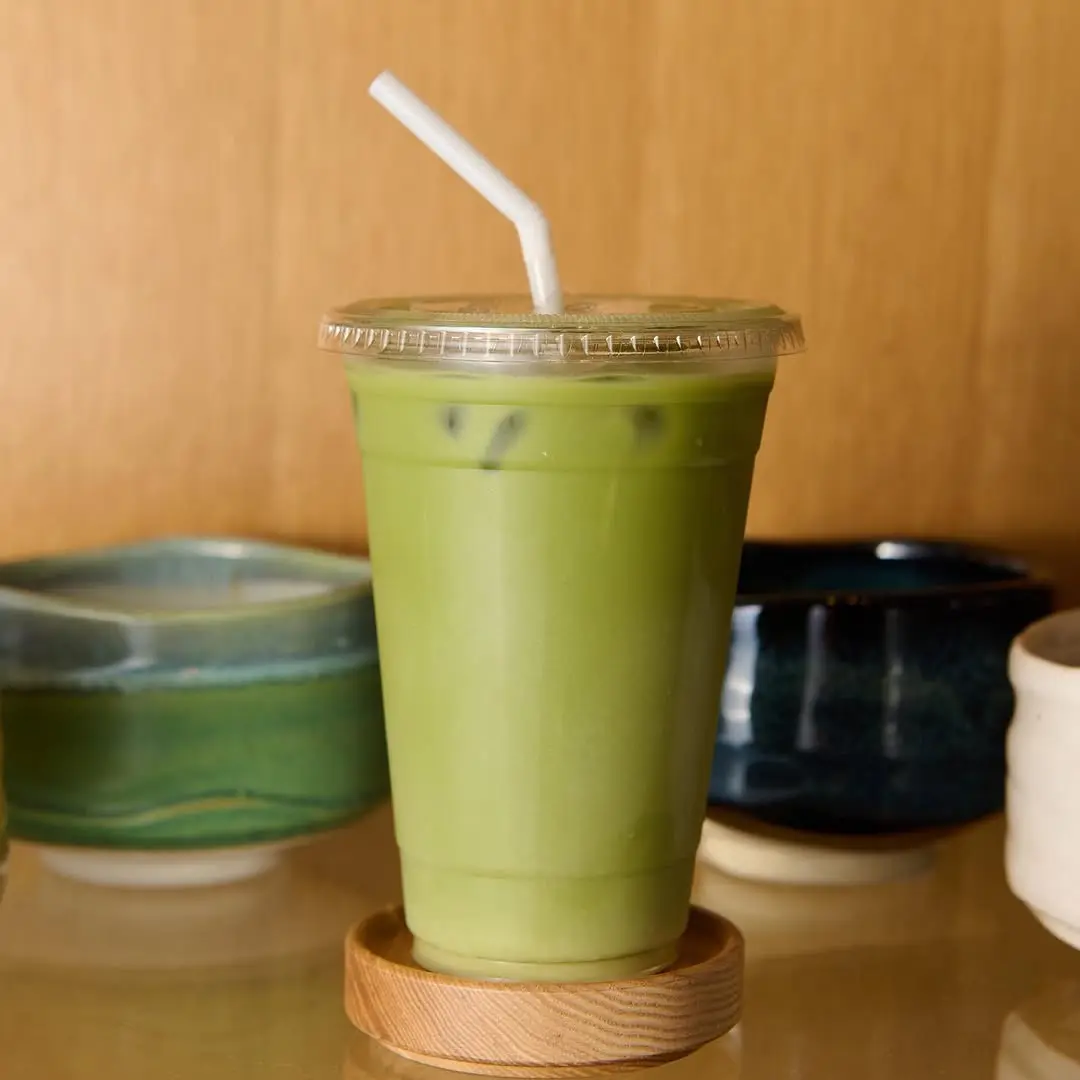
The cafe demonstrates this philosophy through offerings like their Hakko-Cha Latte, made with rare organic fermented tea from Osada-En. This drink exemplifies how Tea Master honors traditional production methods while creating beverages that resonate with contemporary tastes.

Recognition and Environmental Stewardship

The Yelp Elite Squad named Tea Master a Top Matcha Store, recognition that reflects their meticulous approach to every cup. Their commitment extends beyond the teacup through partnerships with farms employing organic practices, biodegradable packaging, and waste reduction strategies that protect Japanese spring water sources.

Tea Master operates from a simple belief: every tea is an invitation to enjoy, explore, and educate. Whether you’re discovering matcha for the first time or seeking the finest ceremonial grade, this Little Tokyo destination offers both authenticity and accessibility. Their tranquil space and knowledgeable staff create an environment where traditional Japanese tea culture feels approachable, not intimidating—making mastery possible for everyone.

About the Tea Master of Little Tokyo Matcha

Tea Master of Little Tokyo offers matcha across ceremonial, premium and culinary grades, each from a distinct farm and cultivar.

Ceremonial and premium

  • Seihou — first-harvest ichibancha from Marukyu Koyamaen in Uji, Kyoto; a Gokou and Samidori blend, silky at 5-10 micron particle size, delicate and naturally sweet with subtle umami and minimal bitterness.
  • Hana — a Saemidori matcha from Hoshino-Seichaen in Yame, Fukuoka, versatile for usucha and lattes, balanced with a slight pleasant bitterness and lingering sweetness.

Culinary grades

The Deluxe Latte Grade Yabukita from Shizuoka is potent and subtly bitter with earthy, vegetal notes that cut through milk. A further culinary powder from Mie brings a deep green colour and bold, slightly astringent taste for hot and cold lattes and cafe recipes.

Matcha from Yame

Tea Master of Little Tokyo keeps direct relationships with premium farms across three renowned Japanese regions, each contributing distinct character to its matcha.

Uji, Kyoto

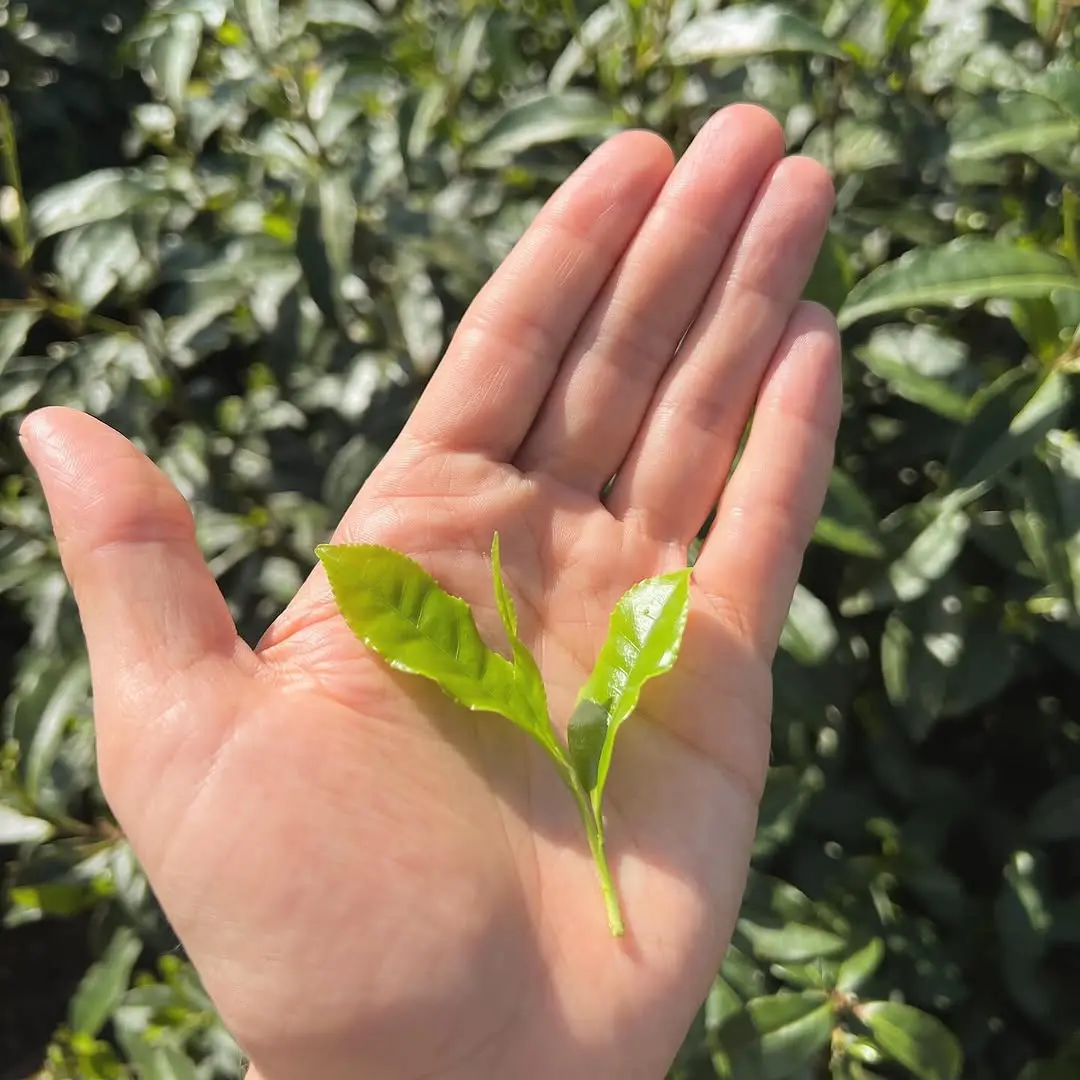
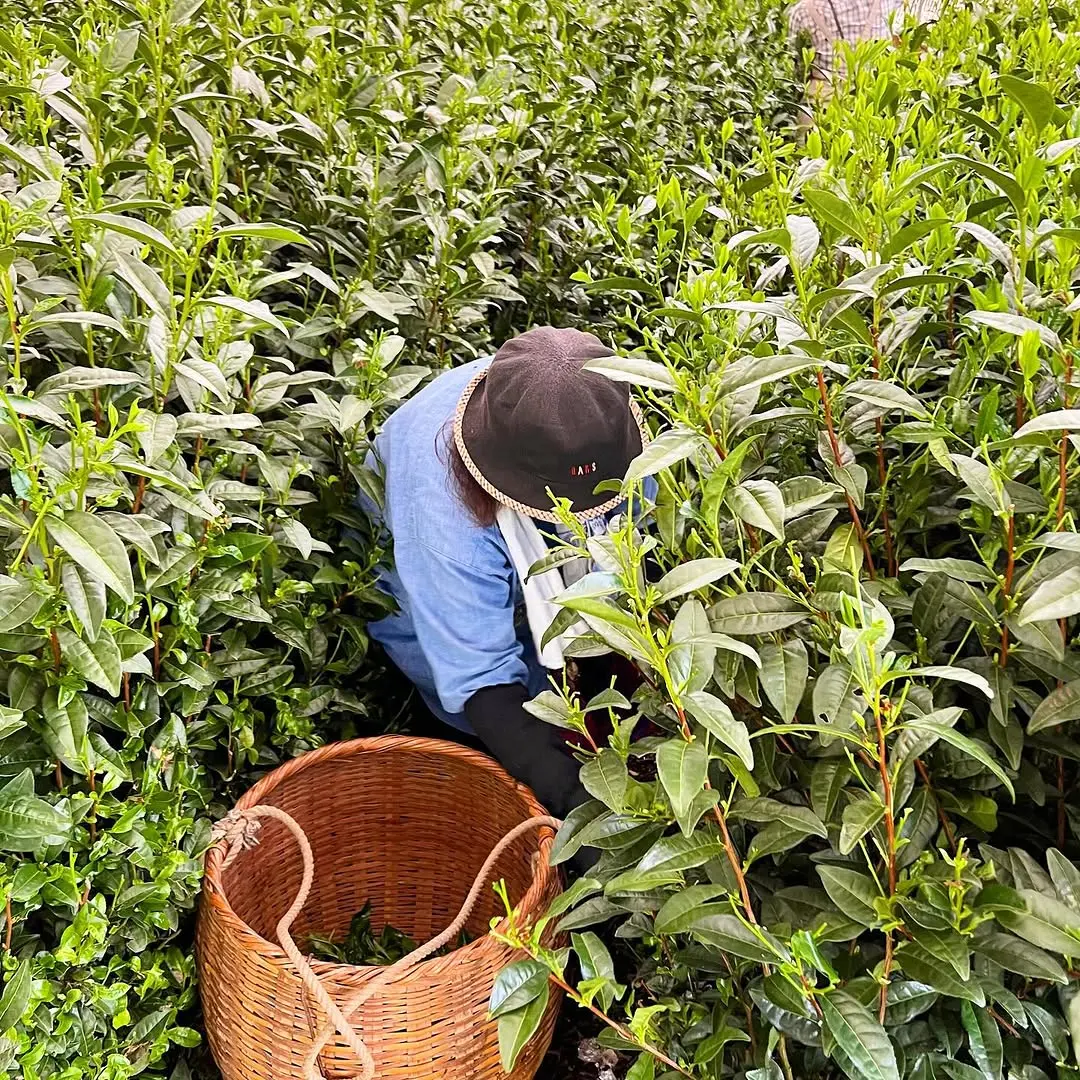
Home to the Marukyu Koyamaen farm, source of the ceremonial Seihou matcha. Traditional hand-picking (Tezumi) selects the top two leaves and a bud, clipped at 2-3 cm. Plants are shaded with straw mats for about three weeks before harvest, raising L-Theanine for sweetness and umami.

Yame, Fukuoka

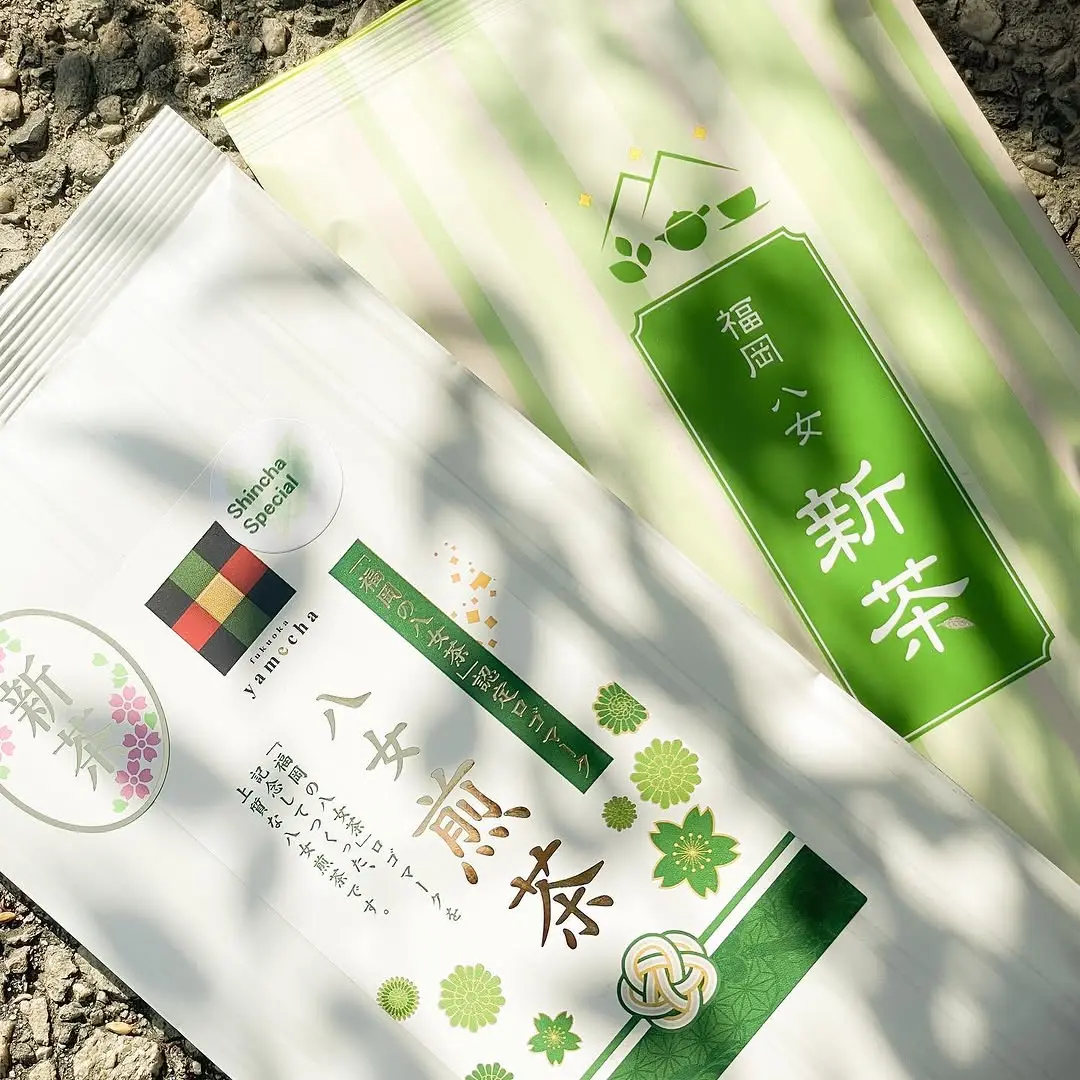
Home to Hoshino-Seichaen, source of the Hana premium matcha, at 600-800 meters altitude. The JAS-certified organic farm uses a reed-and-straw shading structure called Tana, and mineral-rich soil shapes its flavor.

Shizuoka and Mie

The Osada-En farm in Shizuoka machine-harvests leaf for latte-grade matcha using sustainable, pesticide-free practices, while Safety Re-Farm 88 in Mie supplies culinary matcha.

Tea Master of Little Tokyo History

Tea Master of Little Tokyo was founded in 2016 by Daigoro Nakatomi and Alex Dwyer in Downtown Los Angeles' Little Tokyo, taking over a space previously occupied by Beeline Company Inc.

Early years

  • 2016: Alex Dwyer travelled to the tea regions of Yame, Shizuoka and Mie to establish direct partnerships with trusted farms.
  • 2017: Mikko Nakatomi, Daigoro's sister and a licensed tea master, joined to lead tea-ceremony education.
January 1, 2016

Tea Master of Little Tokyo Founded

Daigoro Nakatomi and Alex Dwyer established Tea Master of Little Tokyo in Downtown Los Angeles' Little Tokyo, taking over the space previously occupied by Beeline Company Inc. The founders envisioned creating a unique tea experience where premium Japanese tea could be savored, combining traditional Japanese tea culture with modern tastes.

June 1, 2016

Direct Farm Partnerships Established

Alex Dwyer embarked on sourcing expeditions to Japan's premier tea regions including Yame, Shizuoka, and Mie, establishing direct relationships with trusted tea farms. Key partnerships were formed with Hoshino-Seichaen in Yame, Osada-En farm in Shizuoka, and Safety Re-Farm 88 in Mie, ensuring consistent supply of high-quality matcha while maintaining stringent standards for quality and flavor.

January 1, 2017

Mikko Nakatomi Joins as Tea Master

Mikko Nakatomi, Daigoro's sister and a licensed tea master, joined the team to share the history and traditions behind the tea ceremony. Her addition brought authentic expertise in traditional Japanese tea culture, enabling the cafe to offer educational workshops and hands-on instruction in tea ceremony traditions, emphasizing mindfulness and respect.

January 1, 2025

Matcha Shortage Response Strategy

Facing the reported matcha shortage of 2025, Tea Master of Little Tokyo implemented comprehensive strategies including maintaining close relationships with existing farm partners through long-term contracts, adjusting pricing to reflect increased sourcing costs (with Seihou Ceremonial Matcha prices rising 15%), and exploring new sourcing options including discussions with a family-owned farm in Kagoshima region for limited-edition ceremonial grade matcha.

Frequently asked questions

Here are some frequently asked questions and answers.

Why does Tea Master of Little Tokyo's Deluxe Latte Grade cost $46 while their regular Culinary Matcha Powder is only $39?

The Deluxe Latte Grade Culinary Matcha Powder at $46 comes from the prestigious Shizuoka region, known for producing bolder, more robust matcha that can stand up to milk in lattes. This grade uses a specific blend designed to maintain strong matcha flavor even when mixed with dairy.

The Culinary Matcha Powder at $39 sources from Mie region farms and, while still excellent for lattes and baking, represents a more accessible option. Both contain the same caffeine (25mg) and L-theanine (15mg) levels, but the Shizuoka sourcing and specialized processing for the Deluxe grade justifies the higher price point.

What makes Tea Master of Little Tokyo's Seihou ceremonial matcha different from their Hana premium grade?

Seihou Ceremonial Matcha ($58) represents the pinnacle of Tea Master's offerings, sourced exclusively from first-harvest leaves (Ichibancha) from the renowned Marukyu Koyamaen farm in Uji, Kyoto. It contains higher caffeine (35mg) and L-theanine (25mg) levels, with particle sizes of just 5-10 microns for an ultra-smooth texture.

  • Seihou: Pure ceremonial use, delicate sweetness, minimal bitterness
  • Hana Premium: ($35) Versatile for both ceremony and lattes, balanced flavor from Yame region's Hoshino-Seichaen farm
  • Key difference: Seihou uses only first-harvest leaves while Hana blends first and second harvest

Can I attend Mikko Nakatomi's tea ceremony workshops at Tea Master of Little Tokyo?

Yes! Mikko Nakatomi, a licensed tea master and sister of co-founder Daigoro, leads intimate tea ceremony workshops at Tea Master of Little Tokyo. These educational sessions provide hands-on instruction in traditional chanoyu (tea ceremony) preparation and cultural significance.

Mikko emphasizes the importance of mindfulness and respect during these workshops, creating a contemplative atmosphere where participants learn proper whisking techniques, the history behind each movement, and the deeper meaning of Japanese tea culture. The workshops complement the cafe's mission of sharing authentic Japanese tea traditions with the Los Angeles community.

How is Tea Master of Little Tokyo handling the 2025 matcha shortage?

Tea Master of Little Tokyo has implemented several strategies to navigate the 2025 matcha shortage while maintaining quality:

  • Long-term contracts: They secured a five-year agreement with Hoshino-Seichaen farm to guarantee consistent supply of their Hana Premium grade
  • Price adjustments: Seihou Ceremonial Matcha increased 15% since early 2025 to reflect sourcing costs
  • New partnerships: Currently negotiating with a family-owned farm in Kagoshima region for limited-edition ceremonial grade
  • Customer education: Offering tasting flights to help customers understand the value differences between grades

Despite challenges, they maintain their commitment to direct sourcing from trusted Japanese farms.

Which Tea Master of Little Tokyo matcha grade should I choose for making lattes at home?

For home lattes, choose between Tea Master's two culinary grades based on your preferences:

Deluxe Latte Grade Culinary Matcha Powder ($46) offers the most robust flavor that cuts through milk beautifully. Sourced from Shizuoka region's later harvests, it maintains strong matcha taste even in milk-heavy drinks.

Culinary Matcha Powder ($39) from Mie region provides excellent value while still delivering that earthy, vegetal flavor profile perfect for lattes. Both contain 25mg caffeine and 15mg L-theanine per serving, but the Deluxe grade's Shizuoka sourcing provides superior flavor intensity for serious latte enthusiasts.