Who is PARU Tea?

PARU Tea is a San Diego matcha brand founded in 2017, milling shade-grown tencha fresh at its La Jolla shop. It sources single-origin matcha through direct farm relationships in Uji and Kagoshima.

Yoshi’s Matcha comes from Yoshiyuki Tamura, a 13th-generation farmer in Kawane using JAS-certified organic practices. Shirabyoshi Matcha ages as tencha underground for six months before stone-grinding.

Products

PARU Tea products

PARU Tea has 2 products on the platform.
PARU Tea logo

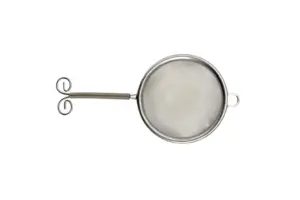
PARU Stainless Steel Matcha Sifter

The PARU Matcha Sifter is made in Japan from stainless steel, with a 2.9-inch mesh and 6.5-inch total length for a smooth matcha whisk.

PARU Tea logo
PARU Tea $150.0 / 100 g

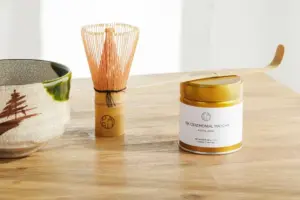
PARU 10K Ceremonial Matcha

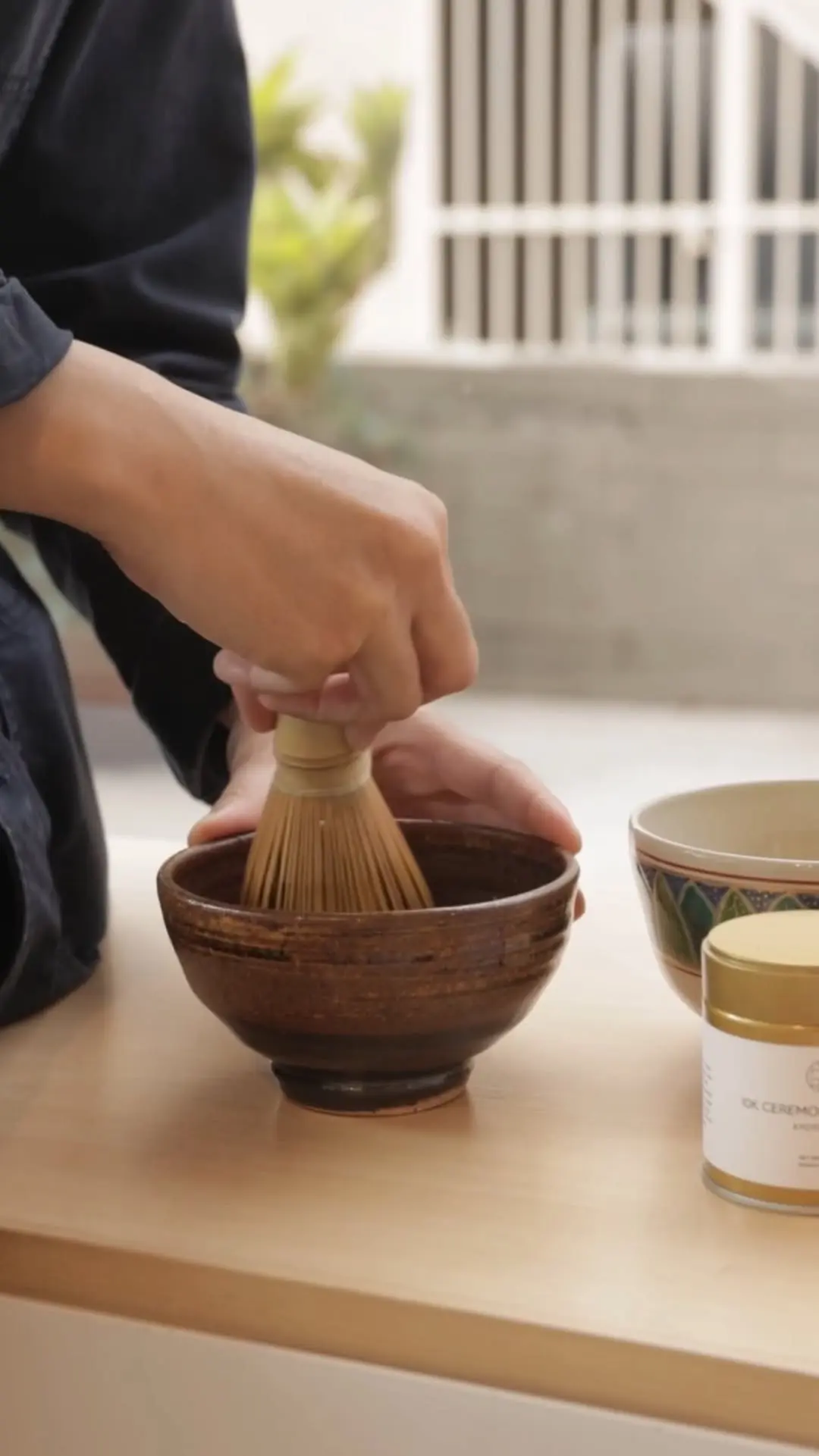
PARU 10K ceremonial matcha uses seasonally harvested Samidori from Kyōtanabe, Kyoto, with balanced character and a sweet finish for usucha and lattes.

PARU Tea in details

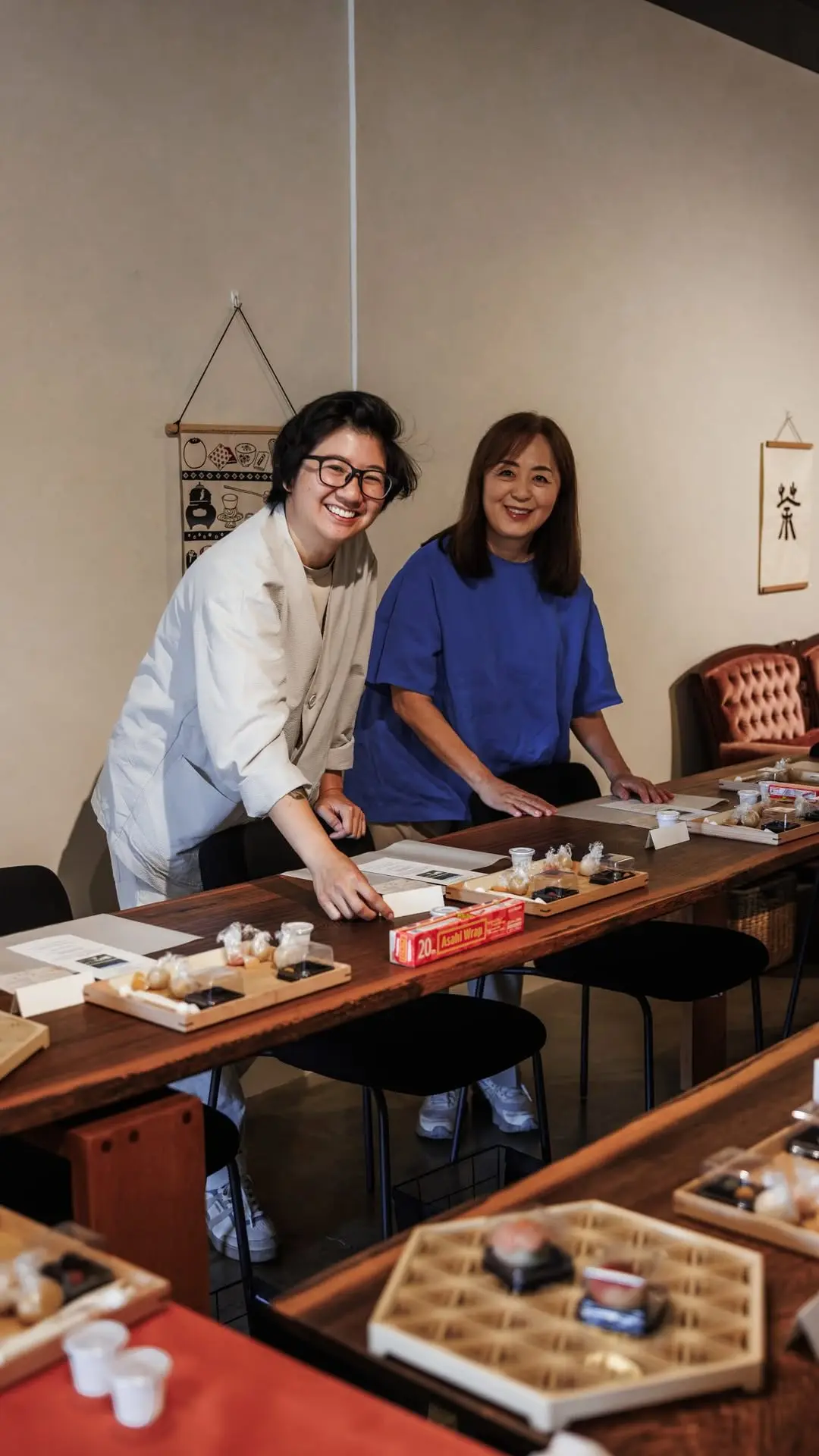
PARU Tea started in 2017 when founders Amy Truong and Lani Gobaleza transformed a simple vision into San Diego’s premier destination for specialty loose-leaf tea and matcha. What began as pop-ups at local markets has evolved into a thriving business that sources directly from family-owned tea gardens across East and Southeast Asia.

A Love Story Steeped in Tradition

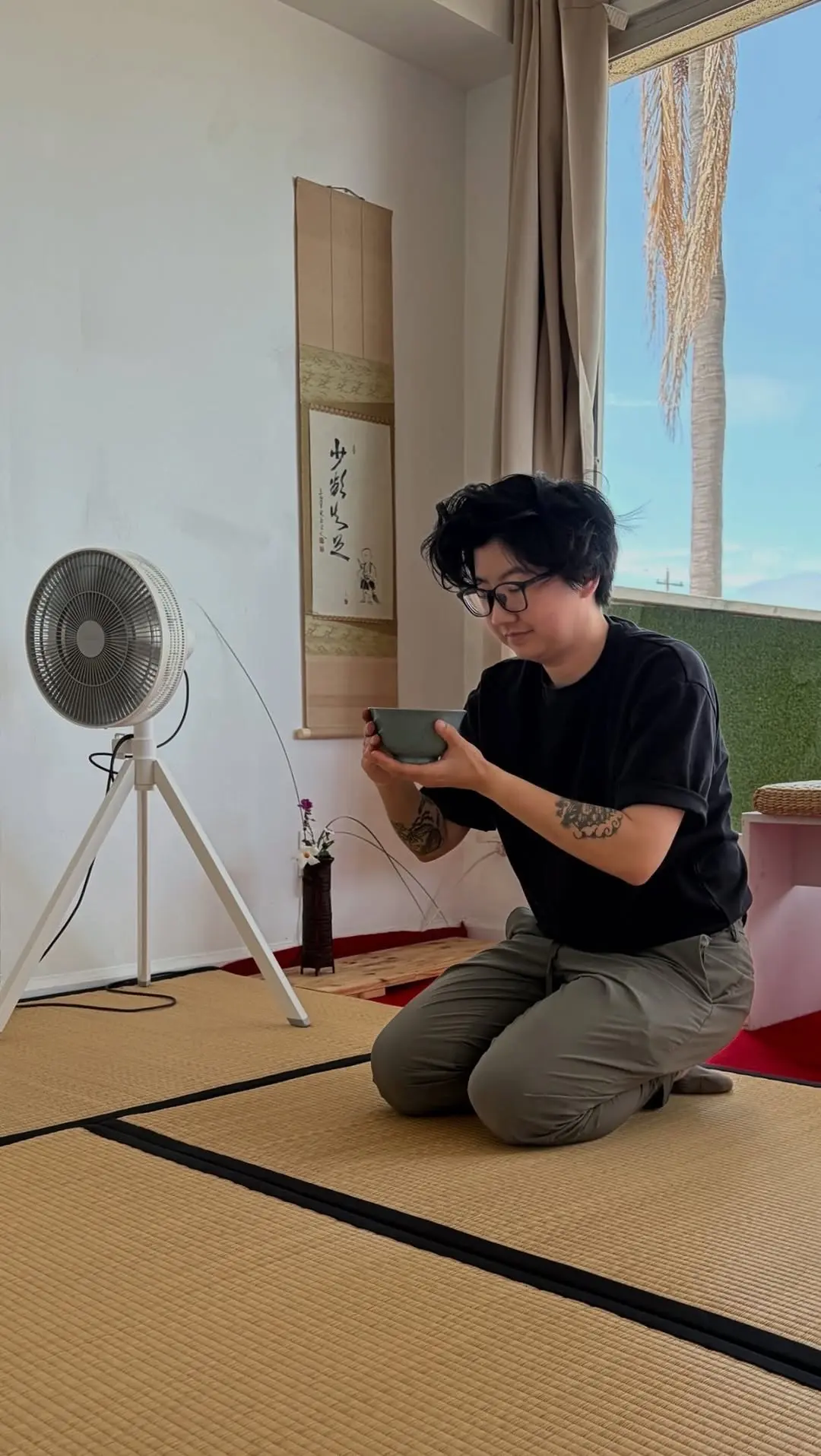
Amy and Lani’s journey began during a study abroad program in Yokohama, Japan—San Diego’s sister city—where they bonded over long walks and countless cups of tea during cherry blossom season. Their connection to Japanese tea culture runs deep: Amy serves as a Certified TAC Tea Sommelier® with specialized training from the Global Japanese Tea Association, while both founders study traditional chanoyu (Japanese tea ceremony) under a sensei.

This dedication to authenticity shapes everything at PARU Tea. The shop is one of the few in the United States to mill matcha fresh daily using a traditional stone mill, transforming shade-grown tencha leaves into vibrant powder that showcases the true flavors of ceremonial-grade matcha.

Heritage-Inspired Blends Meet Single-Origin Excellence

Amy’s role as master blender brings something rare to the tea world: original blends rooted in Southeast Asian heritage and personal memory. The beloved Blue Chamomile blend combines organic chamomile with butterfly pea flower from Thailand, creating a naturally vibrant infusion. Hanadoki, inspired by their first cherry blossom season together, features actual cherry blossoms from Kyoto alongside sencha and rose petals.

PARU Tea also specializes in single-origin teas sourced directly from cultivar farmers like Moriuchi Tea Farm in Shizuoka. These relationships ensure traceability and quality while honoring the growers behind every leaf.

From Viral Success to Purposeful Evolution

When PARU Tea went viral on TikTok in 2021, lines stretched down La Jolla’s streets. Rather than chase that momentum indefinitely, Amy and Lani made a bold decision in August 2024: they stopped serving drinks to focus on what matters most—education, community, and the art of tea itself.

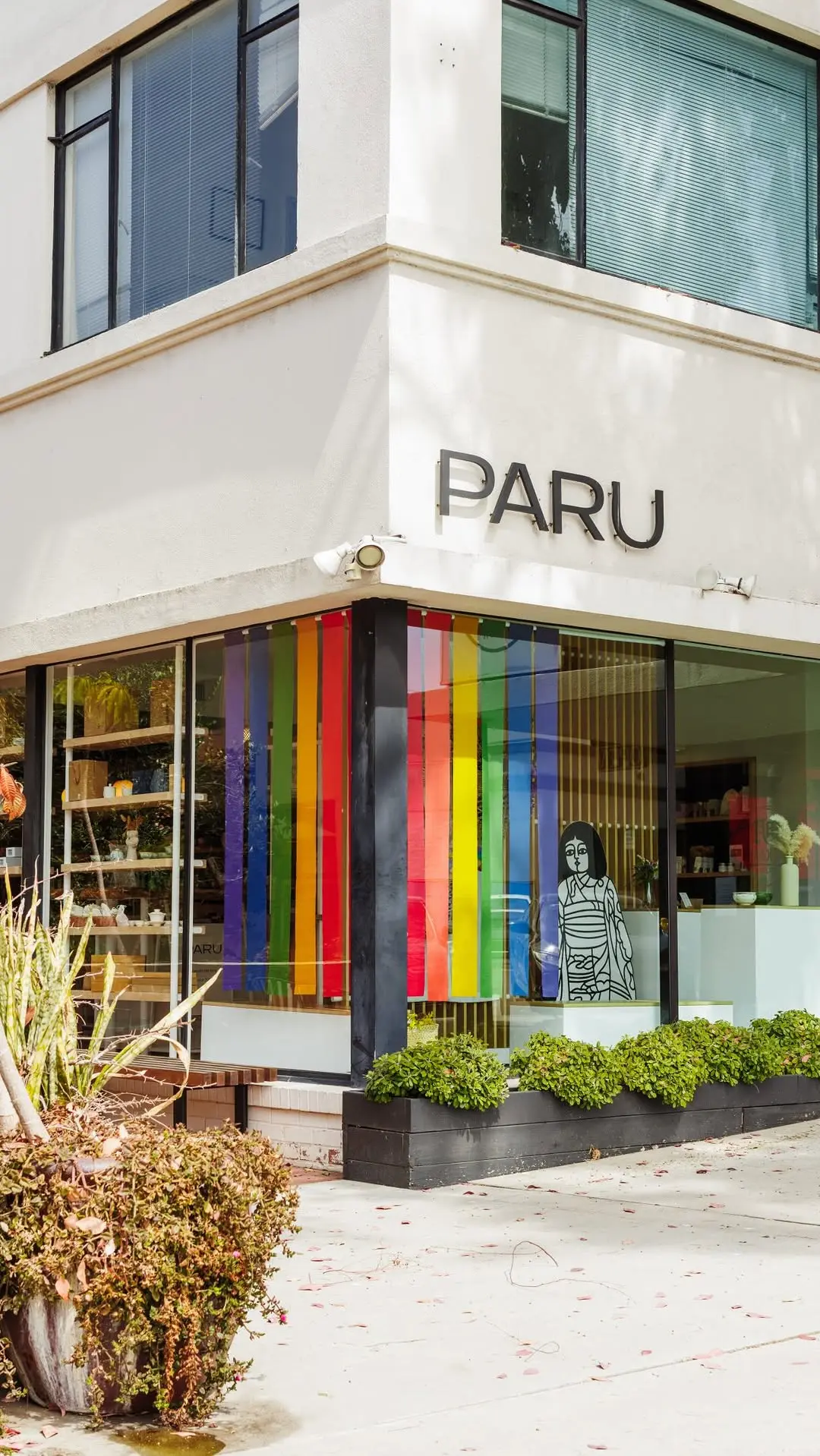
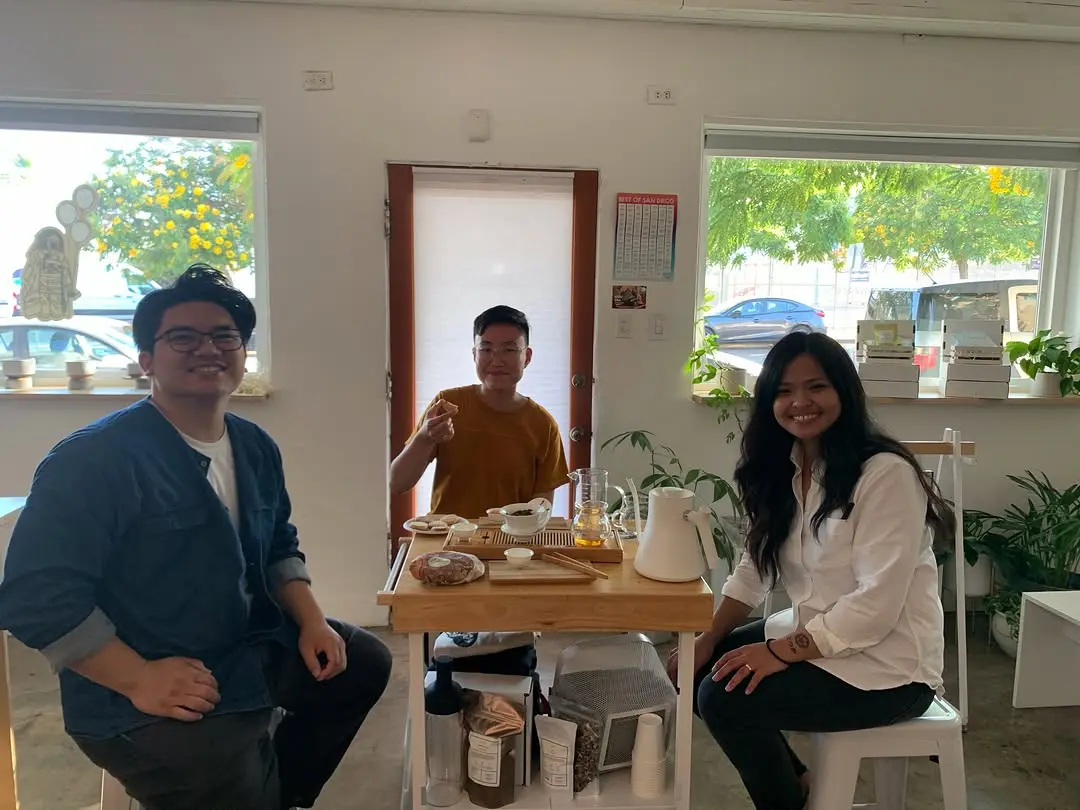
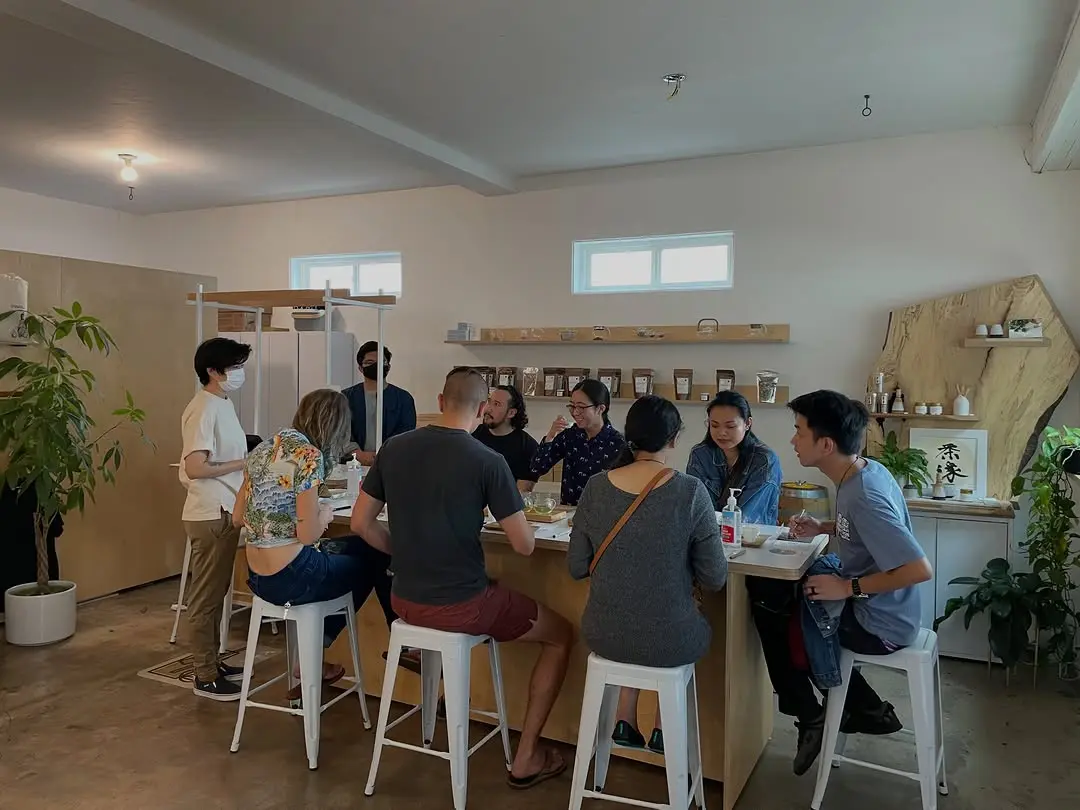
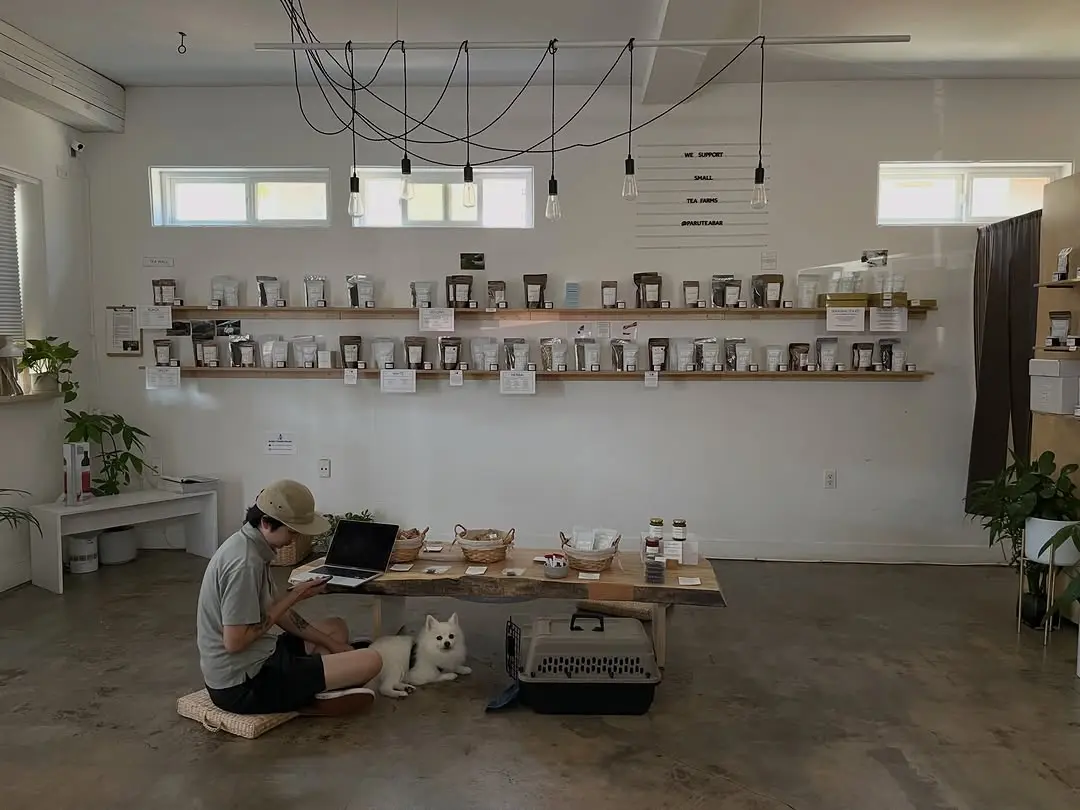
Today, their La Jolla shop offers private tea experiences, traditional ceremonies, and carefully curated selections of loose-leaf tea and teaware. Named “Best Tea” by San Diego Magazine in 2018 and 2019, PARU Tea continues to redefine tea culture through the Japanese principle of ichigo ichie—one chance, one meeting—making every moment count.

About the PARU Tea Matcha

PARU Tea sources a curated selection of premium matcha directly from renowned Japanese tea regions and freshly mills its powder from shade-grown tencha leaves at its La Jolla shop.

Signature matcha

  • Shirabyoshi Matcha: made by picking, steaming, and drying leaves into tencha, then ageing that tencha in an underground warehouse for six months before stone-grinding, developing flavour and complexity.
  • Yoshi's Matcha: from the Kawane region, sourced directly from Yoshiyuki Tamura, a 13th-generation tea farmer with JAS-certified organic practices.

Signature blends

Beyond pure matcha, PARU crafts blends such as Hanadoki, combining cherry blossoms, sencha, and rose petals, and Blue Chamomile, pairing organic chamomile with butterfly pea flower. Every product reflects a focus on single-origin, custom loose-leaf teas that honour both tradition and innovation.

Harvest location

PARU Tea sources its matcha from Japan's most esteemed tea regions, focusing on Uji and Kagoshima prefectures, and builds direct relationships with farmers who share its commitment to quality and sustainability.

Farm partners

The Kawane region supplies Yoshi's Matcha, grown by Yoshiyuki Tamura, a 13th-generation farmer on a JAS-certified organic farm that uses no synthetic pesticides, herbicides, or fertilizers and relies on beneficial insects and neem oil. In Nara Prefecture, PARU sources Genmaicha from Taro Toki using traditional methods perfected over generations.

Harvest and processing

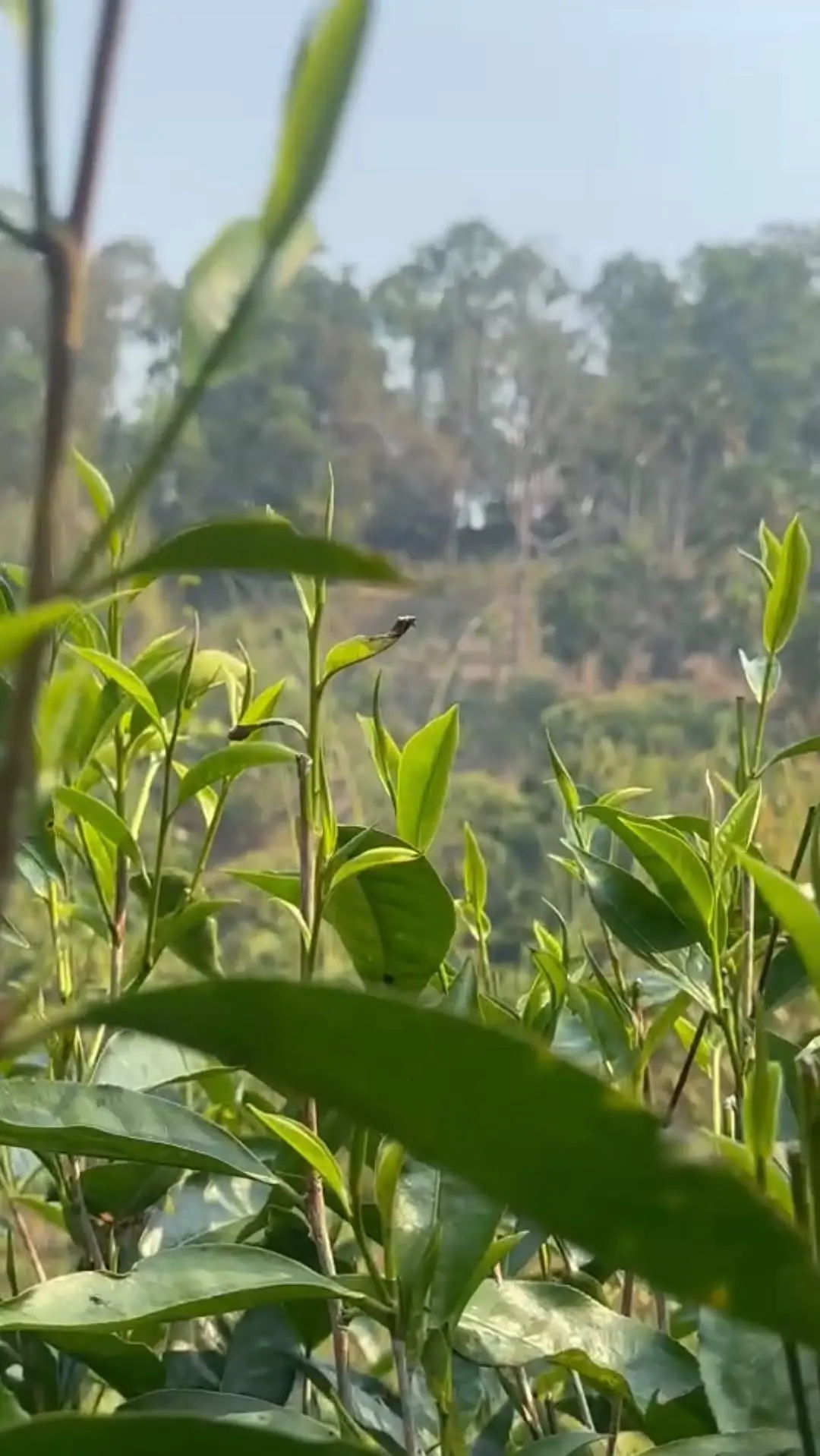
Across these locations the plants are shaded for several weeks before harvest, and the first flush in late April to mid-May yields the highest-quality leaves. Partner farms build soil through composting, cover cropping, and crop rotation. The Shirabyoshi Matcha tencha is aged in underground warehouses for six months before stone-grinding.

PARU Tea History

PARU Tea was founded in 2017 in San Diego by Amy Truong and Lani Gobaleza, two entrepreneurs whose Southeast Asian heritage and shared love of tea shaped the brand from a matcha destination into a bridge between Japanese tea ceremony and modern American tea culture.

In August 2024, the La Jolla location held a grand reopening, pivoting from a cafe model toward retail and immersive tea experiences.

January 1, 2017

PARU Tea Founded in San Diego

Amy Truong and Lani Gobaleza established PARU Tea in San Diego, drawing on their Southeast Asian heritage and entrepreneurial spirit to create what would become a trendy matcha destination. The founders began their journey with a vision to transform tea culture in San Diego through quality and authentic experiences.

August 26, 2024

La Jolla Location Grand Reopening and Business Model Pivot

PARU Tea marked a pivotal transformation with the grand reopening of their La Jolla location, transitioning from a cafe model to focus on retail and immersive tea experiences. This bold strategic shift allowed them to deepen their purpose, embrace sustainability, and offer more meaningful tea experiences while emphasizing direct sourcing from farmers and creating original blends that reflect their heritage.

Frequently asked questions

Here are some frequently asked questions and answers.

Where does PARU Tea source its matcha?

PARU Tea sources matcha through direct relationships with farmers in Japanese tea regions including Uji and Kagoshima. Yoshi’s Matcha comes from Yoshiyuki Tamura, a 13th-generation farmer in Kawane who uses JAS-certified organic practices. The brand also sources single-origin tea from cultivar farmers such as Moriuchi Tea Farm in Shizuoka.

Does PARU Tea mill matcha fresh at its La Jolla shop?

Yes. PARU Tea mills shade-grown tencha fresh at its La Jolla shop using a traditional stone mill. The process transforms the tencha leaves into matcha powder. The record describes the shop as one of the few in the United States that mills matcha fresh daily in this traditional way.

What is special about PARU Tea’s Shirabyoshi Matcha?

Shirabyoshi Matcha is distinguished by how its tencha is processed before grinding. After the leaves are picked, steamed, and dried into tencha, that tencha is aged in an underground warehouse for six months. It is then stone-ground, a sequence described as developing the matcha’s flavour and complexity.

Who founded PARU Tea and when did it begin?

Amy Truong and Lani Gobaleza founded PARU Tea in San Diego in 2017. The business began with pop-ups at local markets before developing into a La Jolla shop. Their interest in Japanese tea culture includes studying traditional chanoyu, while Amy also has specialized tea training and serves as a Certified TAC Tea Sommelier®.

What can visitors experience at PARU Tea’s La Jolla shop?

PARU Tea’s La Jolla shop focuses on retail, education, community, and tea experiences rather than serving prepared drinks. Visitors can find private tea experiences, traditional ceremonies, loose-leaf tea, and teaware. This direction followed the brand’s decision in August 2024 to move away from its previous cafe-style drinks service.