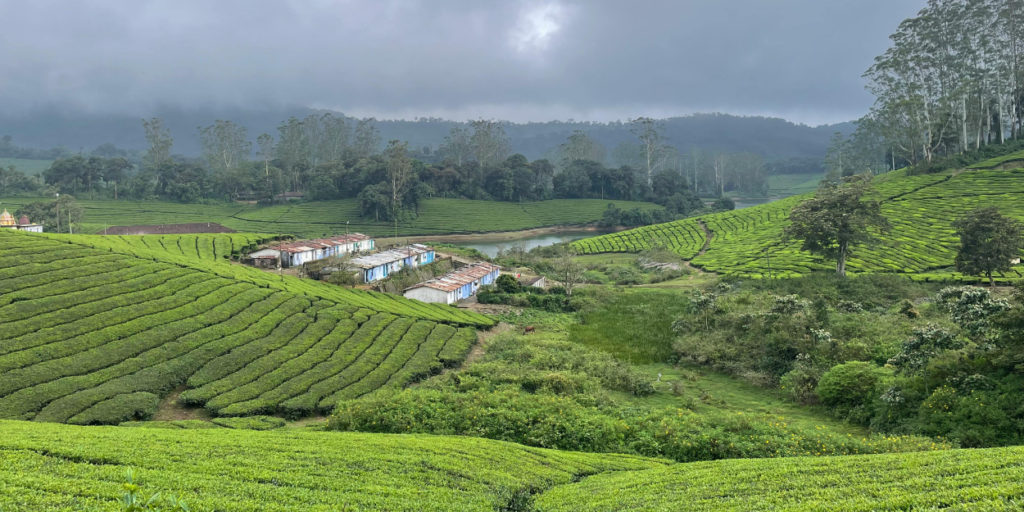
What Are Regions?
Regions represent terroir—the unique environmental fingerprint of where tea plants grow. Volcanic soils, misty valleys, or mountain slopes create distinct profiles: Uji’s fog enhances creaminess, Kagoshima’s warmth yields balanced polyphenols.
Japan’s top matcha regions each deliver signature qualities:
- Uji (Kyoto): Historic prestige; misty climate and fertile soil produce intense umami, vivid green, minimal bitterness. Ideal for koicha ceremonies.
- Nishio (Aichi): High-volume leader (30%+ production); rich aroma, bold color from fertile plains. Versatile for lattes or export blends.
- Kagoshima: Volcanic ash enriches minerals; smooth, less astringent with high antioxidants. Value-driven for everyday use.
- Shizuoka: Diverse elevations; robust, earthy notes from varied soils. Great for organic or sencha-style matcha transitions.
- Yame (Fukuoka): Day-night temperature swings boost sweetness; creamy, full-bodied for premium usucha.
These differences arise from microclimates: Uji’s shading traditions amplify L-theanine, while Kagoshima’s scale enables affordability without sacrificing quality.
What Are Cultivars?
Cultivars are specific Camellia sinensis varieties, bred for traits like shade tolerance or flavor compounds. Unlike regions, they travel—e.g., Yabukita thrives in multiple areas but expresses differently by terroir.
Key matcha cultivars and their signatures:
- Yabukita: Dominant (70%+ Japanese tea); balanced sweetness, grassy freshness, low bitterness. Everyday versatility for lattes or cooking.
- Samidori/Asahi: Uji specialists; deep umami, creamy texture. Ceremonial excellence, rare outside Kyoto.
- Okumidori: Smooth, floral with tropical hints; high amino acids. Premium for straight whisking.
- Saemidori: Vibrant, sweet umami; low astringency. Rising for single-origin artisanal matcha.
Cultivars drive inherent potential: Samidori’s genetics favor elegance, but Nishio’s efficiency scales it for broader markets.
Regions vs. Cultivars: Core Differences
Regions and cultivars shape matcha through distinct mechanisms: terroir versus genetics. Regions act as the environmental stage—soil minerals, fog-shrouded hills, or sun-drenched slopes imprint broad traits, like Uji’s misty nurturing of creamy umami or Kagoshima’s volcanic soils yielding smooth, antioxidant-rich profiles. This external influence affects all plants grown there, often pairing with local shading and harvest customs to define a signature style.
Cultivars provide the script within the plant’s DNA, bred for specifics like high L-theanine for sweetness (Okumidori’s floral notes) or resilience (Yabukita’s grassy versatility). These traits persist across locations, though modulated by terroir—a Nishio Samidori might amplify boldness compared to Uji’s silkier expression. Genetics set the potential range, while regions fine-tune the outcome.
Practical Implications for Buyers
Their interplay creates variety: the same Yabukita cultivar shifts from earthy robustness in Shizuoka to balanced freshness in Yame, rewarding precise selection. Blends combine multiple cultivars from one region for consistent everyday use, while single-cultivar singles reveal purity for connoisseurs.
Buyers should prioritize by need—region for overarching vibe (Uji prestige, Kagoshima value), cultivar for targeted notes (Samidori depth for ceremonies, Yabukita forgiveness in lattes). This layered approach matches rituals, from meditative usucha to robust baking, ensuring flavor alignment with purpose.
A Deeper Dive Into Matcha: Regions, Cultivars, Umami, and Ceremony