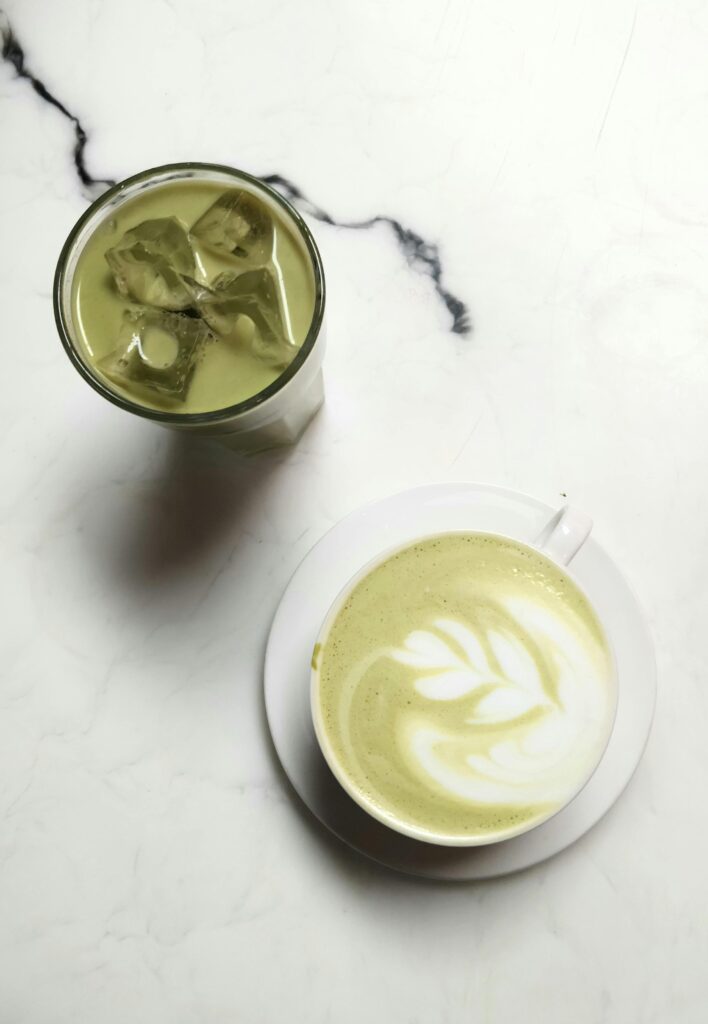
Defining Matcha Water Temperature
Water temperature profoundly affects matcha preparation, influencing both flavor extraction and the preservation of beneficial compounds. The traditional temperature range of 70-80°C (160-175°F) represents centuries of refinement in Japanese tea culture, balancing optimal dissolution of amino acids like L-theanine with the protection of heat-sensitive catechins and vitamins.
Different compounds in matcha dissolve at varying temperatures. L-theanine, responsible for matcha’s characteristic sweetness and calming effects, dissolves readily at lower temperatures around 70°C. Catechins, which contribute to astringency and antioxidant properties, require higher temperatures for complete extraction. Water exceeding 80°C begins degrading chlorophyll, resulting in duller color and bitter, unbalanced flavors.
Temperature Precision: Every 5°C variation significantly alters extraction—75°C emphasizes natural sweetness while 80°C enhances umami depth and robust character.
Measuring Temperature Accurately
Achieving precise temperature requires appropriate tools and technique. Infrared thermometers provide instant surface readings but may miss internal temperature gradients. Probe thermometers offer superior accuracy through direct immersion, though cleanliness remains essential to prevent contamination.
Traditional Japanese methods estimate temperature through sensory observation. Small bubbles forming at the water’s base indicate approximately 70°C. Gentle steam rising from the surface suggests 75°C. Vigorous bubbling and rolling steam signal temperatures approaching or exceeding 80°C. With practice, these visual and auditory cues become reliable indicators.
Standard Ratios for Different Preparations
Traditional usucha (thin tea) employs 2 grams matcha powder to 70ml water, creating the 1:35 ratio that defines balanced, accessible matcha flavor. This proportion provides sufficient dilution to prevent overwhelming intensity while maintaining the characteristic vegetal sweetness and umami depth. Ceremonial grade matcha performs optimally at this ratio, where natural sweetness balances any astringency.
Koicha (thick tea) doubles the matcha to 4 grams while reducing water to 40ml, achieving a concentrated 1:10 ratio that creates paint-like consistency. Only the highest grade matcha suits this intense preparation—any bitterness or imperfection becomes magnified and unbearable. The thick preparation serves primarily ceremonial purposes in formal tea gatherings rather than casual daily consumption.
Western preferences often favor lighter preparations, using 1-1.5 grams matcha with 120-150ml water for gentler introduction to matcha’s distinctive flavor. This dilution reduces intensity while maintaining beneficial compounds and providing familiar beverage consistency. Conversely, experienced practitioners may prefer stronger 3 grams to 70ml ratios emphasizing robust, bold flavor profiles.
Adjusting Parameters for Grade and Purpose
Culinary grade matcha requires different parameters than premium ceremonial grades due to its more robust, sometimes bitter character. Higher temperatures around 80-85°C help extract flavor from these resilient leaves, while increased water ratios offset inherent astringency. Use 1 gram culinary matcha to 100ml water for basic preparation, adjusting based on specific applications.
Baking and cooking preparations may concentrate ratios further since other ingredients provide dilution and sweetness. For culinary applications, focus on color intensity and matcha flavor presence rather than delicate balance. The cooking process will modify flavors regardless, so starting with stronger concentrations ensures matcha character survives.
Seasonal Adjustments in Traditional Practice
Traditional Japanese tea culture acknowledges seasonal variations in preparation. Summer preparations use slightly cooler water (65-70°C) and increased dilution for refreshing, cooling qualities that harmonize with warm weather. The lighter preparation feels less heavy and more appropriate for hot conditions.
Winter calls for fuller temperature (75-80°C) and standard or slightly concentrated ratios, providing warming properties and richer mouthfeel. These subtle seasonal modifications acknowledge matcha’s role beyond simple beverage—it becomes practice in seasonal awareness and harmony with natural cycles.
Cold Preparation Methods and Ratios
Cold water extraction requires adjusted ratios compensating for dramatically reduced solubility at lower temperatures. Use 3-4 grams matcha per 200ml cold water, shaking or whisking vigorously to overcome surface tension that prevents proper mixing. Extended contact time of 2-4 hours allows more complete extraction despite temperature limitations.
Some compounds remain less accessible in cold preparation, creating different flavor profiles that emphasize sweetness and freshness over deep umami complexity. Cold-brewed matcha typically tastes lighter, grassier, and more refreshing—ideal for summer consumption but lacking the full-bodied character of traditional hot preparation.
Ice-Based Preparations
Ice preparations require concentrated initial ratios accounting for subsequent dilution. Prepare double-strength matcha using 4 grams per 70ml hot water (80°C), immediately pouring over ice equal to the original water volume. Rapid cooling preserves volatile aromatic compounds while achieving standard strength through controlled dilution.
This method maintains superior flavor compared to matcha whisked directly with cold water, as the initial hot extraction activates compounds that remain dormant in purely cold preparation. The technique combines extraction efficiency with refreshing temperature, offering best of both approaches.
Room Temperature Technique
Room temperature preparation (20-25°C) offers compromise between hot and cold methods. Water at ambient temperature requires vigorous whisking for 30-40 seconds ensuring complete suspension, but preserves all heat-sensitive compounds including delicate vitamins and volatile aromatics.
This method particularly suits premium ceremonial matcha where preserving nuanced flavors justifies extra whisking effort. Some practitioners prefer room temperature for morning preparation, finding hot beverages less appealing immediately after waking. The resulting tea tastes fresh, bright, and clean without any cooked or toasted notes.
A Deeper Dive Into Matcha: Regions, Cultivars, Umami, and Ceremony