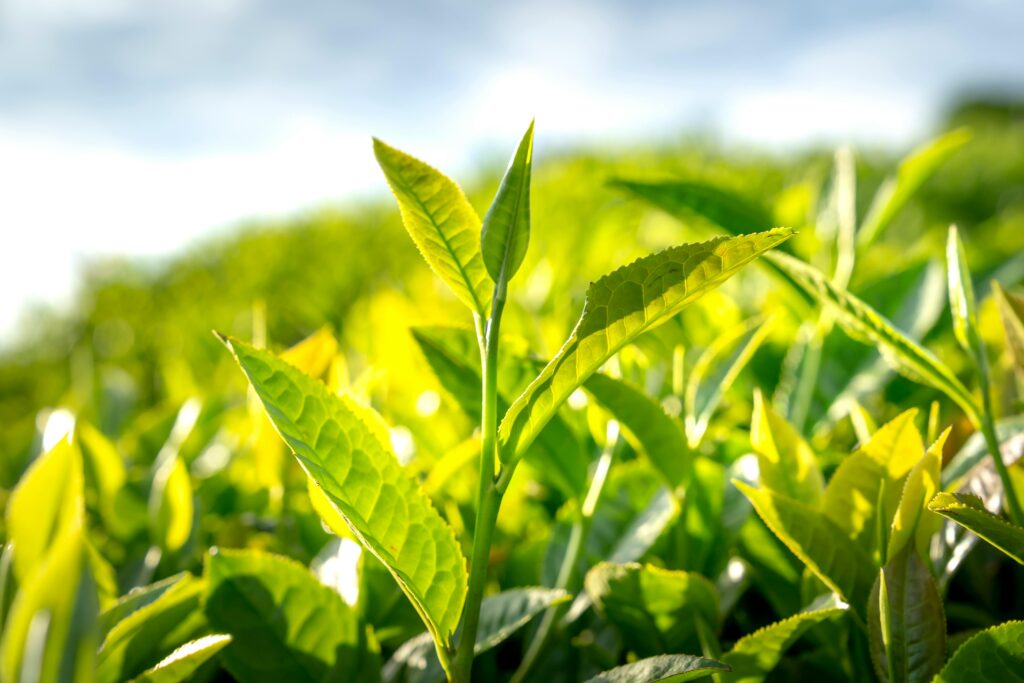
Xihu is a tea-growing region near West Lake in Hangzhou, China, known for Longjing green tea. Its distinct terroir shapes tea flavor and quality standards.
Xihu and Its Tea Heritage
Xihu, or West Lake, sits in Hangzhou, Zhejiang Province, China, where it’s produced some of the world’s most celebrated green tea for over 1,000 years. The region doesn’t produce matcha in the traditional Japanese sense. Instead, Xihu is home to Longjing tea, also called Dragon Well, a pan-fired green tea that’s earned Protected Designation of Origin status. While some producers might stone-grind Longjing leaves into powder, this differs from authentic matcha, which requires shade-grown tencha leaves and specific Japanese processing methods.
The Terroir That Shapes West Lake Tea
Xihu’s microclimate creates conditions you won’t find in most tea regions. The area receives 2,000 to 3,000 mm of annual rainfall, with humidity levels hovering between 80 and 90 percent. Frequent mist and fog blanket the hillsides, creating what locals call a “fog forest” environment. This diffuse sunlight reduces polyphenol development while boosting amino acid content in the leaves.
The soil here is loose, sandy, and mineral-rich, thanks to the surrounding mountains and proximity to West Lake itself. Tea plants grow at various elevations across five prime sites: Shifeng Mountain, Yunqi Village, Longjing Mountain, Meijiawu, and Hupao Spring. Each location produces tea with subtle variations, though all share that characteristic sweet, mellow profile. Temperatures during the growing season stay between 10°C and 20°C, perfect for developing tender shoots.
Quality Standards and Harvest Timing
The best Xihu tea comes from the Ming Qian harvest, picked before the Qingming Festival in early April. These pre-spring shoots are tender, uniform, and packed with flavor. Farmers pluck “two leaves and a bud” by hand, ensuring only the youngest growth makes it into production.
Quality indicators include:
- Flat, smooth leaf shape with a light green color
- Sweet, rounded taste with chestnut and buttery notes
- Bright yellow-green liquor when brewed
- Fresh, long-lasting fragrance and clean aftertaste
Only tea from the defined West Lake area can carry the Xihu Longjing label. Tea grown elsewhere in Hangzhou gets labeled as Hangzhou Longjing, marking a clear quality distinction. This geographic certification, recognized by the EU since 1998, protects both consumers and traditional producers.
Processing Methods and Flavor Development
Xihu’s traditional pan-firing technique differs completely from matcha production. Skilled artisans heat fresh leaves in large woks, pressing and shaping them flat while stopping oxidation. This roasting process develops the tea’s signature chestnut aroma and reduces any bitterness. The careful temperature control during drying preserves delicate vegetal notes and natural sweetness.
The resulting flavor profile is complex yet smooth. You’ll taste grassy, vegetal notes upfront, followed by roasted chestnut and butter undertones. There’s a natural umami quality and subtle sweetness that lingers. This taste comes from the terroir and processing, not from shading techniques used in matcha cultivation. If you’re looking for powdered tea from this region, understand it won’t match Japanese matcha’s flavor or preparation style, even though both start as Camellia sinensis leaves.
Xihu's terroir centers around West Lake in Hangzhou, Zhejiang Province, where a subtropical monsoon climate creates ideal growing conditions. The region stays cloaked in mist and fog year-round, maintaining a cool, humid microclimate that enhances flavor compounds in tea leaves.
The soil here is white sandy loam—loose, well-draining, and packed with minerals that nourish tea plants and contribute to that distinctive jade green color. You'll find this unique combination of hilly terrain, persistent fog, and mineral-rich soil across about 35 square miles surrounding West Lake. This environment can't be replicated elsewhere, which is why authentic Xihu matcha maintains such a strong reputation.
While Japanese matcha comes from shade-grown tea that's stone-ground into powder, Xihu produces tea using different cultivation methods. The Xihu region focuses on Longjing cultivars that grow in open, misty conditions rather than under shade structures.
- Xihu tea plants benefit from natural fog coverage instead of artificial shading
- The mineral-rich sandy soil creates different flavor profiles than volcanic Japanese soils
- Processing methods involve pan-firing in iron woks rather than steaming
- Hand-picking standards emphasize "two leaves and a bud" for optimal tenderness
These regional differences produce distinct taste characteristics—Xihu tea typically offers nutty, chestnut notes with natural sweetness, while Japanese matcha leans toward umami and vegetal flavors.
The Xihu designation covers a strictly defined area of about 11.5 square miles around West Lake, with five key sites: Shifeng Mountain, Yunqi Village, Longjing Mountain, Meijiawu, and Hupao Spring. Tea from this first-grade production zone has protected geographical indication status because the terroir here produces quality that can't be matched elsewhere.
This protection matters because tea labeled as Xihu must actually come from these specific hillsides. The combination of altitude, soil composition, and microclimate in this compact area creates unique characteristics in the tea leaves. It's similar to how Champagne can only come from France's Champagne region—the name represents both place and quality standards that have been refined over 1,000 years of cultivation history.
Several interconnected factors shape how Xihu tea develops its flavor profile. The persistent mist keeps plants cool and humid, slowing growth and allowing leaves to develop complex compounds. Seasonal monsoon rainfall provides consistent moisture without waterlogging, thanks to the sandy soil's drainage properties.
The hilly topography creates microclimates at different elevations, and proximity to West Lake moderates temperature swings. These elements work together—you can't isolate just one factor. The fog reduces direct sunlight exposure, which affects chlorophyll and amino acid development. Meanwhile, the mineral content in that white sandy loam feeds specific nutrients to the roots. Tea masters will tell you that moving production just a few miles away changes the final product noticeably.
Xihu stands apart from other Chinese tea regions like Dafuo, Yuexiang, or Fuyang, even when they produce similar tea varieties. The difference comes down to terroir specificity.
Other regions might grow Longjing cultivars and use traditional processing methods, but they lack Xihu's year-round fog coverage and distinctive soil composition. This means the flavor profile, color intensity, and aromatic complexity won't match authentic Xihu tea. Think of it as the difference between wines from neighboring valleys—same grape variety, different results.
When comparing options on a marketplace, you'll notice Xihu tea often commands higher prices. That's because the limited growing area (roughly half the size of Manhattan) and artisanal hand-processing create natural scarcity. The protected designation also means stricter quality standards and traceability.
Xihu tea production remains deeply artisanal, with skilled tea masters overseeing each step:
- Hand-picking only the tenderest shoots using the "two leaves and a bud" standard
- Pan-firing in iron woks at controlled temperatures to deactivate enzymes and lock in flavor
- Rehydration of leaves to regain moisture for proper shaping
- Manual kneading to achieve the characteristic flat appearance
- Final sorting and sometimes ash absorption to enhance aroma and shelf life
Processing a small batch can take hours, and the techniques require years of training to master. This hands-on approach preserves traditional methods that have been refined over centuries, contributing to both the quality and the premium positioning of Xihu tea in the market.