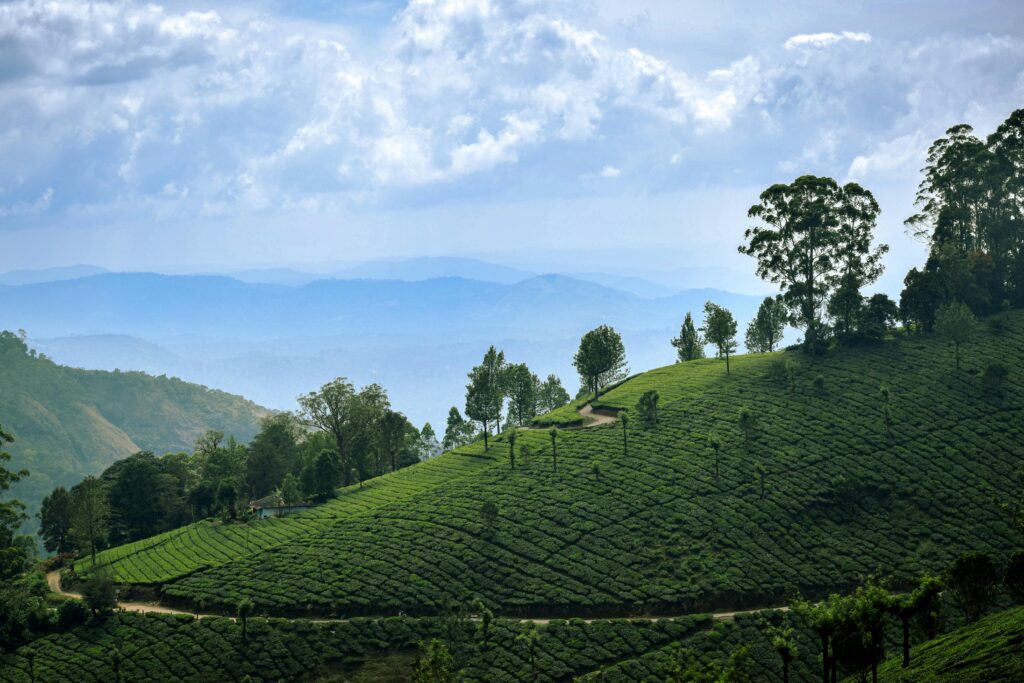
Hangzhou is Zhejiang's capital city with over 1200 years of tea heritage, famous for West Lake Longjing and premium matcha leaves grown in ideal conditions.
Hangzhou Matcha Growing Regions And Characteristics
Hangzhou is China’s storied tea capital, centered around the West Lake district where centuries of cultivation have created one of the world’s most distinctive tea terroirs. The region’s subtropical climate, mineral-rich soils, and misty hillsides produce green tea leaves with unique flavor profiles that differ markedly from Japanese matcha regions. While Hangzhou is famous for Longjing whole-leaf tea, the same cultivars and growing conditions that make this area special also inform how Chinese tea plants develop their characteristic sweetness and nutty depth.
West Lake Tea Growing Districts
The core production area surrounds West Lake at elevations between 300 and 500 meters above sea level. Villages like Meijiawu, Longjing Village, and Shifeng Mountain form the heart of this geographical indication zone. These hillside plots benefit from well-draining slopes and quartz-rich sandy loam that’s both acidic and mineral-dense. The original group cultivar grows primarily in the first production area, while Longjing #43—a modern variety bred for early harvesting—dominates secondary zones. Both cultivars share genetic traits that produce tender leaves with high amino acid content and lower polyphenol levels compared to Japanese varietals.
Climate and Microclimate Conditions
Hangzhou’s tea regions experience average annual temperatures around 16°C with rainfall reaching 1500 mm per year. Humidity stays above 80% most of the time, creating persistent mist that blankets the hillsides. Spring picking season runs from late March through April when temperatures hover between 10°C and 20°C. This mild, cloudy weather protects young leaves from harsh sunlight while promoting slow, steady growth. The frequent fog and gentle rainfall create a naturally humid environment that Japanese shade-growing techniques artificially replicate. That said, Hangzhou’s terroir produces a different chemical composition—more chestnut-like sweetness and floral notes rather than the grassy umami Japanese matcha is known for.
Soil Composition and Terroir
The broken Xihu Quartz rock mixed with sandy soil and loess creates loose, well-draining beds rich in trace minerals. This geological foundation differs from the volcanic soils found in Japanese matcha regions like Uji or Nishio. The mineral content contributes to Hangzhou tea’s subtle complexity and smooth mouthfeel. Combined with the microclimate, this soil produces leaves that brew into pale yellow-green liquor with lasting fragrance. Tea farmers here emphasize hand-picking and careful timing, with the highest quality leaves harvested before the Qingming Festival in early April. These Ming Qian pickings command premium prices due to their tenderness and concentrated flavor compounds.
Flavor Profile and Quality Markers
Hangzhou-grown tea leaves develop flat, smooth shapes with soft green coloring and fine hairs. The flavor profile leans toward sweet, mellow, and refreshing notes with chestnut or orchid undertones. This contrasts with Japanese matcha’s more vegetal, umami-forward character. Quality indicators include uniform leaf size, minimal breakage, bright liquor clarity, and high amino acid ratios. While traditional processing methods differ from matcha production, the terroir characteristics and cultivar genetics established over a millennium make Hangzhou an important reference point for understanding how Chinese tea plants express their environment. The region’s historical significance—including imperial recognition during the Qing Dynasty—reflects centuries of refinement in cultivation practices that continue shaping modern tea production standards.
Hangzhou sits at around 30°N latitude, which creates a sweet spot for tea cultivation. You'll find average annual temperatures between 19-22°C paired with a subtropical monsoon climate that brings abundant rainfall throughout the year.
The mild springs are perfect for tender tea shoots, while the distinct seasons help develop complex flavors in the leaves. That consistent humidity and warmth mean tea plants thrive without the stress of extreme temperature swings.
The West Lake (Xihu) region is where most Hangzhou matcha comes from, particularly around Longjing Village. While this area is famous for Longjing green tea, local farmers also use shade-growing techniques to produce matcha-style teas.
These growing areas typically sit at elevations between 100-300 meters, where the terrain and microclimate create that distinctive Hangzhou tea character.
The rusty-red soil in Hangzhou's tea regions is naturally rich in minerals and slightly acidic—exactly what tea plants need. This well-drained soil helps develop the umami and sweetness you'll taste in Hangzhou matcha.
That terroir combination of mineral-rich earth, specific pH levels, and good drainage contributes to the bright green color and mellow flavor profile that sets Hangzhou matcha apart from other Chinese growing regions.
Yes, there are notable differences. Hangzhou matcha comes from Camellia sinensis var. sinensis, which has smaller leaves than the Japanese cultivars. The processing methods also vary—Hangzhou producers often use traditional stone grinding but may follow slightly different shading and steaming protocols.
Flavor-wise, Hangzhou matcha tends to have a fresh, mellow taste with natural sweetness, while Japanese matcha often presents more pronounced umami. Both are high-quality, just different expressions of matcha based on their unique terroir and cultivation traditions.
Hangzhou matcha cultivation relies heavily on time-tested practices:
- Shade-growing tea plants before harvest to boost chlorophyll and amino acid levels
- Hand-plucking only the youngest, most tender leaves
- Organic cultivation that avoids chemical fertilizers and pesticides
- Stone grinding to create fine powder texture
These methods have been refined over centuries of tea production in the region, dating back more than a thousand years when Hangzhou teas were favored by Chinese emperors.
Hangzhou has over a thousand years of tea cultivation history and was considered so special that its Longjing tea became a national treasure favored by Chinese emperors. The West Lake region developed sophisticated tea-growing techniques that influenced tea culture across China.
That deep heritage means local farmers today still use knowledge passed down through generations. When you buy matcha from Hangzhou, you're getting tea from a region that's been perfecting its craft longer than most tea-producing areas have existed.