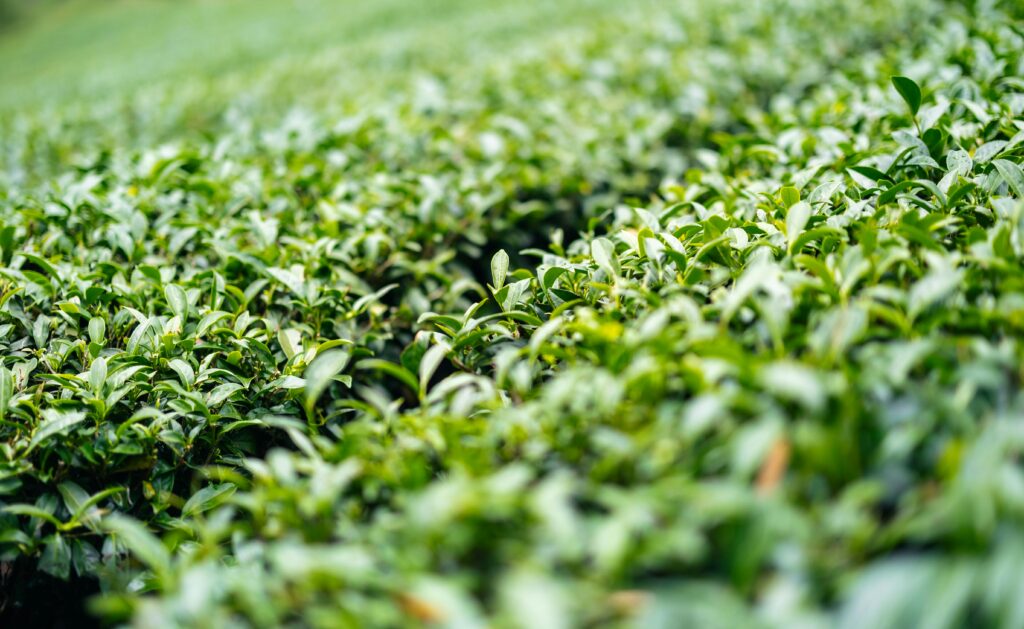
Hwagae is a historic tea region in South Korea's Hadong County, known for green tea cultivation since 828 AD near Jiri Mountain's valleys and rocky terrain.
Hwagae Tea Region History and Production
Nestled in the foothills of Jirisan Mountain in Hadong County, Hwagae is South Korea’s birthplace of green tea cultivation. Tea growing began here in 828 AD when envoy Daeryeom brought seeds from Tang China and planted them near Hwagae Stream. That’s over 1,200 years of continuous tea heritage. Today, this mountainous region produces roughly 20% of Korea’s domestic tea, maintaining traditional hand-made methods that set it apart from mechanized operations elsewhere.
Geographic Conditions That Shape Tea Character
The region’s terrain creates a microclimate you won’t find replicated easily. Tea bushes grow at elevations between 200 and 600 meters, where cool, foggy mornings and high humidity define the growing environment. Rocky soil with valleys and natural drainage channels provides ideal conditions for tea roots. The Seomjin River and Hwagae Stream contribute moisture, while Jirisan’s slopes offer protection from harsh weather. Wild tea plants, descendants of those original 9th-century plantings, still thrive in valleys alongside cultivated bushes. This combination of semi-wild growth and traditional cultivation produces teas with distinctive flavor profiles.
Traditional Tea Production Methods
Hwagae maintains hand-picking practices that many larger regions abandoned decades ago. Small family farms harvest young leaves and buds during specific seasons, starting with Ujeon in early spring (April) when tender first-flush leaves emerge. Production continues through May and June with Saejak and Jungjak harvests. Farmers process leaves using techniques passed down through generations, focusing on green tea varieties that showcase the region’s terroir. While Hwagae doesn’t have a long matcha tradition like Japan, producers here grind high-quality green teas into powder form. The same leaves used for traditional Korean green tea can become matcha when stone-ground, offering brands access to Korean-grown alternatives.
What Makes Hwagae Tea Distinctive
Several factors separate Hwagae from other Korean tea regions like Boseong or Jeju Island. The region’s approach emphasizes artisanal quality over volume. Here’s what defines Hwagae tea:
- Wild and semi-wild tea bushes that contribute complex flavors from natural growth patterns
- Hand-made processing that preserves delicate leaf characteristics
- Rocky, well-drained soil that stresses plants beneficially, concentrating flavor compounds
- Cool, misty climate that slows growth and develops nuanced taste profiles
The FAO recognized Hadong’s tea agricultural system as a globally important heritage site because of how farmers adapted cultivation to mountainous, challenging terrain. This recognition reflects centuries of ecological balance between human cultivation and natural growth. For matcha vendors sourcing beyond Japan, Hwagae offers green tea with legitimate historical depth and unique growing conditions. The region’s commitment to traditional methods means smaller yields but potentially more interesting flavor development. When you’re comparing matcha sources, understanding that Hwagae-grown powder comes from this specific combination of wild genetics, mountain terroir, and hand-crafted processing helps explain its character and value in the marketplace.
Hwagae-myeon sits at the northwestern end of Hadong County in Gyeongsangnam-do, Korea, nestled against the slopes of Jiri Mountain. The region covers about 134 square kilometers with nearly 6 square kilometers dedicated to traditional tea cultivation.
What sets this area apart is its steep mountainous terrain with slopes often reaching 60-degree angles. Tea fields are scattered along rocky valleys near Hwagaecheon Stream and the Seomjin River, typically at elevations between 100-400 meters, though some reach 800 meters. The landscape is 91% forest, creating a biodiverse ecosystem where tea plants grow alongside native flora.
The region benefits from warm winds flowing from the South Sea and Seomjin River, while Jiri Mountain shields it from harsh cold winds. Frequent fog along the streams keeps the soil moist and cool, perfect conditions for tea cultivation.
Tea cultivation in Hwagae began approximately 1,200 years ago in 828 AD during the Silla Dynasty. Kim Daeryeom introduced tea to the region by royal order, establishing the first tea field near Ssanggye Temple at the base of Jiri Mountain.
This makes Hwagae Korea's oldest continuous tea-growing region. Buddhist monks initially managed tea agriculture, and their methods were later passed down to local farmers. The oldest tea tree in Korea, estimated between 500-1,000 years old, still stands in the Dosim Tea Field in Hwagae.
Hwagae specializes in traditional hand-roasted green tea, where leaves are roasted in iron pots using methods preserved for centuries. The region also produces jaeksal, a unique fermented folk tea used both as a beverage and traditional medicine.
While Hwagae doesn't traditionally produce ceremonial matcha in the Japanese style, some producers now create Korean green tea powder from Hwagae-grown leaves. This powder is ground from the same high-quality tea plants cultivated on Jiri Mountain's slopes, offering a Korean alternative to Japanese matcha. The tea leaves harvested mid-April to early May are considered the highest quality.
Hwagae tea plants have developed unique genetic traits that distinguish them from Japanese and Chinese varieties. Growing on steep, rocky slopes with minimal artificial intervention, these plants adapted by developing deeper taproots that anchor them in challenging terrain.
- The plants exhibit stronger flavor profiles due to their mountain environment
- They're cultivated using organic methods, including pulbibae (composting with fallen leaves and wild grass)
- Tea trees grow scattered across natural landscapes rather than in uniform terraced rows
- The biodiversity of the surrounding forest influences the tea's character
These adaptations create tea with distinctive taste characteristics compared to plants grown in flatter, more controlled environments like Boseong or other mechanized tea regions.
Yes, you'll find green tea powder produced from Hwagae-grown leaves, though it's marketed as Korean green tea powder rather than traditional Japanese matcha. Products like those from Hwagae Nonghyup use tea cultivated in the Hadong region around Jiri Mountain.
The powder is made from the same high-quality tea plants that thrive in Hwagae's unique mountain environment. It's finely milled for smooth blending and carries the characteristics of Korean tea cultivation—deeper roots, organic farming methods, and the influence of Jiri Mountain's terroir. When comparing options, you can look for products specifically mentioning Hadong or Hwagae as the source region.
Hwagae maintains traditional, labor-intensive cultivation methods that contrast sharply with mechanized tea production. Here's what makes it different:
Tea leaves are hand-picked individually, especially for premium grades. Farmers use manual pruning techniques called gaengsin to shape trees for optimal harvest. Weed control happens by hand or with organic manure, and processing—roasting, cooling, rubbing, drying—is done manually.
Unlike the terraced fields of Boseong where machines can operate efficiently, Hwagae's tea plants grow on natural rocky slopes that don't accommodate mechanization. This results in smaller production volumes but higher quality, artisan tea. The focus is on preserving 1,200 years of tea culture rather than maximizing yield.