Who is Fukujuen?

Fukujuen is a historic matcha house from Uji, Kyoto, cultivating tea since 1790 under oishita shading. Its range spans delicate usucha to deep umami blends, stone-ground on slow granite ishiusu mills to preserve flavor.

Named grades like Premium and Kanshono Mukashi highlight distinct ceremony profiles, while top leaves undergo tezumi hand-picking for peak character. Founded by Iuemon Fukui, the house also maintains the Yamashirokan archive of Edo-period records.

Videos

Fukujuen videos

Authentic Uji matcha masters since 1790

Browse the gallery to see 26 videos about matcha.

Fukujuen in details

Fukujuen stands as one of Japan’s most venerable tea houses, with roots stretching back to 1790 when Iyemon Fukui established the company in Kizugawa City, Kyoto. For over 230 years, this family-owned enterprise has dedicated itself to perfecting the art of Uji tea cultivation and production, becoming synonymous with premium Japanese green tea excellence.

A Legacy Rooted in Uji Tea Mastery

Founded in Yamashiro, the heartland of Uji tea production, Fukujuen began at a strategic location where the Kizu River facilitated trade connections to Osaka and Kobe. The founder planted tea seeds on temple grounds in Kyoto, creating what would become renowned for producing the highest quality tea leaves in Japan. During the Meiji era, Fukujuen pioneered the export of Uji tea to Europe and America, introducing the world to authentic Japanese tea culture through innovative processing methods.

Blending Tradition with Innovation

Fukujuen’s approach combines centuries-old craftsmanship with modern technology. The company operates state-of-the-art facilities including the CHA Research Centre in Kansai Science City, where master tea artisans work alongside advanced production systems. This fusion ensures thorough quality management while preserving traditional techniques passed down through generations.

The brand holds prestigious certifications including ISO9001 for product quality, ISO14001 for environmental management, and FSSC 22000 for food safety. These credentials demonstrate Fukujuen’s commitment to meeting international standards while maintaining Japanese authenticity.

Premium Product Range

Fukujuen offers an extensive selection of Japanese green teas, including:

  • Matcha – ceremonial grade powdered tea for traditional tea ceremonies
  • Gyokuro – premium shade-grown tea with sweet, rich flavor
  • Sencha – Japan’s most popular green tea with refreshing taste
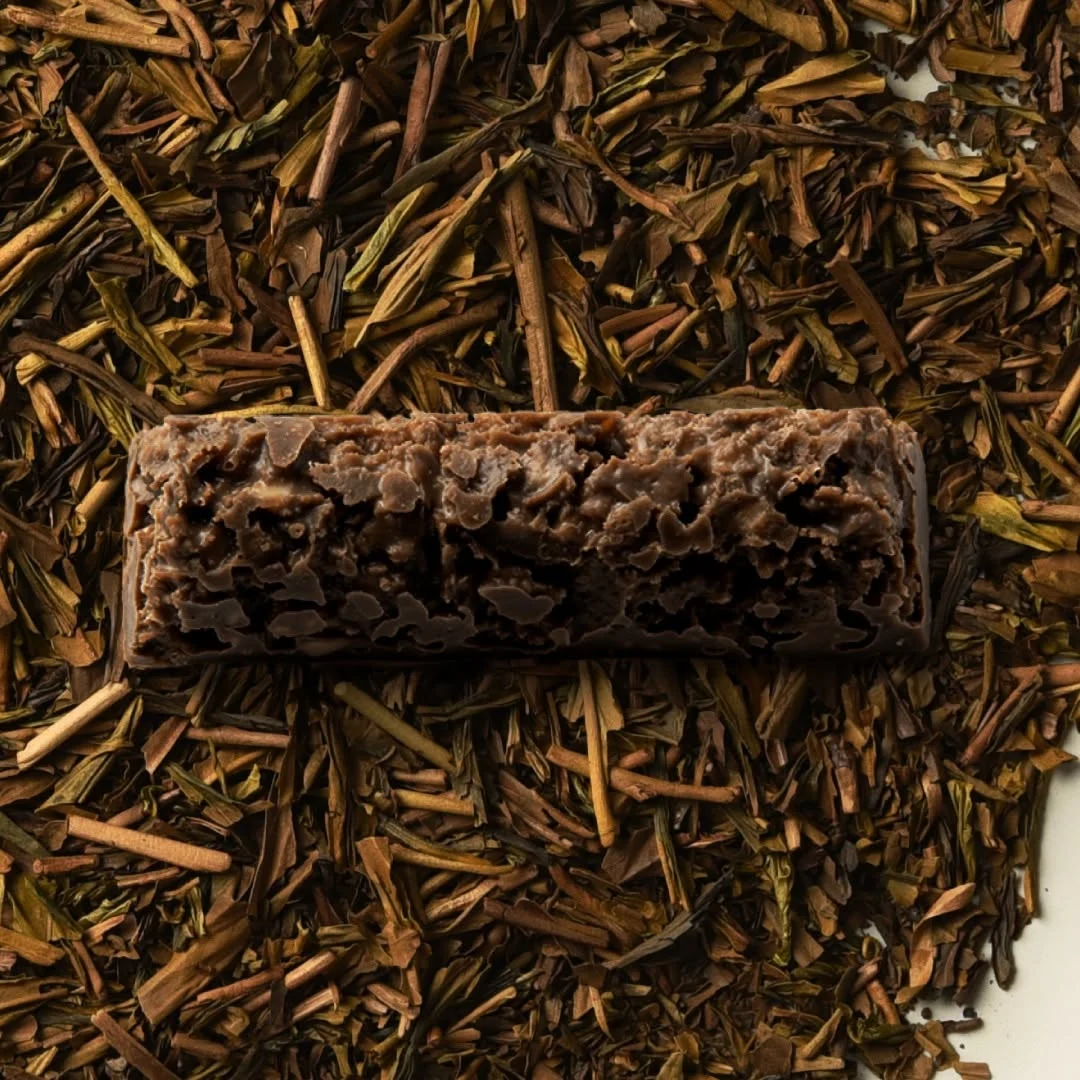
  • Hojicha – roasted green tea with fragrant, mild character

Each product line reflects Fukujuen’s dedication to authentic Uji tea production, from carefully shaded cultivation to precise stone-grinding techniques.

Cultural Ambassadors

Beyond tea production, Fukujuen operates multiple experience facilities in Kyoto, including the flagship store on Shijō-dori, Uji Studio, and CHA Experience Park. These venues invite visitors to immerse themselves in Japanese tea culture through hands-on experiences and education. The company’s mission extends beyond commerce to preserving and sharing the timeless tradition of Japanese tea ceremony with global audiences, ensuring this cultural heritage thrives for future generations.

About the Fukujuen Matcha

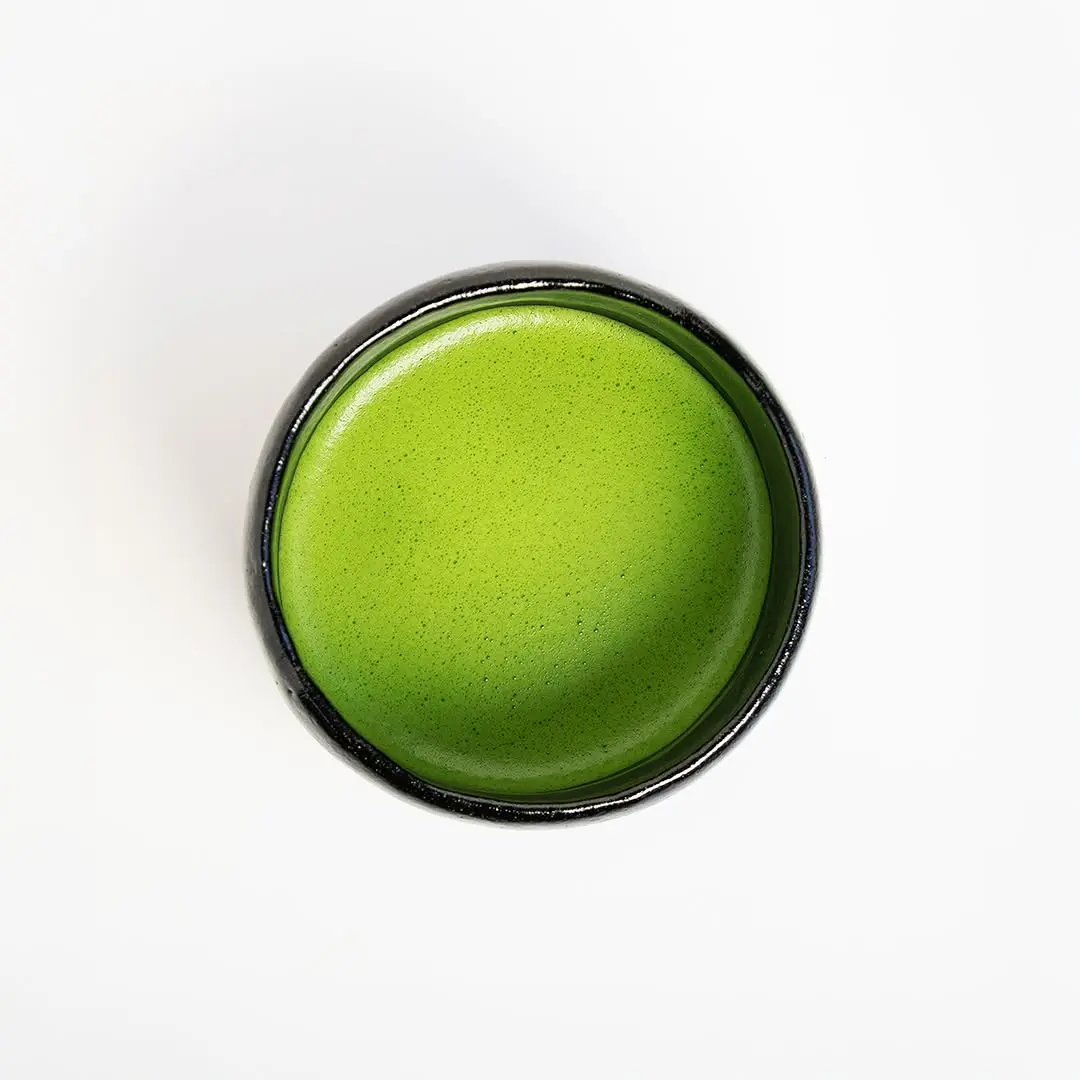
Fukujuen's Uji matcha spans several grades, each designed for a specific purpose and palate and drawn from over 230 years of tea mastery.

The grades

  • Premium: intense umami balanced with subtle sweetness and creamy, nutty undertones, with a fragrant aroma ideal for tea ceremony.
  • Excellent: vibrant and smooth with harmonious sweetness and brisk bitterness, fresh like cut grass and spring blossoms.
  • Hisen: delicate and nuanced with subtle sweetness, gentle umami, and clean marine notes, made as a lighter usucha.
  • Kanshono Mukashi: bold and assertive with deep umami, a whisper of astringency, and earthy notes of roasted chestnut and nori.

Stone-ground processing

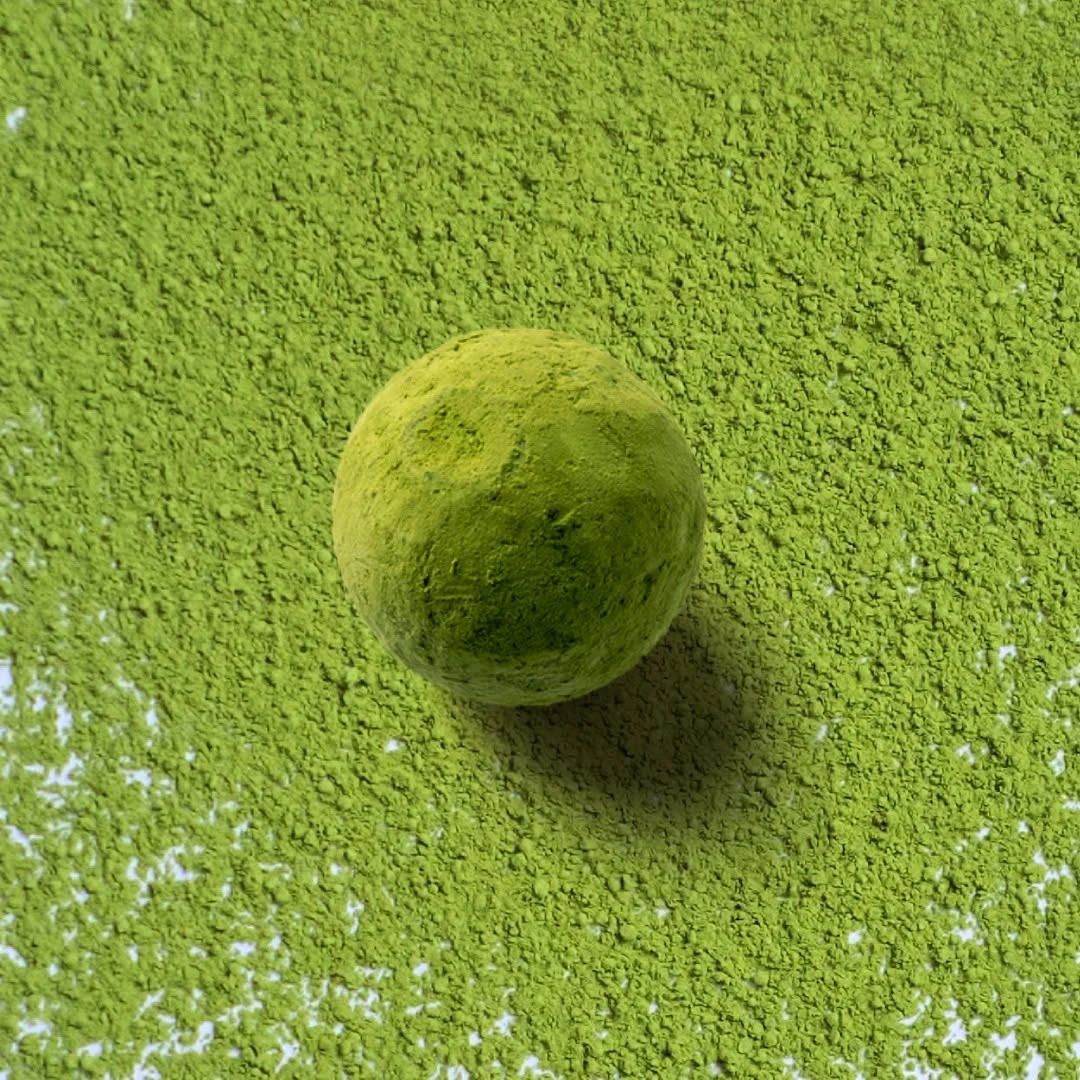
All Fukujuen matcha is stone-ground on granite ishiusu mills, grinding tencha into micro-fine powder just a few microns across. The slow grind prevents overheating and preserves the tea's delicate flavor and aroma.

Harvest location

Fukujuen sources its premium matcha from the renowned Uji tea region of Kyoto, where the house has cultivated tea for over two centuries.

Shading and picking

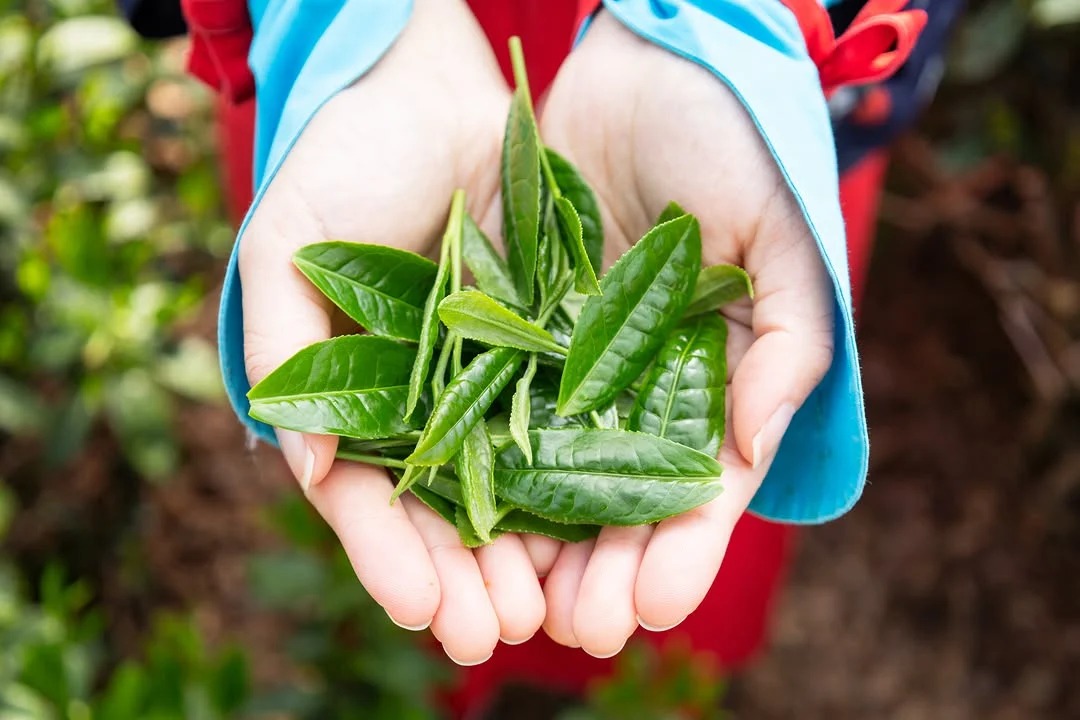
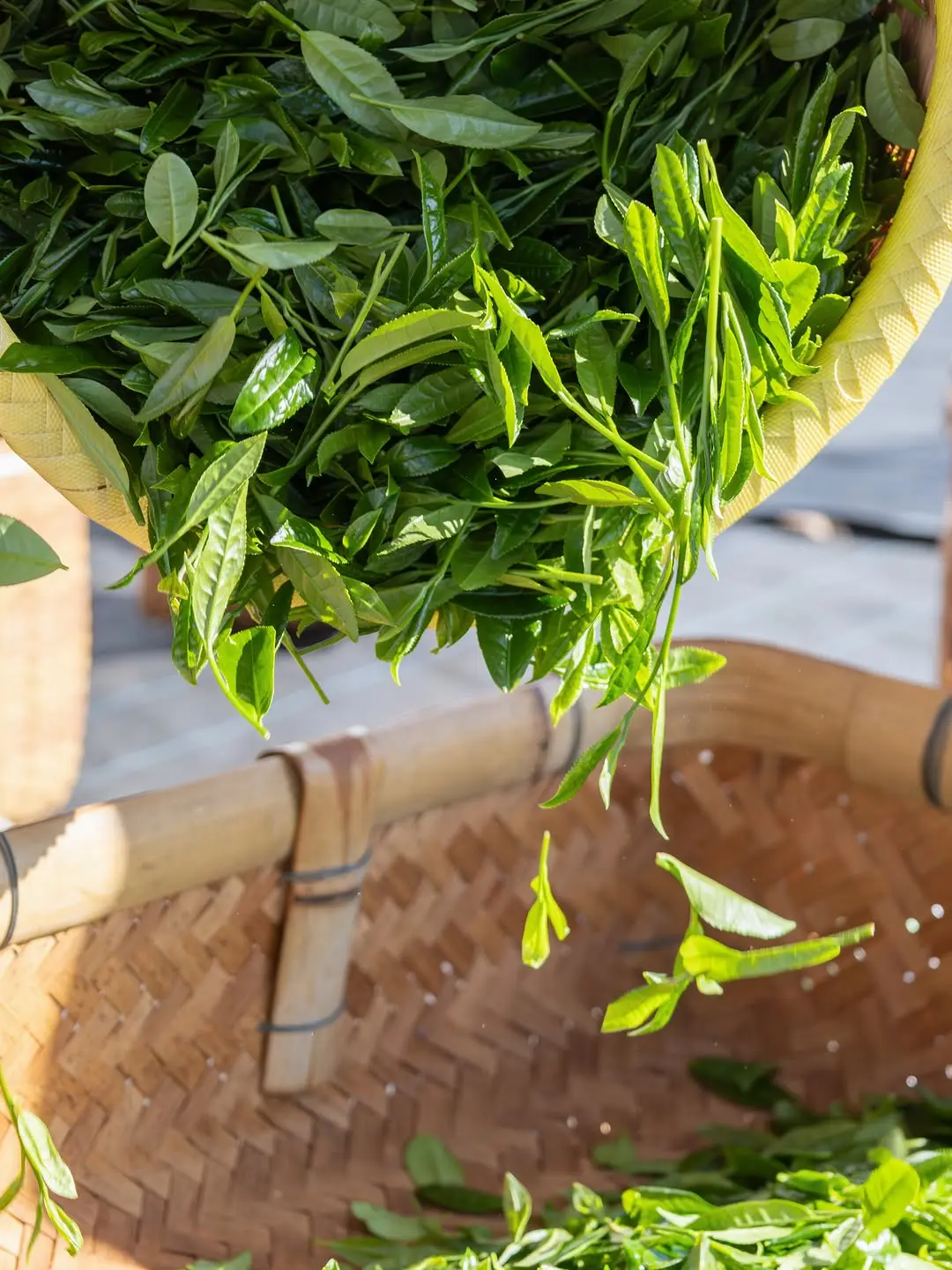
Several weeks before harvest, the bushes are covered with tarps or reed screens in a process called oishita. This shading raises chlorophyll for a vibrant green colour and accumulates L-theanine for umami while suppressing catechins that cause bitterness. Fukujuen focuses on young buds and the two newest leaves, and for its highest grade uses tezumi hand-picking, with experienced workers selecting each leaf by size, colour and texture.

Processing

The first flush is picked from late April to mid-May. Harvested leaves are steamed within hours to halt oxidation, then dried in rooms with controlled warm-air circulation. After stems and veins are sorted out, the resulting tencha is ready for stone-grinding into matcha powder.

Fukujuen History

Fukujuen was founded in 1790 by Iuemon Fukui in Kizugawa City, growing into a shaping force in Japan's Uji tea trade.

During the Meiji era, it pioneered direct tea exports to Europe and America and showcased Uji tea at international expositions. It later introduced mechanized steaming and rolling, and its Yamashirokan center preserves records of tea production since the Edo period.

January 1, 1790

Iuemon Fukui founded Fukujuen in Kizugawa City, establishing what would become a transformative force in Japan's tea industry. The company began its journey not merely as a tea seller, but as an innovator that would reshape the Uji tea landscape through bold vision and technological advancement.

January 1, 1868

During the Meiji era, Fukujuen boldly pioneered direct exports to Europe and America while other companies remained insular. This strategic move effectively branded Uji tea on the global stage, with the company actively participating in international expositions to showcase Japanese tea culture and establish Uji tea as a premium product.

January 1, 1900

Fukujuen embraced technological advancements by introducing mechanized steaming (seijou) and rolling techniques that revolutionized processing efficiency and consistency. These innovations were crucial in maintaining tea's delicate flavor profile and enabling Uji tea to compete with emerging tea regions worldwide.

January 1, 1950

The establishment of the Fukujuen Yamashirokan cultural center marked the company's commitment to preserving Japanese tea heritage. This facility displays tools, materials, and historical records chronicling the evolution of tea cultivation and production since the Edo period, serving as both museum and educational center.

Frequently asked questions

Here are some frequently asked questions and answers.

What's the difference between Fukujuen's Kanshono Mukashi and Hisen matcha grades?

Kanshono Mukashi delivers a bold, assertive experience with deep umami and whisper of astringency, featuring robust earthy aromas with notes of roasted chestnuts and nori seaweed. It's crafted for those seeking an intense matcha experience.

Hisen offers the opposite approach - delicate and nuanced with subtle sweetness and gentle umami, plus clean, refreshing aromas with marine notes. Hisen is designed for everyday enjoyment as a lighter usucha (thin tea).

Can I visit Fukujuen Yamashirokan to learn about their tea history?

Yes, the Fukujuen Yamashirokan serves as their cultural center, displaying the actual tools, materials, and historical records that chronicle tea cultivation and production evolution since the Edo period. This facility showcases Fukujuen's journey from their 1790 founding by Iuemon Fukui through their pioneering role in exporting Uji tea to Europe and America during the Meiji era.

Why does Fukujuen use both machine harvesting and tezumi hand-picking methods?

Fukujuen reserves the ancient art of tezumi (hand-picking) exclusively for their highest-grade matcha, while using machine harvesting for efficiency on other teas.

  • Hand-picking advantages: Skilled pickers select each leaf based on size, color, and texture, focusing on shin芽 (young buds) and two newest leaves
  • Quality impact: This hyper-selective harvesting ensures only the absolute best leaves make it into premium grades
  • Precision: Level of discernment simply unattainable with mechanized methods

How does Fukujuen's stone-grinding process with ishiusu mills affect their matcha quality?

Fukujuen's traditional ishiusu (stone mills) create matcha with particle sizes of just a few microns through slow, deliberate grinding by skilled artisans. The granite mills prevent overheating during the grinding process, which is crucial for preserving the tea's delicate flavor and aroma compounds that would be damaged by faster, heat-generating methods.

Which Fukujuen matcha grade should I choose for culinary applications versus traditional tea ceremony?

For culinary use, choose Eishou No Mukashi - its robust, full-bodied profile with pronounced earthiness and hints of dark chocolate stands out in pastries and savory dishes.

For traditional ceremony, select Kiku no Mukashi with its delicate floral and vegetal notes, pronounced sweetness, and velvety texture. The intensely floral aroma reminiscent of jasmine and honeysuckle makes it ideal for special occasions and quiet contemplation.