
Who is Matchaful?

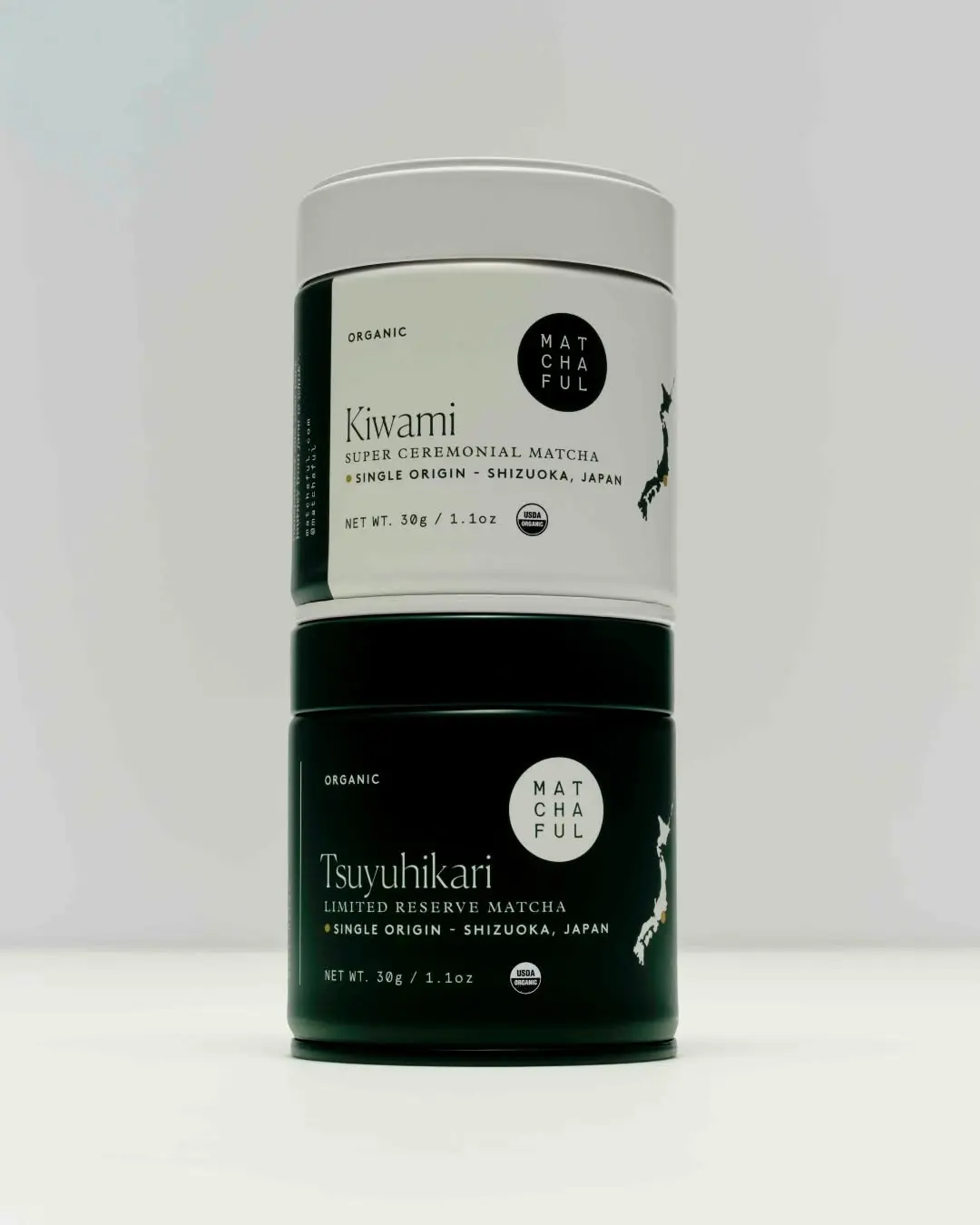
Matchaful is a Brooklyn-born matcha brand sourcing ceremonial-grade teas from family farms in Shizuoka and Uji. Its collection includes creamy Hikari Single Origin, bold Kiwami Single Cultivar, and Tsuyuhikari Limited Reserve.

Farm partners use kabuse shading before harvest to raise chlorophyll and deepen umami. Higher grades use tezumi hand-picking, while Kiwami comes from pesticide-free, organically fertilized Okumidori plants.

Videos

Matchaful videos

Brooklyn-born sustainable ceremonial matcha since 2012

Browse the gallery to see 26 videos about matcha.

Matchaful in details

Matchaful emerged from founder Hannah Habes’ personal quest for natural wellness solutions, transforming her Brooklyn apartment into the launchpad for a matcha brand built on transparency and sustainability. What began in 2012 has grown into a trusted source for organic ceremonial matcha sourced exclusively from a fourth-generation family farm in Shizuoka Prefecture, Japan.

Farm-to-Whisk™ Philosophy

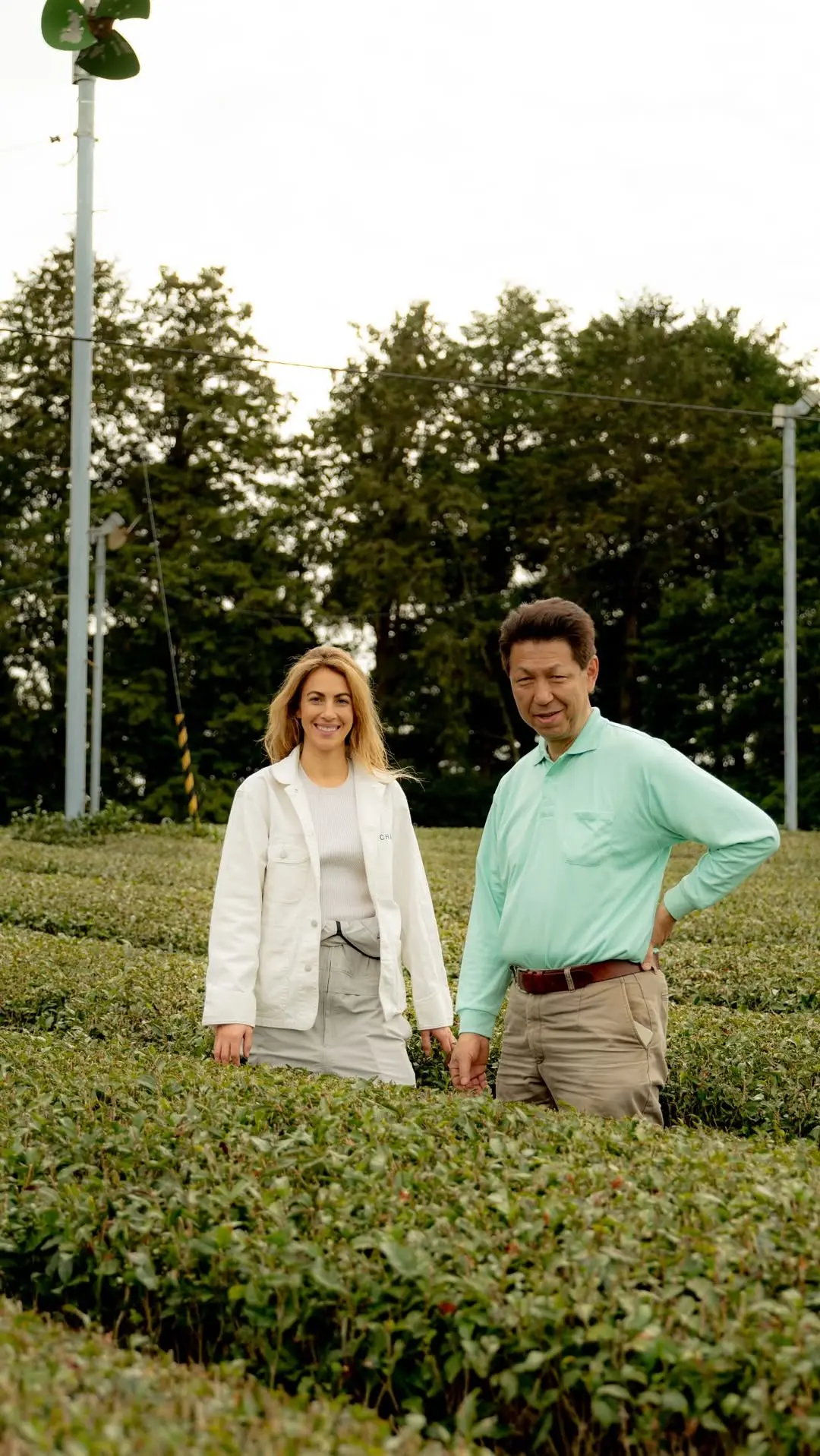
The brand’s distinctive approach centers on direct relationships with Japanese tea farmers who have perfected their craft across generations. Matchaful visits their partner farm biannually, ensuring quality standards and maintaining the personal connections that define their supply chain.

This commitment extends to environmental practices. The Shizuoka farm uses solar panels for both shading tea plants and powering operations, relies on organic compost fertilization, and eliminates pesticides entirely. Every batch is ground to order and delivered within three months to prevent oxidation, guaranteeing maximum freshness and potency.

Ceremonial Grade Selection

The ceremonial matcha collection features three distinct offerings, each showcasing the farm’s terroir and expertise. Hikari Single Origin Matcha delivers smooth, naturally sweet flavor profiles high in L-theanine, available in 30g and 100g sizes for daily enjoyment.

For those seeking refined complexity, Kiwami Single Cultivar Matcha represents hand-picked first harvest leaves with exceptional creaminess. The limited Tsuyuhikari Reserve offers collectors and enthusiasts a rare expression of traditional Japanese tea cultivation methods.

Beyond the Bowl

While matcha remains the cornerstone, Matchaful has expanded thoughtfully into complementary categories. Their product range includes:

  • Houjicha for roasted tea enthusiasts
  • Housemade granola and chocolate crafted without refined sugars
  • Curated tools, ceramics, and gift sets
  • Flexible subscription options for regular matcha drinkers

Transparency as Standard

Where many brands obscure their sourcing, Matchaful makes supply chain visibility central to their identity. Customers know exactly where their matcha originates, how it’s grown, and when it was ground. This single-origin focus allows the natural characteristics of Shizuoka terroir to shine through in every cup.

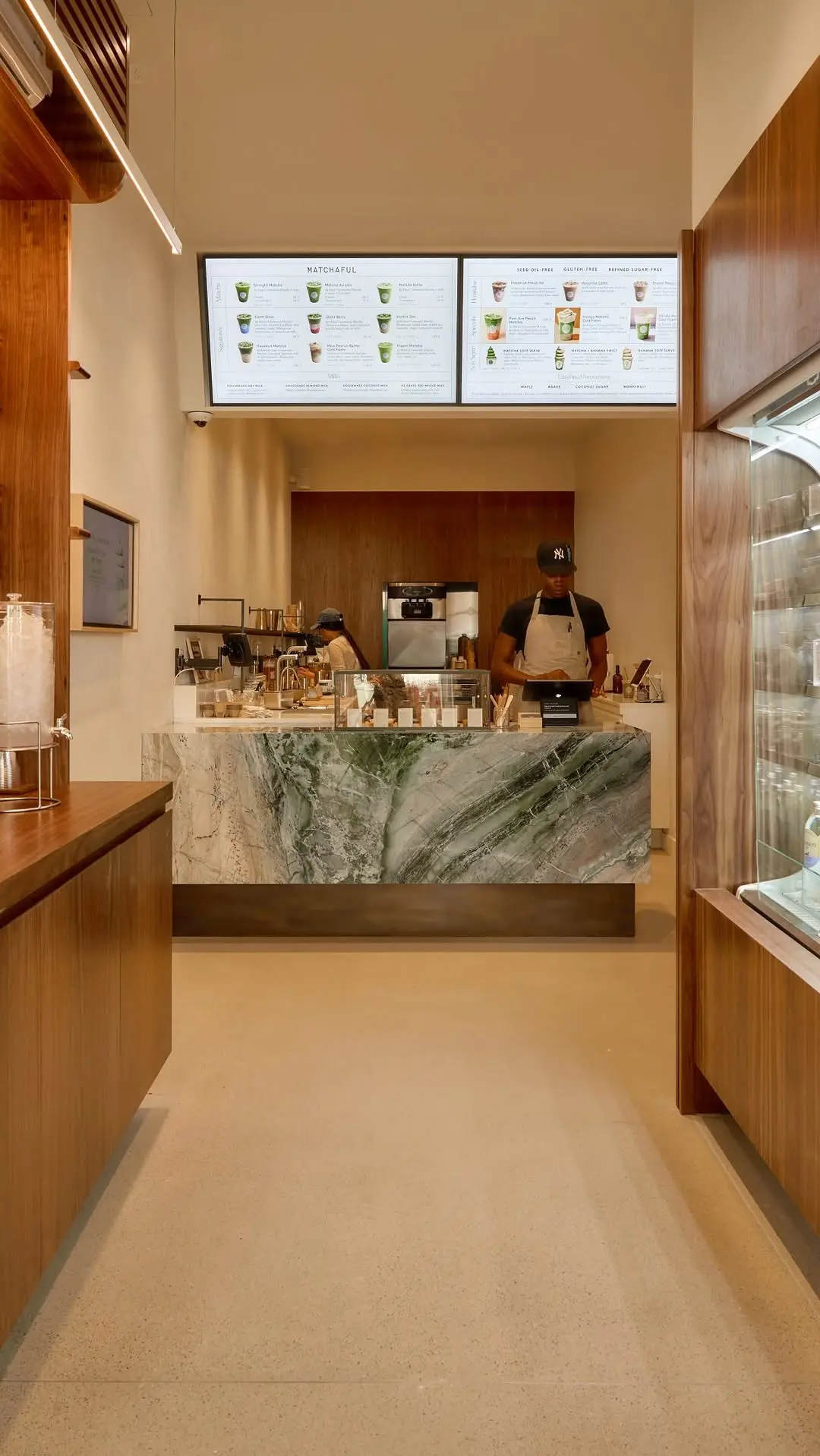
The brand’s wabi-sabi inspired cafés in Manhattan extend this philosophy into physical spaces, creating farm-to-whisk experiences that honor ancient Japanese principles while serving contemporary wellness needs.

About the Matchaful Matcha

Matchaful offers a curated selection of ceremonial-grade matcha, each with a distinct character for different preferences and preparation methods.

Core collection

  • Hikari Single Origin — smooth, creamy, versatile flagship with notes of walnut, lemon, and butter; ideal for usucha (thin tea) and lattes.
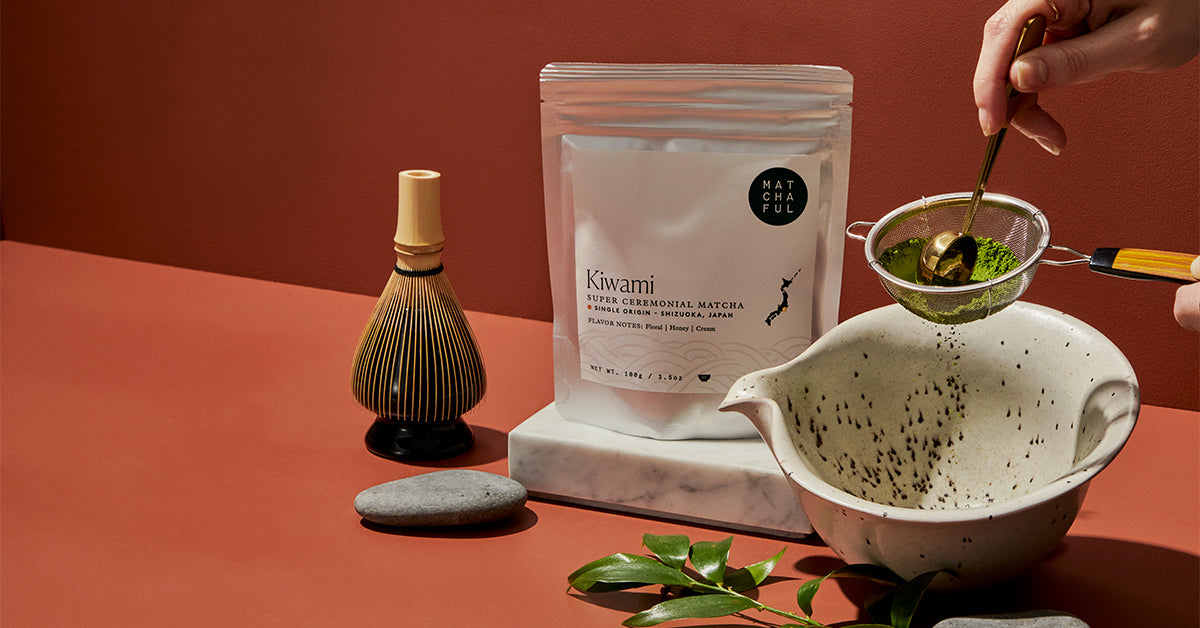
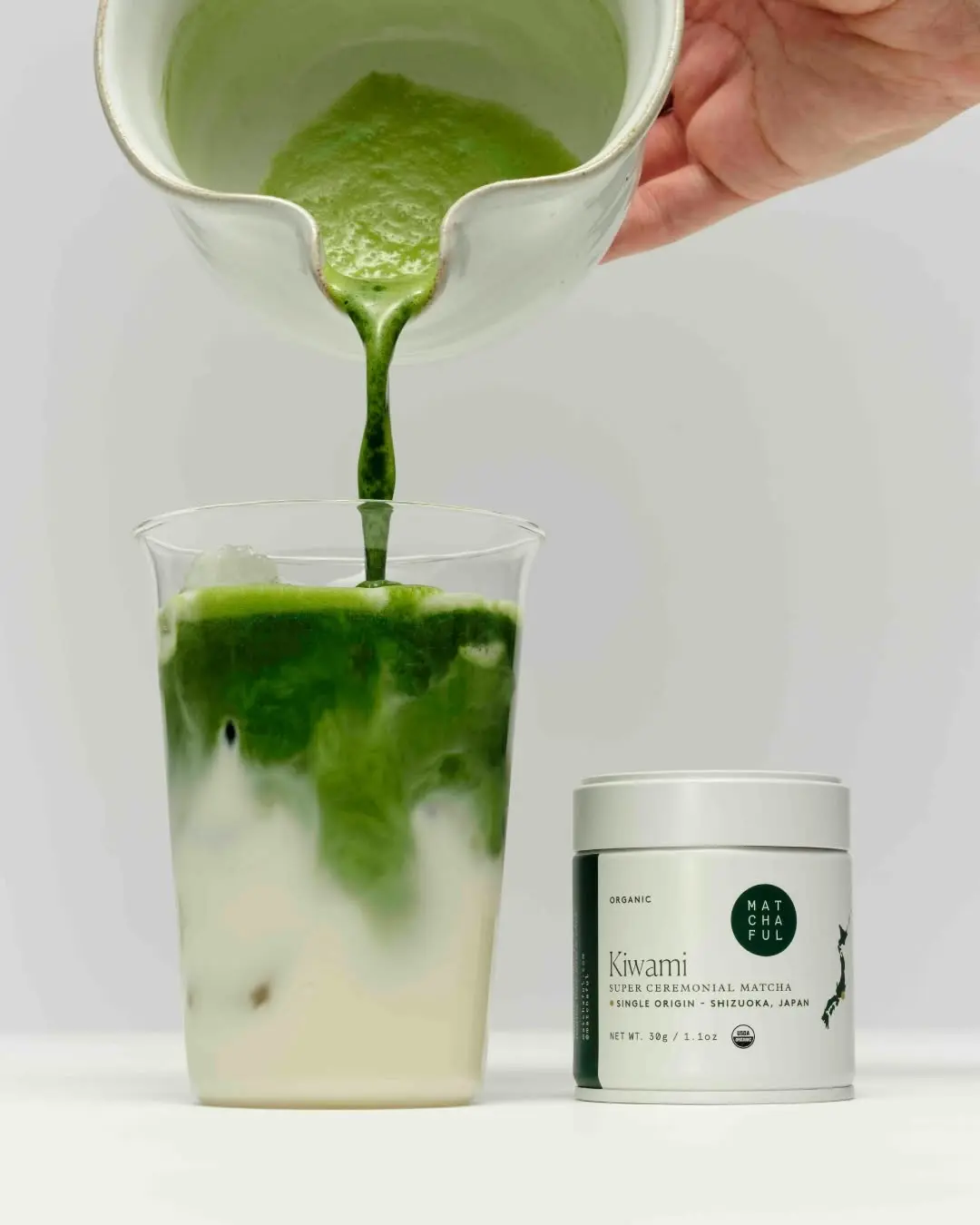
  • Kiwami Single Cultivar — bold and traditional from the Okumidori cultivar, grown pesticide-free and organically fertilized, with pronounced astringency, nutty undertones, and strong umami.
  • Tsuyuhikari Limited Reserve — the connoisseur's choice from the rare Tsuyuhikari cultivar, vibrant green with balanced sweetness, vegetal notes, and a lingering finish; suits ceremonial and latte use.

Each grade reflects a focus on quality and the subtle distinctions between matcha origins and cultivars.

Harvest location

Matchaful sources its matcha through direct partnerships with family farms in two renowned regions, Shizuoka and Uji. Its farm-to-whisk approach prioritizes transparency and ethical practice across the supply chain.

Sustainable Farming

The primary Shizuoka farm uses solar panels that power operations and create natural shade. Farms follow the traditional kabuse shading technique, covering bushes weeks before harvest to raise chlorophyll and deepen umami, and repurpose tea stems into kukicha to minimize waste.

Harvest and Cultivars

Matchaful uses tezumi hand-picking for higher grades, selecting the youngest, most delicate leaves for a smoother tea than machine harvesting. The Okumidori cultivar in its Kiwami matcha is grown pesticide-free with organic fertilization, reflecting the partner farms' commitment to clean cultivation.

Matchaful History

Matchaful was founded in 2012 by Hannah Habes from her Brooklyn apartment, following a personal health transformation inspired by her simple daily matcha ritual and a vision to make sustainably sourced matcha more widely accessible.

The company officially launched in 2015 with direct partnerships established with family farms in Shizuoka and Uji, Japan. A 2017 pop-up at Smorgasburg raised brand awareness and marked a major milestone in its early growth.

January 1, 2012

Hannah Habes founded Matchaful from her Brooklyn apartment following a personal health transformation, inspired by her daily matcha ritual and driven by a mission to bring organic, sustainably sourced matcha to more people.

January 1, 2015

Matchaful officially launched with direct relationships established with Japanese family farms in Shizuoka and Uji, Japan, setting a precedent for transparency and quality through their farm-to-whisk approach.

January 1, 2017

The successful launch of a pop-up at Smorgasborg significantly raised brand awareness and marked a major milestone in Matchaful's growth, helping establish their presence in New York City's food scene.

January 1, 2025

A 2025 analysis indicated the presence of toxicants in Matchaful Kiwami, highlighting the importance of informed consumer choices and the need for continued independent testing and transparent sourcing information.

Frequently asked questions

Here are some frequently asked questions and answers.

Where does Matchaful source its matcha?

Matchaful works directly with family farms in Shizuoka and Uji, Japan. Its primary Shizuoka source is a fourth-generation family farm. The brand’s farm-to-whisk approach emphasizes transparent sourcing, personal relationships with growers, and visibility into where the tea originates, how it is cultivated, and when it is ground.

What is Matchaful’s Farm-to-Whisk approach?

Matchaful’s Farm-to-Whisk approach centers on direct relationships with Japanese family farms and transparency throughout the supply chain. The brand visits its partner farm twice a year, monitors quality standards, and shares information about the matcha’s origin, cultivation, and grinding. Its sourcing model also highlights sustainable and ethical farming practices.

How do Matchaful’s Hikari, Kiwami, and Tsuyuhikari matchas differ?

Hikari is a smooth, creamy, versatile single-origin matcha with walnut, lemon, and butter notes. Kiwami is a bold Okumidori single-cultivar tea with pronounced astringency, nutty undertones, and strong umami. Tsuyuhikari Limited Reserve offers balanced sweetness, vegetal notes, vibrant color, and a lingering finish.

How are Matchaful’s higher-grade teas cultivated and harvested?

Partner farms use kabuse shading before harvest to increase chlorophyll and deepen umami. Matchaful’s higher grades use tezumi hand-picking to select young, delicate leaves. Its Kiwami matcha comes from Okumidori plants grown without pesticides and fertilized organically, while tea stems are repurposed as kukicha to reduce waste.

When and where was Matchaful founded?

Hannah Habes founded Matchaful from her Brooklyn apartment in 2012 after a personal experience with a daily matcha ritual. The company officially launched in 2015 and established direct partnerships with family farms in Shizuoka and Uji. A later pop-up at Smorgasburg helped increase the brand’s visibility in New York City.