

🍵 NEW — The Best Matcha Discovery Box. Vote for the brands YOU want to try → Vote HERE ←
Health & Wellness Research is scientific investigation using clinical trials and laboratory studies to examine matcha’s bioactive compounds and health effects.
Matcha health benefits explained honestly — antioxidants, L-theanine, heart & brain. What studies show, and where the evidence is thin.
Does matcha help with weight loss? See what the science really says, how to use it, and the best matcha for weight loss to try.
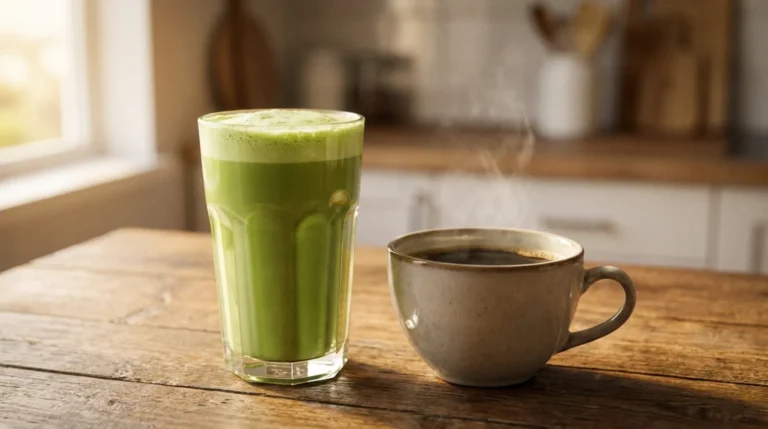
Matcha vs coffee: real caffeine numbers, the L-theanine difference, crash risk, antioxidants, and which to reach for based on your day.
Matcha has ~20–45 mg of caffeine per gram, or ~40–135 mg per cup. Clear mg tables, coffee comparison, and why it hits differently.
Understand what science really proves about matcha’s health benefits. Learn more about its antioxidants and its effects on metabolism, cognition.
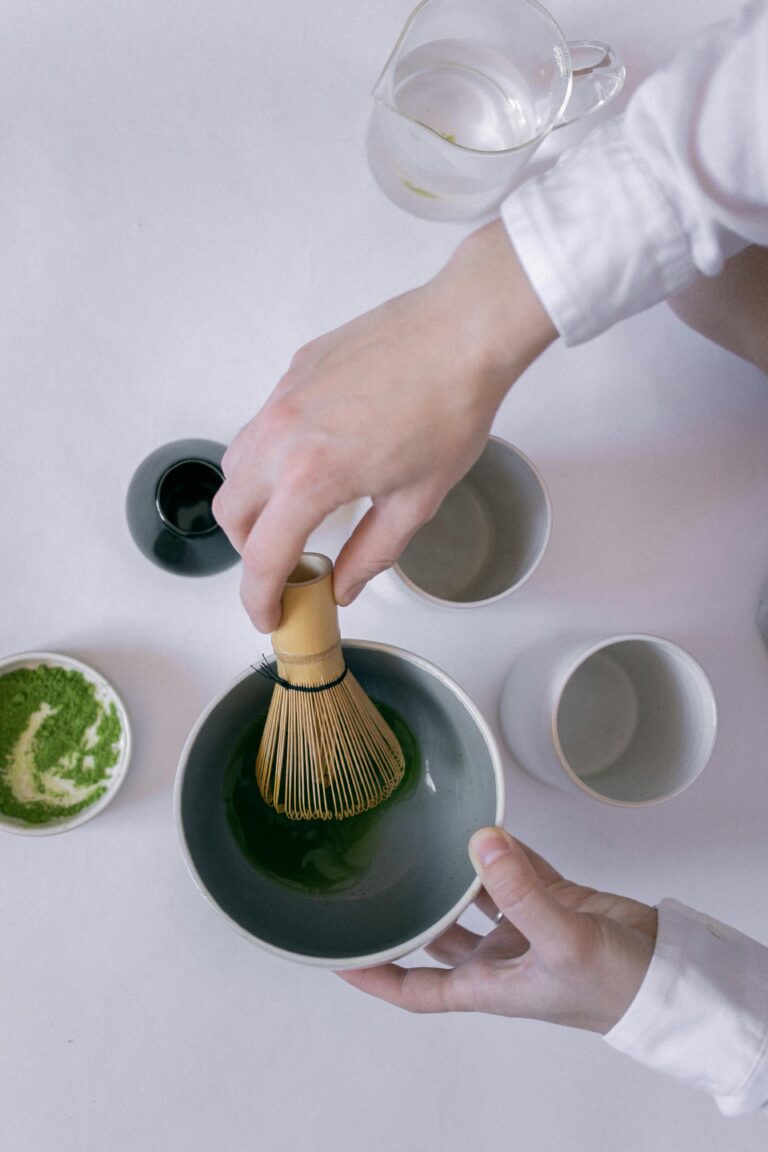
Compare matcha’s actual nutritional profile against coffee, green tea, and other options. Real data on antioxidants, vitamins, and minerals.
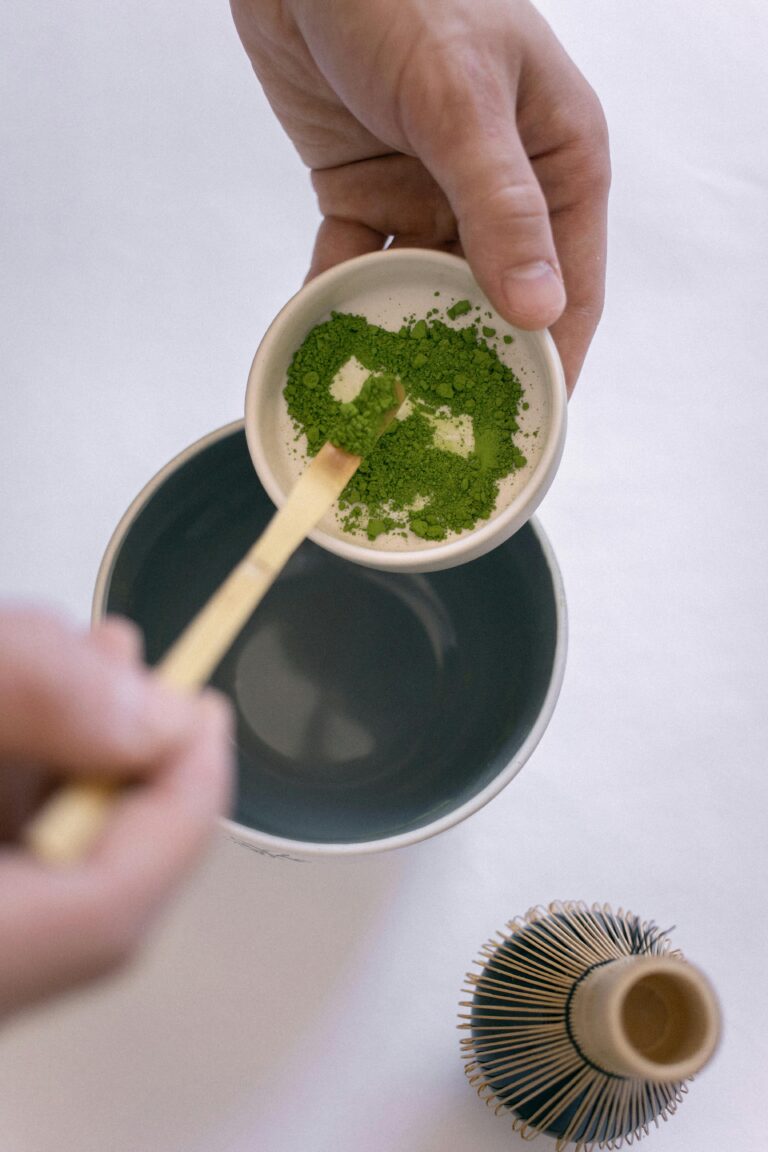
Understand what science really knows about matcha’s EGCG and antioxidants. Learn about research, bioavailability, and actual benefits.
Separate matcha facts from fiction. Evidence-based analysis of detox claims, weight loss promises, and other common marketing myths.
No matcha post matching your search. Reset filters?
Health and wellness research for matcha involves rigorous scientific methodologies to validate therapeutic claims and quantify bioactive effects. Researchers use randomized controlled trials, animal studies, and biochemical analyses to measure how matcha’s unique compounds impact human health. This research approach helps establish evidence-based benefits that distinguish matcha from other green teas.
Human clinical trials for matcha typically involve 23-54 participants over 2-12 week periods using randomized, placebo-controlled designs. Researchers measure cognitive function through attention tests, stress levels via cortisol markers, and metabolic parameters including glucose tolerance and lipid profiles. Recent trials show 2-3 grams daily matcha consumption reduces stress and anxiety while improving reaction time and memory function.
Studies use standardized cognitive batteries to assess working memory, attention span, and processing speed. Blood samples track biomarkers like inflammatory cytokines, antioxidant capacity, and neurotransmitter activity. Meta-analyses reveal catechins lower fasting blood glucose by 1.48 mg/dL, while caffeine content supports weight management through enhanced fat oxidation.
Research laboratories use chromatographic analysis to quantify matcha’s key compounds: catechins (especially EGCG), L-theanine, caffeine, and chlorophyll. EGCG crosses the blood-brain barrier to protect neurons from amyloid beta toxicity and reduce neuroinflammation. L-theanine modulates neurotransmitters to enhance neurogenesis and cognitive performance.
Scientists measure antioxidant capacity using ORAC values and track how compounds interact at cellular levels. Studies show matcha contains three times more catechins per serving than loose-leaf green tea because you consume the entire ground leaf. Quality standards require theanine levels above 17 mg/g for stress reduction benefits.
Mouse studies provide controlled environments to test matcha’s metabolic effects over 4-30 week periods. Researchers feed high-fat diets with 0.05%-1% matcha supplementation to measure:
Animal studies show matcha upregulates brain-derived neurotrophic factor and insulin-degrading enzyme while reducing oxidative stress markers. These findings guide human trial design and identify optimal dosing protocols.
Research-grade matcha testing includes standardized protocols for bioactive content verification. Japanese market matcha generally shows higher compound concentrations than international products. Analytical methods measure catechin profiles, caffeine content, chlorophyll levels, and umami amino acids that correlate with therapeutic potential.
Wellness programs now incorporate matcha based on research showing measurable cognitive enhancement and stress reduction. Clinical applications target metabolic syndrome management, though larger human trials are needed to confirm animal study results. Research supports developing matcha-based supplements with verified bioactive content for consistent health outcomes.
Use the links below to access more resources about japanese green tea. Our platform features the largest collection of matcha-related content and products.
Join our community to continue your matcha journey!
All the matcha brands that matter, sorted by region, harvest season, and what they’re actually good for.
Everything you actually need to know about matcha, from basic whisking to why some powder costs $100.
Shop directly from matcha sellers we trust – no dropshippers, no sketchy Amazon brands, just good tea.
Shop all matcha grades in one place – ceremonial for drinking, culinary for lattes, and everything between with honest pricing.

Join our mailing list to receive updates and exclusive tips.
There are no results matching your search