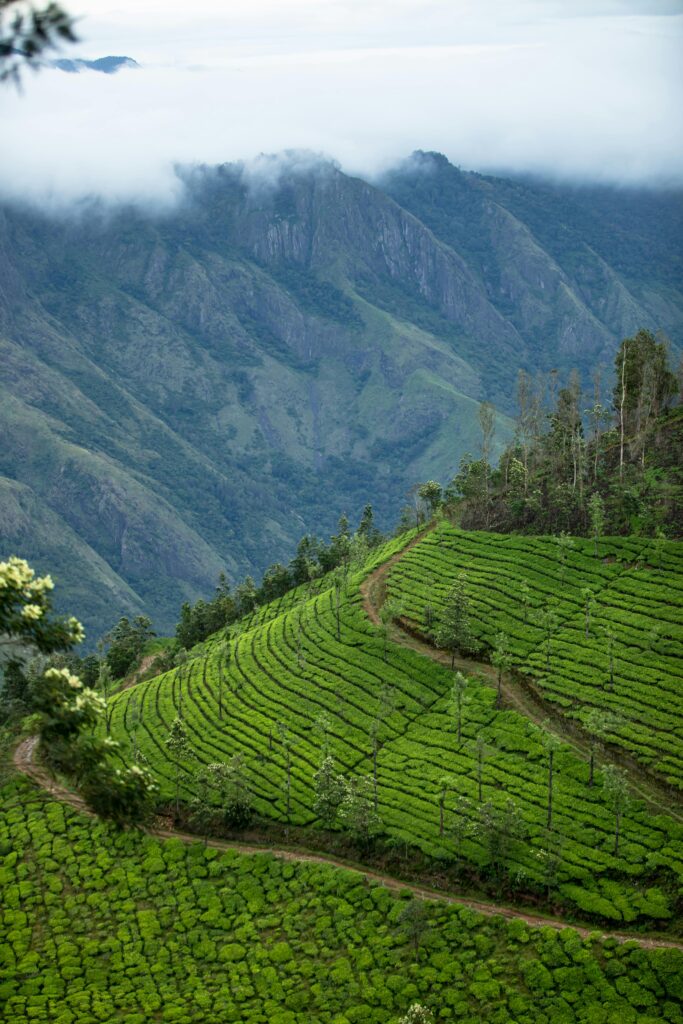
Son La is a mountainous province in Northwest Vietnam where matcha grows at elevations up to 1,800 meters, producing teas with natural sweetness and rich flavor.
Son La Matcha Growing Regions and Quality Insights
Son La Province is located in the mountainous northwest region of Vietnam, covering an area of approximately 14,000 square kilometers. The region’s elevation ranges from 100 to 2,900 meters above sea level, creating a unique climate ideal for tea cultivation. With hot, rainy summers averaging 27.4°C and cool, dry winters dropping to 14.4°C, Son La offers diverse conditions that influence the flavor and quality of its matcha tea. The province produces around 6,500 tonnes of tea annually, primarily from the districts of Moc Chau, Van Ho, and Thuan Chau.
Climate and Terrain Advantages
The mountainous terrain and climate play a crucial role in the development of tea plants. Annual rainfall averages 1,400 mm, mostly concentrated between April and September, which supports healthy growth during the wet season. The cool dry season from October to March slows the growth of tea leaves, allowing them to accumulate higher levels of amino acids and antioxidants, which contribute to the rich umami flavor characteristic of high-quality matcha. However, about 80% of the arable land is on slopes steeper than 15 degrees, posing challenges for cultivation but also enhancing drainage and soil quality.
Production Methods and Quality Standards
Local tea companies such as Moc Chau Tea Company and Thu Dan Tea Company focus on producing black, green, and Oolong teas for export. Thu Dan Tea Company manages 350 hectares and collaborates with 400 smallholder farmers, producing approximately 300 tonnes annually. Their entire output is exported to markets in Taiwan, Japan, and the Middle East. Farmers are increasingly adopting organic practices, shifting to a 70-30 ratio of organic to synthetic fertilizers. Many producers have obtained VietGAP certification and use integrated pest management techniques. Some teas are traceable via QR codes, ensuring quality and transparency. The Shan Tuyet variety, grown mainly in Moc Chau, is highly valued for its flavor, which is enhanced by the high-altitude terroir.
Growing Challenges and Soil Conditions
Steep slopes increase the risk of soil erosion, which farmers mitigate through agroforestry and conservation efforts. The acidic soils require careful management, especially when converting former maize fields into tea plantations. Labor shortages can affect harvest timing and the adoption of sustainable practices. Despite these challenges, Son La benefits from its proximity to Hanoi, just 4 to 8 hours by road, providing better market access than more remote regions. Provincial programs support cooperative development and organic agriculture transitions, helping farmers meet export standards while preserving the unique mountainous environment that gives Son La matcha its distinctive quality.
Son La's mountainous terrain creates a cool year-round climate that's perfect for developing complex tea flavors. Winter temperatures drop below 10°C while summers stay around 20°C, and the area experiences persistent cloud cover and fog. This high-altitude environment—with tea gardens reaching up to 1,800 meters above sea level—naturally slows leaf growth, allowing more time for amino acids and flavor compounds to develop. The cooler conditions also mean less stress on the plants, resulting in smoother, less astringent teas.
The differences come down to altitude and terroir. Son La sits at around 1,800 meters, while Thai Nguyen's tea hills range from 150-200 meters and Lam Dong occupies the middle ground at 800-1,000 meters. Thai Nguyen dominates Vietnam's tea production by volume and is known for varieties like Tan Cuong tea. Lam Dong specializes in high-grade oolong from areas like Bao Loc and Cau Dat, producing over 164,000 tons annually. Son La's higher elevation and ancient tea trees create deeper, more complex flavor profiles that distinguish it from these larger production areas.
Look for these visual cues:
- Vibrant green color indicates high chlorophyll content from proper shade-growing
- Fine, silky texture that feels smooth when rubbed between fingers
- Uniform powder consistency without clumps or coarse particles
- Avoid dull, yellowish, or brownish tones—these suggest oxidation or lower-grade leaves
Premium matcha from any location, including Son La, should have that electric bright green appearance. If it looks more like dried grass than jade powder, you're probably dealing with culinary grade or aged product.
Ancient tea trees—some centuries old—develop extensive root systems that pull minerals and nutrients from deep soil layers. This creates more nuanced flavor profiles with greater complexity than younger cultivated bushes. The trees in areas like Ngoc Chien commune have adapted to Son La's specific microclimate over generations, producing leaves with distinctive characteristics you won't find elsewhere. These old-growth trees also tend to have naturally lower yields, which concentrates flavors and makes the tea more sought-after.
Ceremonial grade uses the youngest, most tender leaves from the first spring harvest. It's stone-ground into an ultra-fine powder with a naturally sweet, umami-rich taste and minimal bitterness—meant for drinking straight with water. Culinary grade comes from later harvests or more mature leaves, resulting in a stronger, more bitter flavor that holds up when mixed into lattes, smoothies, or baked goods. The color difference is noticeable: ceremonial is vibrant jade green, while culinary leans toward muted or slightly yellowish-green. Both have uses, but ceremonial commands higher prices due to the careful selection and processing required.
Shading tea plants for several weeks before harvest triggers a survival response—the leaves produce more chlorophyll and L-theanine to maximize photosynthesis in low light. This creates that signature bright green color and boosts the sweet, umami character while reducing bitterness. In Son La's already cool, foggy climate, controlled shading amplifies these effects. The combination of natural cloud cover and intentional shade structures creates ideal conditions for developing the amino acid profile that separates premium matcha from standard green tea powder. Without proper shading, you'll get a more astringent, less vibrant product regardless of where it's grown.