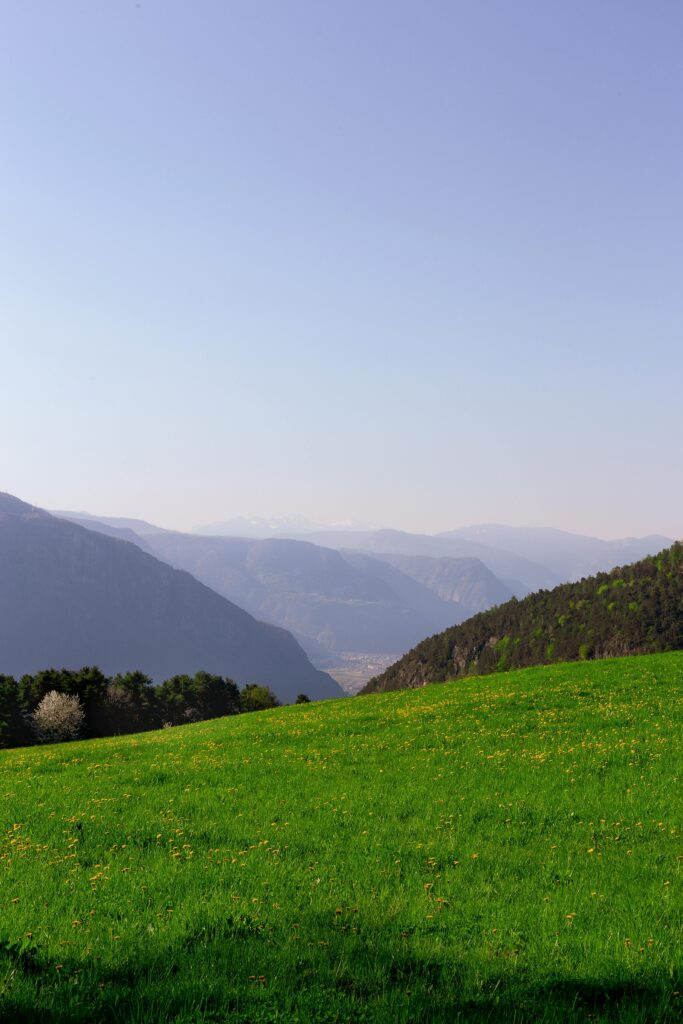
Hoa Binh is a mountainous province in northern Vietnam with subtropical climate and tea cultivation traditions that shape its unique green tea character.
Hoa Binh Matcha Production Insights and Regional Traits
Hoa Binh is a mountainous province in northwest Vietnam where tea cultivation thrives at elevations between 600 and 800 meters above sea level. The region’s tropical monsoon climate delivers 1,800 mm of annual rainfall and maintains 85% relative humidity, creating ideal conditions for green tea production that can be processed into matcha. Ethnic Muong communities cultivate ancient tea trees using organic methods, handpicking leaves at dawn when morning dew preserves freshness and aromatic compounds.
Climate and Terroir Advantages
The province experiences distinct seasons that shape tea quality. Summer months from April to September bring temperatures above 25°C with heavy rainfall, while winter temperatures drop to 16-20°C with minimal precipitation. This seasonal variation stresses tea plants in ways that concentrate flavor compounds. The red-yellow feralite soils in high mountainous areas contain 6-7% humus content, providing nutrients that support robust leaf development. Average temperatures around 23°C prevent the scorching heat that damages delicate tea leaves while maintaining growth throughout most of the year.
Traditional Cultivation Methods
Tea farmers in Hoa Binh work primarily through cooperatives like the Muong Do Bio-Tea Producing Group, which maintains chemical-free environments around ancient tea trees. Harvesters pick leaves before sunrise while dew still coats the plants, a practice that retains volatile aromatic oils. The region’s terrain features complex slopes and divides below 1,373 meters, creating microclimates where different tea varietals develop unique characteristics. Farmers apply sustainable practices passed down through generations, avoiding synthetic fertilizers and pesticides that would compromise leaf purity needed for premium matcha production.
Processing and Quality Standards
After harvest, tea leaves undergo processing that combines manual techniques with semi-automatic machinery. Workers sort leaves carefully, selecting only the youngest shoots suitable for fine-grade tea products. Processing facilities use both traditional firewood drying and electric motors to control moisture levels precisely. The rolling process breaks down cell walls to release enzymes, while quality control measures ensure export standards are met. Tea from this region can be infused multiple times while maintaining distinct flavor profiles, indicating the leaf integrity and compound density that matcha processors seek. Some operations have modernized with imported equipment while preserving the artisanal approach that defines Hoa Binh tea character.
Regional Tea Identity
Hoa Binh sits within Vietnam’s Northern midland tea zone, distinguished from highland regions by its moderate elevation and tropical influence. The province produces midland tea and newer cultivar varieties adapted to local conditions. Ancient tree specimens contribute genetic diversity and complex flavor compounds absent in younger commercial plantations. The biodiverse growing environment and organic cultivation create tea with clean flavor profiles free from chemical residues. While the region is better known for green tea production than finished matcha, the leaf quality and processing infrastructure support the production of raw material suitable for stone-grinding into matcha powder.
Hoa Binh province sits in Vietnam's mountainous northwest region with a tropical monsoon climate that's actually perfect for tea growing. You'll find hot, wet summers from April to August and cool, moist winters between December and February. This climate pattern creates multiple growing seasons throughout the year.
The mountainous terrain and fertile red-yellow soil provide natural drainage and mineral content that tea plants love. These conditions mirror what you'd find in other premium tea regions, giving Hoa Binh the terroir needed for producing quality matcha once proper shading and processing methods are applied.
The difference starts weeks before harvest. Matcha tea plants get shaded for 4-8 weeks before picking, which boosts chlorophyll and L-theanine levels. Regular tea grows in full sun without any shading period.
After harvest, the processing diverges completely:
- Matcha leaves are steamed immediately, then dried without rolling to create tencha
- These tencha leaves get ground into fine powder using stone mills
- Regular Vietnamese tea gets rolled, oxidized to varying degrees, and stays in leaf form
This shading and grinding process gives matcha its vibrant green color and umami-rich flavor profile that you won't find in standard green teas.
Yes. Hoa Binh belongs to the Northern Midlands tea region alongside Thai Nguyen and Phu Tho. This area produces over 70% of northern Vietnam's total tea output, making it a major player in the country's tea industry.
Hoa Binh cultivates local Camellia sinensis varieties that have adapted to the region's specific conditions over generations. You'll find both small-leaved varieties with dark green coloring and specialty teas like Shan Tuyet.
These Vietnamese cultivars typically feature small, neat leaves with a characteristic layer of white powder on the surface. The plants produce tea with strong aromatic qualities and a sweet aftertaste—traits that come from the combination of local genetics and regional terroir.
The region has the right climate and tea plants, but producing ceremonial-grade matcha requires specific cultivation practices beyond what's traditionally done in Hoa Binh. You'd need to implement pre-harvest shading protocols, specialized tencha processing equipment, and stone grinding mills.
Vietnamese producers in the region are increasingly adopting these Japanese-style methods. When done properly with high-quality leaf selection and careful processing, Hoa Binh-grown tea can absolutely be transformed into matcha. The quality level depends on factors like shading duration, harvest timing, and grinding precision rather than just the location itself.
Several factors come together here. The mountainous elevation provides cooler temperatures and morning mists that slow leaf growth, allowing more complex flavors to develop. The red-yellow feralit soil delivers minerals that contribute to the tea's taste profile.
Hoa Binh's position in the Northern Midlands means distinct wet and dry seasons, which allows for multiple harvest flushes annually. Tea from this region tends to have robust flavor with notable aromatic qualities—characteristics that carry over whether you're making traditional Vietnamese green tea or adapting the leaves for matcha production.