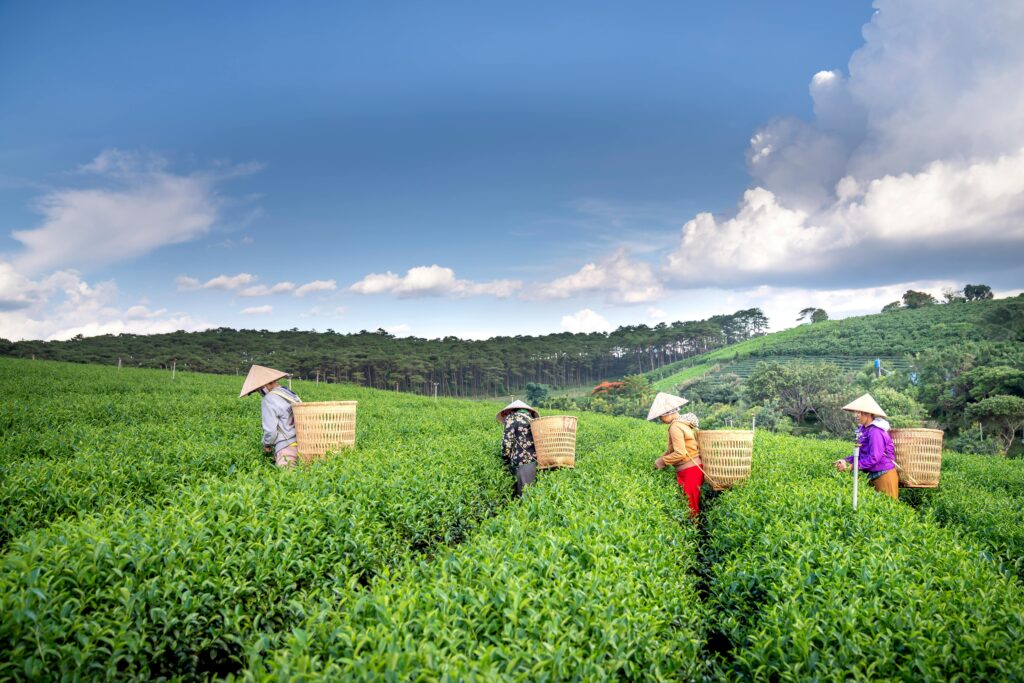
Kikai-zumi is tea-leaf harvesting performed with mechanical equipment rather than by hand. Formed from Japanese kikai, meaning machine, and zumi, meaning plucking or picking, term describes harvesting stage, not grinding method, and is used in modern tea cultivation to increase efficiency and volume.
Defining Kikai-zumi: Machine-Plucked Tea Leaves
Kikai-zumi refers to tea leaves harvested using mechanical equipment rather than by hand. The term combines two Japanese words: kikai (機械), meaning “machine,” and zumi (摘み), meaning “plucking” or “picking.” This harvesting method represents a modern approach to tea cultivation that prioritizes efficiency and volume over the traditional hand-picking techniques.
In the matcha industry, understanding kikai-zumi helps consumers make informed purchasing decisions. While this term describes the harvesting stage rather than grinding methods, it significantly impacts the final product’s quality and characteristics.
How Kikai-zumi Differs from Traditional Harvesting
Traditional matcha production relies on tezumi (手摘み), or hand-plucking, where workers carefully select individual tea leaves. This meticulous process ensures only the youngest, most tender leaves make it into premium matcha. Machine harvesting takes a fundamentally different approach.
Mechanical harvesters cut tea leaves indiscriminately across entire rows or sections of plants. This means stems, older leaves, and lower-quality material often get mixed with the premium young leaves. The result is a less refined starting material for matcha production.
The Impact of Machine Plucking on Matcha Quality
The harvesting method creates a ripple effect throughout the entire production process. Machine-plucked leaves introduce variables that affect every subsequent stage, from processing to the final powder you whisk into your bowl.
Flavor and Texture Differences
Kikai-zumi matcha typically exhibits more astringency and less sweetness compared to hand-plucked varieties. The inclusion of stems and mature leaves contributes bitter compounds that overshadow the delicate umami flavor prized in premium matcha. These older plant materials contain higher levels of catechins, which create a sharper, more vegetal taste profile.
The texture can also suffer from machine harvesting. When ground, the mixed-quality leaves produce a powder with less uniformity and potentially coarser particles. This affects how smoothly the matcha suspends in water and its mouthfeel during consumption.
Visual Characteristics
Color provides important clues about harvesting methods. Hand-plucked matcha displays a vibrant, jade-green color that comes from young leaves rich in chlorophyll. Machine-plucked varieties often appear duller or more yellowish-green due to the presence of older leaves with degraded chlorophyll content.
Advantages and Trade-offs of Kikai-zumi
Machine harvesting isn’t inherently negative—it serves specific purposes within the tea industry. Understanding both benefits and limitations helps contextualize where this method fits in the matcha market.
Economic and Production Benefits
The primary advantages of kikai-zumi center on efficiency and cost:
- Significantly lower labor costs by eliminating the need for large teams of skilled hand-pickers
- Faster harvesting speeds that allow producers to process larger volumes quickly
- Consistent availability of matcha at accessible price points for everyday consumers
- Reduced dependency on seasonal agricultural labor availability
These factors make kikai-zumi essential for producing affordable culinary-grade matcha and meeting global demand for matcha-flavored products. Without machine harvesting, matcha would remain prohibitively expensive for most applications.
Quality Limitations
The trade-offs become apparent when considering premium ceremonial matcha standards. Machine harvesting cannot match the selectivity of experienced human pickers who identify optimal leaves at peak maturity. The indiscriminate nature of mechanical equipment means quality control happens after harvesting rather than during it, requiring additional sorting and processing steps.
Identifying Kikai-zumi in Your Matcha Purchase
Most matcha packaging doesn’t explicitly state harvesting methods, making identification challenging. However, several indicators can help you determine whether your matcha likely comes from machine-plucked leaves.
Label and Product Description Clues
Premium matcha brands emphasize traditional methods as selling points. Look for these specific terms on packaging:
- “Hand-picked” or “tezumi” explicitly indicates traditional harvesting
- “Ceremonial grade” typically implies hand-plucking, though this isn’t regulated
- “First harvest” or “first flush” suggests higher quality that usually involves hand-picking
- Specific farm or producer names that allow you to research their methods
Conversely, terms like “culinary grade,” “ingredient grade,” or simply “matcha powder” without quality descriptors often indicate machine-harvested leaves. Budget-friendly options under $20 per 30 grams almost certainly use kikai-zumi.
Physical Assessment Methods
Visual and sensory evaluation reveals harvesting quality. Examine the powder’s color intensity—vibrant, bright green suggests careful leaf selection. Dull or yellowish tones indicate mixed-quality leaves typical of machine harvesting. When whisked, premium hand-plucked matcha creates a creamy, stable foam with minimal settling.
The taste test provides definitive evidence. Pronounced bitterness or grassiness without balancing sweetness signals lower-quality leaves from mechanical harvesting. Premium matcha offers complex umami with natural sweetness and minimal astringency.
Kikai-zumi Versus Stone Grinding: Understanding the Distinction
A common misconception conflates harvesting methods with grinding methods. These represent two entirely separate stages in matcha production, and understanding this distinction clarifies product descriptions and quality claims.
Kikai-zumi describes how leaves are picked from the tea plant. Stone grinding refers to how processed tencha leaves are ground into powder using traditional granite mills. A single matcha product can be machine-plucked yet stone-ground, combining modern harvesting efficiency with traditional grinding methods.
Premium matcha typically features both hand-plucking and stone grinding. Mid-range products might use machine-plucked leaves with stone grinding to balance cost and quality. Budget matcha often employs both machine harvesting and modern grinding equipment for maximum efficiency.
The Complete Production Picture
Matcha quality depends on multiple factors working together:
- Harvesting method (hand versus machine)
- Leaf selection and sorting precision
- Shading duration before harvest
- Processing speed and temperature control
- Grinding method and speed
No single factor determines quality, but harvesting sets the foundation. Even expert stone grinding cannot compensate for poor-quality starting material from indiscriminate machine harvesting.
Finding the Right Matcha for Your Needs
Kikai-zumi matcha serves important purposes in the marketplace. Understanding when machine-plucked matcha makes sense versus when to invest in hand-picked varieties helps you optimize both quality and budget.
For daily lattes, smoothies, and baking, kikai-zumi culinary matcha provides excellent value. The bold flavors in these applications don’t require the nuanced sweetness of premium grades. Machine-harvested matcha delivers the characteristic green tea flavor and nutritional benefits at accessible prices.
For traditional preparation and straight consumption, hand-picked ceremonial matcha offers the best experience. The investment in tezumi harvesting translates directly to smoother flavor, better color, and more enjoyable drinking. When you’re tasting matcha on its own, the quality differences become immediately apparent.
Key Takeaways About Kikai-zumi
Kikai-zumi represents the modern reality of matcha production, enabling the tea’s global popularity while creating clear quality distinctions. Machine plucking makes matcha accessible for everyday use and culinary applications, though it cannot match the refinement of traditional hand-picking for premium grades.
When shopping for matcha, consider your intended use and budget. Premium hand-plucked matcha deserves its place for special occasions and traditional preparation, while machine-harvested options serve perfectly for cooking and blended beverages. The Best Matcha marketplace allows you to compare products across harvesting methods and price points, helping you find the right match for any application.
Understanding terms like kikai-zumi empowers you to read between the lines of product descriptions and make informed choices in an increasingly crowded matcha market.
Kikai-zumi refers to harvesting tea leaves with mechanical equipment instead of picking them by hand. The name combines Japanese terms meaning “machine” and “plucking” or “picking.” It identifies the harvesting stage of production, not the later method used to grind processed leaves, and it supports efficient, higher-volume tea cultivation.
Hand-plucking allows workers to select individual young, tender leaves. Mechanical harvesting instead cuts across rows or sections of tea plants without the same leaf-by-leaf selectivity. As a result, machine-plucked material may include stems, older leaves, and young leaves together, while traditional hand-plucking can make quality selection part of the harvesting process itself.
Kikai-zumi matcha may be more astringent and less sweet than hand-plucked matcha because stems and mature leaves can enter the harvested material. These components contribute bitter compounds that can obscure delicate umami. After grinding, mixed-quality leaves may also create less uniform or coarser particles, affecting how smoothly the powder suspends in water and feels in the mouth.
No. Kikai-zumi describes how tea leaves are harvested from the plant, while grinding describes how processed tencha becomes powder. A matcha can therefore be machine-plucked and still be stone-ground. These are separate production stages, so a grinding claim does not by itself establish whether workers or mechanical equipment harvested the original leaves.
Machine-plucked matcha can suit lattes, smoothies, baking, and other culinary uses where bold accompanying flavors do not require the nuanced sweetness associated with hand-picked varieties. Mechanical harvesting improves efficiency, lowers labor requirements, and supports larger production volumes. For matcha consumed straight in traditional preparation, the record instead recommends hand-picked matcha for smoother flavor and better color.