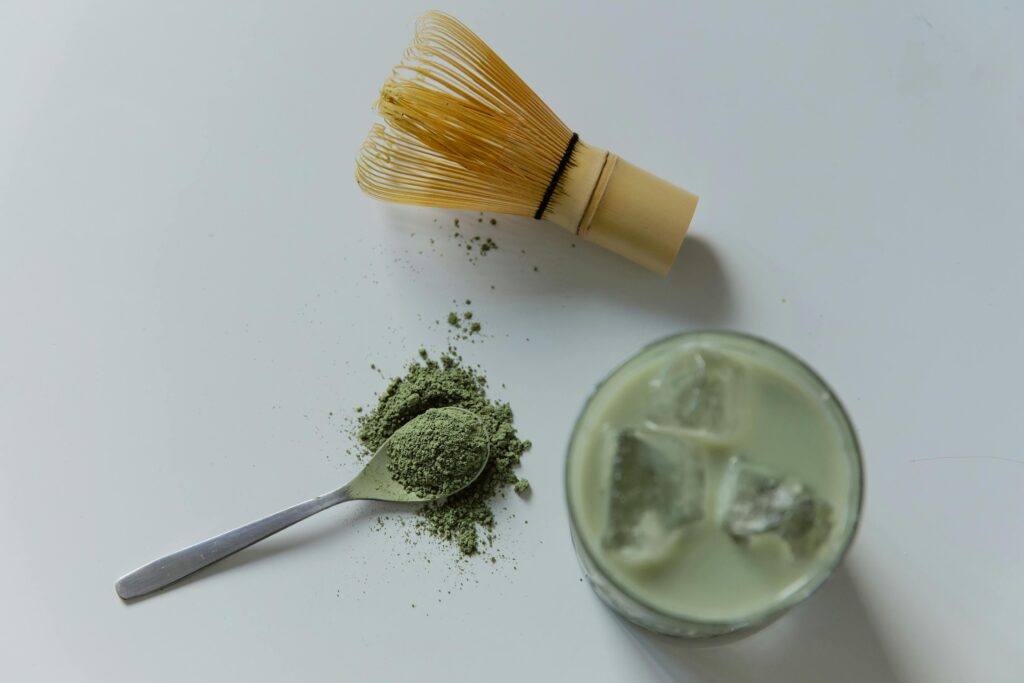
Jiangkou is a matcha production hub in Guizhou Province, China, with over 10,000 hectares of tea plantations producing 1,200+ tonnes annually of matcha.
Jiangkou Matcha Production And Quality Characteristics
Jiangkou County in Guizhou Province, China, is a rapidly growing matcha production powerhouse located along the 27°N latitude, often called the golden belt for tea cultivation. The region produced over 1,200 tonnes of matcha in 2024 valued at 350 million yuan, drawing from more than 10,000 hectares of tea plantations where nearly 20% are dedicated specifically to matcha. What sets this mountainous county apart is its unique combination of high-altitude terrain, persistent mist, and limited sunlight that creates ideal conditions for producing vibrant, amino acid-rich matcha powder.
Environmental Conditions and Growing Terroir
Jiangkou’s tea gardens sit at elevations between 800 and 1,500 meters, where frequent mist and cloud cover naturally reduce direct sunlight exposure. This plateau environment maintains consistent moisture levels while minimizing plant stress, which supports the accumulation of chlorophyll and amino acids in tea leaves. The high-altitude location combined with Guizhou’s subtropical climate creates a distinctive terroir that differs from Japan’s traditional matcha regions but produces comparable quality. The misty conditions act as a natural complement to artificial shading techniques, helping tea plants develop the mellow, fresh taste profile that matcha enthusiasts seek.
Cultivation Methods and Shade-Growing Techniques
Producers in Jiangkou employ shade-growing methods similar to Japanese tencha cultivation, covering tea plants with approximately 80% shade for about 12 days before harvest to achieve grade 1 matcha quality. This shading process triggers biochemical changes in the tea leaves, boosting free amino acid content while reducing tea polyphenols and catechins that contribute to bitterness. The region cultivates several tea plant varieties including Zhenong 113, Yabukita (a Japanese cultivar), Xiangshanzao 1, Jinxuan, Fuding Dabaicha, and Longjing 43. These cultivars are selected for their high amino acid and protein content, which directly impacts the final matcha’s quality and flavor complexity.
Processing Standards and Quality Characteristics
After harvest, Jiangkou matcha undergoes steaming rather than pan-firing, preserving the vegetal notes and bright green color characteristic of high-quality matcha. The steamed leaves are then stone-ground into fine powder, following traditional methods that prevent heat damage to delicate compounds. Chemical analysis shows that shaded Jiangkou matcha contains elevated levels of theanine, which can comprise up to 60% of total amino acids, along with increased chlorophyll and caffeine compared to unshaded tea. The processing facilities meet strict EU food safety standards, including Maximum Residue Limits, and hold Rainforest Alliance and Ecocert organic certifications. Products pass Eurofins and SGS testing for heavy metals and chemical residues, positioning Jiangkou matcha as a quality export product.
Market Position and Quality Comparison
Jiangkou’s annual matcha production of approximately 1,200-1,300 tonnes represents roughly a quarter of Japan’s total output, making it a significant player in global matcha supply. The region’s matcha exhibits a vibrant green color, mellow taste, and fresh aroma resulting from the combination of high-altitude growing conditions, shade cultivation, and careful processing. While Japanese matcha traditionally uses only tencha leaves from specific cultivars, Jiangkou producers work with a broader genetic palette while maintaining comparable quality standards. The county’s matcha sells well both domestically and internationally, with some facilities capable of producing 10 tonnes daily and exceeding 4,000 tonnes annual capacity. You’ll find that Jiangkou matcha offers a compelling alternative to traditional Japanese matcha, backed by modern quality control and international certifications.
Jiangkou County sits in northeastern Guizhou Province, China, nestled along mountainous slopes near the UNESCO World Heritage site of Mount Fanjing. This location creates a unique environment with high altitude, frequent mist, and a mild subtropical monsoon climate that's perfect for growing premium tea.
The pristine natural setting means clean mountain water, pollution-free air, and fertile soil. These conditions work together to boost the quality of tea plants, particularly for matcha cultivation. The area's ecological protection and proximity to Mount Fanjing contribute to what many call an ideal terroir for producing high-grade matcha powder.
Tea plants in Jiangkou are covered with shading nets that block 80-90% of sunlight for approximately 12 days before harvest. This technique triggers the plants to produce more amino acids and chlorophyll while reducing bitterness.
The shading process is what gives Jiangkou matcha its vibrant emerald green color and that characteristic umami-rich, mellow taste. It's a method adapted from Japanese traditions but tailored to Jiangkou's specific climate and altitude conditions.
Jiangkou matcha stands out for several reasons:
- Particle size: Ground to 800-1000 mesh (10-15 microns) using traditional stone mills for smooth texture
- Color: Vibrant emerald green due to high chlorophyll content from shade-growing
- Flavor profile: Balanced umami with mild bitterness, some varieties showing sweet and fruity notes
- Amino acid content: Enhanced through careful shading techniques
- Certifications: Complies with EU organic farming and food safety standards
The combination of Jiangkou's unique terroir and standardized processing creates matcha that's gained recognition in over 40 countries worldwide.
Jiangkou can produce up to 10 tonnes of matcha daily, with annual capacity exceeding 4,000 tonnes. That's made the region rank No. 1 in China and 3rd globally for matcha export volume.
The matcha reaches more than 40 countries and regions, with Japan being a particularly notable market. What's interesting is that Japanese buyers—who traditionally produce their own matcha—now source from Jiangkou, showing the quality level achieved in this Chinese region.
Jiangkou has adapted Japanese matcha-making techniques while adding modern infrastructure and scale. Both regions use shade-growing and stone grinding, but there are differences.
Japanese production typically involves more manual processing and smaller-scale operations. Jiangkou combines traditional methods with large-scale automation and EU food safety standards. The region's natural advantages—high altitude, frequent mist, pristine environment—create different growing conditions than Japan's lower-elevation tea fields.
While Japanese matcha still holds a reputation for meticulous craftsmanship, Jiangkou's quality has advanced rapidly. The region now produces matcha that meets international standards and competes globally, particularly in terms of consistency and volume.
Jiangkou earned this title through a combination of history, scale, and quality. The region has cultivated tea for centuries, but matcha production was designated a key industry in 2007. Since then, it's become China's largest matcha producer.
The designation reflects both production capacity and the revival of China's historical connection to matcha—the drink originated in ancient China before spreading to Japan. Today, Jiangkou combines that heritage with modern techniques, standardized cultivation practices, and organic farming methods that meet global certification requirements.