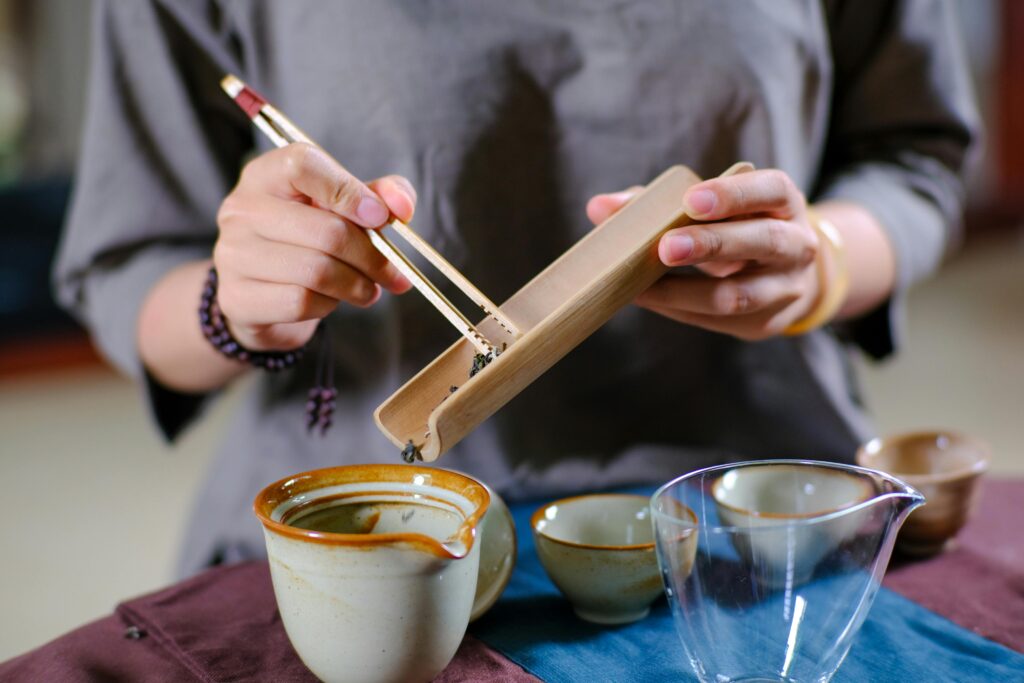
Ichigo Ichie is a Japanese four-character proverb meaning “one time, one meeting,” expressing that each encounter is unique and unrepeatable. Associated with Sen no Rikyū and chanoyu, it counsels treating every gathering with complete presence, sincere care, and appreciation because its precise conditions can never recur.
The Meaning and Origins of Ichigo Ichie
Ichigo ichie (一期一会) translates literally as “one time, one meeting,” though it carries deeper significance as “one chance in a lifetime.” This Japanese four-character proverb captures the philosophical understanding that each encounter is unique and unrepeatable. Even when the same people gather again, the exact conditions, feelings, and circumstances will never align in precisely the same way.
The concept emerged from 16th-century tea master Sen no Rikyū, who transformed Japanese tea culture through his teachings. He adapted the phrase from ichigo ni ichido, meaning “one chance in a lifetime,” and applied it specifically to tea gatherings. Rikyū taught that every tea ceremony should be approached with the mindfulness and care befitting a once-in-a-lifetime event.
This philosophy became inseparable from chanoyu, the traditional Japanese tea ceremony. Rikyū’s influence extended beyond technique to encompass spiritual discipline, emphasizing that preparation and participation in tea gatherings required complete presence and sincere appreciation.
Core Philosophical Principles
At its heart, ichigo ichie embodies several interconnected values that shape how practitioners approach tea ceremony and life itself.
Mindfulness and Presence
The concept demands full attention to the present moment. Practitioners recognize that dwelling on past gatherings or anticipating future ones diminishes the current experience. Each tea ceremony becomes a meditation in awareness, where distractions fall away and participants immerse themselves completely in the unfolding ritual.
Impermanence and Transience
Rooted in Zen Buddhist principles, ichigo ichie acknowledges that all moments pass and cannot be recaptured. This understanding of impermanence doesn’t lead to sadness but rather to deeper appreciation. When you know something won’t return, you treasure it more fully while it exists.
Gratitude and Sincerity
Recognizing each gathering’s uniqueness cultivates profound gratitude. Hosts prepare with exceptional care, knowing their efforts honor an irreplaceable moment. Guests respond with equal sincerity, acknowledging the thoughtfulness invested in their experience.
How Ichigo Ichie Shapes Matcha Tea Ceremony
The preparation and consumption of matcha provides the perfect vessel for expressing ichigo ichie philosophy. Every element of the ceremony reflects this once-in-a-lifetime mindset.
The Host’s Preparation
Before guests arrive, the host engages in meticulous preparation that honors the gathering’s singular nature. The tea room arrangement, scroll selection, flower placement, and utensil choices all reflect careful consideration of the season, guests, and occasion. Each decision carries weight because this specific combination of elements will never occur again.
The matcha itself receives special attention. The host selects the tea grade and prepares it with precise technique, understanding that temperature, whisking speed, and timing all contribute to creating this particular bowl’s unique character.
The Guest’s Experience
Guests honor ichigo ichie by engaging all five senses throughout the ceremony:
- Sight: Observing the tea room’s aesthetic harmony, the matcha’s vibrant green color, and the foam’s delicate texture
- Sound: Listening to water boiling, the whisk moving through tea, and the silence between movements
- Touch: Feeling the tea bowl’s warmth, weight, and texture as it passes between hands
- Smell: Appreciating the matcha’s vegetal aroma and the room’s subtle incense
- Taste: Savoring the tea’s umami, sweetness, and slight bitterness with complete attention
The Ceremony’s Flow
Every gesture during the ceremony carries intentionality. The host’s measured movements and the guests’ respectful responses create a choreography that unfolds in real time, unrehearsed despite its traditional structure. Conversation, when it occurs, remains genuine and spontaneous rather than scripted.
Sen no Rikyū’s Lasting Influence
Sen no Rikyū (1522–1591) revolutionized Japanese tea culture by establishing wabi-cha, a style emphasizing simplicity and rustic elegance. His approach stripped away ostentation to reveal tea’s spiritual essence. The aesthetic of wabi-sabi—finding beauty in imperfection and impermanence—aligned perfectly with ichigo ichie philosophy.
Rikyū’s four principles continue to guide tea practice today. Harmony (wa) creates balance between host, guests, and environment. Respect (kei) honors all participants and utensils. Purity (sei) extends beyond physical cleanliness to mental clarity. Tranquility (jaku) emerges when the other three principles unite.
His disciples preserved and transmitted these teachings through tea schools including Urasenke, Omotesenke, and Mushakōjisenke. These schools maintain Rikyū’s emphasis on ichigo ichie, ensuring each generation understands that tea ceremony transcends mere ritual to become spiritual practice.
Applying Ichigo Ichie to Modern Matcha Practice
Contemporary matcha enthusiasts and practitioners can integrate ichigo ichie principles into their tea experiences, whether conducting formal ceremonies or preparing daily bowls.
For Personal Practice
- Eliminate distractions: Put away phones and close laptops before preparing matcha, creating space for full attention
- Engage intentionally: Notice the matcha powder’s texture, the water’s temperature, and your whisking rhythm rather than rushing through preparation
- Savor completely: Drink slowly, appreciating each sip’s distinct flavor profile as it evolves from first taste to finish
- Reflect briefly: After finishing, take a moment to acknowledge the experience before moving to your next activity
For Matcha Vendors and Brands
Businesses in the matcha marketplace can embody ichigo ichie by treating each customer interaction as significant. This philosophy translates to thoughtful product curation, detailed sourcing information, and customer service that values genuine connection over transactional efficiency. When vendors approach their work with this mindset, they honor both the tea’s tradition and their customers’ experiences.
Building a Mindfulness Practice
Ichigo ichie extends beyond tea to influence daily life. The same principles that make each tea gathering precious apply to every encounter—meetings with friends, family dinners, or quiet moments alone. This perspective transforms routine into ritual and ordinary into extraordinary.
Key Takeaways
Ichigo ichie reminds us that each moment exists only once, encouraging full presence and sincere appreciation during tea ceremonies and beyond. Sen no Rikyū’s 16th-century teaching continues to shape how practitioners prepare and consume matcha, transforming a simple beverage into a meditation on impermanence and gratitude.
Whether you’re exploring traditional tea ceremony or simply preparing matcha at home, this philosophy invites you to slow down and recognize the uniqueness of each experience. The next time you whisk a bowl of matcha, consider treating it as the once-in-a-lifetime encounter it truly is. What might you notice that you’ve overlooked before?
Ichigo ichie is a Japanese four-character proverb that literally means “one time, one meeting” and also conveys “one chance in a lifetime.” It expresses the idea that every encounter is unique and cannot be repeated exactly, because the same conditions, feelings, people, and circumstances will never align in precisely the same way again.
Sen no Rikyū adapted the phrase from ichigo ni ichido and applied it specifically to tea gatherings. He taught that every tea ceremony should receive the mindfulness and care appropriate to a once-in-a-lifetime event. His teaching emphasized complete presence, sincere appreciation, and spiritual discipline in both preparing for and participating in chanoyu.
Ichigo ichie centers on mindfulness, presence, impermanence, gratitude, and sincerity. Practitioners give full attention to the current encounter instead of dwelling on past gatherings or anticipating future ones. Recognizing that each moment passes and cannot be recaptured encourages hosts to prepare carefully and guests to respond with sincere appreciation for the unique experience.
A host expresses ichigo ichie through careful preparation tailored to the particular season, guests, and occasion. The tea room arrangement, scroll, flowers, utensils, matcha selection, water temperature, whisking speed, and timing all receive deliberate attention. This care acknowledges that the precise combination of people, objects, circumstances, and prepared tea will not occur again.
Create space for full attention by putting away phones and closing laptops before preparing matcha. Notice the powder’s texture, the water temperature, and your whisking rhythm instead of rushing. Drink slowly, appreciate how the flavor changes from the first taste through the finish, and pause briefly afterward to acknowledge that particular experience.