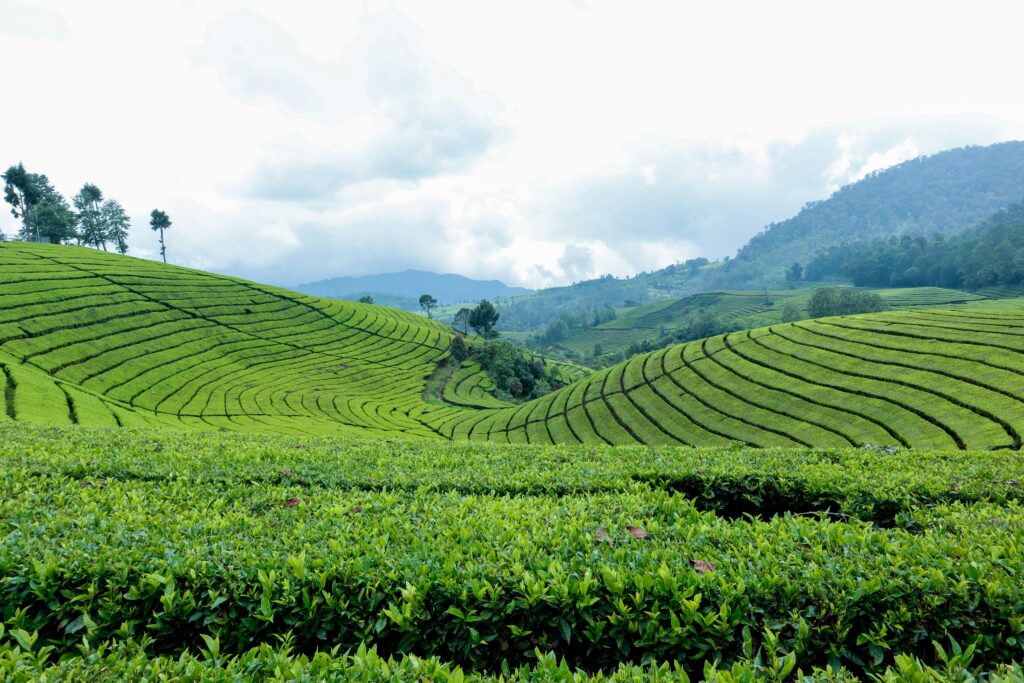
Central Province is Sri Lanka's premier tea region at elevations up to 1,300 meters, known for Ceylon tea rather than traditional Japanese matcha cultivation.
Central Province Tea Growing Landscape
Sri Lanka’s Central Province sits at the heart of the island’s renowned tea-growing highlands, spanning elevations from 600 to over 1,300 meters. This region includes the districts of Kandy, Nuwara Eliya, and Matale, where tea estates have thrived since the 19th century. The province’s temperate climate, consistent mist coverage, and fertile volcanic soils create conditions that produce teas with distinct flavor profiles. While the region is famous for orthodox black teas, its terroir holds potential for specialty green tea products, including stone-ground powders.
Elevation and Climate Characteristics
The Central Province’s mid to high-grown tea gardens benefit from temperatures ranging between 21 to 30°C and annual rainfall of 1,500 to 2,500 mm. These conditions slow leaf growth, allowing plants to develop concentrated flavor compounds. The constant mist acts as natural shade, reducing direct sunlight exposure and moderating temperature fluctuations. This environment produces teas with bright, brisk characteristics and a fuller body compared to low-grown varieties. Notable estates like Kenilworth and Damro Labookellie operate at these elevations, where cooler air and moisture-rich conditions contribute to the leaves’ delicate sweetness and floral notes.
Shade-Grown Cultivation Practices
Tea cultivation in Central Province incorporates ecological shade tree systems that protect bushes from heat stress while promoting biodiversity. These practices share similarities with traditional shade-growing methods used in matcha production, though they’re primarily applied to conventional tea. Shade trees slow photosynthesis, which can increase chlorophyll content and amino acid levels in leaves. The region’s natural cloud cover provides additional shading effects throughout the year. Some estates experiment with extended shade periods to produce specialty green teas with characteristics suitable for fine grinding. This approach creates leaves with deeper green color and modified flavor profiles that differ from standard Ceylon green teas.
Flavor Profiles and Processing Potential
Central Province teas typically exhibit the following characteristics:
- Bright, brisk taste with natural sweetness
- Full-bodied texture with floral and fruity undertones
- Rich color ranging from golden to deep amber in traditional processing
- Clean finish with minimal astringency
When processed as green tea and stone-ground into powder, these leaves offer a fuller body and nutty, leafy flavors distinct from Japanese matcha’s umami-rich profile. The region’s terroir imparts unique characteristics shaped by its specific mineral content, rainfall patterns, and elevation. While matcha production isn’t established practice here, the quality of Central Province tea leaves demonstrates the region’s capacity for producing specialty tea products that appeal to diverse palate preferences.
Central Province encompasses three primary tea districts: Nuwara Eliya, Kandy, and Matale. Nuwara Eliya sits at the highest elevation around 6,000 feet, producing delicate, fragrant teas with light characteristics. Kandy operates as a mid-country region between 2,000 to 4,000 feet, where tea cultivation in Sri Lanka first began. Matale shares similar medium-grown characteristics with Kandy, positioned at elevations that create full-bodied tea profiles.
Altitude plays a defining role in tea characteristics. Here's what happens at different elevations:
- High-grown (Nuwara Eliya at ~6,000 feet): Cooler temperatures and misty conditions slow leaf growth, concentrating delicate flavors and aromatic compounds
- Medium-grown (Kandy and Matale at 2,000-4,000 feet): Warmer conditions produce faster growth, resulting in stronger, more robust flavor profiles
- Terroir impact: The combination of altitude, rainfall patterns, and soil composition creates distinct taste signatures unique to each district
The region's diverse microclimates and established tea infrastructure make it well-positioned for green tea production. Central Province benefits from reddish-brown lateritic soils rich in organic matter and moisture retention. Monsoon rains provide consistent hydration, while varying elevations allow producers to select optimal growing conditions. Though Sri Lanka traditionally focuses on black tea, the same Camellia sinensis cultivars grown here can be processed into green tea and matcha when shade-grown and stone-ground.
Nuwara Eliya matcha tends toward delicate and fragrant profiles with notes of cypress, wild mint, and eucalyptus—often described as the champagne of Ceylon teas. The high elevation and cool, misty climate produce lighter, smoother characteristics.
Kandy matcha offers fuller body and stronger presence, with a reddish tinge when brewed and intensely robust flavor. The warmer mid-country climate and lower elevation create bolder taste profiles that stand up well in lattes and blended preparations.
James Taylor introduced tea cultivation to the Kandy region in the mid-19th century, making it Sri Lanka's first tea-growing area. While the province built its reputation on orthodox black teas, producers have adapted these same cultivars and processing methods for green tea production. Matcha production remains a newer development—not traditionally established but emerging as producers leverage the region's proven tea-growing expertise, diverse elevations, and quality-focused cultivation practices to enter this specialty market.