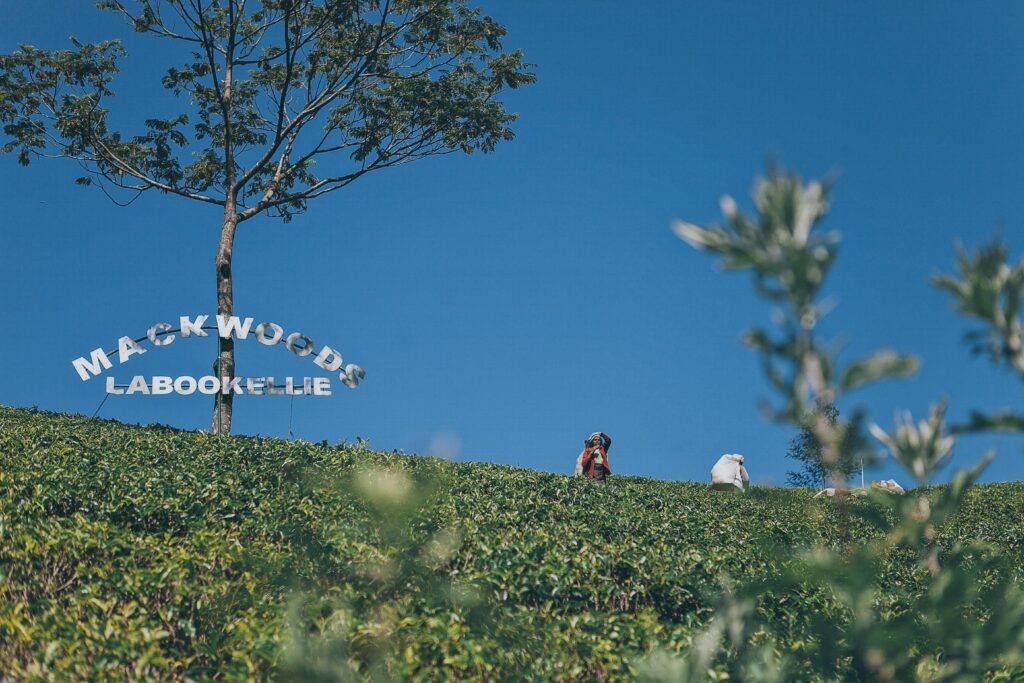
Sri Lanka grows matcha at elevations above 1200 meters where cool highland climates and acidic soils create ideal conditions for tender, chlorophyll-rich leaves.
Sri Lanka’s Tea Growing Environment and Matcha Production
Sri Lanka isn’t a traditional matcha producer, but Ceylon Matcha has emerged as an artisan product from the island’s high-elevation tea gardens. The country’s tea industry centers on black tea production using cultivars and methods developed over 150 years of Ceylon tea heritage. However, producers in regions like Nuwara Eliya now experiment with green tea powders that adapt Sri Lankan growing conditions to create alternatives to Japanese matcha.
Elevation Zones and Climate Patterns
Sri Lanka divides tea cultivation into three distinct elevation zones. Low grown estates sit from sea level to 600 meters and produce stronger, maltier teas. Mid grown regions span 600 to 1,200 meters, while high grown areas above 1,200 meters reach elevations around 2,000 meters. These high grown regions, particularly Nuwara Eliya and Dimbula, generate teas with light, grassy characteristics closer to green tea profiles.
The tropical climate brings two monsoon seasons annually. The northeast monsoon runs December through March, and the southwest monsoon hits June through September. Temperatures range from 21 to 30 degrees Celsius, with cooler conditions at higher elevations. This contrasts with Japan’s temperate matcha regions, where cooler temperatures and controlled humidity create different flavor compounds in the leaves.
Soil Characteristics and Cultivation Methods
Tea grows in well-drained, acidic soils rich in organic matter across Sri Lankan estates. Contour planting on slopes prevents erosion, and growers plant shade trees among tea bushes for soil protection and microclimate control. The Tea Board regulates fertilization practices, combining organic and chemical inputs to maintain soil fertility.
Unlike Japanese matcha cultivation, which employs deliberate shading for three to four weeks before harvest, Sri Lankan shading serves environmental purposes. Trees reduce light intensity and protect soil but don’t create the intense chlorophyll concentration that defines traditional matcha. Sri Lankan cultivars like SL8, SL9, and TRI 4047 were developed for black tea and orthodox green tea production, not the specialized Yabukita or Samidori varieties Japanese matcha requires.
Processing Differences and Matcha Adaptation
Ceylon tea processing follows orthodox black tea methods: plucking, withering, rolling, oxidation, firing, and grading. Japanese matcha requires a completely different approach. Producers create Tencha leaves through steaming to halt oxidation, removing stems and veins, drying without rolling, then stone-grinding to powder. This labor-intensive process demands specialized equipment and expertise.
Ceylon Matcha producers adapt by selecting young leaves from high-elevation gardens, processing them as green tea to prevent oxidation, and grinding to powder. The result differs from Japanese matcha in amino acid profiles, chlorophyll content, and flavor. Where Japanese matcha delivers umami sweetness from L-theanine boosted by shading, Ceylon versions offer vegetable-forward notes reflecting open-sun cultivation.
Production Challenges and Market Position
Several factors limit matcha-grade tea production in Sri Lanka. The infrastructure focuses on bulk black tea processing, with limited capacity for specialized green tea methods. Climate variability from monsoons affects consistency. Most importantly, the absence of traditional shading protocols and matcha-specific cultivars means Ceylon products occupy a different category than Japanese ceremonial matcha.
That said, Ceylon Matcha represents innovation in a tea industry seeking diversification. High-elevation estates leverage their cool growing conditions and green tea expertise to create powder products for the wellness market. These offerings won’t replace traditional matcha but provide alternatives with distinct flavor profiles shaped by Sri Lanka’s unique terroir.
Sri Lanka's tea industry is diversifying beyond its famous black tea exports. With high-elevation estates above 1200 meters and acidic, well-drained soils, the country has conditions that can support green tea production. Some estates are now experimenting with shade-growing techniques—covering tea plants 20-30 days before harvest to boost chlorophyll and amino acids. This creates Ceylon matcha as a niche product. It's a developing market, but you'll find it's still a small fraction of production compared to orthodox black teas.
The differences are pretty striking. Sri Lanka has a tropical climate with year-round warmth and two monsoon seasons, while Japanese matcha regions like Uji have temperate conditions with distinct seasons. Here's what matters:
- Sri Lanka grows mostly Camellia sinensis var. assamica in full sun at various elevations; Japan uses var. sinensis with extensive shade-growing traditions
- Rainfall patterns in Sri Lanka are influenced by southwest and northeast monsoons, creating variable moisture levels
- Japanese regions maintain cooler temperatures and misty microclimates that naturally enhance tea quality
These differences mean Ceylon matcha has distinct flavor profiles compared to Japanese varieties.
High-grown teas from elevations above 1200 meters offer the most potential for matcha. These areas have cooler temperatures, slower leaf growth, and more concentrated flavors. Mid-grown zones (600-1200 meters) also produce green tea, but high-elevation estates provide the quality characteristics—delicate flavor and vibrant color—that work better for stone-ground matcha powder.
Tropical conditions create several hurdles. Erratic weather patterns, including unseasonal rains and prolonged droughts, disrupt the consistent growing cycles matcha needs. High humidity and temperatures can affect leaf quality during shade growing. Plus, Sri Lanka doesn't have centuries of matcha cultivation expertise like Japan—the techniques and cultivar selection are still being refined. Labor shortages and rising production costs add economic pressure. That said, some estates are adapting Japanese shade-growing methods with black mesh coverings to mimic traditional techniques.
It's a different product, not necessarily inferior. Ceylon matcha won't replicate Japanese matcha's exact flavor profile because growing conditions shape taste. The tropical climate, different cultivars, and varying shade-growing experience all contribute to unique characteristics. Some Ceylon matcha offers good value and interesting flavor notes, but it's emerging as its own category rather than a direct Japanese equivalent. When comparing options, you'll want to consider what flavor profile and price point works for your needs.
Most Ceylon matcha comes from Camellia sinensis var. assamica or clonal cultivars originally developed for black tea production. Unlike Japan's specialized matcha cultivars like Yabukita or Okumidori, Sri Lanka's tea genetics weren't bred for shade-grown powder teas. Some estates are exploring hybrid cultivars or adapting Japanese varieties to local conditions, but this is still experimental. The cultivar choice affects amino acid content, chlorophyll levels, and ultimately the matcha's flavor and color.