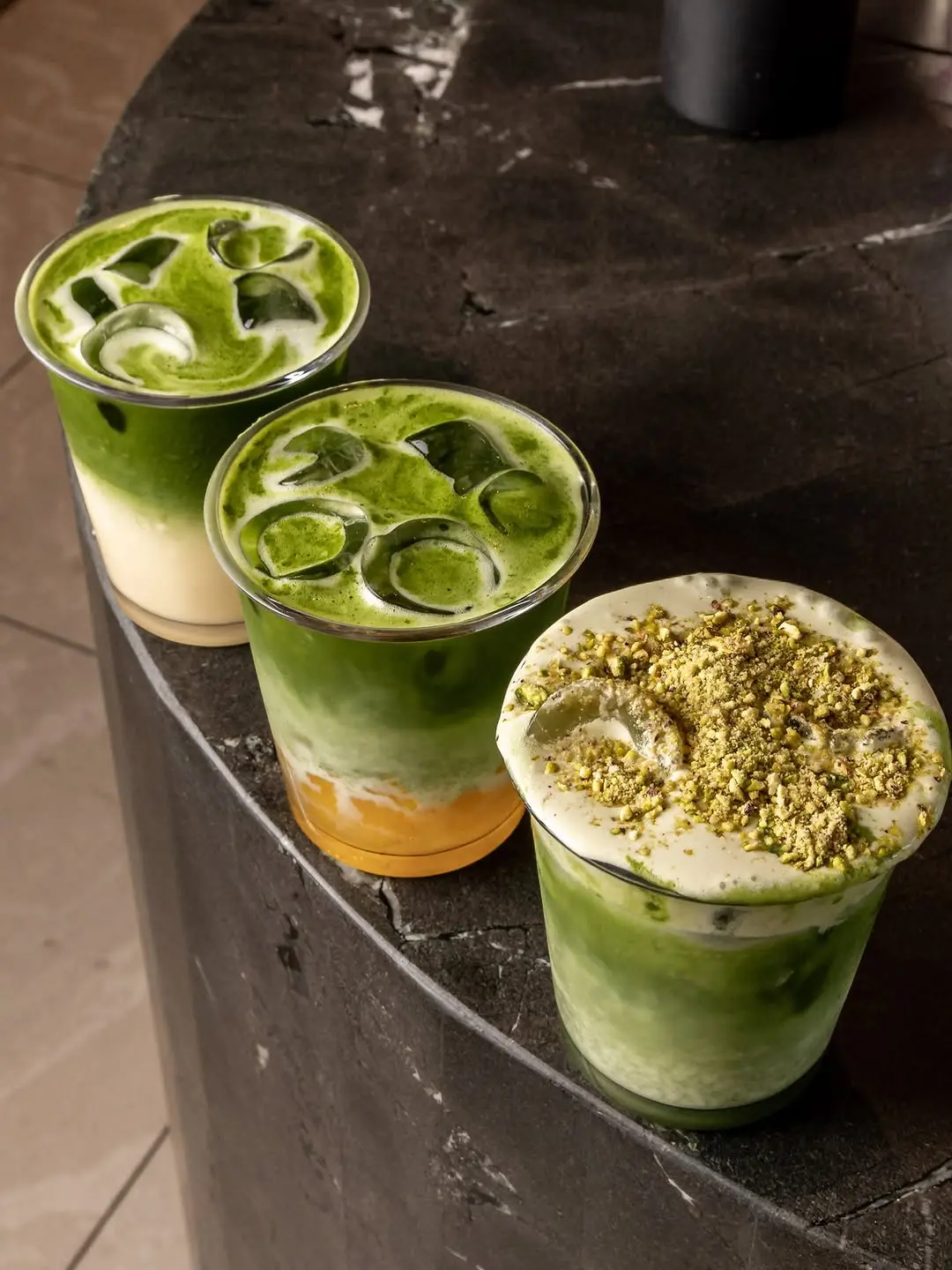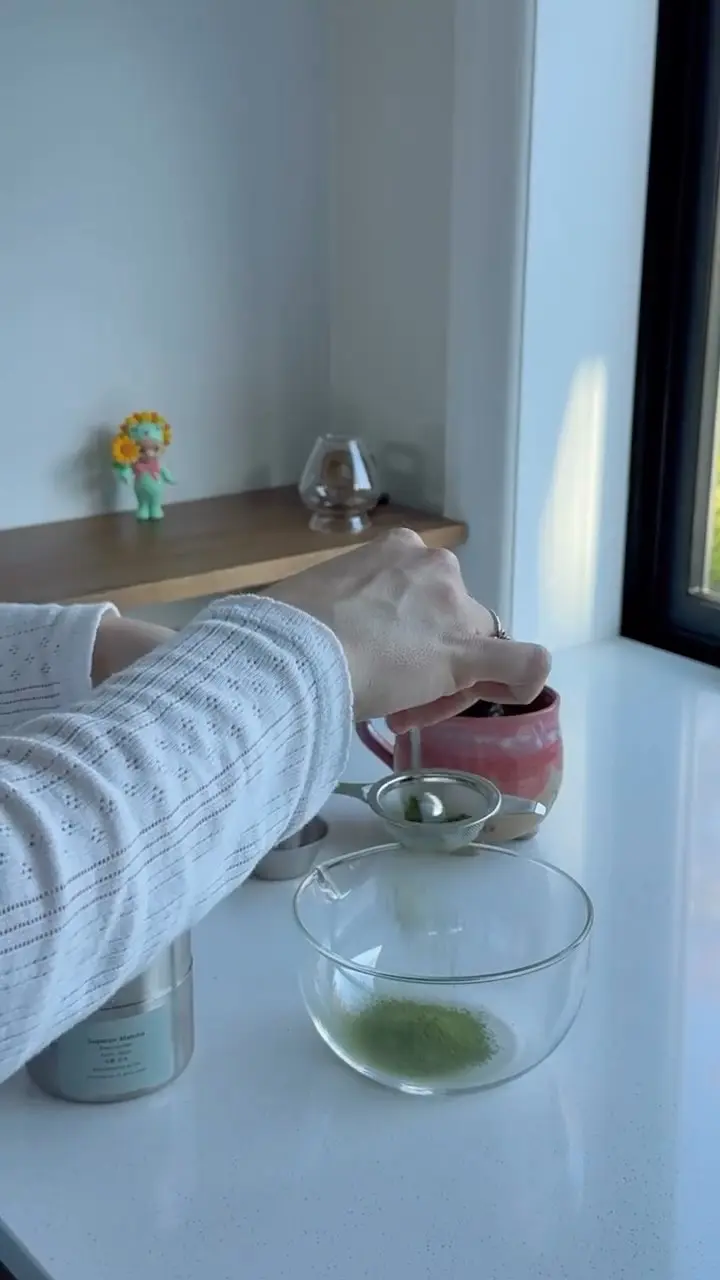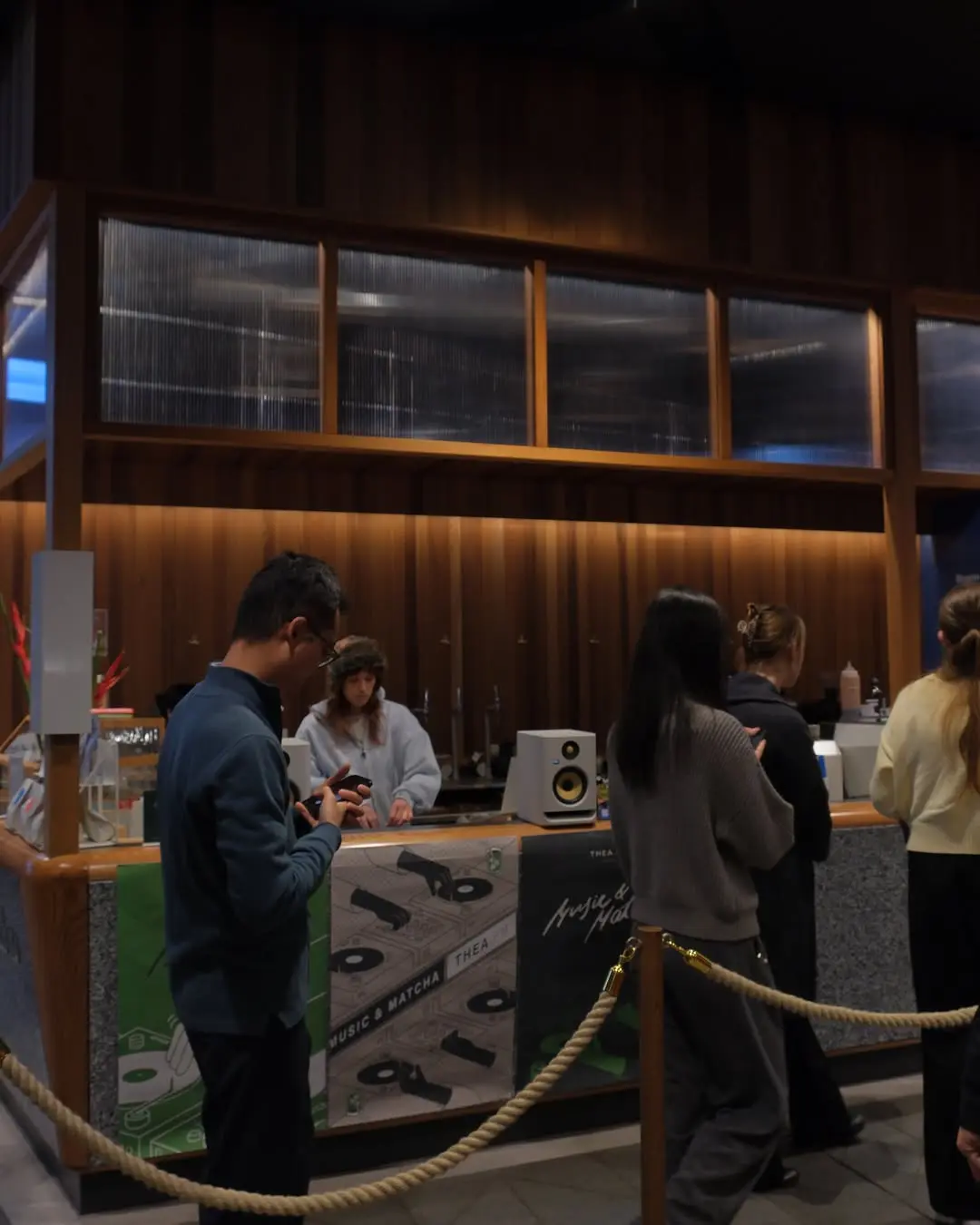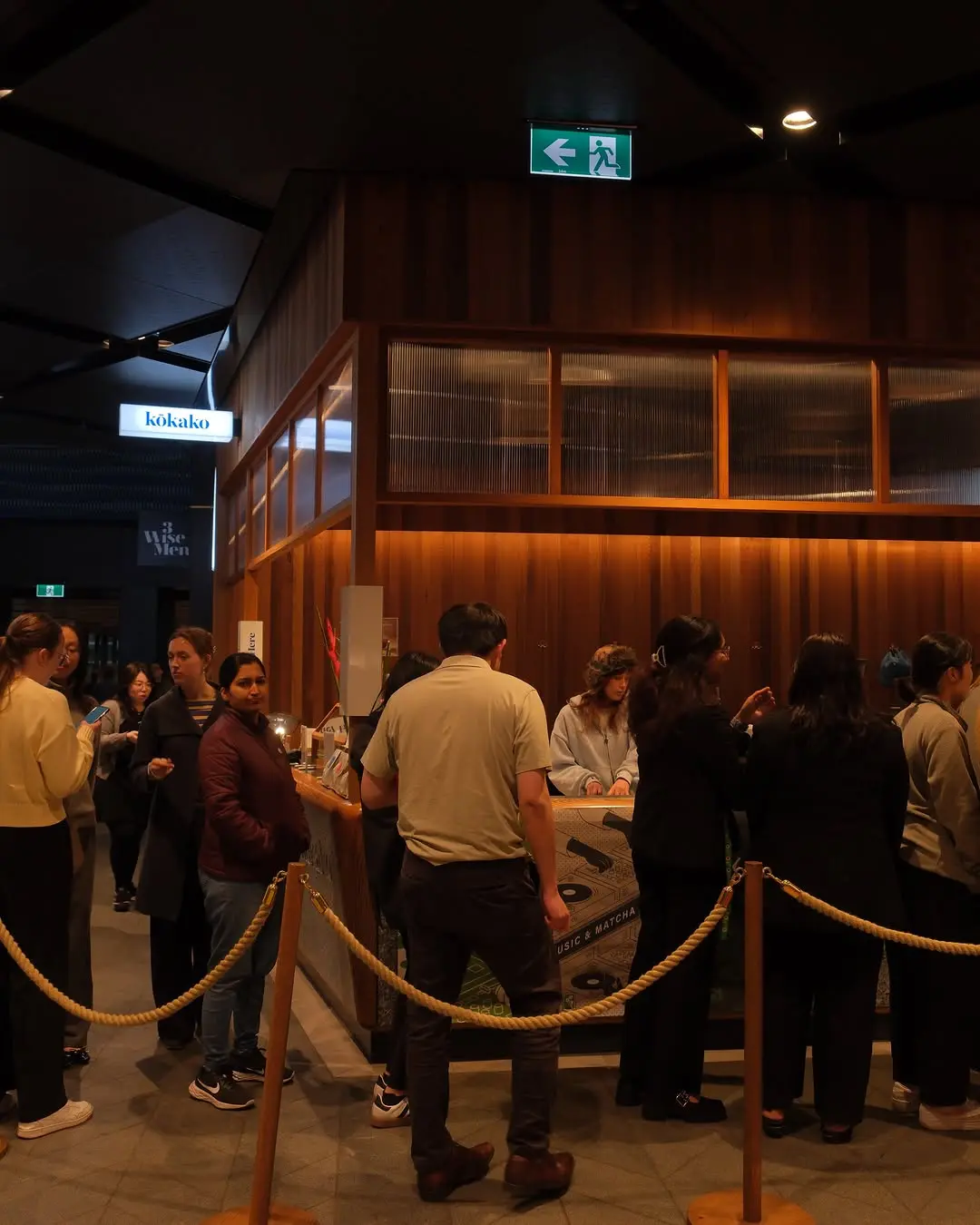

Who is Thea Matcha?

Thea Matcha is a New Zealand matcha brand sourcing Japanese tea from Kyoto and Mie. Its Kyoto grades bring earthy umami and astringency, while Mie matcha offers sweeter, floral, creamy cups.

Direct relationships with family-run farms began in 2018. Producers use Oishita saibai shading, Ichibancha first-harvest leaves, steaming, tencha sorting, and granite stone-grinding; range includes JAS Certified Organic Kyoto matcha.

Videos

Thea Matcha videos

Authentic Japanese matcha from Kyoto and Mie

Browse the gallery to see 26 videos about matcha.

Thea Matcha in details

Thea Matcha brings authentic Japanese matcha to New Zealand through the vision of two Kiwi cousins who believe tea culture deserves more than generic labels. Founded on a simple principle—that matcha’s complexity should be celebrated, not simplified—this brand sources directly from Japan’s renowned tea regions to deliver flavors that tell a story.

Regional Sourcing with Purpose

The brand partners with growers in Kyoto and Mie prefectures, two regions known for producing distinctly different matcha profiles. Kyoto matcha offers delicate umami and floral notes, while Mie Prefecture delivers earthier, more robust flavors. This geographic diversity allows tea enthusiasts to explore authentic regional characteristics rather than settling for one-size-fits-all options.

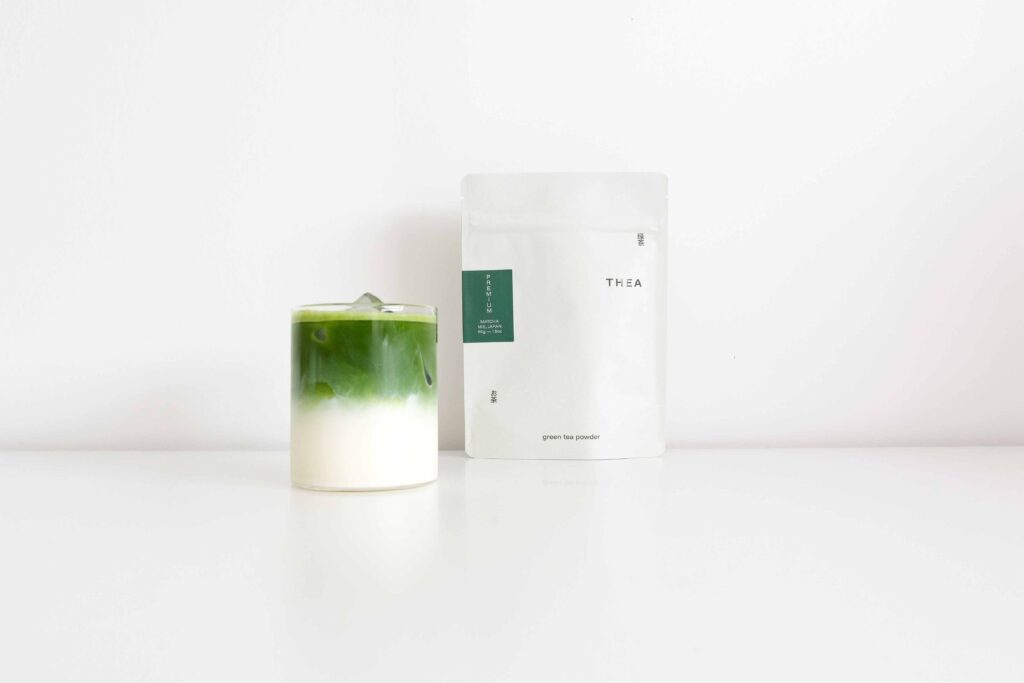
Thea Matcha rejects traditional Western grading systems like “ceremonial” or “culinary,” which often oversimplify quality. Instead, they offer Premium and Superior grades that acknowledge matcha’s nuanced balance of astringency, sweetness, and umami.

Beyond the Bowl: A Complete Tea Experience

The product range extends beyond standard matcha powder. Customers can choose from:

  • Organic and region-specific matcha varieties suited for whisked tea, lattes, or baking
  • Hōjicha powder—a lightly roasted green tea offering toasty, caramel notes
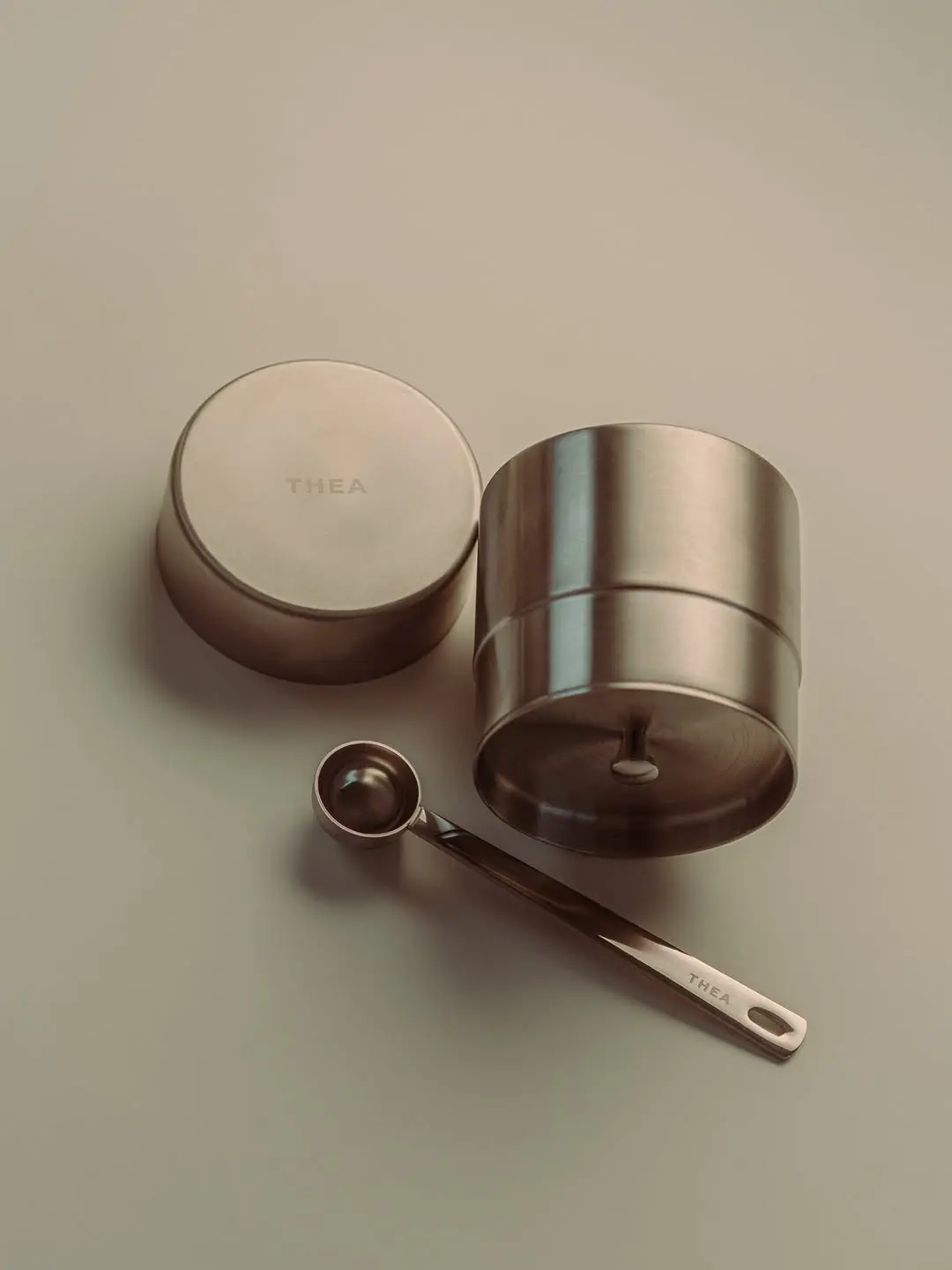
  • Traditional matcha tools and accessories for proper preparation
  • Subscription services for regular delivery

Each product comes with detailed preparation guidance, including optimal water temperatures and storage recommendations. The brand emphasizes that proper handling—airtight containers, refrigeration, opaque storage—preserves freshness and flavor integrity.

Education Meets Quality

Thea Matcha has earned recognition in publications like Viva, The Edge, and Ensemble for its smooth, umami-rich profiles. But the brand’s real distinction lies in its educational approach. Through blogs, recipes, and detailed product descriptions, they help customers understand what makes each matcha unique.

This isn’t about pushing premium products. It’s about helping people discover which matcha suits their palate and purpose. Whether someone wants a bright morning latte or a contemplative bowl of whisked tea, the brand provides options grounded in regional authenticity and transparent sourcing.

For the New Zealand market and beyond, Thea Matcha represents a bridge between Japanese tea heritage and modern appreciation—no pretension, just quality tea and the knowledge to enjoy it properly.

About the Thea Matcha Matcha

Thea Matcha sources from two renowned Japanese prefectures, Kyoto and Mie, each yielding a distinct character across premium and superior grades.

Kyoto Matcha

  • Premium: medium astringency, high umami, low sweetness, with earthy, vegetal notes of moss and forest floor.
  • Superior: medium-high astringency, very high umami, low-medium sweetness, with earthy undertones and hints of cedar and sandalwood.

Kyoto delivers harmonious balance: refreshing astringency, savory umami, and restrained sweetness over earthy undertones.

Mie Matcha

  • Premium: low astringency, medium umami, high sweetness, floral and delicate with honeysuckle and jasmine.
  • Superior: very low astringency, medium-high umami, high sweetness, floral and creamy with a velvety texture and hints of vanilla bean.

Mie leans sweet and smooth, with gentle astringency and creamy mouthfeel. A JAS Certified Organic first-harvest Kyoto matcha is also offered, made from first and second grade Ichibancha leaves.

Harvest location

Thea Matcha sources directly from two distinct terroirs in Japan, each shaping its matcha differently.

Kyoto and Mie sourcing

Uji in Kyoto Prefecture, revered as the birthplace of matcha, offers rolling hills, a misty atmosphere, and nutrient-rich soils. Mie Prefecture brings a coastal position, pristine mountain water, and fertile plains, lending floral nuance and delicate sweetness.

Cultivation and processing

Both regions follow time-honoured methods tied to origin:

  • Oishita saibai shading for 3–4 weeks before harvest, raising chlorophyll and L-theanine and intensifying umami
  • Ichibancha first harvest from late April to mid-May, with tezumi hand-picking of the youngest leaves
  • Brief 15–20 second steaming to halt oxidation
  • Warm-air drying and sorting to pure tencha, then slow granite stone-grinding

Direct relationships with family-run farms in both prefectures support traditional cultivation and fair compensation for producers.

Thea Matcha History

Thea Matcha was founded in 2015 by two first-generation immigrant cousins from New Zealand who wanted to bridge their Japanese heritage with their Kiwi upbringing and share authentic Japanese tea culture.

In 2018 they established direct sourcing relationships with family-run farms in Kyoto and Mie, and from 2020 began collaborating with local New Zealand patisseries to promote matcha education.

January 1, 2015

Two first-generation immigrant cousins from New Zealand founded Thea Matcha, driven by their desire to bridge their Japanese heritage with their Kiwi upbringing and share authentic Japanese tea culture with New Zealand.

January 1, 2018

Established direct sourcing relationships with family-run farms in Kyoto and Mie prefectures, ensuring authentic, high-grade matcha while supporting traditional cultivation methods and providing equitable compensation to producers.

January 1, 2020

Initiated collaborations with local New Zealand patisseries to promote matcha education and community engagement, helping to enrich the country's culinary landscape with authentic Japanese tea culture.

August 1, 2024

Implemented pricing adjustments across their matcha range in response to rising global demand, climate instability, and aging agricultural workforce in Japan, while maintaining commitment to quality and sustainability.

October 1, 2024

Launched expanded product range featuring matcha from Mie Prefecture alongside traditional Kyoto offerings, providing customers with more regional choices and introducing new packaging design after extensive testing of over 20 different matcha varieties.

Frequently asked questions

Here are some frequently asked questions and answers.

Where does Thea Matcha source its tea?

Thea Matcha sources Japanese tea directly from Kyoto and Mie prefectures. The record describes Uji in Kyoto as a landscape of rolling hills, mist, and nutrient-rich soils, while Mie has a coastal position, mountain water, and fertile plains. Direct relationships with family-run farms in both regions began in 2018.

How do Thea Matcha’s Kyoto and Mie matchas compare?

Thea’s Kyoto matchas emphasize earthy and vegetal character, savory umami, refreshing astringency, and restrained sweetness. Its Mie matchas are sweeter, smoother, and more floral, with gentle astringency and a creamy mouthfeel. Listed Mie notes include honeysuckle, jasmine, and vanilla bean, while Kyoto descriptions mention moss, forest floor, cedar, and sandalwood.

What grades of matcha does Thea Matcha offer?

Thea Matcha uses Premium and Superior labels instead of the traditional Western “ceremonial” and “culinary” grading system. Both grades are offered across regionally distinct Kyoto and Mie profiles. The range also includes a JAS Certified Organic first-harvest Kyoto matcha made with first- and second-grade Ichibancha leaves, providing an organic Kyoto option.

How is Thea Matcha cultivated and processed?

Producers shade plants through Oishita saibai for three to four weeks before harvest. Ichibancha first-harvest leaves are gathered from late April to mid-May, with tezumi hand-picking used for the youngest leaves. Processing includes brief steaming to stop oxidation, warm-air drying, sorting into pure tencha, and slow grinding with granite stones.

Who founded Thea Matcha, and when did direct farm sourcing begin?

Two first-generation immigrant cousins from New Zealand founded Thea Matcha in 2015. Their goal was to connect their Japanese heritage with their Kiwi upbringing and share Japanese tea culture. In 2018, they established direct sourcing relationships with family-run farms in Kyoto and Mie. Collaborations with New Zealand patisseries began from 2020 to promote matcha education.