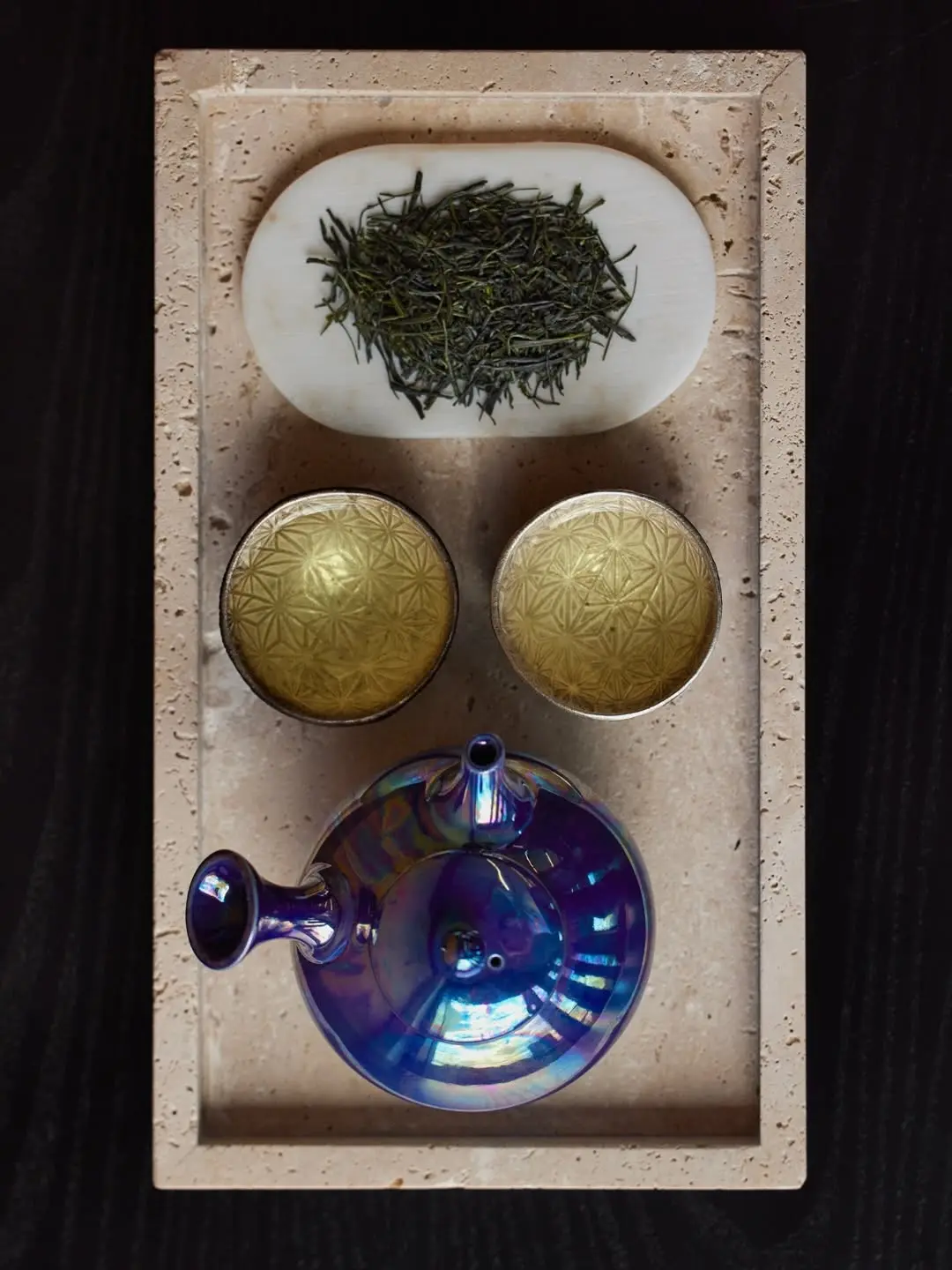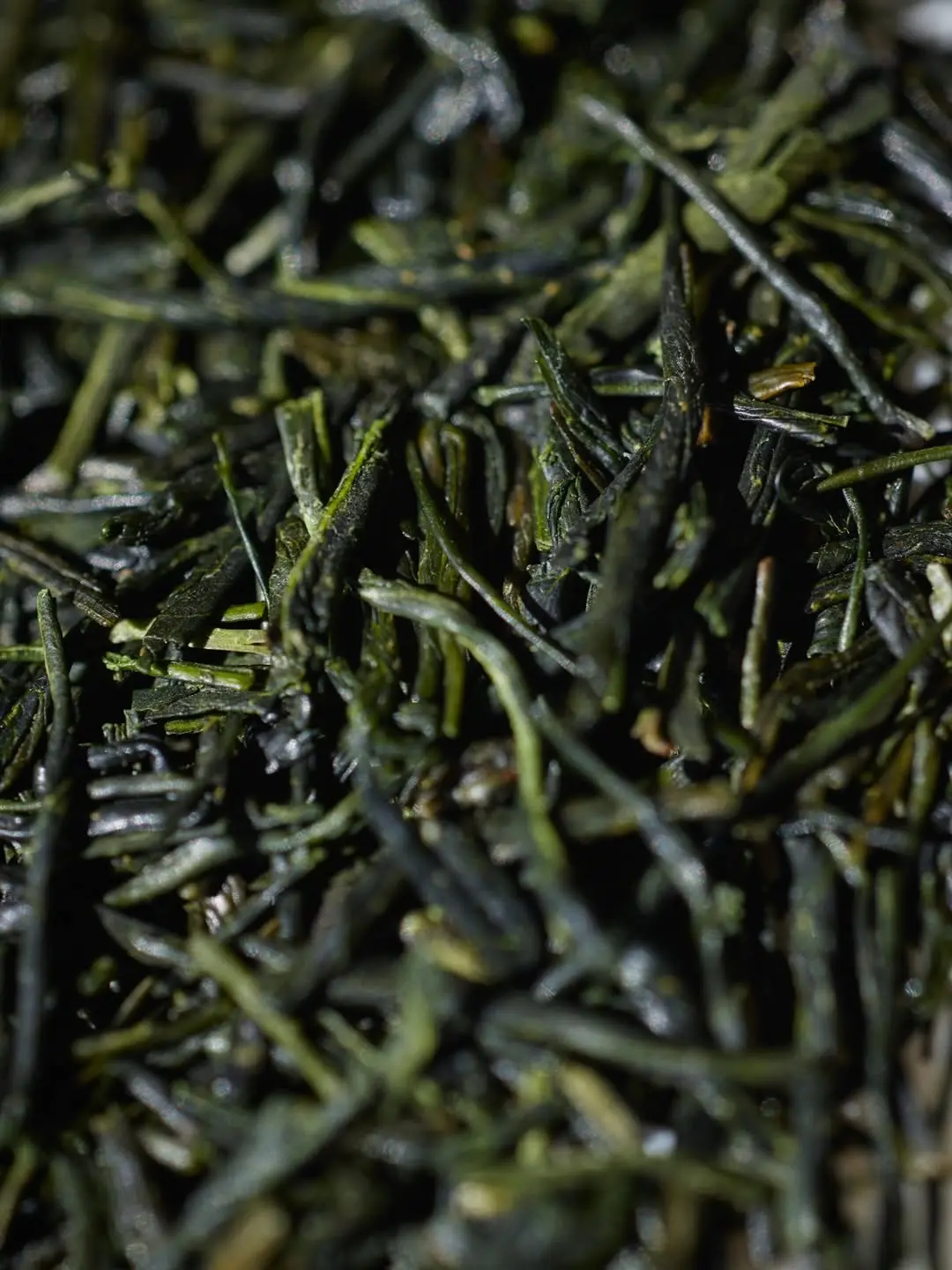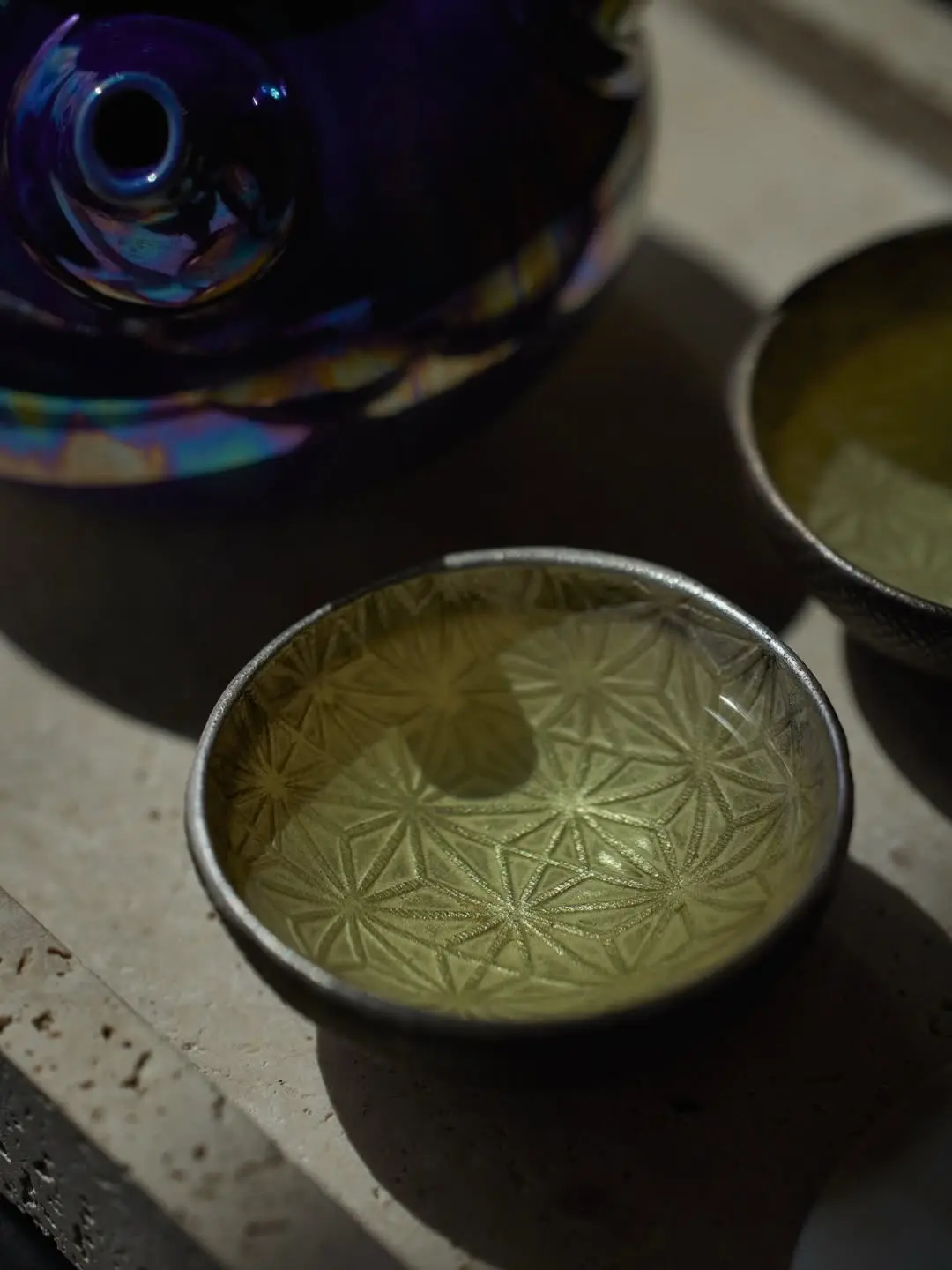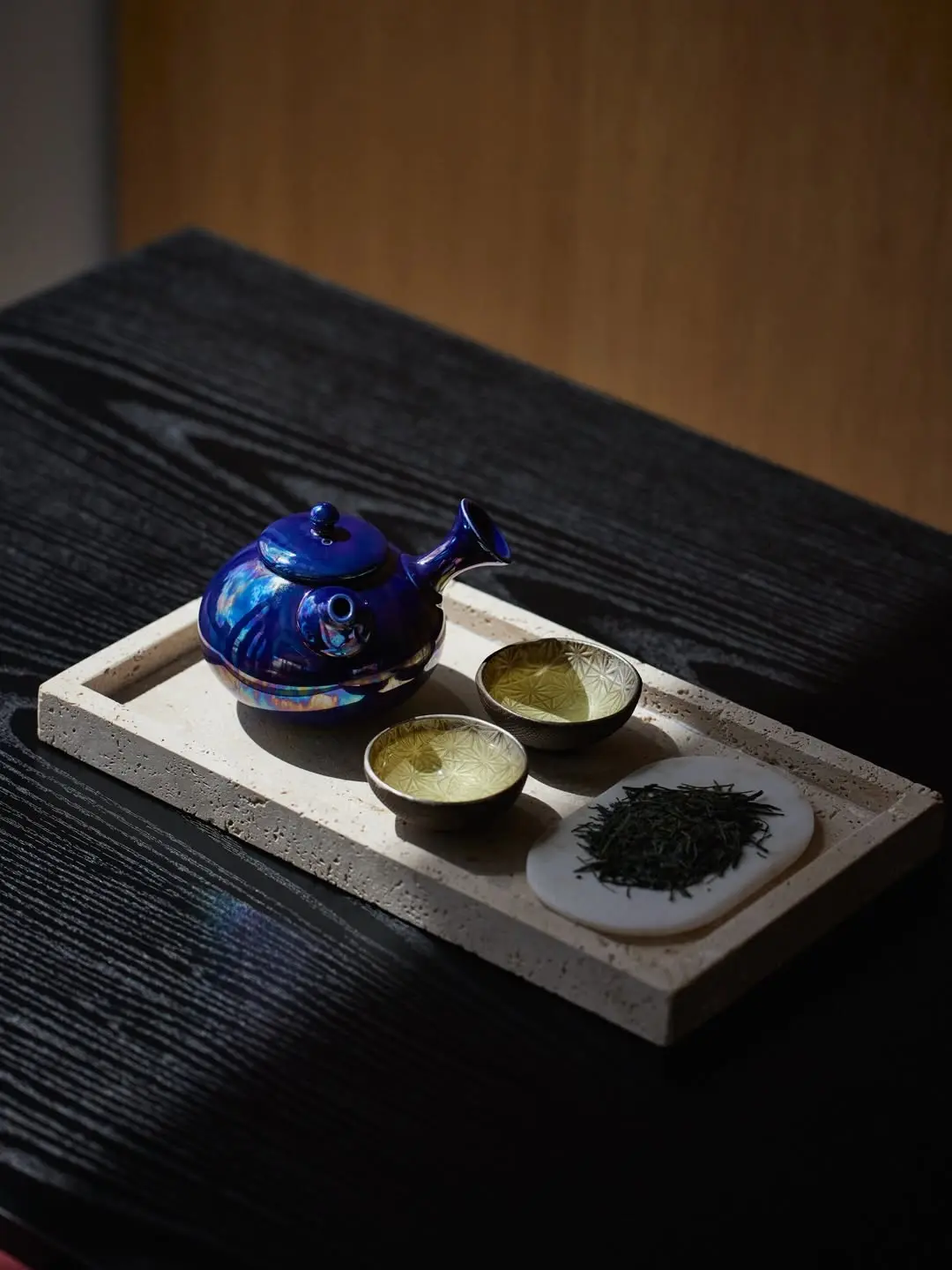

Who is Sunday Natural/Yoshi En?
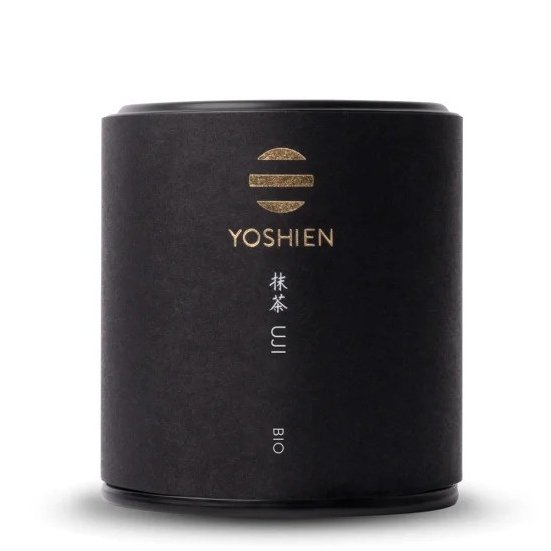
Sunday Natural/Yoshi En is a German-Japanese matcha brand founded in 2013, sourcing organic tea from Kagoshima and Shizuoka. Its range spans Premium, Super Premium, and Ceremonial grades, with Haruno blend rebalanced yearly by a master blender.

Matcha uses Saemidori, Okumidori, and Yabukita cultivars plus shaded tencha and brief asamushi steaming. Ikkyu grade is granite stone-milled in Uji; partner farms hold EU and JAS organic certification and products face independent German laboratory testing under HACCP guidelines.

Videos

Sunday Natural/Yoshi En videos

German precision meets Japanese matcha tradition since 2013

Browse the gallery to see 26 videos about matcha.

Sunday Natural/Yoshi En in details

Sunday Natural/Yoshi En represents a unique fusion of German precision and Japanese tea tradition, founded in 2013 by Jörg Schweikart. What began as a deep respect for authentic tea culture has evolved into a mission to deliver premium organic matcha from Kagoshima’s finest estates to discerning tea enthusiasts worldwide.

Where German Rigor Meets Japanese Mastery

The brand’s philosophy centers on single-origin excellence sourced directly from family-run farms in Japan’s most celebrated tea regions. Yoshi En (meaning “good garden” in Japanese) brings together more than 20 tea experts from over 10 countries who share an unwavering commitment to quality and tradition.

Every tea undergoes rigorous testing in independent German laboratories following HACCP food safety guidelines. This meticulous approach ensures that each harvest meets the highest standards for purity and potency, free from pesticides and harmful substances.

Certified Organic, Authentically Japanese

All Sunday Natural/Yoshi En matcha carries both EU organic certification and JAS (Japanese Agricultural Standard) certification dating back to 1985. The brand offers a carefully curated range spanning Premium, Super Premium, and Ceremonial grade matcha, with their flagship Haruno blend rebalanced annually by master blenders to maintain consistent excellence despite natural harvest variations.

The crown jewel of their collection, the Ikkyu ceremonial grade, undergoes traditional stone milling in Uji using granite stones. This time-honored process preserves delicate nutrients while achieving the signature velvety texture that defines exceptional matcha.

Direct Relationships, Fair Practices

Sunday Natural/Yoshi En champions direct partnerships with tea farmers in Kagoshima and Shizuoka, ensuring fair wages and safe working conditions. Their team personally visits partner farms to cultivate relationships that yield exclusive small-batch rarities unavailable elsewhere.

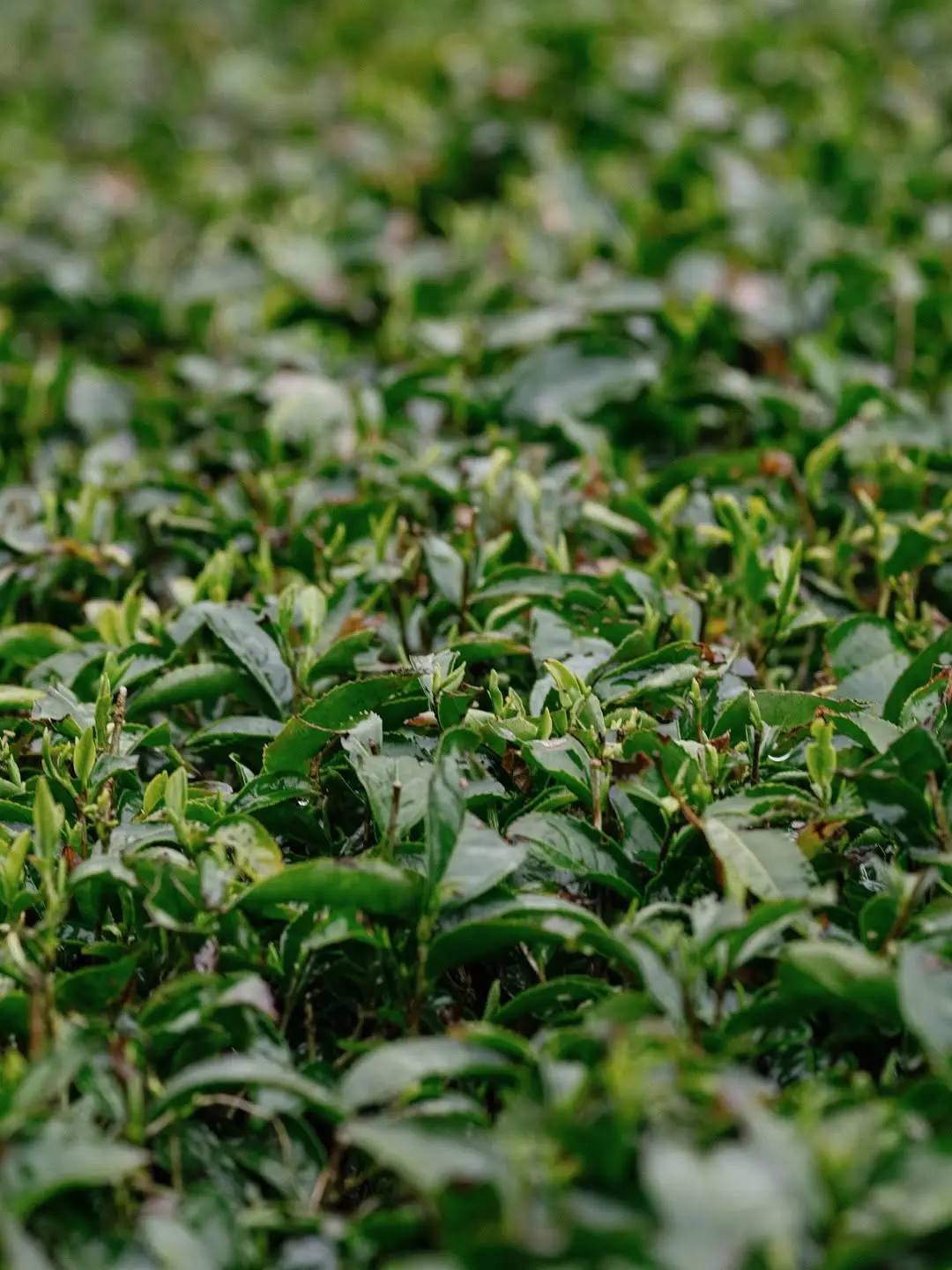
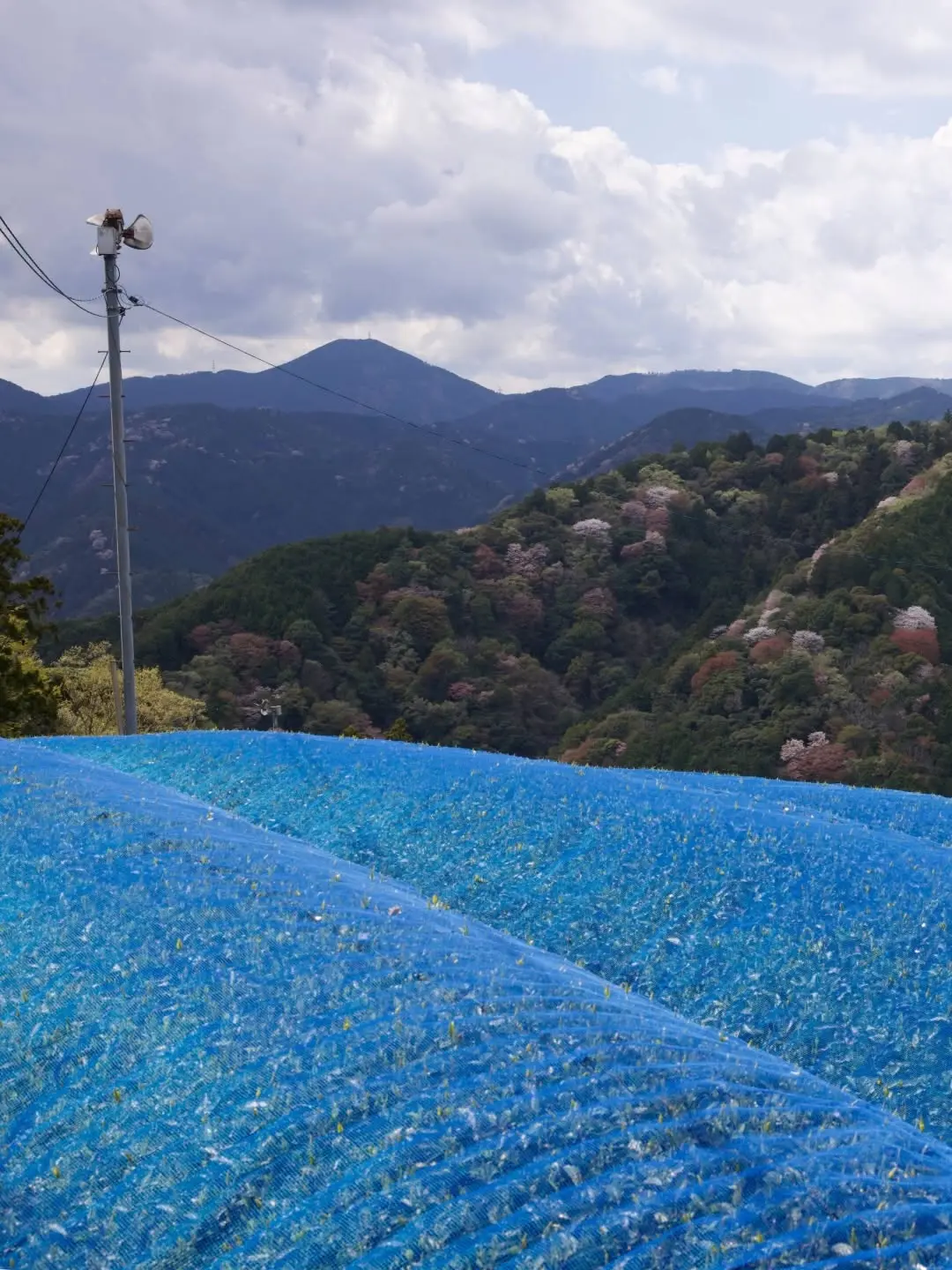
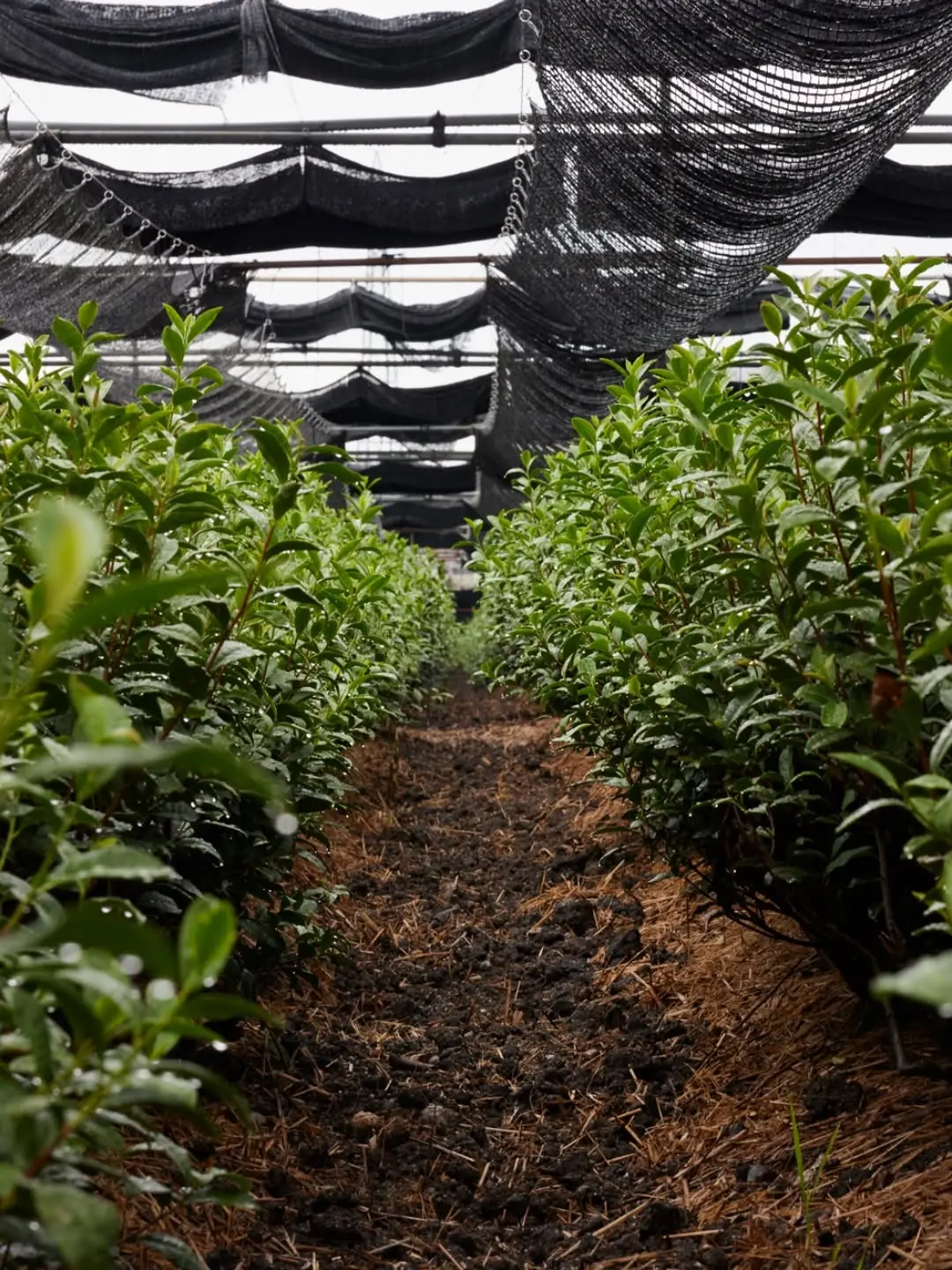
The tencha leaves destined for matcha undergo weeks of careful shading to amplify chlorophyll and L-theanine content. Processing follows the traditional asamushi steaming method—lasting just 20-40 seconds—to preserve delicate flavor nuances.

Complex Flavor, Conscious Sourcing

Each blend features carefully selected cultivars including Saemidori, Okumidori, and Yabukita, contributing unique characteristics to create complex flavor profiles. The result delivers elegant bitterness balanced with subtle sweetness and fully developed umami—a savory depth that creates lasting impressions far beyond simple green tea flavor.

For matcha enthusiasts seeking authenticity backed by scientific rigor, Sunday Natural/Yoshi En offers more than premium tea—they provide a bridge between centuries-old Japanese tradition and modern quality assurance.

About the Sunday Natural/Yoshi En Matcha

Sunday Natural/Yoshi En offers a matcha selection spanning everyday enjoyment to ceremonial excellence, reflecting a deep grasp of quality grades and traditional Japanese tea craft.

Product range and cultivars

The collection includes Premium, Super Premium, and Ceremonial grades. The Super Premium tier features the prized ceremonial ikkyu (first class), and the flagship Haruno blend is rebalanced each year in a master-blender approach. The matcha draws on Saemidori, Okumidori, and Yabukita cultivars, each adding distinct character.

Processing and flavor

Tencha undergoes weeks of shading to build chlorophyll and L-theanine, with brief 20-40 second asamushi steaming to preserve nuance. The Ikkyu grade is stone-milled in Uji on granite for a velvety texture. The result balances elegant bitterness with subtle sweetness and fully developed umami.

Harvest location

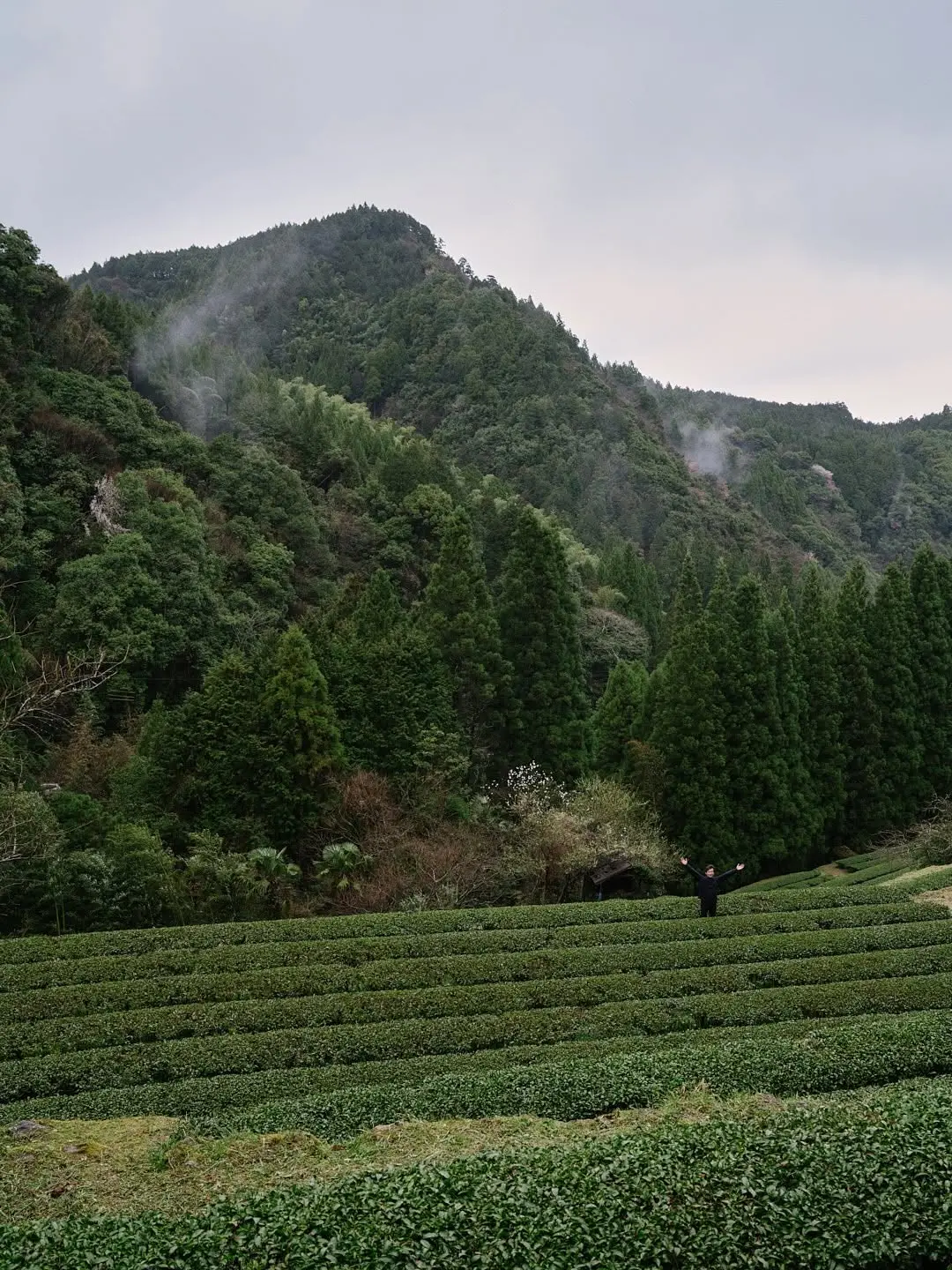
Sunday Natural / Yoshi En sources its matcha from carefully selected organic farms in Kagoshima and Shizuoka prefectures, favoring direct relationships with family-run farms committed to sustainable, ethical cultivation.

Sakamoto Organic Tea Garden, Kagoshima

This certified organic farm uses a Bokashi fertilizer system that turns local by-products from Shibushi into nutrient-rich soil amendments drawn from the region's sedimentary rock. Its shading gradually filters up to 98% of sunlight, encouraging larger, more tender, chlorophyll-rich leaves, and it harvests only once or twice a year to let plants recover.

Harvest method

Partner farms prioritize ichibancha first-flush harvests in early May, hand-picking young topmost leaves. The farms hold EU and JAS organic certification, and products undergo testing in independent German laboratories under HACCP guidelines.

Sunday Natural/Yoshi En History

Yoshi En (Japanese for "good garden") was founded in 2013 by Jörg Schweikart alongside its sister company Sunday Natural, uniting German precision with Japanese tea tradition.

That same year the team formed around more than 20 tea experts from over 10 countries and established direct partnerships with family-run farms in Kagoshima and Shizuoka. Its organic roots trace to JAS certification dating from 1985.

January 1, 1985

The foundation for Sunday Natural/Yoshi En's commitment to organic practices was established with JAS (Japanese Agricultural Standard) organic certification, demonstrating decades of dedication to sustainable and responsible tea cultivation practices.

January 1, 2013

Born out of a passion for tea, Jörg Schweikart conceived Yoshi En in 2013 alongside Sunday Natural. This marked the beginning of a unique fusion of German precision and Japanese tradition, with the brand name meaning 'good garden' in Japanese.

January 1, 2013

The Yoshi En team was established, bringing together more than 20 tea experts from over 10 countries who are dedicated to imparting their knowledge and love for tea while preserving centuries-old tea culture.

January 1, 2013

Sunday Natural/Yoshi En forged direct relationships with family-run farms in Kagoshima and Shizuoka, including partnerships with innovative operations like Sakamoto Organic Tea Garden, emphasizing fair wages, safe working conditions, and sustainable cultivation practices.

Frequently asked questions

Here are some frequently asked questions and answers.

What makes Sunday Natural/Yoshi En's Haruno blend different from their other matcha offerings?

The Haruno blend represents Sunday Natural/Yoshi En's commitment to consistent excellence through annual rebalancing. Unlike their single-cultivar options, Haruno combines Saemidori, Okumidori, and Yabukita cultivars in carefully adjusted proportions each year.

This annual rebalancing process allows their tea experts to adapt to each harvest's unique characteristics, ensuring the Haruno blend maintains its signature profile of elegant bitterness dancing with subtle sweetness, regardless of seasonal variations in individual cultivar performance.

How does the Sakamoto Tea Farm's Bokashi fertilizer impact Sunday Natural/Yoshi En's matcha quality?

Sakamoto Tea Farm's unique Bokashi fertilizer sets Sunday Natural/Yoshi En's matcha apart through innovative soil enrichment. This special fertilizer combines:

  • Body-compatible by-products from Shibushi's local industry
  • Ground elements from the region's sedimentary rock
  • Abundant microorganisms compared to synthetic fertilizers

The sedimentary rock acts as a nutrient reservoir that tea plant roots normally cannot access. The Bokashi process makes these minerals bioavailable, creating a thriving ecosystem that enhances the umami depth and complex flavor profiles in their matcha.

Why does Sunday Natural/Yoshi En's Super Premium grade include ceremonial matcha ikkyu?

The Super Premium grade incorporates ceremonial matcha ikkyu (first-class ceremonial grade) to deliver the pinnacle of Sunday Natural/Yoshi En's craftsmanship. This ikkyu designation represents matcha that undergoes traditional granite stone milling in Uji, preserving optimal nutrient retention and creating the signature velvety texture.

The inclusion of ikkyu in their Super Premium ensures fully developed umami and the complex sensory symphony that distinguishes their highest tier from standard ceremonial grades available elsewhere.

What's unique about the 98% shading process at Sunday Natural/Yoshi En's partner farms?

Sunday Natural/Yoshi En's partner farms, particularly Sakamoto Tea Farm, employ a distinctive graduated shading technique that slowly filters up to 98% of sunlight. Rather than immediately blocking all light, they use varying thicknesses of shading material to gradually reduce sun exposure.

This methodical approach motivates tea plants to produce larger, more tender leaves with significantly higher chlorophyll content. The slow process prevents growth shock while maximizing the L-theanine and chlorophyll concentrations that give Sunday Natural/Yoshi En's matcha its revitalizing energy and vibrant color.

How does Jörg Schweikart's vision influence Sunday Natural/Yoshi En's international tea expertise?

Founded by Jörg Schweikart in 2013, Sunday Natural/Yoshi En reflects his vision of fusing German precision with Japanese tradition. This philosophy manifests in their international team of 20+ tea experts from over 10 countries, creating a unique multicultural approach to traditional tea culture.

This diverse expertise allows Sunday Natural/Yoshi En to serve as both a purveyor of quality teas and an ambassador for contemporary tea culture, bridging ancient Japanese practices with modern global understanding while maintaining rigorous standards through independent German lab testing and HACCP food safety guidelines.