
Ssanggye Tea: Korean Grower in Hadong Since 1966
Who is Ssanggye Tea?

Ssanggye Tea videos
Ssanggye Tea in details
About the Ssanggye Tea Matcha
Harvest location
Ssanggye Tea History
Frequently asked questions
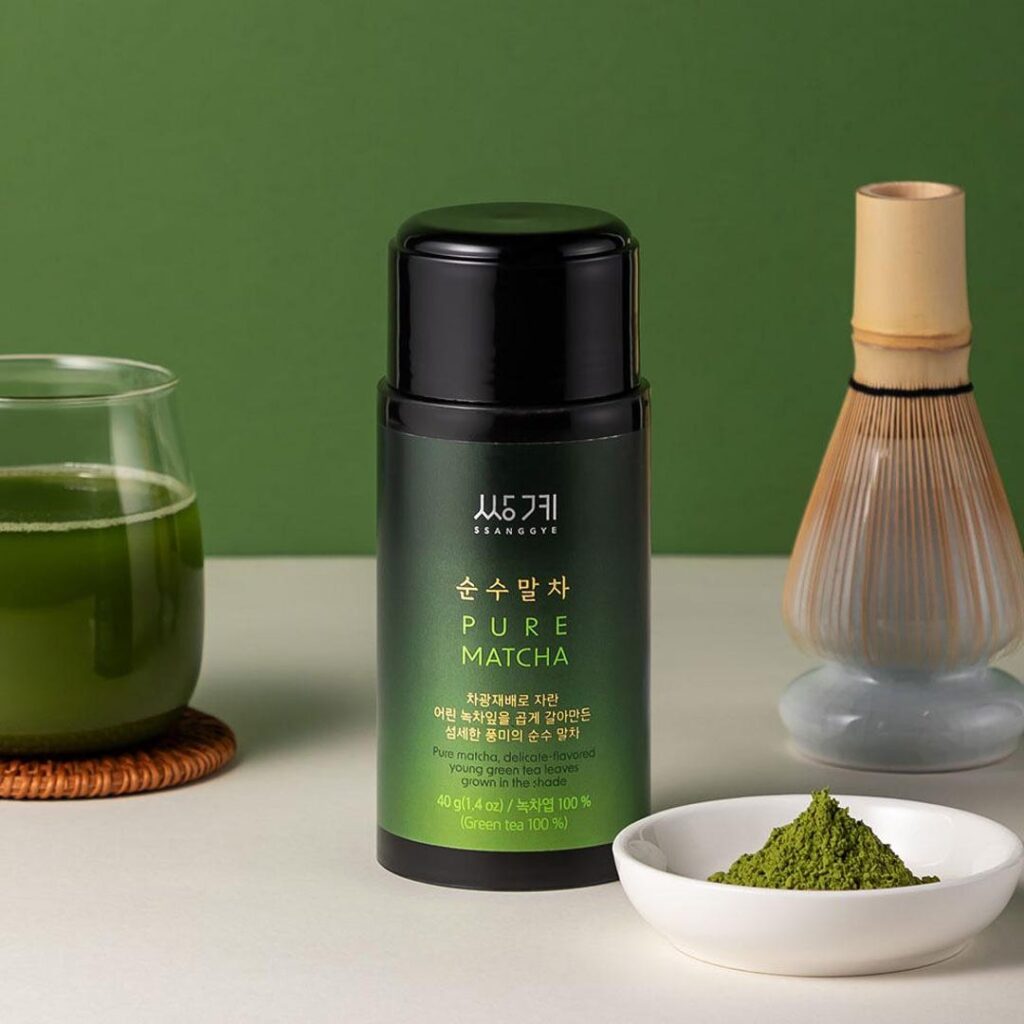
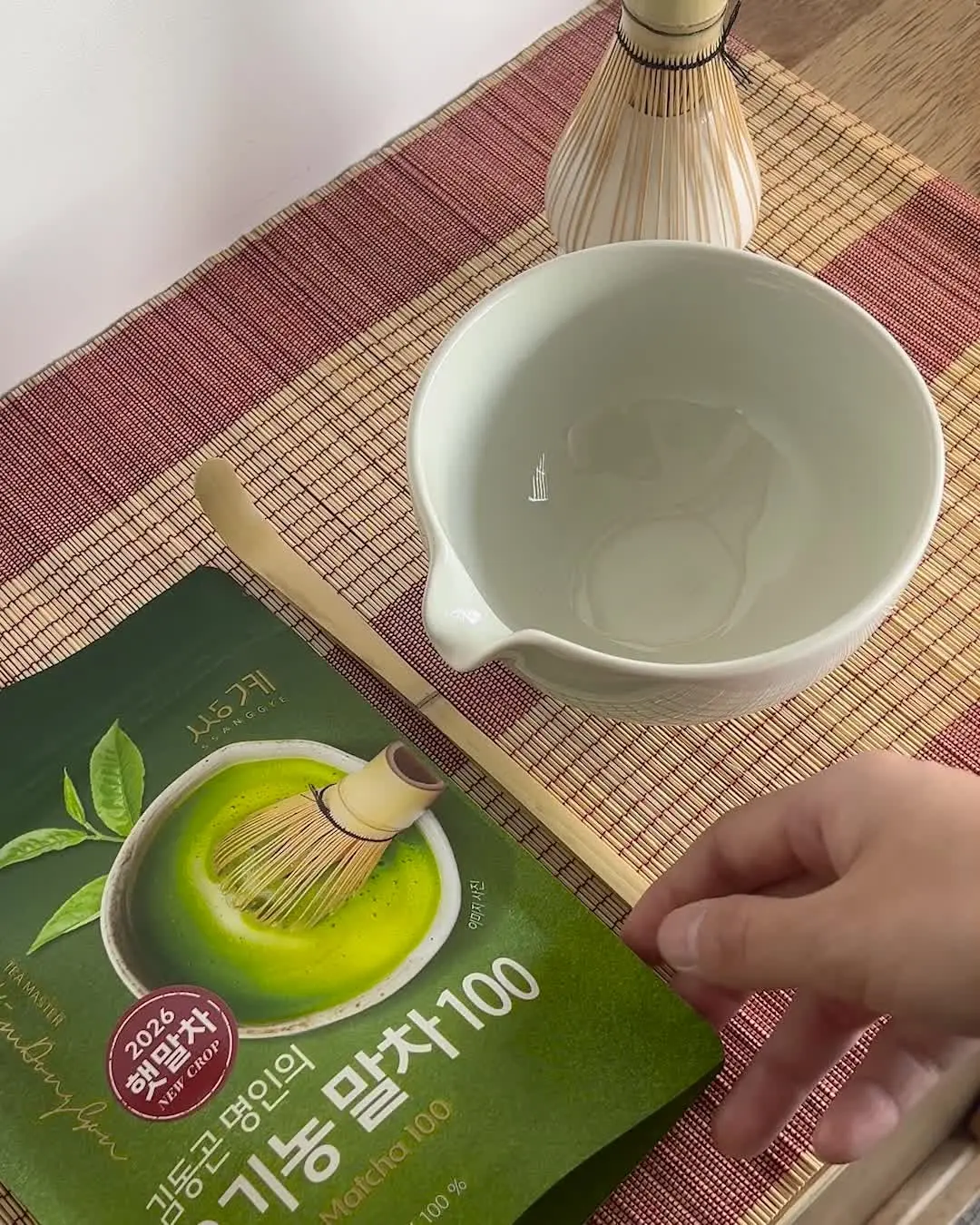
Ssanggye Korean Green Tea Powder offers a distinctly Korean interpretation of powdered green tea. Unlike Japanese matcha, Ssanggye’s version has a lighter, more refreshing taste with a notably smoother texture. While it’s shade-grown and stone-ground like premium Japanese matcha, the Korean terroir of Hadong-gun creates unique flavor characteristics.
The powder is often labeled as ceremonial grade, making it perfect for drinking straight rather than just cooking applications. This reflects Ssanggye’s commitment to preserving Korean tea traditions that date back to their founding in 1966.
Ssanggye continues using traditional hand-harvesting techniques even as other Hadong farms have switched to machinery for summer teas. Their skilled farmers pick leaves at the optimal time when there are three to five sprouts and the leaves reach exactly the right size.
Each batch undergoes personal inspection for color, aroma, and taste. This hands-on approach, maintained since their establishment in 1975, ensures that timing is perfect – harvesting too early reduces yield, while harvesting too late compromises the tea’s quality and flavor profile.
Ssanggye Organic Green Tea is available through several verified online platforms:
- Kosbee – Features their organic green tea with detailed product descriptions
- Etsy – Offers the Korean Green Tea Powder in 40g packages
- eBay – Various Ssanggye products including tea bags
- Weee! – Asian grocery platform with authentic Korean teas
When purchasing, look for the official Ssanggye (쌍계명차) branding to ensure you’re getting authentic products crafted from their 100% organically grown tea leaves from Hadong.
Ssanggye Temple holds special significance as what Dr. Lee Sun-keun identified as Korea’s first tea farm. This historical connection adds profound depth to Ssanggye Tea’s heritage and validates their role as guardians of Korean tea culture.
Located in Hadong-gun, Gyeongsangnam-do, the same region where Ssanggye Tea Co., Ltd. was established in 1975, this temple represents the birthplace of Korean tea cultivation. The company’s tea museum in Hadong serves as a living tribute to this rich history, demonstrating their commitment to preserving and continuing Korea’s ancient tea traditions.
Hadong represents the heart of Korean tea culture with a terroir unlike anywhere else in Korea. Since 1966, Ssanggye recognized this region’s unique environmental conditions that create their tea’s distinctive characteristics.
The fresh, earthy aroma of their organic green tea directly reflects Hadong’s specific climate and soil conditions. By maintaining their operations in Hwagae, Hadong-gun since 1975, Ssanggye ensures their teas capture the authentic essence of Korea’s premier tea-growing region, where traditional methods and natural terroir combine to produce teas with unmatched Korean character.