
Preferred Matcha Tea Company: US Importer Since 2020
Who is Preferred Matcha Tea Company?
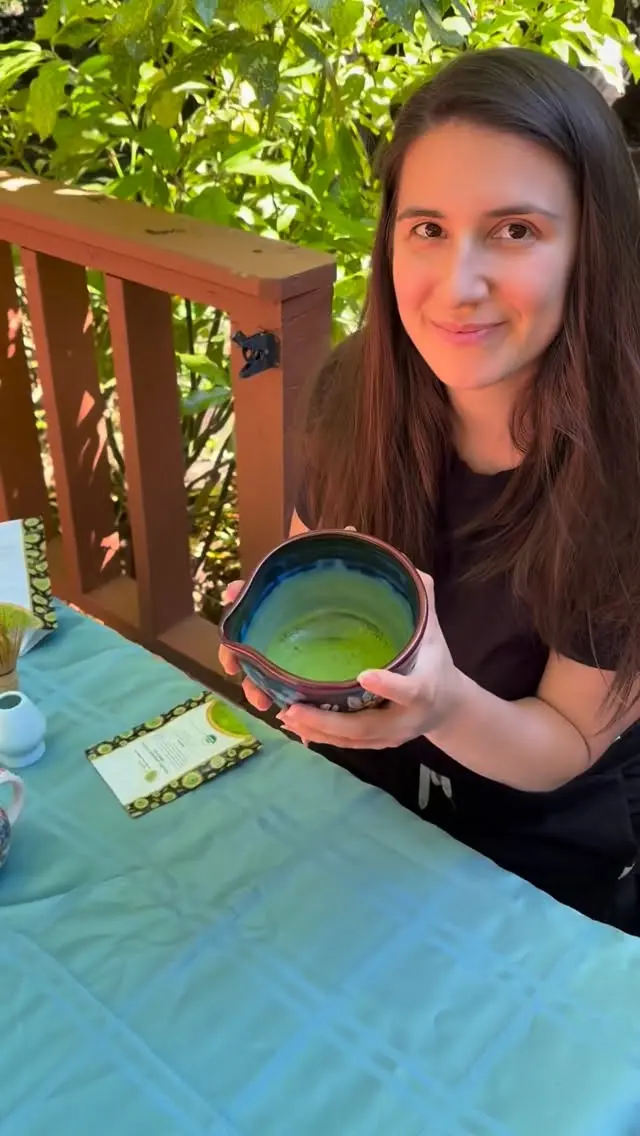
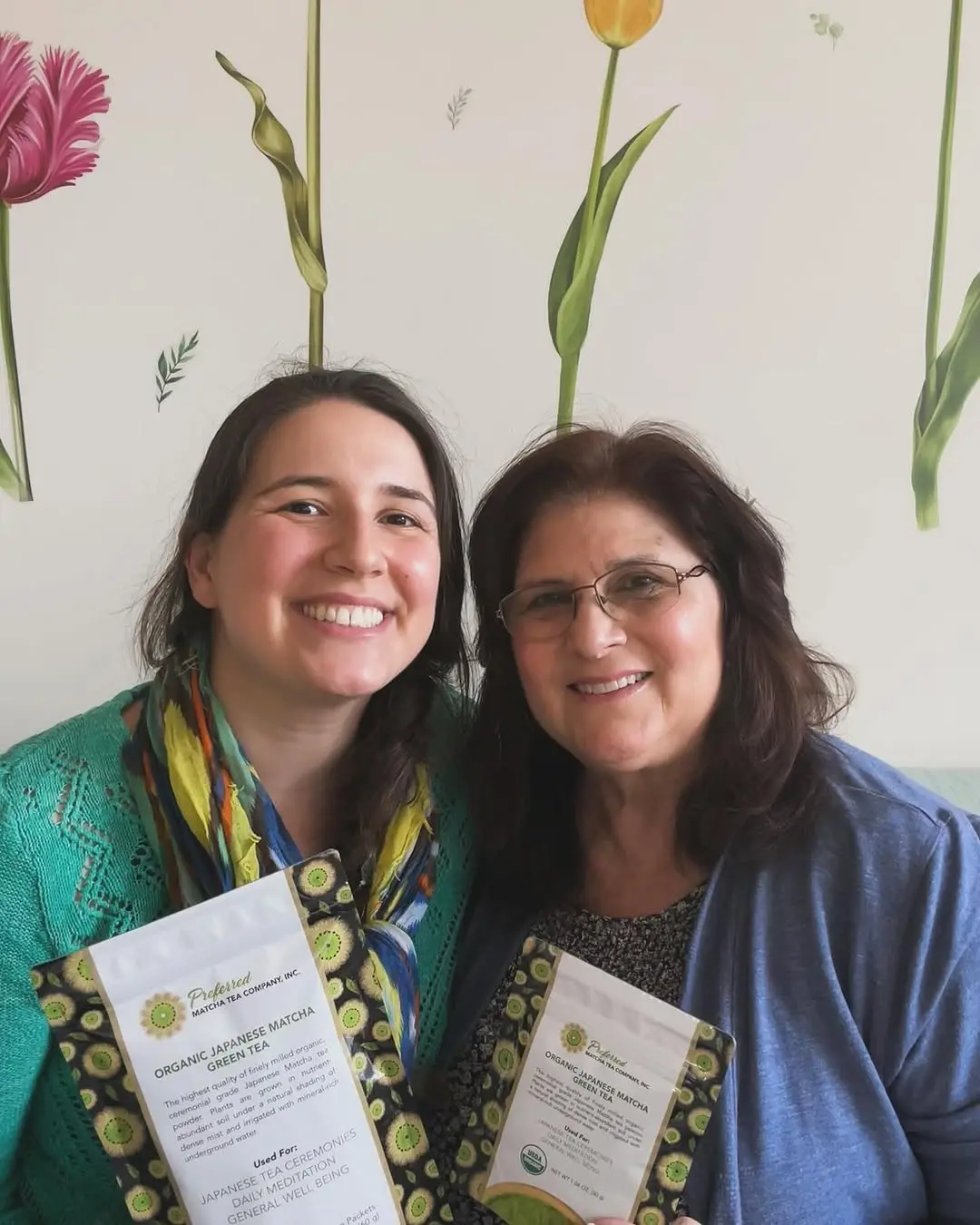
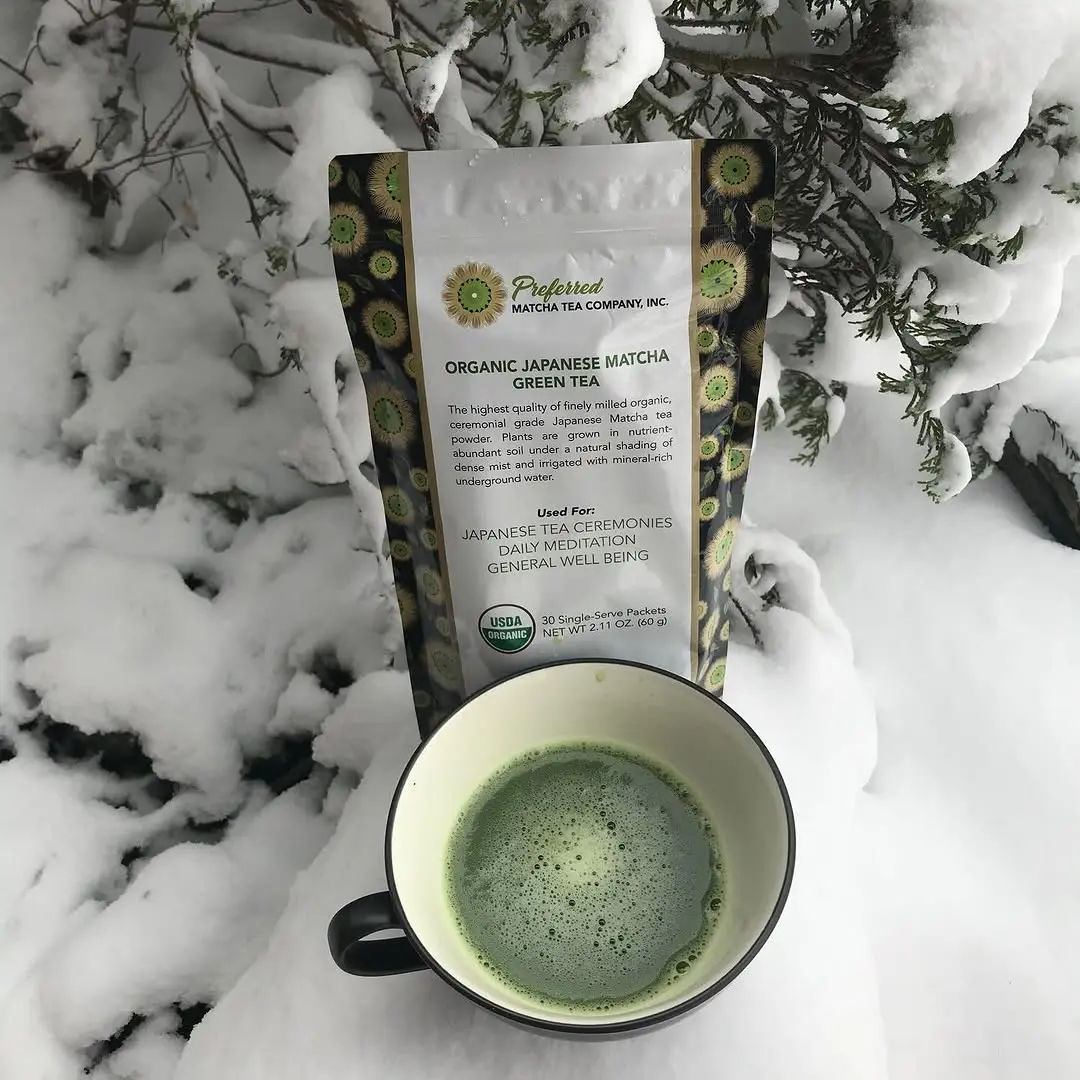
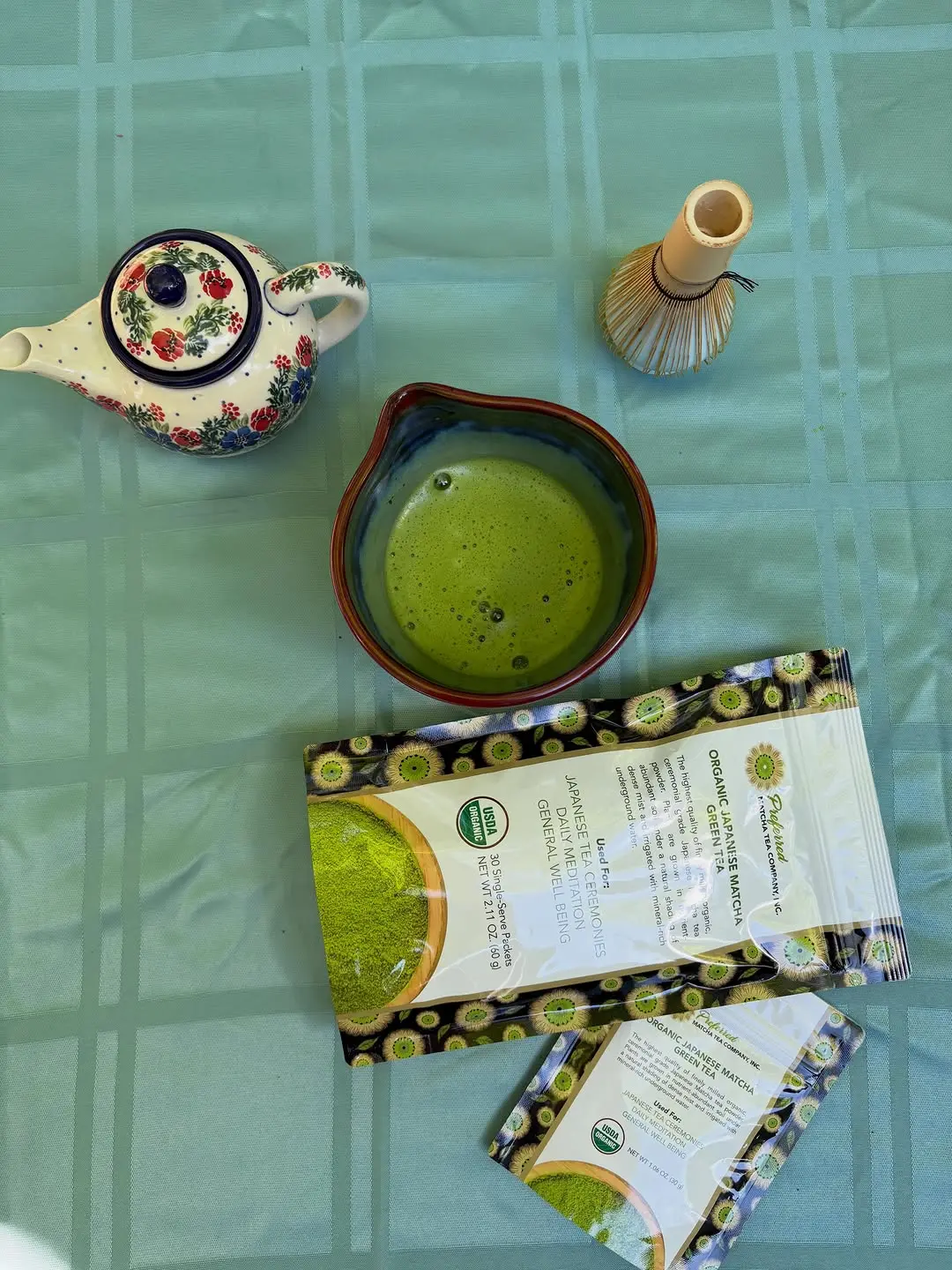

Preferred Matcha Tea Company in details
About the Preferred Matcha Tea Company Matcha
Harvest location
Preferred Matcha Tea Company History
Frequently asked questions
Preferred Matcha Tea Company sources their matcha from the elevated highlands of Japan, utilizing nutrient-rich organic soil for cultivation. While the company emphasizes their highland location as a key factor in their matcha quality, specific regional details about their exact cultivation areas remain proprietary information.
The elevated terrain provides ideal growing conditions with proper drainage and temperature variations that contribute to the development of umami (savory taste) compounds in their tea leaves. This highland approach aligns with traditional Japanese cultivation methods used in renowned regions like Uji in Kyoto Prefecture and Kagoshima.
The harvesting methods employed by Preferred Matcha Tea Company represent one of the key questions about their production process. While the company emphasizes quality and organic practices, specific details about whether they utilize traditional hand-picking methods or modern machine-harvesting techniques are not readily disclosed.
- Hand-picking ensures only the youngest, most tender leaves are selected for ceremonial grade matcha
- Machine harvesting allows for greater efficiency to meet market demand
- The choice significantly impacts the final product’s quality and grade classification
While Preferred Matcha Tea Company highlights their use of elevated highland locations with nutrient-rich organic soil, the specific cultivars (tea plant varieties) they employ in their cultivation process remain undisclosed. Traditional Japanese matcha production typically uses specific cultivars like Yabukita, Okumidori, or Samidori, each contributing distinct flavor profiles and characteristics to the final matcha powder.
The grading system used by Preferred Matcha Tea Company and how it aligns with traditional Japanese classifications presents an interesting area of inquiry. Traditional Japanese matcha grading distinguishes between:
- Ceremonial grade – made from first flush leaves with subtle, nuanced flavors
- Premium grade – uses leaves harvested slightly later with stronger flavor profiles
- Culinary grade – derived from later harvests, ideal for lattes and baking
Understanding how Preferred Matcha Tea Company’s specific grades correspond to these traditional categories would help customers make informed purchasing decisions based on their intended use.
Preferred Matcha Tea Company’s level of control over their supply chain remains an important consideration for quality-conscious consumers. Leading matcha producers like Aiya (family-owned since 1888) and Ippodo Tea in Kyoto maintain complete vertical integration, overseeing every stage from seed to bowl.
The degree to which Preferred Matcha Tea Company controls their production process – from tea plant cultivation and harvesting to processing and packaging – would provide valuable insight into their quality assurance capabilities and commitment to traditional Japanese matcha production standards.