
Who is Matcha Outlet?

Matcha Outlet is a matcha retailer sourcing from Japan and China, with pure, latte, and flavored blends for whisking, drinks, cooking, and baking. Its range spans ceremonial, latte, and culinary grades, linking chanoyu preparation with modern beverage use.

Its partnership with Ooigawachaen Co., Ltd. connects sourcing to Japanese tea heritage and regions including Uji, Nishio, and Yame. Ceremonial offerings draw on oishita saibai shading and may use ichibancha first-harvest leaves, while tezumi hand-picking supports selective picking.

Videos

Matcha Outlet videos

Premium matcha from tradition to modern convenience

Browse the gallery to see 26 videos about matcha.

Matcha Outlet in details

Matcha Outlet bridges the gap between ancient tea traditions and modern lifestyle demands. Based in Arlington Heights, Illinois, this premium matcha marketplace delivers authentic Japanese and Chinese matcha directly to consumers who refuse to compromise on quality or convenience.

Sourcing Excellence Across Two Tea Cultures

The brand curates premium matcha from Japan and China, recognizing that both origins offer distinct flavor profiles and cultural significance. Japanese selections include Private Reserve varieties prized for their vibrant color and umami depth. Chinese matcha provides alternative taste experiences that expand beyond traditional boundaries.

This dual-origin approach gives tea enthusiasts genuine choice. Whether you seek the refined elegance of Japanese ceremonial matcha or the robust character of Chinese varieties, Matcha Outlet eliminates the guesswork from sourcing.

Three Grades for Every Purpose

Understanding that different uses demand different qualities, the brand organizes its catalog into three clear categories:

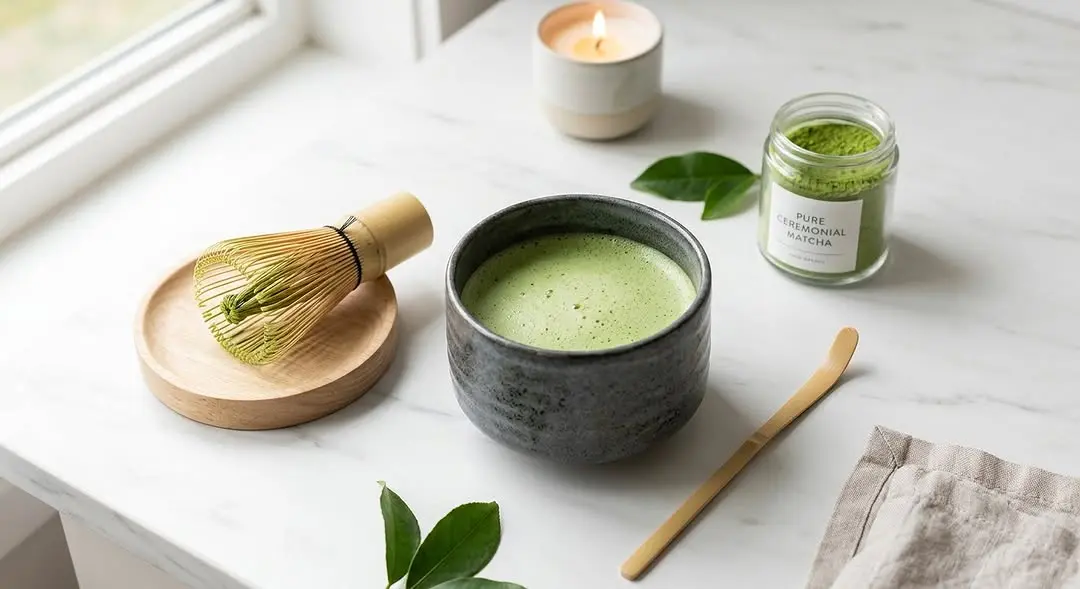
  • Ceremonial Grade: Finest texture and vibrant color for traditional tea ceremonies and pure whisked preparation
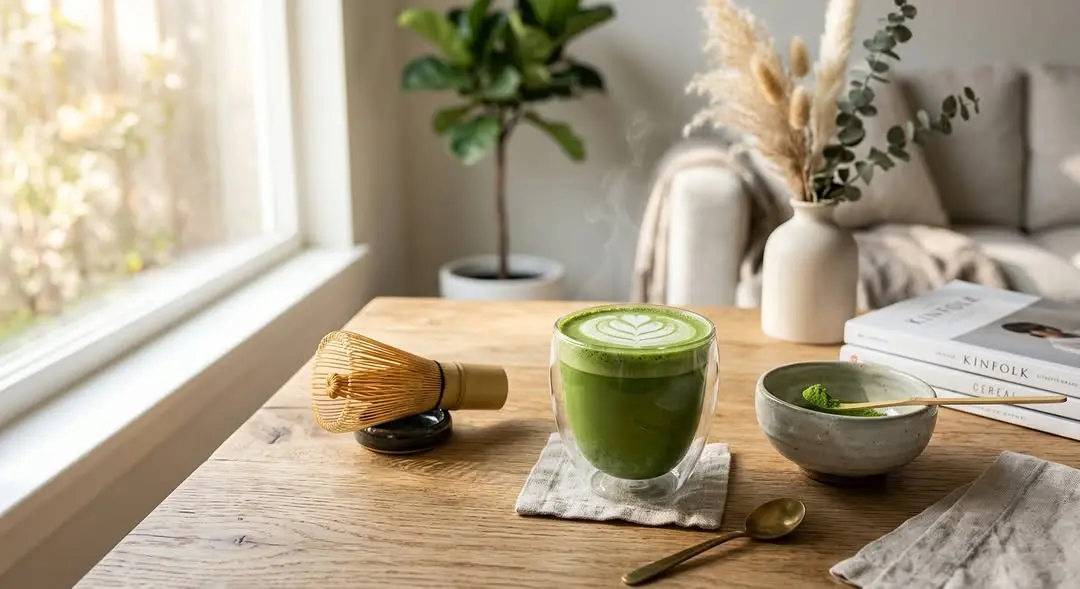
  • Premium Latte Grade: Balanced flavor that holds up beautifully in milk-based beverages without bitterness
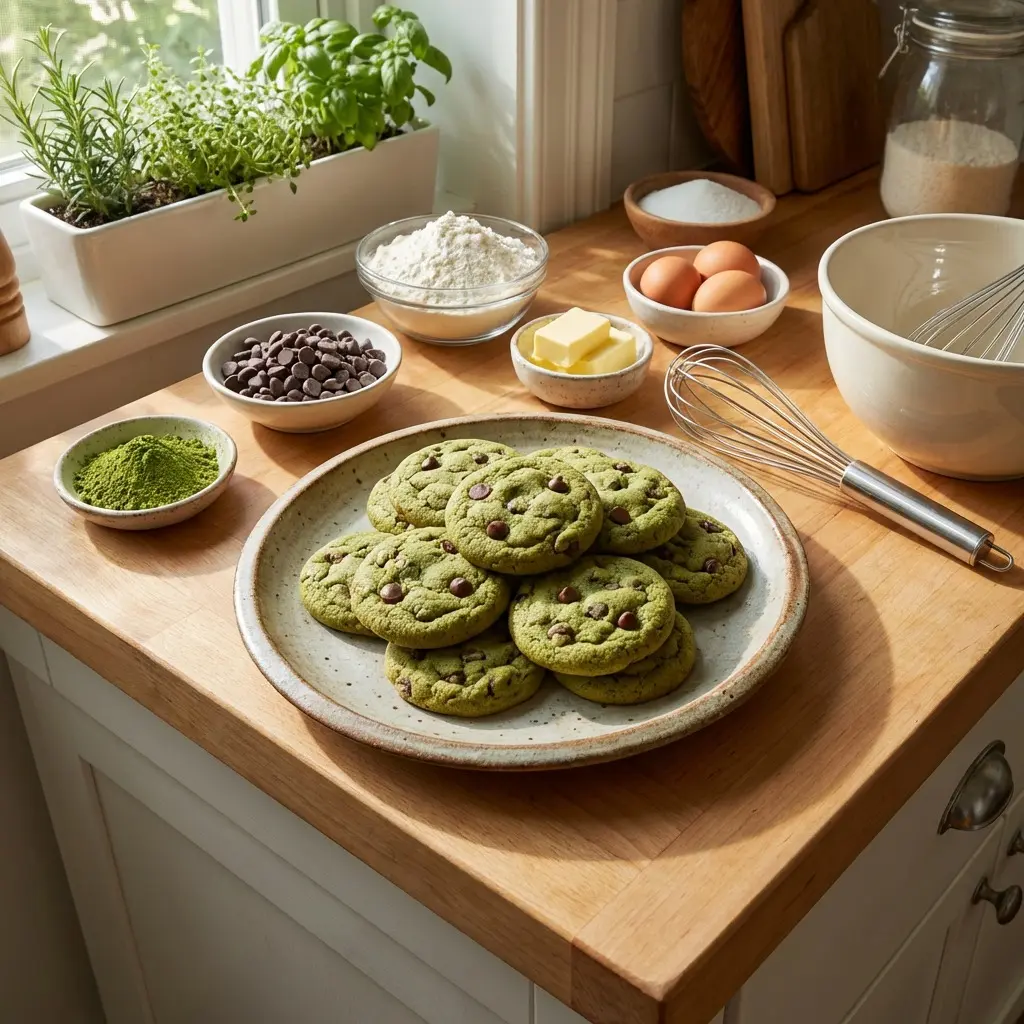
  • Culinary Grade: Robust intensity designed specifically for cooking, baking, and recipe applications

This transparent grading system helps customers select the right matcha for their specific needs rather than paying ceremonial prices for culinary applications.

Modern Convenience Meets Traditional Standards

Matcha Outlet makes premium tea accessible through wholesale bulk pricing and free shipping on orders over $75. The platform serves both individual enthusiasts and businesses seeking reliable supply chains.

Beyond products, the brand provides educational resources and recipes that demystify matcha preparation. From traditional whisking techniques to contemporary matcha lemonade recipes, customers gain the knowledge to use their purchases confidently.

Expanding the Matcha Experience

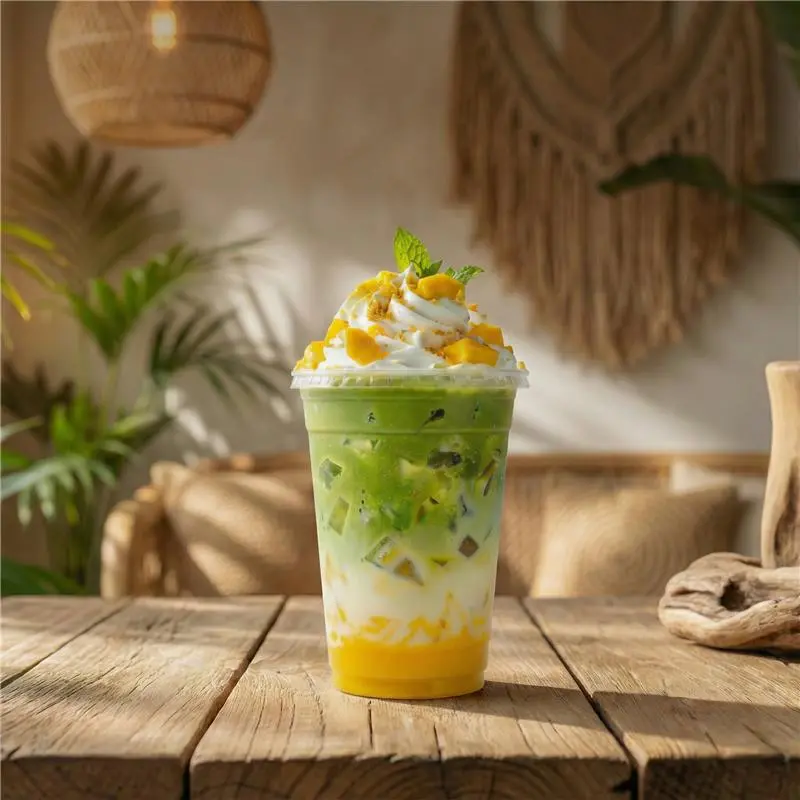
The marketplace extends beyond pure matcha powder to include complementary offerings like freeze-dried dragon fruit, blue spirulina, and preparation accessories. Specialty drinks such as Pink Drink with dragon fruit and honey demonstrate creative applications while maintaining quality standards.

This comprehensive approach positions Matcha Outlet as more than a supplier—it’s a resource for anyone exploring matcha’s versatility. Whether you’re preparing your first bowl or stocking a café, the brand delivers authentic matcha with modern convenience.

About the Matcha Outlet Matcha

Matcha Outlet offers a broad selection of matcha spanning traditional and modern preparation, with matcha sourced from Japan and China.

Product Range

  • Pure Matcha: unadulterated powder for traditional preparation.
  • Latte Matcha: blends formulated for lattes and milk-based drinks.
  • Flavored Matcha: infusions with complementary flavors for broader tastes.

Quality Grades

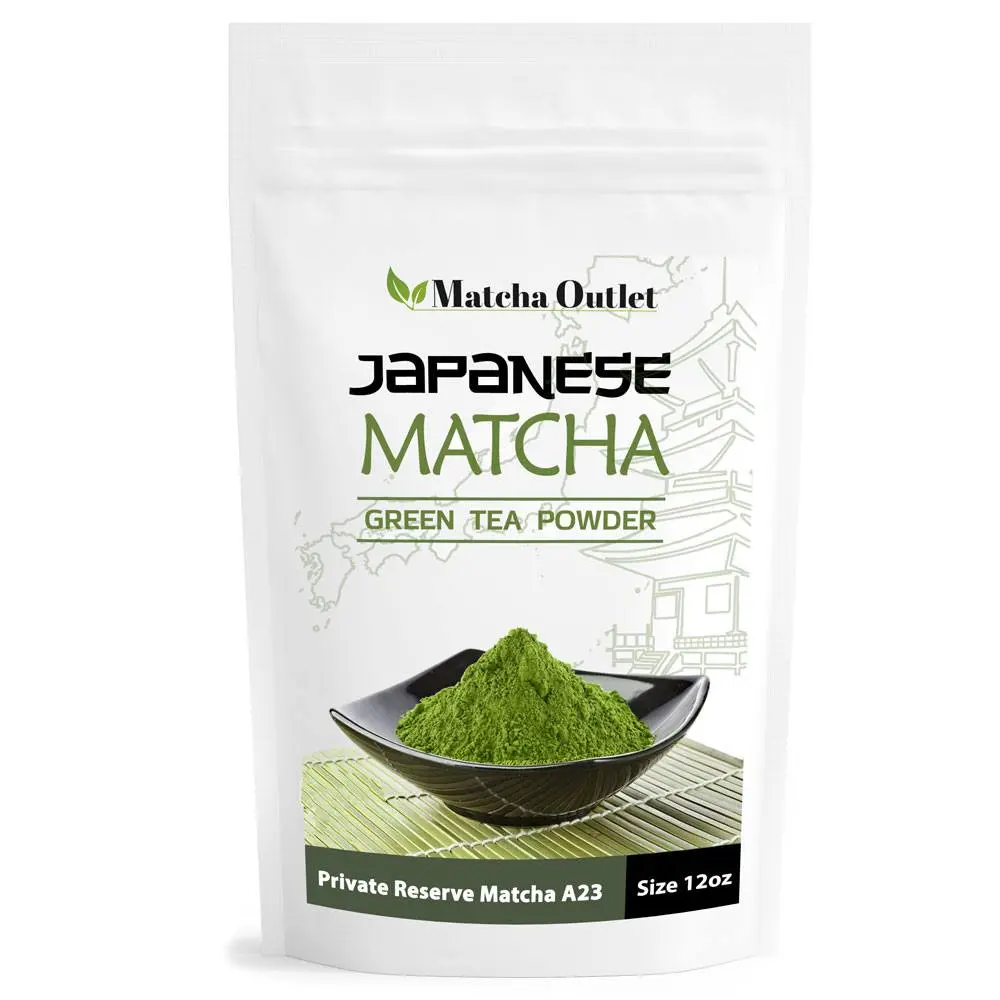
Offerings fall into three grades. Ceremonial grade is the highest quality, reserved for traditional chanoyu preparation. Premium or latte grade suits beverage applications, while culinary grade serves cooking and baking. Bestsellers include the Sweet Japanese Matcha Green Tea Latte and Private Reserve Matcha A23, showing the brand's appeal across traditional and modern drinkers.

Harvest location

Matcha Outlet sources from Japan's most renowned matcha-growing regions, where centuries-old cultivation defines quality. Its sourcing partnership with Ooigawachaen Co., Ltd. ties the brand to Japan's established tea heritage.

Growing regions

Cultivation centers on three principal regions. Uji in Kyoto Prefecture is the most prestigious, where oishita saibai shading has been perfected since the 16th century. Nishio in Aichi Prefecture and Yame in Fukuoka Prefecture add unique climate and soil conditions that shape distinct flavor profiles.

Shading, harvest, and picking

The oishita saibai method covers plants for four to six weeks before harvest, sharply raising chlorophyll and L-theanine and building matcha's umami and vibrant color. The finest tea comes from ichibancha, the first harvest from late April to mid-May, yielding young, tender leaves. Two picking methods set quality: tezumi hand-picking allows greater selectivity, while machine harvesting serves other grades.

Matcha Outlet History

Matcha Outlet is a modern retailer built on matcha's thousand-year heritage. The practice of grinding tea into powder emerged in Tang Dynasty China (618–907 AD).

From China to Japan

  • 12th century: Buddhist monk Eisai brought tea seeds from China to Japan, planting them near Kyoto.
  • 16th century: The oishita saibai shading technique took hold in Uji, and Sen no Rikyu codified the chanoyu tea ceremony.
January 1, 0618

During the Tang Dynasty (618-907 AD), the practice of steaming and grinding tea leaves into fine powder first emerged in China, primarily for ease of transport and consumption. This foundational technique would later evolve into the matcha we know today.

January 1, 1200

In the 12th century, Buddhist monk Eisai carried tea seeds from China to Japan, planting them in the Kyoto region. Eisai is credited with popularizing matcha in Japan, advocating its use for both health and spiritual benefits within Zen monasteries.

January 1, 1500

The traditional shading practice known as oishita saibai (覆下栽培) was established in Japan's Uji region during the 16th century. This crucial technique involves shading tea plants for 4-6 weeks before harvest to develop the umami flavor and vibrant color characteristic of premium matcha.

January 1, 1500

Master Sen no Rikyū popularized and codified the chanoyu (茶の湯) tea ceremony in the 16th century, elevating matcha preparation to an art form. This ceremony embodied harmony, respect, purity, and tranquility, deeply intertwining matcha with Japanese aesthetics and philosophy.

Frequently asked questions

Here are some frequently asked questions and answers.

What types and grades of matcha does Matcha Outlet sell?

Matcha Outlet carries pure matcha, latte matcha, and flavored matcha sourced from Japan and China. Its quality categories are ceremonial, premium or latte, and culinary grades. Ceremonial matcha is reserved for traditional chanoyu preparation, latte grade supports beverage applications, and culinary grade is intended for cooking and baking. This structure connects each grade with a stated use.

Does Matcha Outlet source matcha from Japan or China?

Matcha Outlet sources matcha from both Japan and China. Its catalog presents Japanese and Chinese products as distinct origin choices with different flavor profiles. Japanese sourcing includes a partnership with Ooigawachaen Co., Ltd. and connections to established tea regions. The dual-origin selection gives shoppers options across traditional powders, latte blends, and flavored products for several preparation styles.

Which Japanese regions are represented in Matcha Outlet sourcing?

Matcha Outlet’s Japanese sourcing is connected to Uji in Kyoto Prefecture, Nishio in Aichi Prefecture, and Yame in Fukuoka Prefecture. Its partnership with Ooigawachaen Co., Ltd. links the retailer to Japanese tea production. The record explains that the climates and soils of these regions contribute distinct characteristics to the matcha grown there.

How should I choose between Matcha Outlet ceremonial, latte, and culinary matcha?

Select ceremonial grade for pure whisked matcha or traditional chanoyu preparation. Premium latte grade is formulated for lattes and other milk-based beverages, where its balanced flavor is intended to remain noticeable. Culinary grade has a more robust intensity for cooking, baking, and recipes. Matching the grade to the application avoids using ceremonial powder where culinary matcha is intended.

How are Matcha Outlet’s ceremonial tea plants shaded and harvested?

The Japanese cultivation record describes oishita saibai, which covers tea plants for four to six weeks before harvest. The finest tea may use ichibancha, the first harvest of young, tender leaves. Tezumi hand-picking provides greater selectivity, while machine harvesting is used for other grades. These methods support different quality levels within Matcha Outlet’s Japanese selection.