

O’sulloc: Korean Grower on Jeju Island Since 1979
Who is O’sulloc?
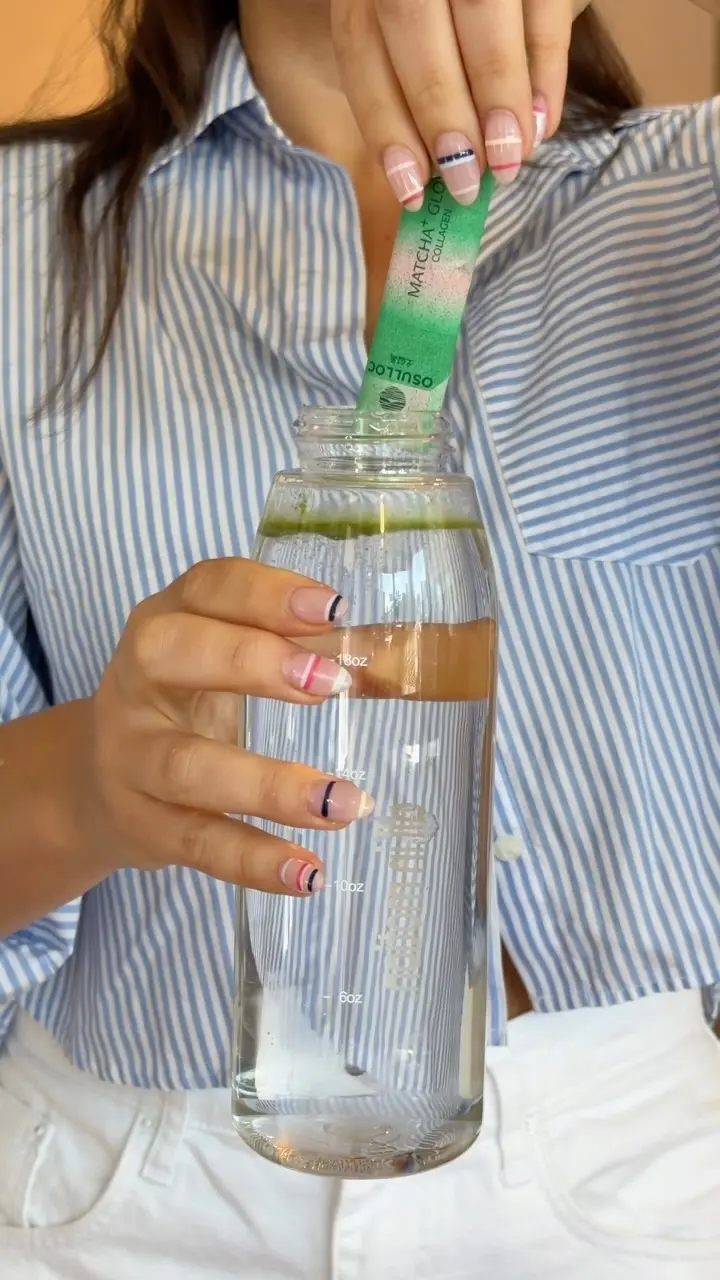

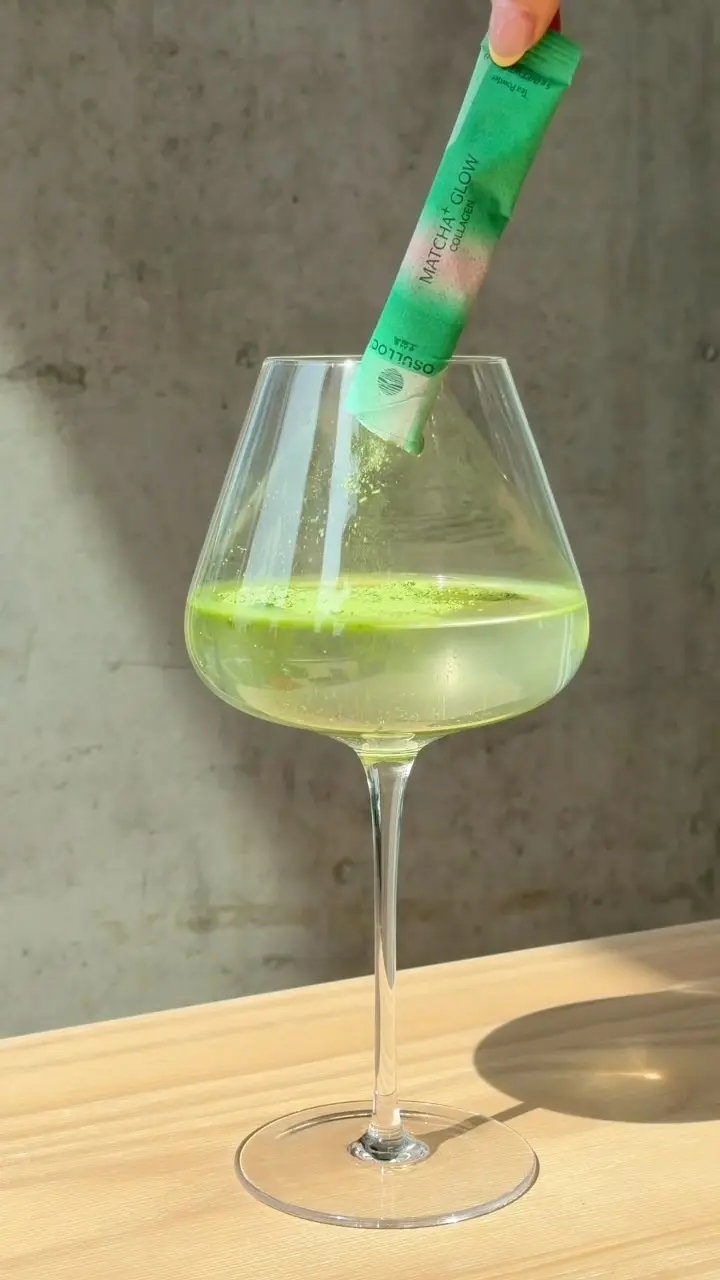
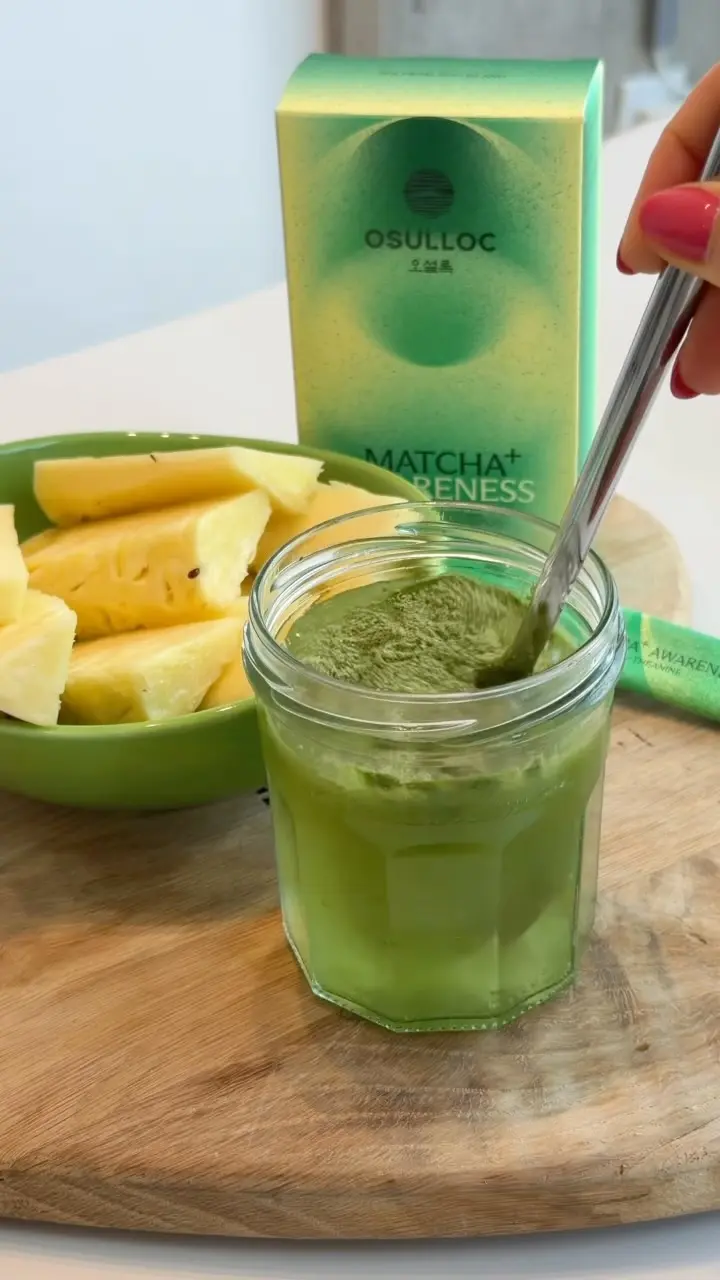
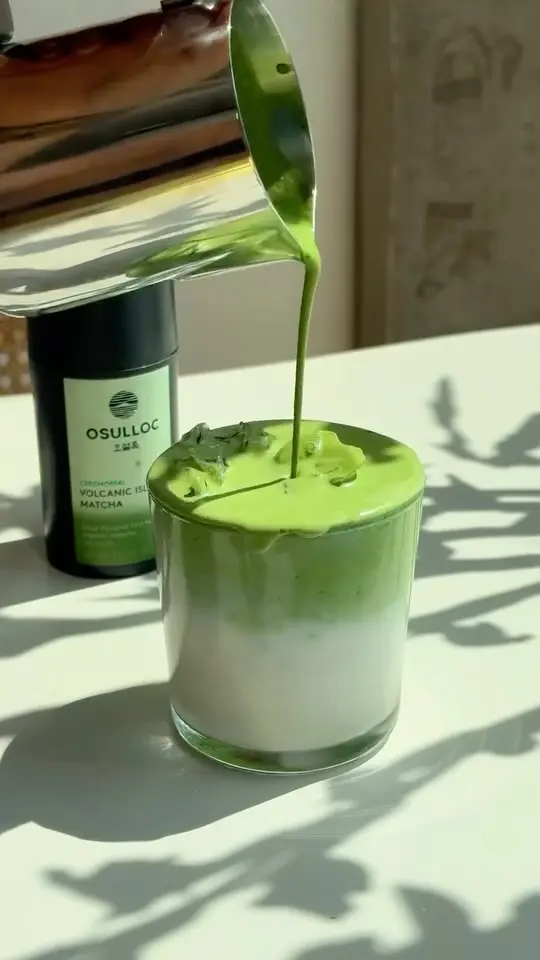

O’sulloc videos
O'sulloc in details
About the O’sulloc Matcha
Harvest location
O’sulloc History
Frequently asked questions
O’sulloc’s Premium Matcha Powder offers a rich, earthy flavor profile with minimal bitterness and vibrant green color, making it ideal for both traditional tea ceremonies and culinary applications. The high chlorophyll content indicates superior antioxidant levels and delivers deep umami (savory) notes with subtle vegetal undertones.
In contrast, their Organic Matcha Stick Packs are specifically engineered for on-the-go consumption with a more consistent, accessible flavor profile. While less pronounced than the premium powder, these portable packs prioritize convenience and consistency for everyday matcha enthusiasts who need quick preparation during busy schedules.
When Suh Sung-whan founded O’sulloc in 1979, Korean tea culture was nearly extinct due to rapid industrialization and the popularity of Western coffee. Rather than simply preserving tradition, he implemented radical innovations:
- Applied scientific rigor to soil analysis and water management on Jeju Island’s volcanic terrain
- Built modern processing facilities to maximize each leaf’s potential
- Created strategic marketing that positioned tea as wellness-focused lifestyle choice
- Designed immersive tea house experiences as cultural sanctuaries
His approach transformed O’sulloc from a preservation effort into a cultural revival movement that successfully reintroduced Korean tea to a new generation.
O’sulloc’s commitment to hand-picking isn’t nostalgic tradition—it’s a calculated pursuit of perfection for their single-origin Jeju Island matcha. Skilled hands select only the youngest, most tender leaves that burst with optimal flavor and aroma compounds, something mechanical harvesting cannot replicate.
This meticulous selection process, combined with their USDA Organic, IFOAM, and EU Organic certifications since 2010, ensures their matcha maintains the highest quality standards while leveraging Jeju’s unique volcanic terroir (environmental factors) that gives their tea its distinctive characteristics.
The 1999 debut of ‘Illohyang’ marked O’sulloc’s triumphant entry onto the international stage, earning global accolades that announced Korea’s return to premium tea production. This wasn’t merely a product launch—it was proof that Korean tea could compete with established tea-producing nations.
The 2001 opening of the O’sulloc Tea Museum represented a cultural manifesto, demonstrating the company’s commitment beyond commercial success to preserving and promoting Korea’s tea heritage. Together, these milestones established O’sulloc as both a premium tea producer and cultural ambassador, spreading Korean tea culture globally one cup at a time.
Yes, O’sulloc’s Premium Matcha Powder from Jeju Island’s volcanic soil is specifically designed for versatility. The rich, earthy flavor with minimal bitterness makes it equally suited for traditional tea preparation and culinary innovation. The high chlorophyll content and vibrant green color enhance both the visual appeal and nutritional value of beverages, desserts, and savory dishes.
However, their Organic Matcha Stick Packs are optimized for convenient drinking rather than cooking, offering consistent flavor for quick preparation but lacking the intensity needed for culinary applications where matcha flavor must compete with other ingredients.