Nakamura Tokichi Honten: Uji Tea House Since 1854
Who is Nakamura Tokichi Honten?
Nakamura Tokichi Honten products
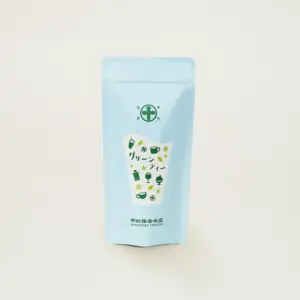
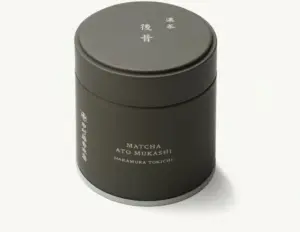
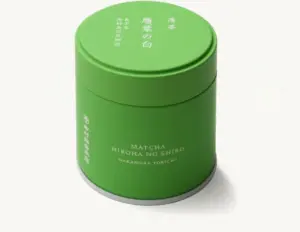
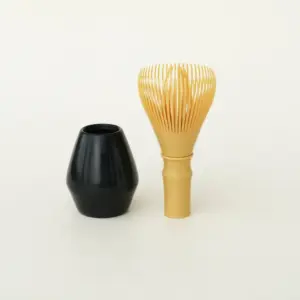
Nakamura Tokichi Honten videos
Nakamura Tokichi Honten in details
About the Nakamura Tokichi Honten Matcha
Matcha from Japan, Kyoto, Uji
Nakamura Tokichi Honten History
Founding of Nakamura Tokichi Honten
Civic Leadership and Community Service
Revolutionary Matcha Grinding Innovation
Imperial Recognition Under Emperor Taisho
Cultural Heritage Designation
Frequently asked questions
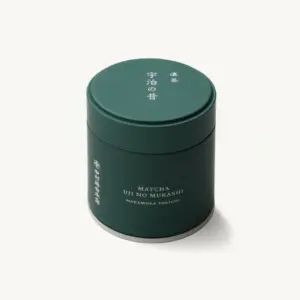
Nakamura Tokichi Honten makes matcha from Kyoto-grown first-flush leaves. Its stated profile combines smooth umami, gentle sweetness, minimal bitterness, and vibrant color. The ceremonial-grade Uji-no-Mukashi adds deep umami, subtle sweetness, and a velvety texture, while other named ceremonial grades provide distinct profiles for tea ceremony and mindful drinking.
Nakamura Tokichi Honten’s ceremonial collection includes Uji-no-Mukashi, Fuji no Shiro, and Seikan no Shiro for tea ceremony or mindful moments. Beyond those options, premium grades offer balanced flavor and vibrant color for daily use and lattes, while standard grades are intended for baking and other culinary preparations.
Nakamura Tokichi Honten sources its matcha from Uji in Kyoto Prefecture. The record describes Uji as a renowned tea region and an Important Cultural Landscape whose terroir has shaped tencha for centuries. Production uses Kyoto-grown leaves, including first-flush material selected for the brand’s matcha offerings and flavor profiles.
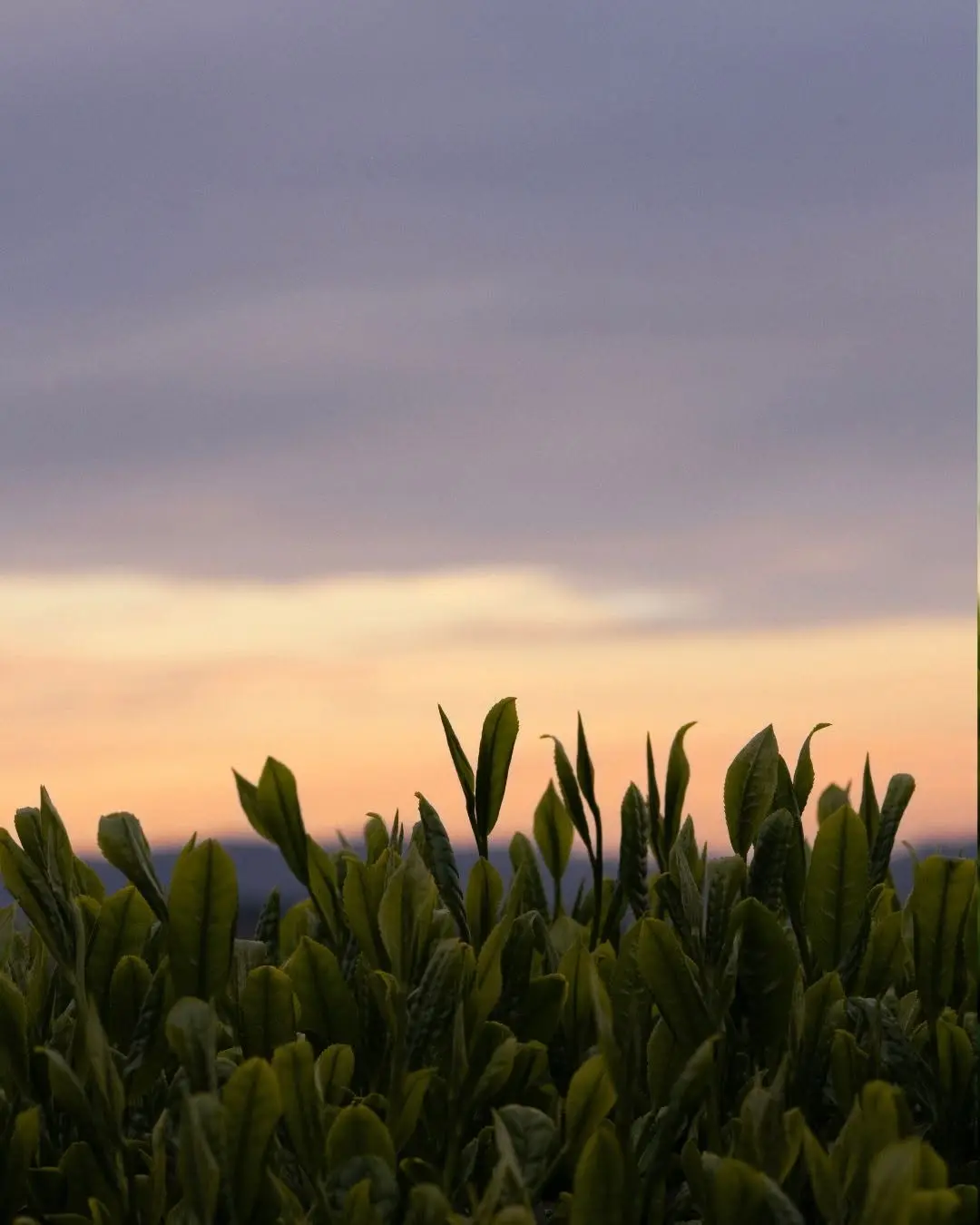
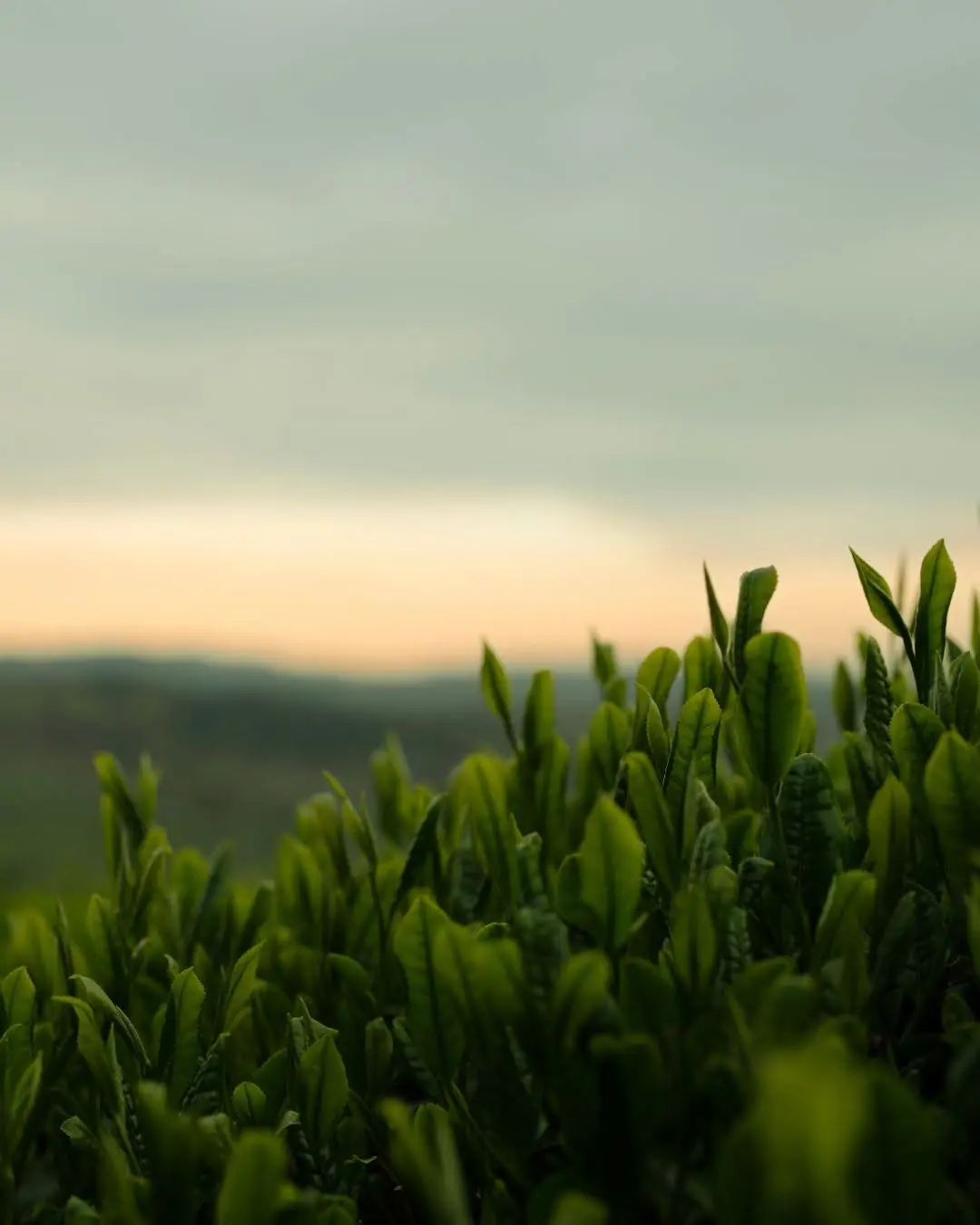
Production centers on kabusecha cultivation, in which new tea shoots are covered to block sunlight. The cover generally remains for several weeks before harvest. According to the record, this suppresses the conversion of sweet and umami compounds into bitter, astringent ones, supporting mellow sweetness, rich aroma, and vibrant green color.
Nakamura Tokichi Honten was founded in 1854 after Tokichi Nakamura, who had apprenticed under Hoshino Soi beginning in 1840, opened a shop in Ujibashi-dori, Kyoto. The company later adopted the Maruto brand. Its history also includes electrifying its matcha grinding mill and receiving Patent No. 25028.