Who is Mizuba Tea Co.?

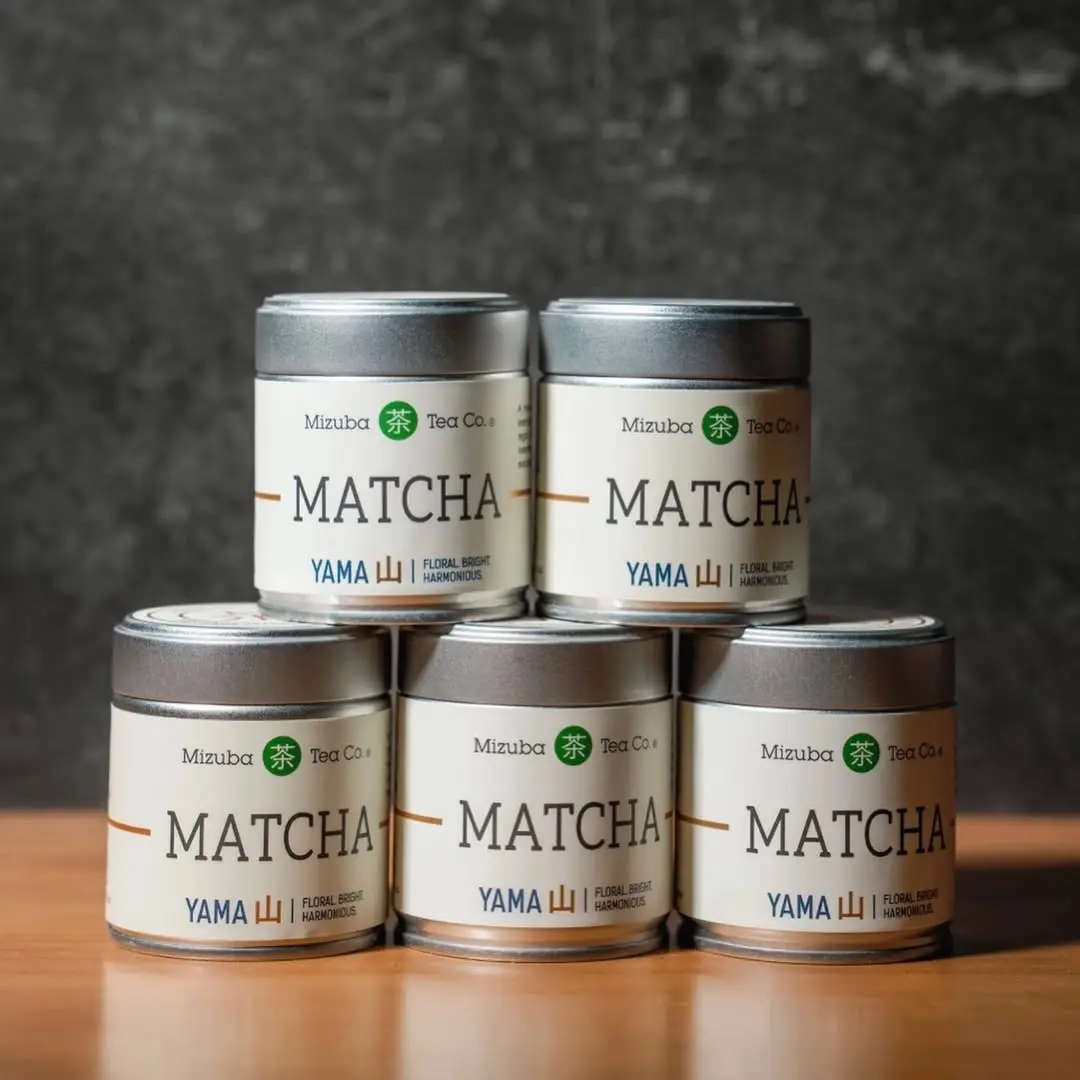
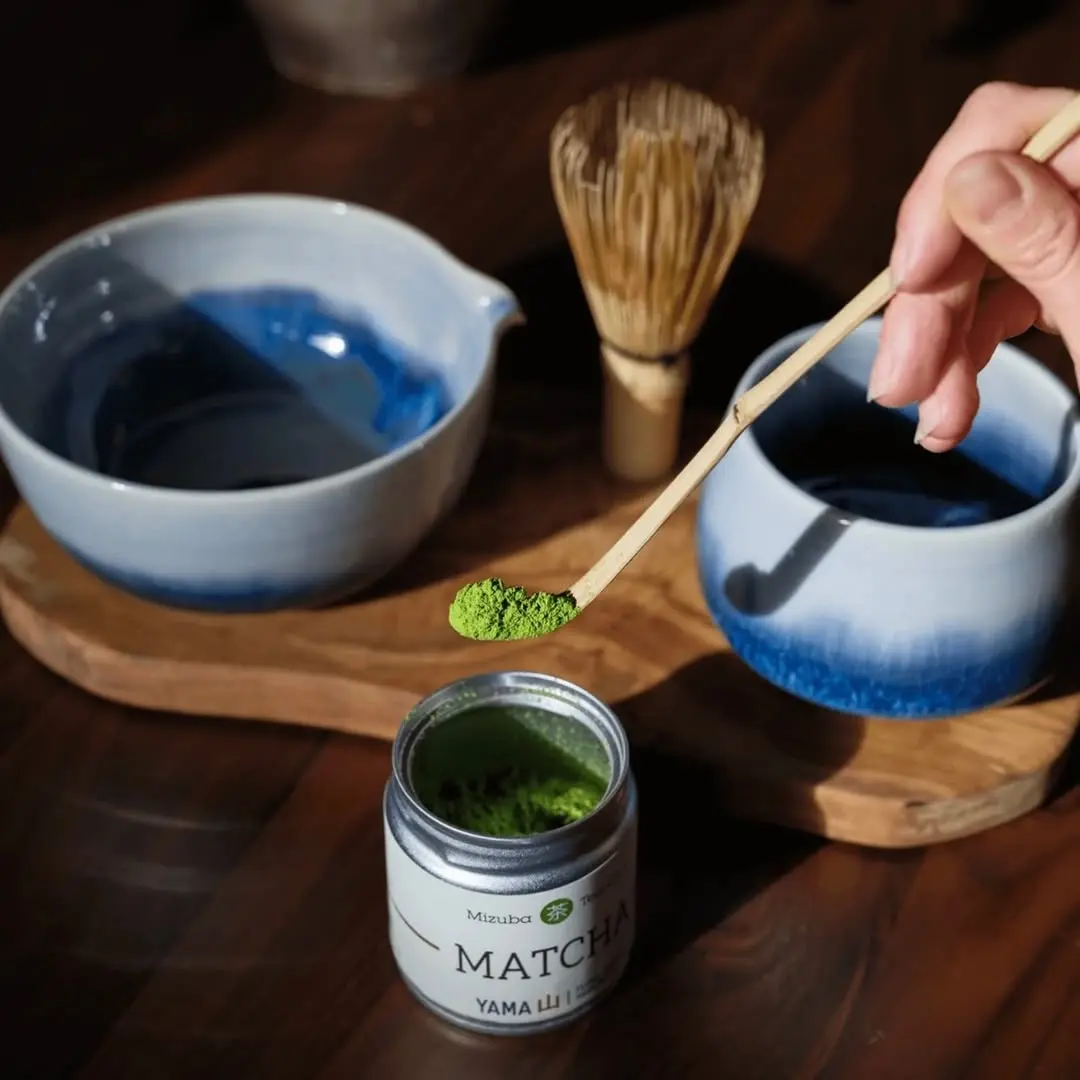
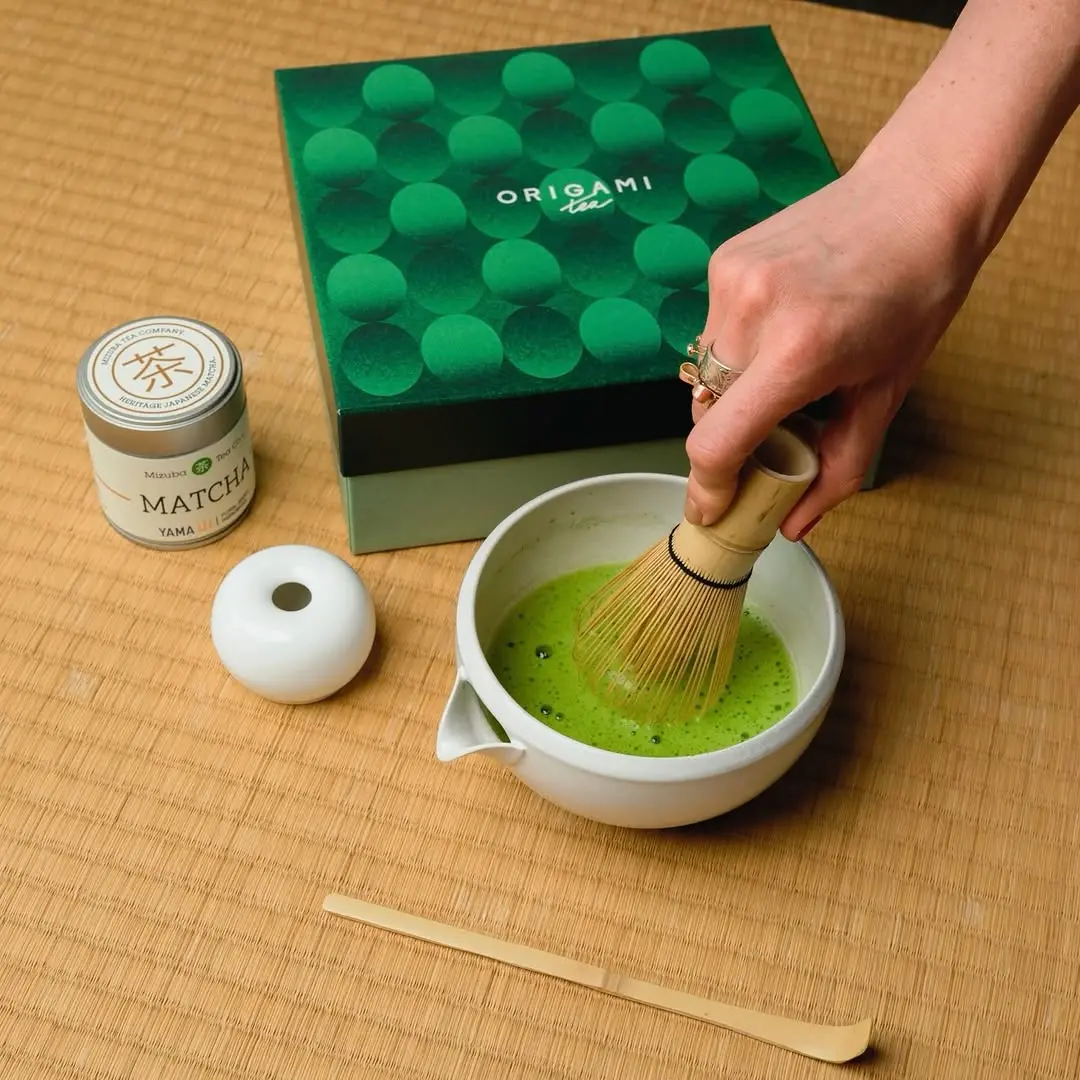
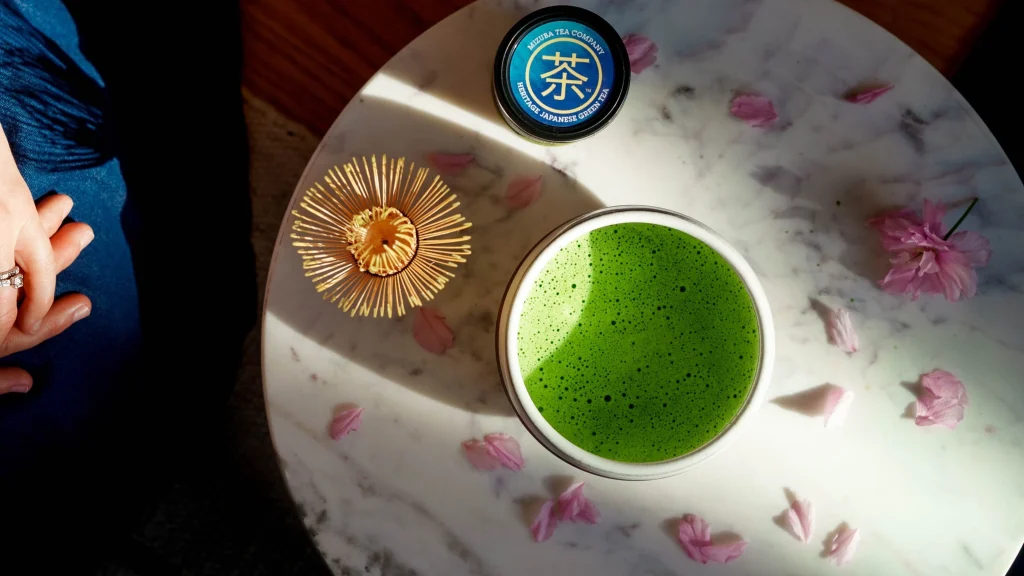
Mizuba Tea Co. is a matcha brand sourcing from Uji near Kyoto, Japan. Its shade-grown tencha is stone-milled, creating sweetness, umami, and minimal bitterness with a smooth finish.

Matcha comes directly from four main Uji producers, with additional Japanese sourcing. Leaves undergo four weeks of shading before harvest, and teas are certified radiation-free and heavy-metal-free.

Videos

Mizuba Tea Co. videos

Authentic Stone-Milled Uji Matcha Since 2013

Browse the gallery to see 26 videos about matcha.

Mizuba Tea Co. in details

Mizuba Tea Co. brings authentic Japanese matcha from the historic Uji region directly to matcha enthusiasts across North America. Founded in 2013 by Lauren Purvis, this woman-owned company emerged from a serendipitous train stop in Uji, Japan—the birthplace of matcha and home to centuries-old tea traditions.

From Uji to Your Cup

What sets Mizuba Tea Co. apart is its unwavering commitment to heritage matcha. Every tin contains tea that meets four strict criteria: sourced exclusively from Japan, shade-grown for 4+ weeks before harvest, made from tencha leaves, and stone-milled using traditional granite mills. This dedication to authenticity means you’re experiencing matcha the way it was meant to be—with complex, nutty flavors and vibrant color that only stone milling can achieve.

Lauren works directly with approximately eight family-owned farms in Uji, many of which are organic. These partnerships aren’t just business transactions. They’re relationships built on mutual respect and shared purpose, supporting farmers who maintain labor-intensive traditions that are rapidly disappearing as matcha production represents only 2% of Japan’s total tea output.

More Than Just Matcha

While ceremonial-grade matcha remains the cornerstone, Mizuba has expanded into curated Japanese loose-leaf teas. The collection includes:

  • Gyokuro and sencha from specific cultivars like Saemidori and Yabukita
  • Rare varieties such as kamairicha (pan-roasted) and kyōbancha (low-caffeine)
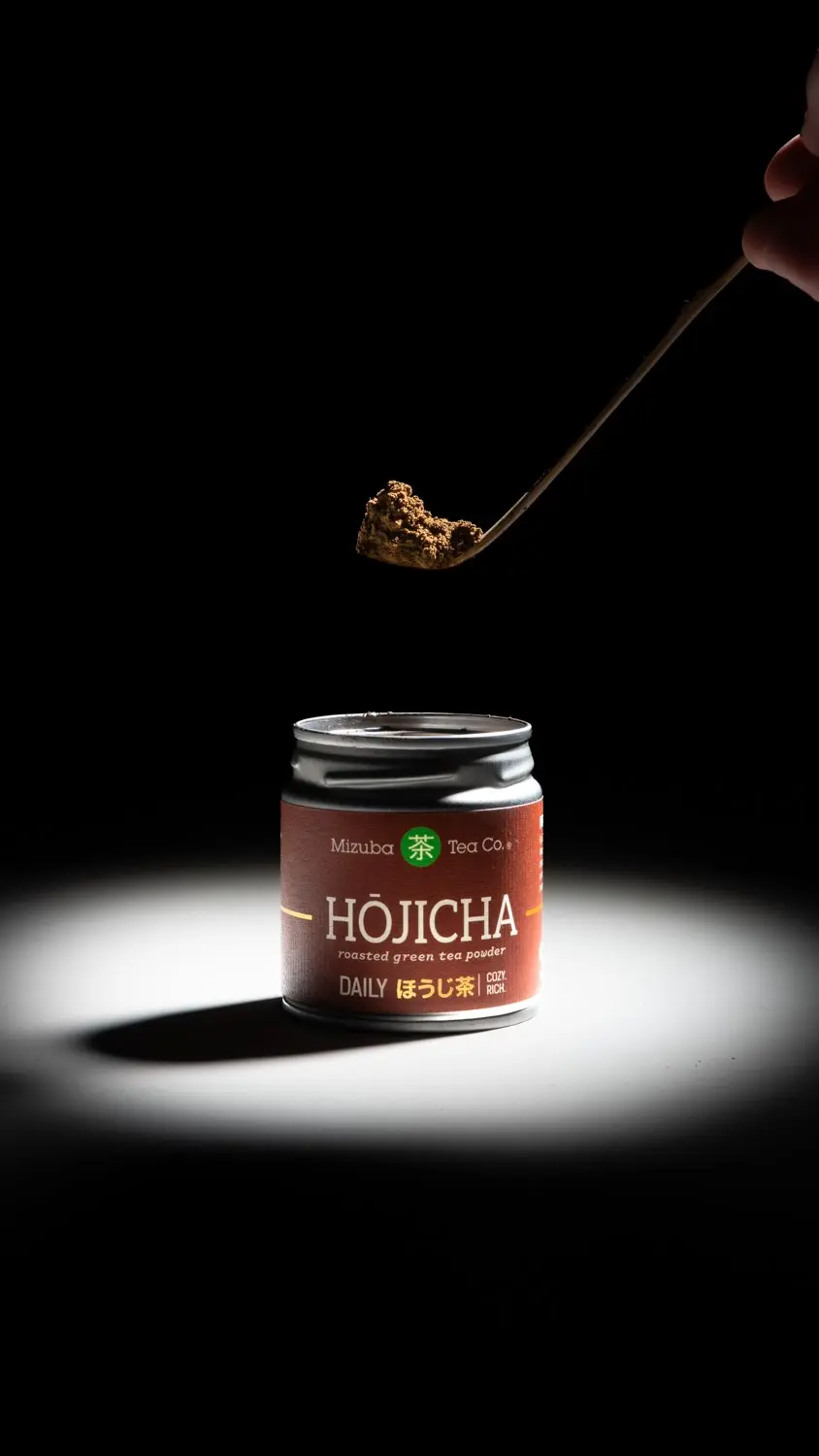
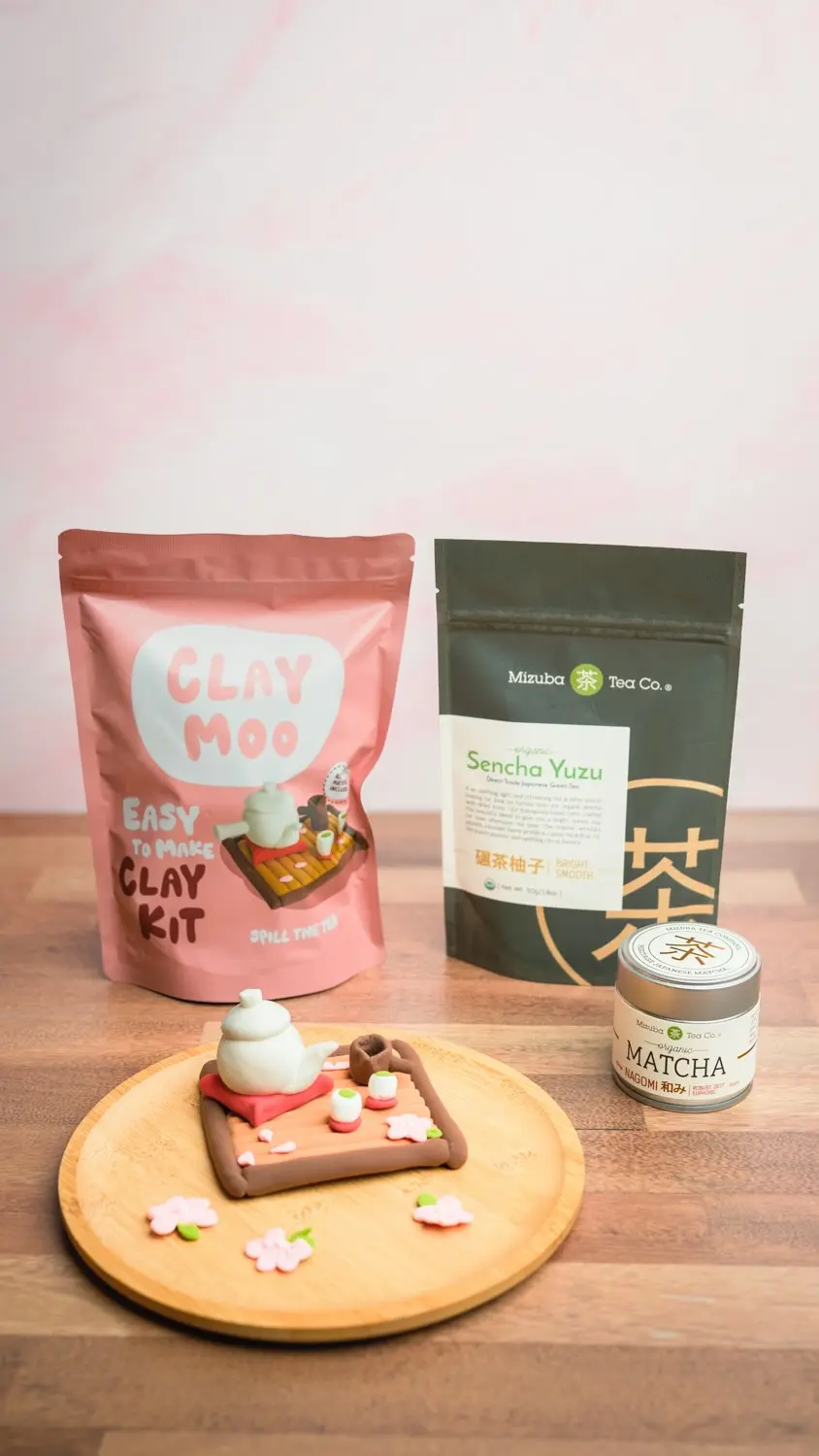
  • Flavored blends combining sencha with yuzu or chamomile with hōjicha
  • Pure tencha—the unground leaves that become matcha powder

A Philosophy Rooted in Relationships

Mizuba’s mission extends beyond selling tea. The brand serves as a bridge between Japanese tea farmers and Western consumers, educating about the craft and care behind each harvest. With over 600 wholesale accounts—including specialty coffee shops across the United States—Mizuba makes heritage Japanese tea accessible while preserving the stories and traditions of the families who grow it.

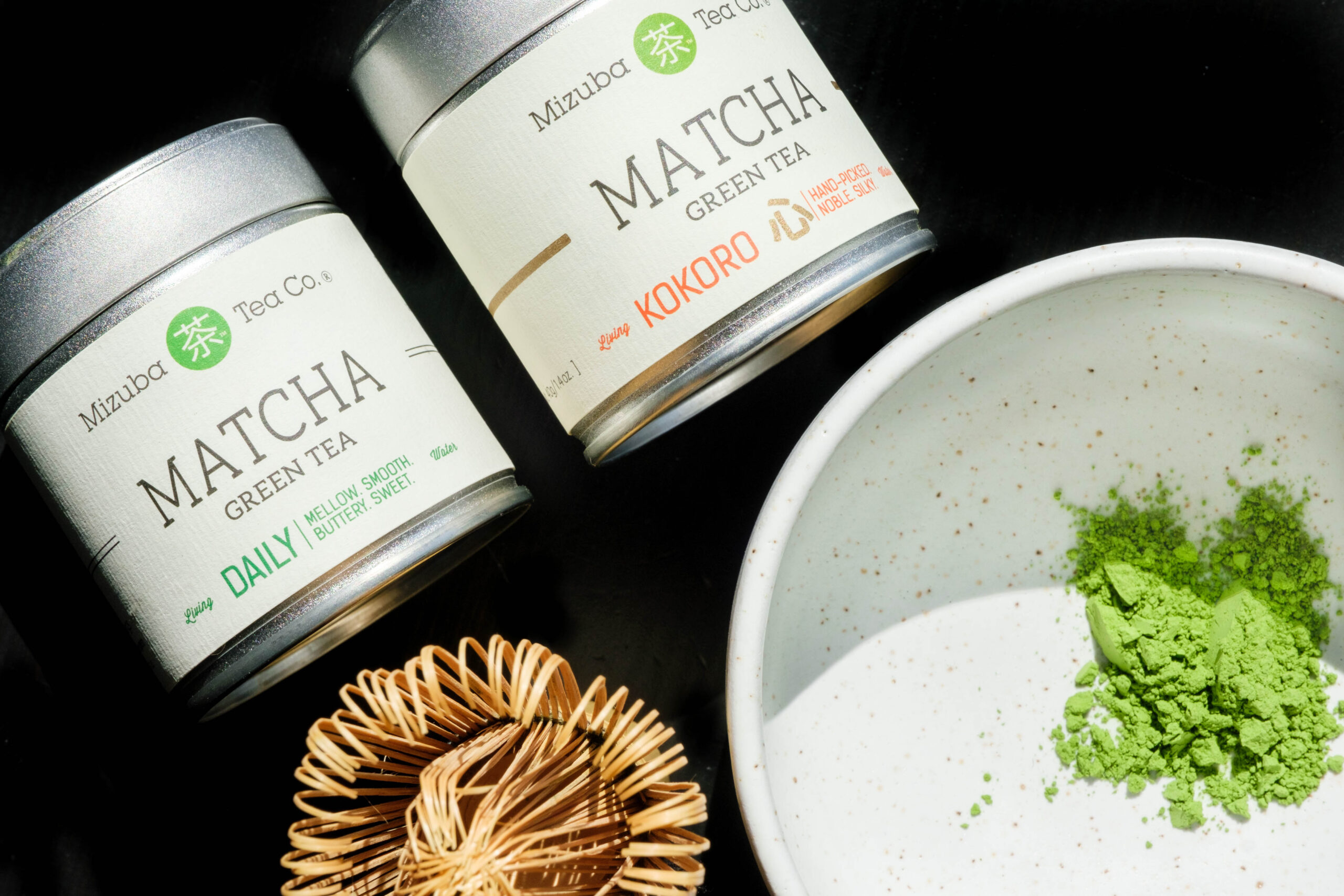
From theDaily Matcha perfect for lattes to the premium Kokoro ceremonial grade, each product reflects years of agricultural expertise and cultural heritage. When you choose Mizuba Tea Co., you’re not just buying matcha—you’re supporting a sustainable future for Uji’s tea farming community and experiencing an 800-year-old tradition in every sip.

About the Mizuba Tea Co. Matcha

Mizuba Tea Co. offers heritage matcha from Japan's historic Uji region, defined by quality markers that set it apart from mass-market powders.

Cultivation and Processing

  • Shade-grown tencha: leaves are shaded for four weeks before harvest, boosting chlorophyll to enhance sweetness, umami, and vibrant green color.
  • Stone-milled: traditional stone-milling rather than jet or ball milling preserves delicate flavors and adds depth and complexity.
  • Direct trade: matcha comes directly from four main producers in the Uji region.

Flavor Profile

Mizuba's matcha balances sweetness and umami with minimal bitterness, closing with a smooth, lingering finish. The stone-milling process contributes a richness often missing from machine-processed alternatives. The tea is non-GMO and certified radiation-free and heavy-metal-free.

Harvest location

Mizuba Tea Co. sources its matcha primarily from the historic Uji region near Kyoto, Japan, widely regarded as the origin of the Japanese tea ceremony. Uji was once designated by the Emperor as the only region permitted to grow tea for 200 years, cementing its status as Japan's most prestigious tea-growing area.

Partner farms

Mizuba works directly with four main producers in Uji and also sources teas from farmers in Yame, Shizuoka, and a few other locations around Japan, maintaining close relationships that ensure quality and authenticity.

Harvesting methods

  • Hand-picking (Ocha-tsumi-san): for premium teas, workers pluck only the youngest leaves, yielding sweetness, umami, and a velvety texture with minimal bitterness.
  • Machine harvesting: handheld and motorized machines are used on smaller or sloping fields, adjusted to take only the youngest leaves.

Mizuba Tea Co. History

Mizuba Tea Co. was founded in 2013 by Lauren Purvis, whose story began with an unplanned train stop in Uji, Japan during her senior year of college. Visiting a friend in Kyoto, she stepped off in Uji, connected with a local matcha producer, and found her calling.

Growth milestones

  • 2015: NPR named matcha the top food of the year, driving a market surge
  • 2024: Mizuba surpassed 600 wholesale accounts under Lauren and Dan Purvis
January 1, 2013

Lauren Purvis established Mizuba Tea Co. after her transformative encounter with matcha producers in Uji, Japan during her college years. The company began with a mission to share authentic Uji matcha with the world, starting with grassroots introductions to local Portland establishments.

January 1, 2015

NPR's declaration of matcha as the top food of the year sparked a market explosion that transformed Mizuba from a niche startup into a recognized brand. This milestone coincided with the surge in matcha's popularity across America, positioning Mizuba for significant growth.

January 1, 2024

Mizuba Tea Co. reached over 600 wholesale accounts, with coffee shops comprising more than half of its clientele. The company operates from Portland, Oregon under the leadership of Lauren Purvis and her husband Dan, who also runs Herald Tea, demonstrating the company's evolution into a major matcha purveyor.

Frequently asked questions

Here are some frequently asked questions and answers.

What makes Mizuba Tea Co.'s stone-milling process different from other matcha brands?

Mizuba Tea Co. exclusively uses traditional stone-milling for all their matcha, a technique that's becoming increasingly rare in modern matcha production. Unlike jet-milling or ball-milling methods used by most competitors, stone-milling imparts a unique depth and richness to the tea that other powdering techniques cannot achieve.

This traditional process preserves the delicate flavors and aromas of the tencha (shade-grown tea leaves), resulting in Mizuba's signature smooth, complex flavor profile with enhanced umami and minimal bitterness.

Why does Mizuba Tea Co. source exclusively from Uji, and what's special about Lauren Purvis's connection to this region?

Mizuba's founder Lauren Purvis discovered Uji by chance during her senior year of college when she randomly disembarked a train while visiting Kyoto. This serendipitous encounter in Uji - the birthplace of Japanese tea cultivation - sparked her mission to share authentic heritage matcha with the world.

Uji holds special significance as:

  • The region where the earliest tea seeds were established in Japan
  • The origin of the Japanese tea ceremony
  • The area the Emperor designated as the only region allowed to grow tea for 200 years

This personal connection drives Mizuba's commitment to sourcing exclusively from four main producers in the Uji region, ensuring every cup embodies this historic terroir.

How does Mizuba's partnership with Herald Tea influence their operations?

Lauren Purvis runs Mizuba Tea Co. alongside her husband Dan, who owns his own tea venture called Herald Tea. This unique partnership allows both companies to operate from their shared Portland, Oregon headquarters while maintaining distinct brand identities and specializations.

The collaboration provides Mizuba with enhanced tea industry expertise and operational synergies, while allowing them to focus specifically on their heritage matcha and Japanese loose leaf specialties from Uji region producers.

What does Mizuba mean by 'heritage matcha' and how do their Ocha-tsumi-san workers contribute to quality?

Mizuba defines heritage matcha as tea that meets specific traditional criteria: Japanese origin, shade-grown tencha leaves, and stone-milled processing. Their commitment to heritage extends to employing skilled workers called Ocha-tsumi-san (tea pickers) who hand-select the youngest, most tender leaves.

This meticulous hand-picking process, reserved for Mizuba's most premium teas, ensures:

  • Unparalleled sweetness and umami
  • Velvety texture with minimal bitterness
  • Optimal flavor and nutrient content

While some harvesting uses precision machinery for efficiency, the Ocha-tsumi-san tradition represents Mizuba's dedication to preserving authentic Japanese tea craftsmanship.

How did NPR's 2015 declaration impact Mizuba Tea Co.'s growth trajectory?

When NPR declared matcha the top food of 2015, it created a market explosion that transformed Mizuba from a niche startup into a recognized name. This timing was crucial for the company, which Lauren Purvis had founded just two years earlier in 2013.

The NPR recognition coincided perfectly with Mizuba's grassroots approach of personally introducing their Uji heritage matcha to local establishments. Today, this growth has resulted in over 600 wholesale accounts, with coffee shops comprising more than half of their clientele, making authentic Japanese matcha accessible to a much wider American audience.