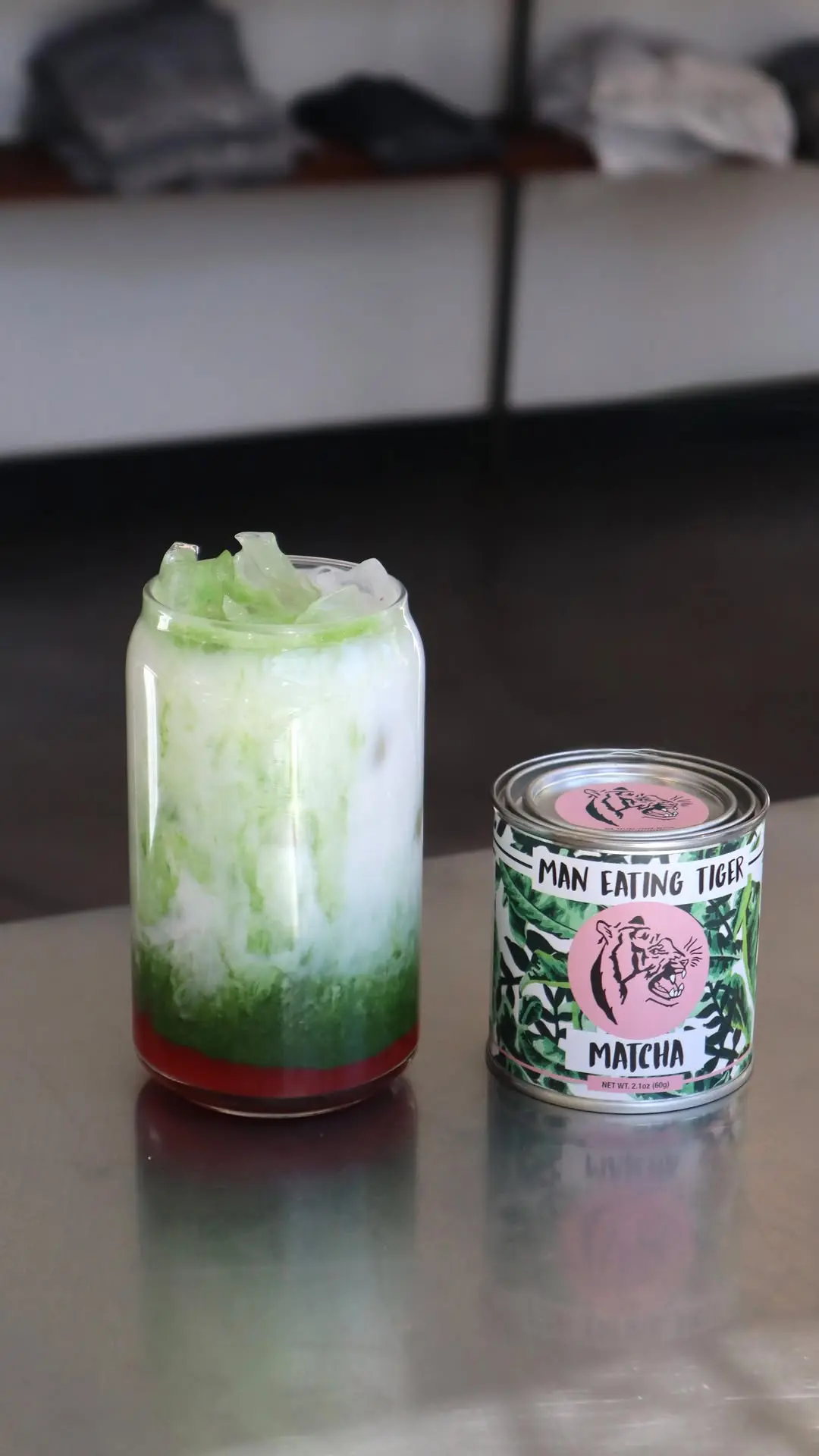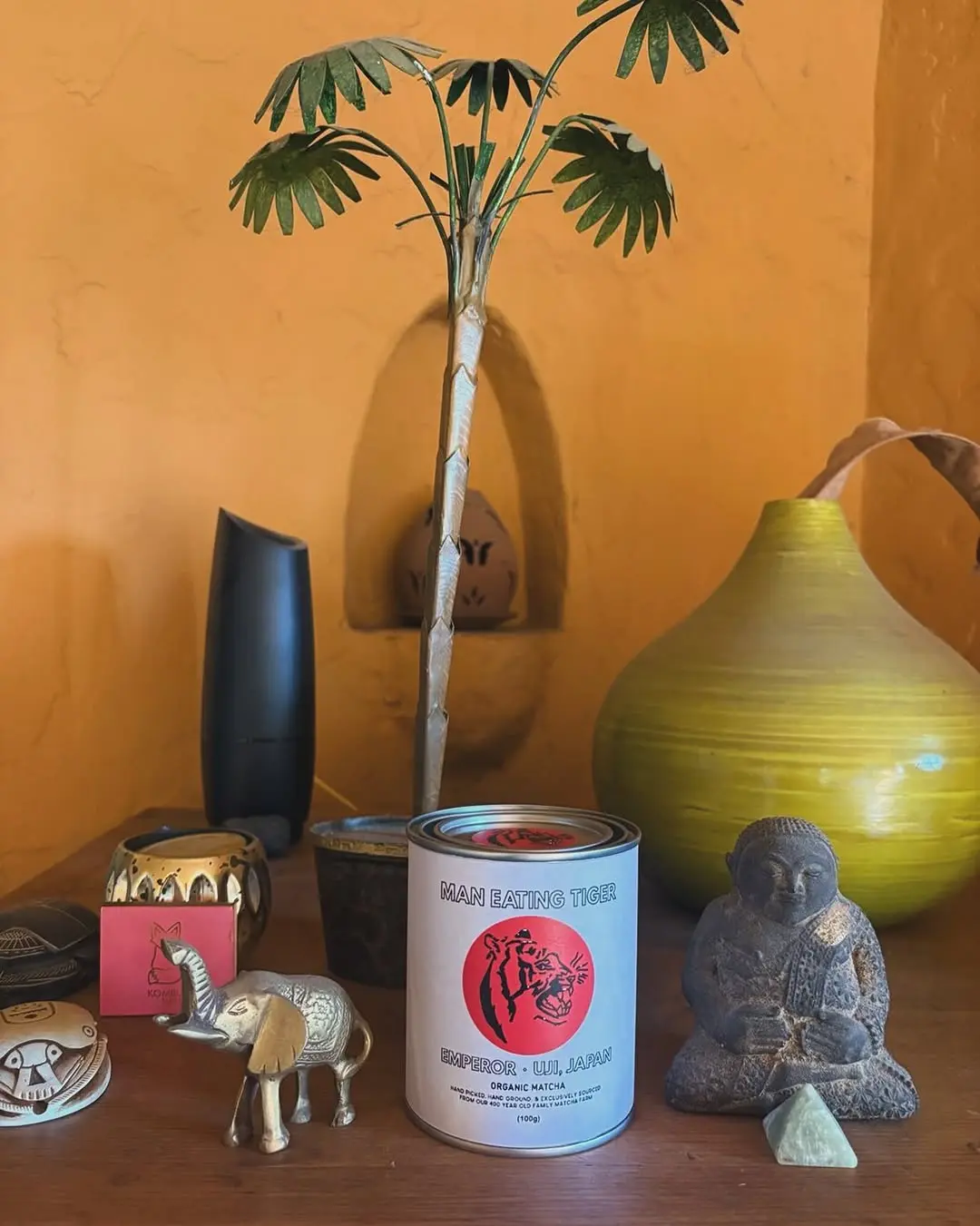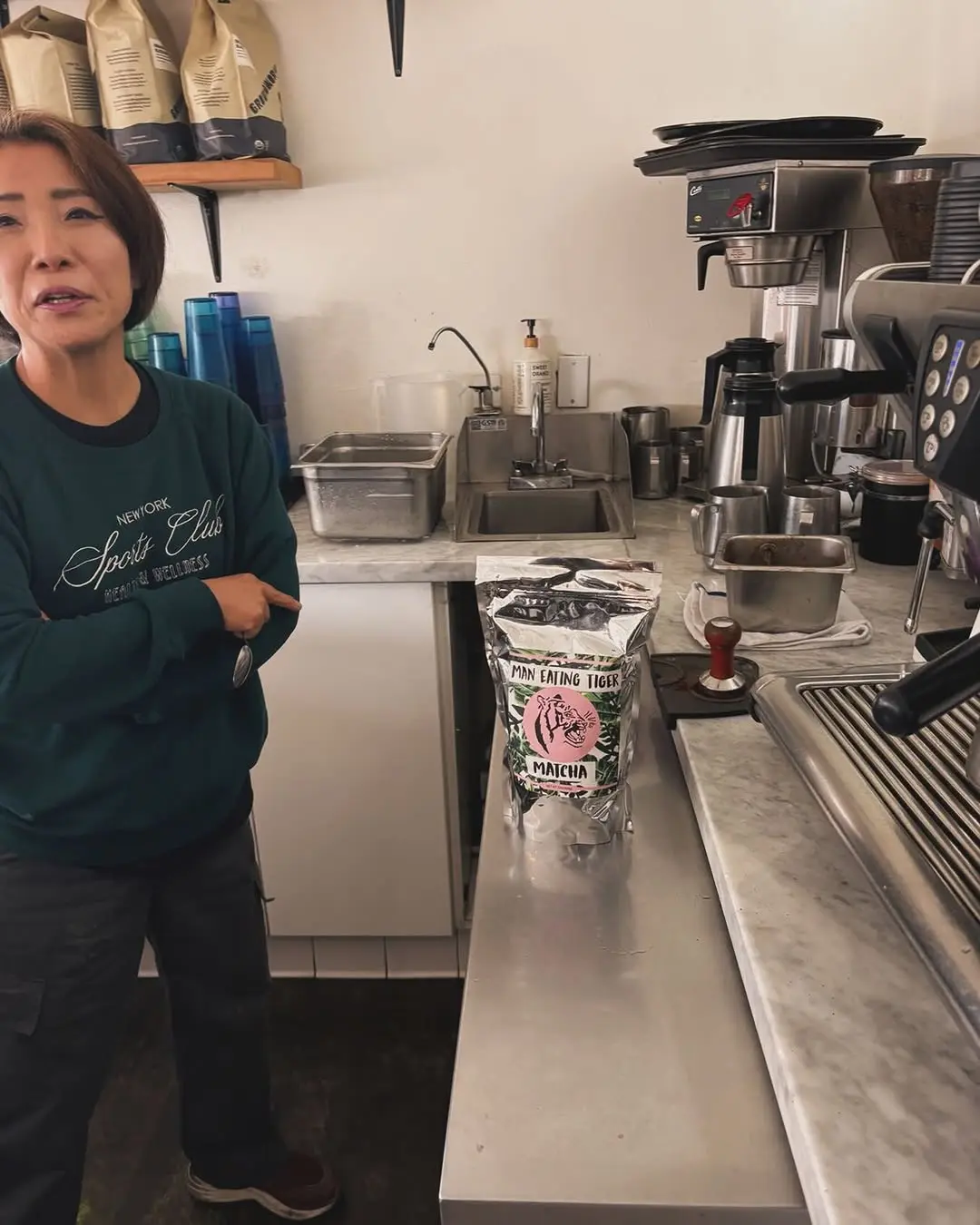
Who is Man Eating Tiger?

Man Eating Tiger is a matcha brand sourcing ceremonial grade powder from a long-established family farm in Uji, Kyoto. Its matcha favors smooth, umami-rich flavor, delicate sweetness, and minimal bitterness over harsher styles.

Founder Ian Nelson chose its Uji source after 2019 blind tastings, supported by Zuu family tea-community connections. Farm uses oshita saibai shading, hand-picks first-harvest leaves, steams them within hours, and stone-grinds tender tencha.

Man Eating Tiger in details

Man Eating Tiger brings ceremonial grade matcha to your cup through an unwavering commitment to authenticity and taste. After a year-long journey of blind taste testing dozens of samples from Japan, the founders identified one exceptional matcha that stood apart from all others—sourced from one of Uji, Kyoto’s oldest small family farms.

The Search for Perfection

Most matcha brands blend multiple sources or add fillers to stretch their product. Man Eating Tiger took a different path. The founders traveled to Japan with a singular mission: find the finest matcha available, regardless of how long it took.

Through systematic blind taste testing, they evaluated sample after sample until discovering a matcha with unmatched richness and balance. That discovery became their sole source—a small family farm in Uji that has cultivated tea for generations using traditional methods.

Purity Without Compromise

Every batch of Man Eating Tiger matcha comes from handpicked top leaves, stone-ground using centuries-old techniques. There are no shortcuts, no mixing with generic green tea, and absolutely no artificial additives.

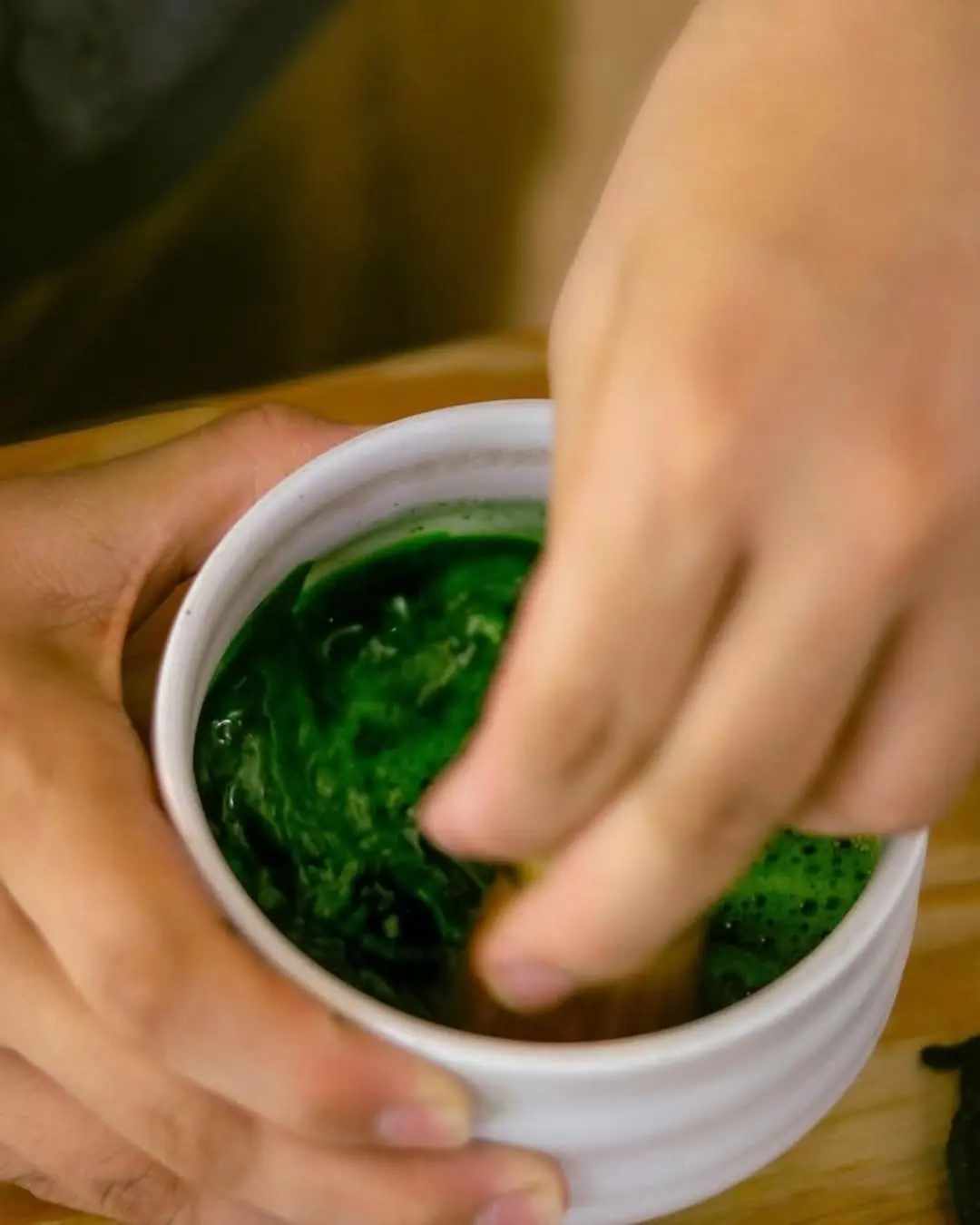
This non-processed approach preserves the delicate flavor profile that ceremonial grade matcha is known for. The result is a powder that delivers authentic taste exactly as it would be served in a traditional Japanese tea ceremony.

Beyond the Bowl

While ceremonial grade matcha remains their flagship offering, Man Eating Tiger has expanded thoughtfully. Their product line includes complementary items like golden turmeric and elderberry, all selected with the same rigorous standards.

The brand shares practical knowledge through recipes and preparation guides for matcha lattes, turmeric lattes, and other applications. This educational approach helps both newcomers and experienced matcha drinkers get the most from their purchase.

What Customers Experience

Reviews consistently highlight the distinctive flavor that sets Man Eating Tiger apart. Customers describe discovering what premium matcha should actually taste like—smooth, vibrant, and balanced without bitterness.

By maintaining a direct relationship with a single family farm in Uji, Man Eating Tiger ensures consistency and traceability. Each container represents not just a product, but a connection to traditional Japanese tea culture and the dedication of farmers who have perfected their craft over generations.

About the Man Eating Tiger Matcha

Man Eating Tiger offers ceremonial grade matcha sourced from a single, long-established family farm in Japan, reflecting an emphasis on smooth, low-bitterness flavor over harsher tasting styles.

Grade and processing

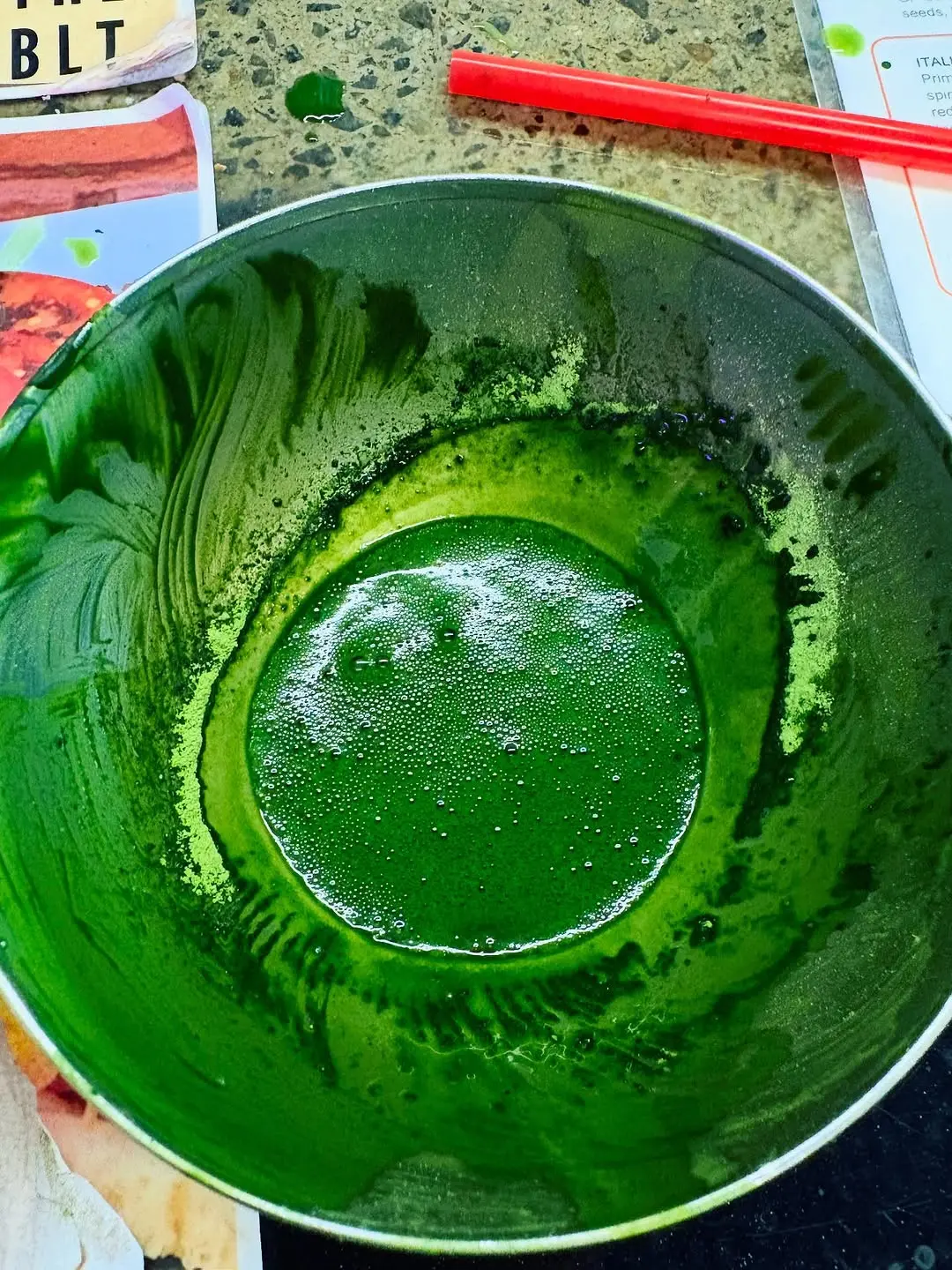
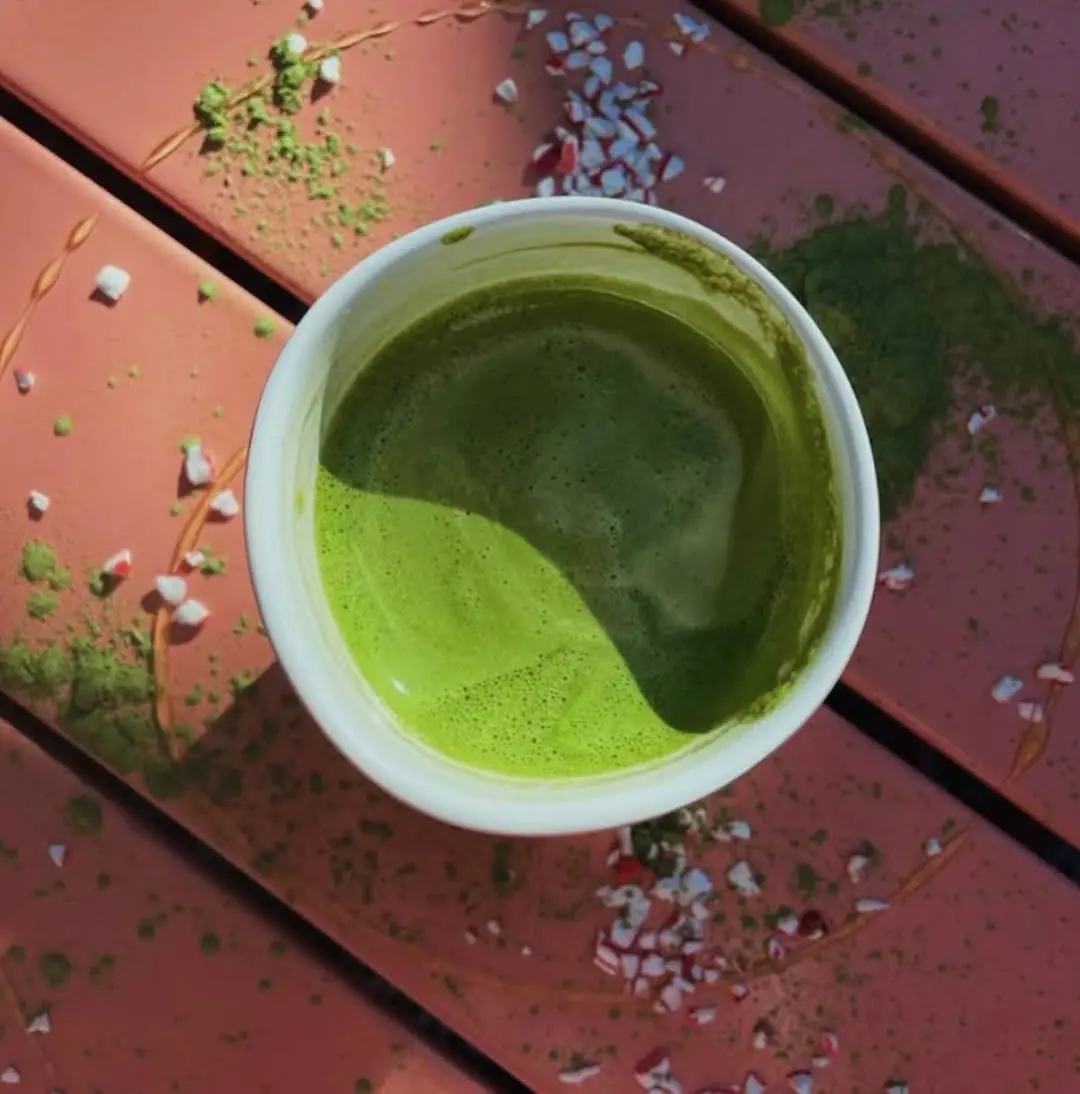
The ceremonial classification draws on the youngest, most tender leaves from the first harvest. The leaves are stone-ground to a fine particle size of roughly 5 to 10 microns, producing an ultra-fine powder with a luxuriously smooth mouthfeel and a brilliant emerald green color that reflects high chlorophyll content.

Flavor and character

  • Taste: velvety and umami-rich, balanced by delicate sweetness with only subtle astringency and minimal bitterness.
  • Aroma: a sweet fragrance interwoven with delicate grassy notes.
  • Composition: rich in antioxidants, amino acids, and L-theanine, an amino acid associated with calm alertness.

Harvest location

Man Eating Tiger sources its ceremonial grade matcha exclusively from Uji, Kyoto, a region synonymous with matcha excellence for centuries. The convergence of climate, soil, and water there creates an ideal environment for tea cultivation, and the matcha comes from a small family farm ranked among the oldest in the region.

Traditional cultivation

The plants are shade-grown (oshita saibai), veiled from sunlight for several weeks before harvest to raise chlorophyll levels and amplify the L-theanine and amino acids behind matcha's deep umami.

From leaf to powder

  • Leaves are hand-picked and steamed within hours of harvest to halt oxidation, then air-dried under controlled conditions.
  • Stems and veins are removed, leaving only tender tencha.
  • Traditional stone mills grind the tencha into an ultra-fine powder, preserving its delicate flavor compounds.

Man Eating Tiger History

Man Eating Tiger was founded by Ian Nelson, who wanted matcha he genuinely enjoyed rather than bitter grades. He partnered with the Zuu family, whose ties in Japan's tea community opened doors to farms hidden from commercial markets.

Finding the farm

  • 2018: The Zuu family traveled to Japan and returned with dozens of samples.
  • 2019: A year of blind taste tests crowned a winner from a family farm in Uji, Kyoto.
  • March 2019: The brand launched with that source.
January 1, 2018

Ian Nelson approached the Zuu family, who were planning a trip to Japan, to help source exceptional matcha samples. This collaboration leveraged their deep connections in Japan's traditional tea farming community to access exclusive sources hidden from commercial markets.

February 1, 2018

The Zuu family traveled to Japan and brought back dozens of matcha samples from various farms across the country. This comprehensive sourcing mission focused on identifying the highest quality ceremonial grade matcha from traditional family farms in the Uji region.

January 1, 2019

After conducting rigorous blind taste tests and comparisons for an entire year, one matcha emerged as clearly superior to all others. This winning sample came from one of the oldest small matcha farms in Japan, located in the historic Uji region of Kyoto.

March 16, 2019

Man Eating Tiger officially launched its ceremonial grade matcha brand, establishing its mission to offer the purest quality matcha on the market. The brand committed to exclusive sourcing from their selected Japanese family farm, ensuring consistent quality and authenticity.

Frequently asked questions

Here are some frequently asked questions and answers.

Where does Man Eating Tiger source its matcha?

Man Eating Tiger sources its ceremonial-grade matcha exclusively from a small, long-established family farm in Uji, Kyoto. The farm is described as being among the oldest in the region. Maintaining a single Uji source gives the brand a direct connection to the same family farm selected through its extended blind-tasting process.

How did Man Eating Tiger choose its matcha supplier?

Founder Ian Nelson worked with the Zuu family to obtain dozens of samples from farms across Japan. The samples were compared through a year of blind taste testing, after which one matcha emerged as the winner. That selection came from a small family farm in Uji, Kyoto, which became the brand’s exclusive source.

How is Man Eating Tiger matcha cultivated and processed?

The tea plants are shade-grown for several weeks before harvest using the oshita saibai method. First-harvest leaves are hand-picked and steamed within hours to stop oxidation. After controlled air-drying, stems and veins are removed to leave tender tencha, which is then ground on traditional stone mills into an ultra-fine powder.

What does Man Eating Tiger matcha taste like?

Man Eating Tiger describes its ceremonial matcha as velvety and rich in umami, with delicate sweetness, subtle astringency, and minimal bitterness. Its aroma combines a sweet fragrance with light grassy notes. The fine stone-ground texture is intended to create a smooth mouthfeel, while the powder has a brilliant emerald-green appearance.

When was Man Eating Tiger launched?

Man Eating Tiger officially launched in March 2019 after a sourcing and tasting process that began with the Zuu family’s 2018 trip to Japan. The brand committed to ceremonial matcha from the selected Uji family farm. Its founder, Ian Nelson, sought a smooth matcha he genuinely enjoyed rather than bitter-tasting grades.