Who is Kobayashi Tea Farm?

Kobayashi Tea Farm is a family-run Himeji matcha producer, founded in 1875. Its range spans koicha and usucha, with bitterness, umami, and sweetness shaped into a clean finish.

Its Hand-Picked Premium Blend uses Samidori and Tenmyo cultivars from May first-flush harvests. Farm hands select leaves, then steam, dry, sort, remove stems and veins, and stone-grind tencha under traditional covered cultivation.

Kobayashi Tea Farm in details

Since 1875, Kobayashi Tea Farm has stood as a guardian of Japanese tea tradition in Himeji, carrying forward 150 years of expertise through generations of tea masters. This family-run operation bridges centuries-old practices with modern tea appreciation, offering matcha enthusiasts access to authentic flavors rooted in time-honored cultivation methods.

A Heritage Built on Traditional Craftsmanship

The farm’s longevity speaks to its unwavering commitment to traditional tea production. Each batch of matcha reflects techniques refined over more than a century, preserving the high fragrance and balanced taste that define premium Japanese green tea. This isn’t mass production—it’s a deliberate practice where quality trumps quantity at every turn.

Kobayashi operates beyond typical tea retailers by maintaining physical teahouse cafes where visitors experience matcha in its cultural context. The Ichian tea ceremony center exemplifies this philosophy, creating spaces where ancient rituals meet contemporary tea culture.

More Than a Tea Seller

Kobayashi Tea Farm functions as educator, retailer, and cultural ambassador simultaneously. Their approach includes comprehensive resources explaining matcha’s components, manufacturing processes, and proper preparation techniques. This educational dimension helps both newcomers and experienced practitioners deepen their understanding of authentic Japanese tea traditions.

The brand’s offerings span multiple touchpoints:

  • Premium matcha and green tea products available through their online shop
  • Cafe experiences pairing traditional matcha with carefully selected Japanese sweets
  • Educational content covering tea cultivation, processing, and ceremony etiquette
  • Multiple physical locations including their main Himeji store and department store presence

Why Kobayashi Stands Apart

What distinguishes this producer is the integration of retail, experience, and education under one roof. Rather than simply selling matcha, Kobayashi invites customers into the full spectrum of tea culture. Their emphasis on the healing and healthy aspects of Japanese tea connects ancient wellness wisdom with modern lifestyle needs.

For matcha buyers seeking authenticity backed by generational knowledge, Kobayashi represents a direct link to Japan’s tea heartland. Their 150-year track record isn’t just history—it’s proof of consistent quality and deep understanding of what makes exceptional matcha.

About the Kobayashi Tea Farm Matcha

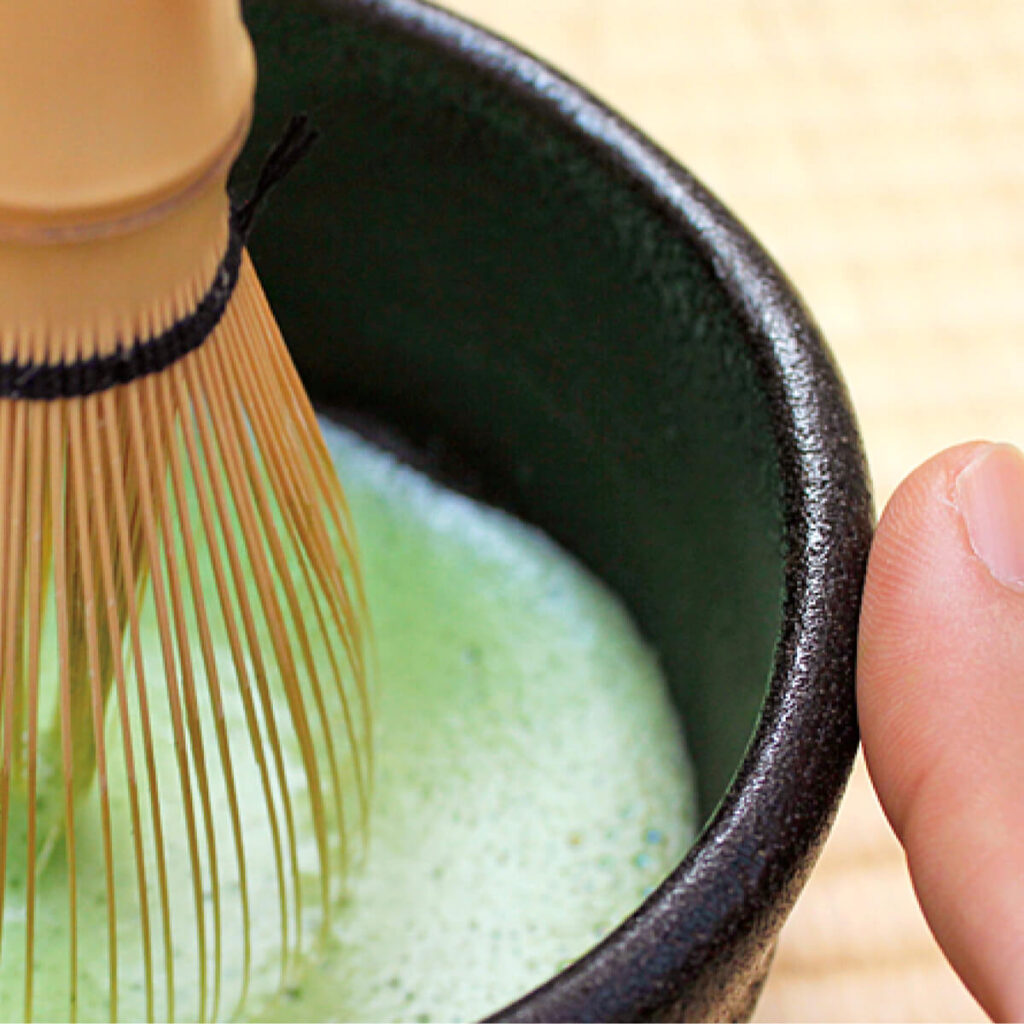
Kobayashi Tea Farm crafts matcha for direct consumption of the tea leaf, with a vibrant green hue and captivating aroma. Its flavor balances bitterness, umami, and sweetness into a refreshing finish.

Grades and signature products

The range covers Koicha, the thick tea for formal ceremony, and Usucha, the thin tea for everyday enjoyment. Beyond ceremonial matcha, the farm makes its signature Green Soft matcha ice cream and crafts custom blends, including the Yamagumo blend created for Kettl.

Premium blend

The Kobayashi Hand-Picked "Premium Blend" is their highest offering, using selected Samidori and Tenmyo cultivars harvested as a first flush in May for optimal flavor and the most delicate leaf character.

Harvest location

Kobayashi Tea Farm works from Himeji, with a tea-growing heritage rooted in a garden it inherited in the historic Kinai region of central Japan.

Covered cultivation

The farm follows traditional covered cultivation, sheltering matcha-bound plants under protective canopies to shield them from direct sunlight, reducing bitterness and drawing out the tea's natural sweetness.

Harvest and processing

Picking runs from late April to late May, with skilled hands selecting the leaves; the first flush, shincha, is the most prized, when leaves hold peak concentrations of beneficial compounds. After harvest, leaves are steamed to halt oxidation, then dried, sorted and cut, with stems and veins removed to isolate the tencha leaf, which is finally ground on a traditional stone mill into fine matcha powder.

Kobayashi Tea Farm History

Kobayashi Tea Farm, also known as Kobayashi Shotoen Main Store, was founded in 1875 in Himeji and remains family-operated after more than 150 years of dedication to Japanese tea.

The family's heritage runs deeper through the Shogyokuen tea factory, which traces to 1827, when they inherited a tea garden in the Kinai region, roughly half a century before the main store. Together these strands weave nearly two centuries of cultivation into a single lineage.

January 1, 1827

The Kobayashi family inherited a tea garden in the Kinai region, establishing the foundation for what would become their tea dynasty. This inheritance marked the beginning of their deep connection to Japanese tea cultivation, predating their main establishment by nearly half a century.

January 1, 1875

Kobayashi Tea Farm, also known as Kobayashi Shotoen Main Store, was established in Himeji with an unwavering dedication to preserving the essence of Japanese tea culture. The founding marked the beginning of over 150 years of commitment to the taste and aroma of traditional Japanese tea.

January 1, 2000

Kobayashi Tea Farm expanded their influence beyond traditional tea retail by establishing the Matcha Cafe 'Zongai', creating a dedicated space where the public could immerse themselves in authentic matcha flavors and traditional Japanese sweets, bridging traditional tea culture with modern cafe experiences.

January 1, 2020

The farm achieved recognition for their expertise in crafting custom blends, including the specialized Yamagumo matcha created for Kettl. Their Kobayashi Hand-Picked Matcha Premium Blend, utilizing Samidori and Tenmyô cultivars harvested as First Flush in May, exemplified their commitment to quality and innovation while maintaining traditional methods.

Frequently asked questions

Here are some frequently asked questions and answers.

What makes Kobayashi Tea Farm's Green Soft matcha ice cream different from regular matcha ice cream?

Green Soft is Kobayashi Tea Farm's signature matcha ice cream, crafted using their proprietary matcha blend at their Matcha Cafe 'Zongai'. Unlike commercial matcha ice creams, Green Soft incorporates the same high-quality matcha used in traditional tea ceremonies, maintaining the vibrant green color and complex flavor profile that balances bitterness, umami, and natural sweetness.

This innovative creation represents Kobayashi's approach to modernizing traditional tea culture while preserving the authentic taste that has defined their 150-year legacy since 1875.

Can I visit all three Kobayashi Tea Farm locations in Himeji on the same day?

Yes, but you'll need to plan around their different operating schedules:

  • Main Store (66 Nikaimachi): Open 10:00-18:00, closed Tuesdays
  • Sanyo Department Store location: Open 10:00-19:30 daily
  • Tea Ceremony Center Ichian: Open 10:00-18:00, closed Mondays and Wednesdays

The Main Store and Sanyo Department Store locations are easily accessible, while the Tea Ceremony Center offers hands-on chanoyu (tea ceremony) experiences with their traditional matcha.

How does Kobayashi's Hand-Picked Matcha Premium Blend compare to their regular matcha offerings?

The Kobayashi Hand-Picked Matcha Premium Blend represents their highest tier, utilizing specific Samidori and Tenmyô cultivars harvested during the prized First Flush in May. This premium selection undergoes more selective hand-picking compared to their standard grades.

While their regular matcha maintains the signature balance of bitterness, umami, and sweetness, the Premium Blend offers enhanced complexity and a more pronounced umami depth. Both maintain Kobayashi's traditional covered cultivation (覆い下栽培) shading process, but the Premium Blend uses only the most tender spring leaves from their heritage tea gardens.

What's the connection between Kobayashi Tea Farm and the Shogyokuen Tea Factory from 1827?

The Kobayashi family's tea heritage extends beyond their 1875 founding through their inheritance of a tea garden in the Kinai region from the Shogyokuen Tea Factory in 1827. This connection adds nearly 200 years of accumulated tea cultivation knowledge to their current operations.

This historical link explains Kobayashi's mastery in creating custom blends, such as their Yamagumo matcha for Kettl, and their deep understanding of traditional processing methods that distinguish their matcha's vibrant green hue and distinctive aroma profile.

Should I choose Kobayashi's Koicha or Usucha grade for my first matcha tea ceremony experience?

For beginners, Usucha (thin tea) is recommended as your introduction to Kobayashi's matcha. Usucha offers a gentler flavor profile that showcases their signature balance of bitterness, umami, and natural sweetness without overwhelming the palate.

Koicha (thick tea) represents the more intense ceremonial experience, with a concentrated flavor that requires developed appreciation for matcha's complexity. You can experience both grades at their Tea Ceremony Center Ichian in Himeji, where traditional preparation methods highlight the distinct characteristics of each grade using Kobayashi's time-honored stone-ground matcha.