Who is Matcha Kari?

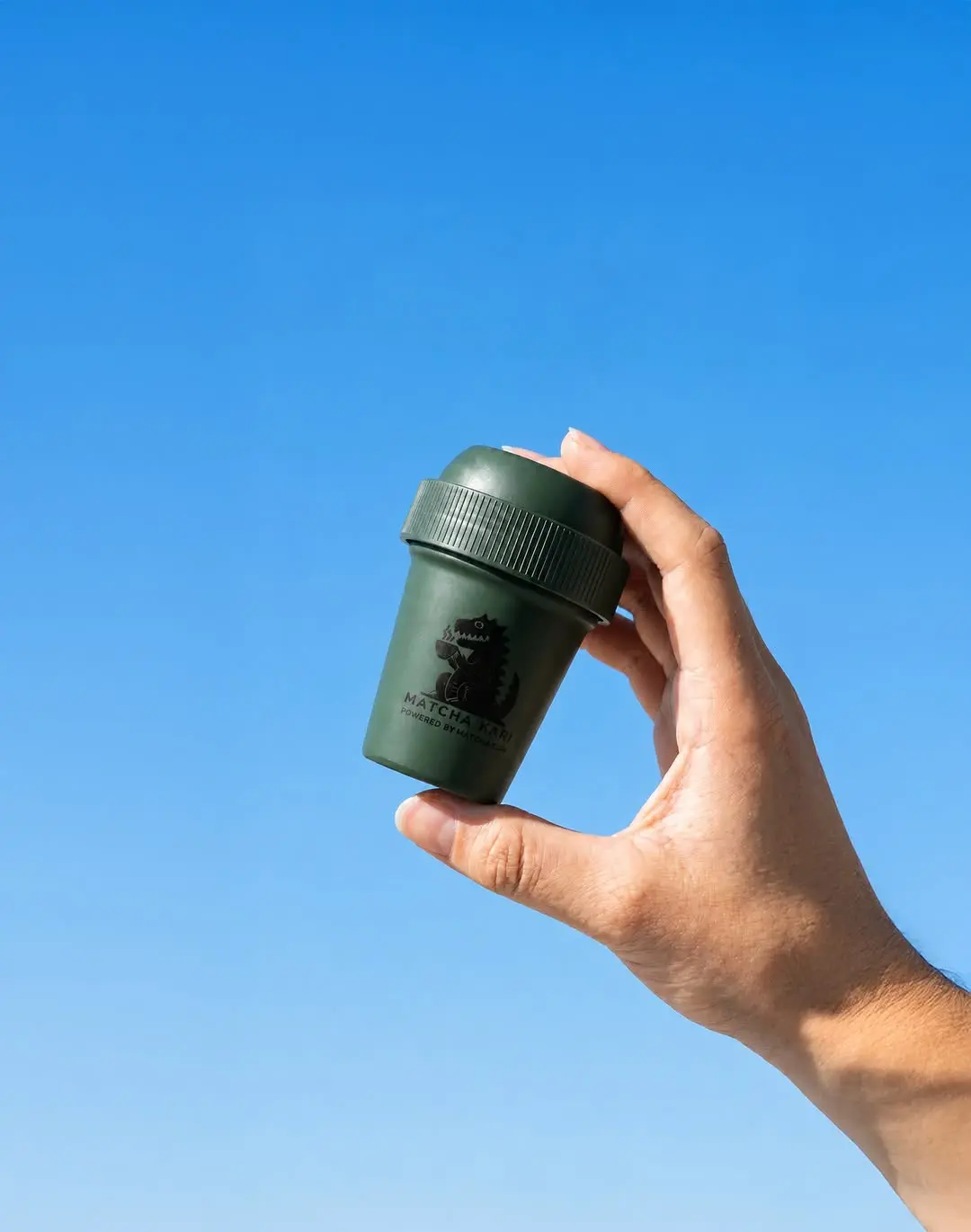
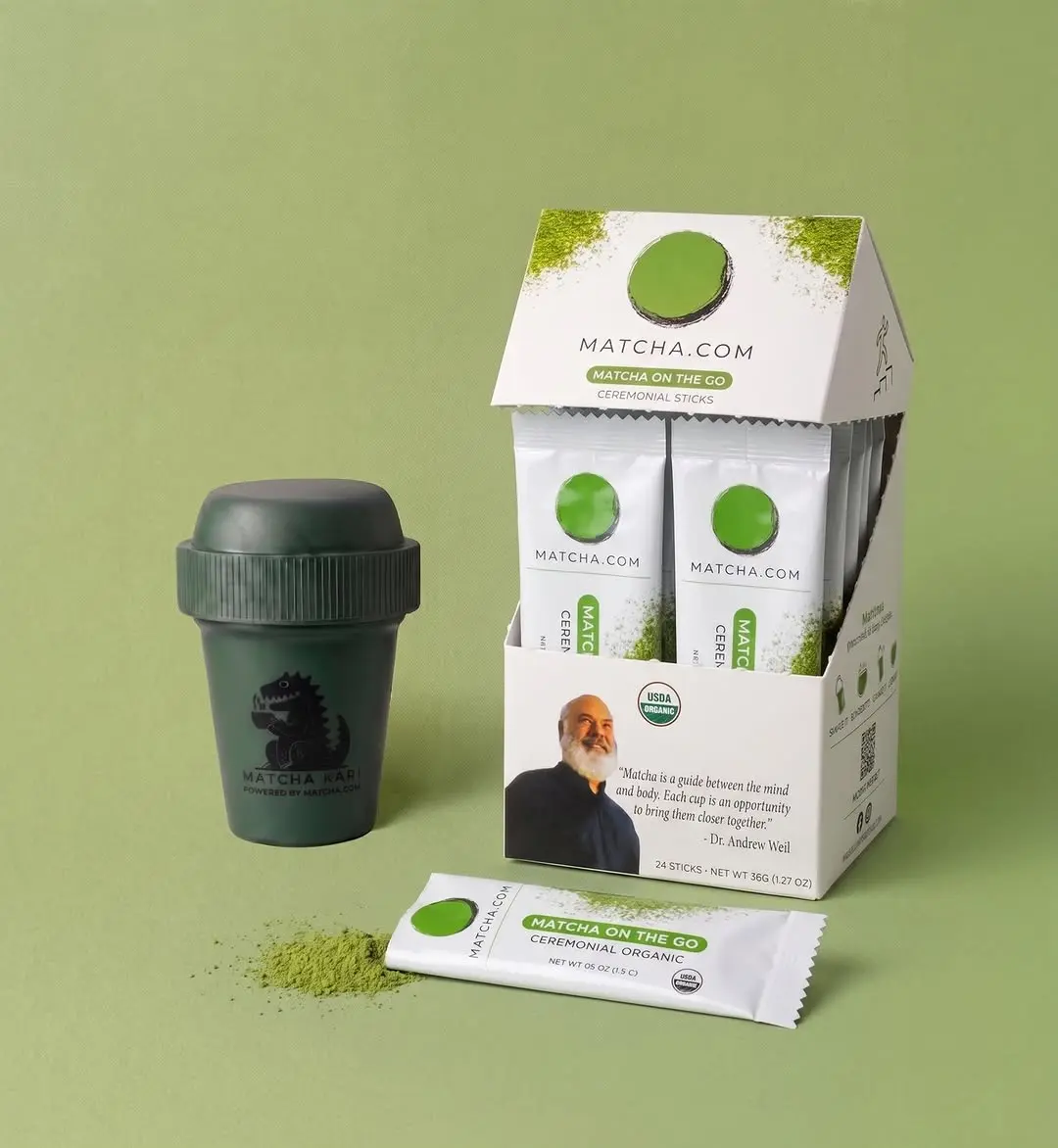
Matcha Kari is a U.S. matcha brand founded in 2017, sourcing USDA Organic matcha exclusively from Uji, Japan. Its ceremonial, barista, and culinary grades serve tea, milk drinks, baking, and cooking.

Matcha Kari uses ichibancha first-flush leaves, hand-picked in April and May. Plants undergo traditional shade-growing for roughly 20 days before harvest, raising chlorophyll and L-theanine; narashi trimming supports new growth after harvest.

Videos

Matcha Kari videos

Authentic Uji matcha since 2017

Browse the gallery to see 26 videos about matcha.

Matcha Kari in details

Matcha Kari bridges centuries-old Japanese tea traditions with modern American lifestyles, delivering authentic shade-grown matcha from Japan’s premier tea regions. Founded in 2017 with guidance from Dr. Andrew Weil, a pioneer in integrative medicine, the brand brings USDA Organic certified ceremonial-grade matcha to consumers who value both tradition and wellness.

From Uji’s Tea Fields to Your Cup

Every batch of Matcha Kari powder begins in Japan’s legendary tea gardens, where leaves are carefully shade-grown to maximize chlorophyll and L-theanine content. The first harvest leaves are hand-picked at peak freshness, then stone-ground using traditional granite mills that preserve the delicate flavor profile and nutritional integrity. This meticulous process ensures each tin contains the same quality matcha used in authentic Japanese tea ceremonies.

A Range for Every Matcha Moment

Understanding that matcha fits into life in different ways, Matcha Kari offers three distinct grades. Ceremonial grade delivers the smooth, umami-rich experience purists seek when whisking traditional tea. Barista grade powers creamy lattes and smoothies with robust flavor that shines through milk and sweeteners. Culinary grade brings vibrant color and earthy notes to baked goods, energy balls, and creative recipes.

The brand also addresses modern convenience without compromising quality. Single-serving matcha sticks slip easily into bags for office preparation or travel, while larger tins serve home enthusiasts. Beyond matcha powder, their catalog includes:

  • Complete tea ceremony sets with authentic bamboo whisks, ceramic bowls, and measuring scoops
  • Flavored varieties like vanilla matcha for those exploring new taste profiles
  • Matcha tea bags made from whole-leaf tencha for simplified brewing
  • Roasted hojicha powder as a caffeine-lighter alternative

Wellness Meets Environmental Responsibility

Dr. Weil’s influence appears throughout Matcha Kari’s approach to health benefits. The brand emphasizes sustained energy and mental clarity from matcha’s unique combination of caffeine and L-theanine, alongside digestive support from concentrated antioxidants. Climate Pledge Friendly certification on Amazon reflects their commitment to reducing environmental impact, aligning product quality with planetary responsibility.

For matcha enthusiasts seeking authentic Japanese quality with organic certification and convenient formats, Matcha Kari delivers a comprehensive solution that respects tradition while embracing contemporary needs.

About the Matcha Kari Matcha

Matcha Kari offers a tiered system of authentic, ceremonial-grade matcha grades, each crafted for specific applications and taste preferences.

Grade system

  • Ceremonial Grade: the highest quality, with vibrant green color, smooth texture, and a naturally sweet flavor, designed for traditional usucha (thin tea) and koicha (thick tea), premium lattes, and enjoyment straight.
  • Barista Grade: a robust flavor that holds its character with milk, excelling in lattes, cappuccinos, and specialty drinks.
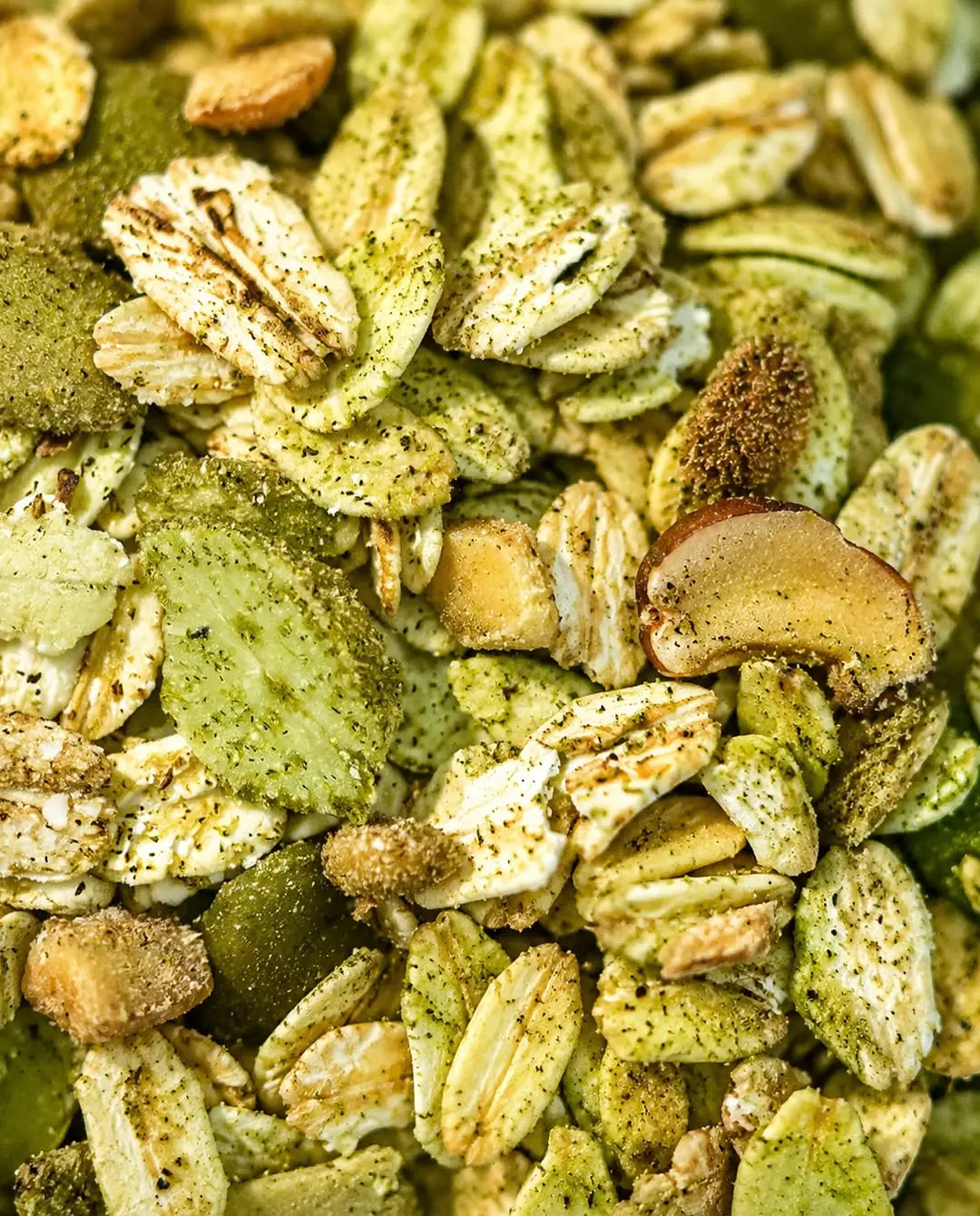
  • Culinary Grade: a more robust flavor with slight bitterness and less vibrant color, formulated for baking, smoothies, and cooking.

Cultivation

All products carry USDA Organic certification and use traditional shade-growing, covering plants for around 20 days before harvest to raise chlorophyll and L-theanine. The brand uses ichibancha (first flush) leaves, hand-picked for the youngest, most tender leaves with natural sweetness.

Harvest location

Matcha Kari sources exclusively from Uji, Japan, a region whose terroir, a confluence of fertile soil, ideal climate, and pristine water, yields matcha with a distinctively nuanced flavor.

Growing and harvest

The plants are shade-grown for roughly 20 days before harvest, which raises chlorophyll for a vibrant green color and increases the L-theanine behind matcha's umami and calming effect. Harvest falls in the ichibancha first flush of April and May, when skilled pickers hand-select only the youngest, most tender leaves.

Sustainable practice

Cultivation meets USDA Organic standards, rejecting synthetic pesticides and fertilizers to protect soil health and water. After harvest the bushes undergo narashi trimming to encourage new growth; first-flush leaves are reserved for ceremonial and barista grades while later harvests supply culinary grade.

Matcha Kari History

Matcha Kari was founded in 2017 by Dr. Andrew Weil, a champion of integrative medicine with a deep respect for Japanese culture, as a mission-driven venture to bring authentic ceremonial-grade matcha from Uji, Japan directly to American consumers. From the start the brand was built around holistic wellness, and that same founding year the company secured USDA Organic certification, reflecting its commitment to sustainable farming.

January 1, 2017

Dr. Andrew Weil founded Matcha Kari as a mission-driven venture to bring authentic, ceremonial-grade matcha from Uji, Japan directly to American consumers, aligning with his principles of integrative medicine and holistic wellness.

January 1, 2017

Matcha Kari secured USDA Organic certification, demonstrating commitment to sustainable farming practices that nurture soil and water, minimize synthetic inputs, and champion biodiversity while rejecting conventional agricultural methods.

Frequently asked questions

Here are some frequently asked questions and answers.

Where does Matcha Kari source its matcha?

Matcha Kari sources its matcha exclusively from Uji, Japan. The record describes Uji’s terroir as a combination of fertile soil, an ideal climate, and pristine water. Matcha Kari’s products carry USDA Organic certification and include ceremonial, barista, and culinary grades intended for traditional tea, milk drinks, baking, smoothies, and cooking.

Which Matcha Kari grade should I use for traditional tea?

Matcha Kari’s Ceremonial Grade is designed for traditional usucha, or thin tea, and koicha, or thick tea. It has a vibrant green color, smooth texture, and naturally sweet flavor. The record also identifies it as suitable for premium lattes or drinking straight, making it the most versatile of the highest-quality grade options.

Which Matcha Kari grade works best in milk drinks?

Matcha Kari’s Barista Grade is formulated for drinks containing milk. Its robust flavor is intended to retain its character in lattes, cappuccinos, and other specialty beverages. Ceremonial Grade can also be used in premium lattes, while Culinary Grade is directed more toward baking, smoothies, cooking, and recipes where slight bitterness is acceptable.

How is Matcha Kari matcha grown and harvested?

Matcha Kari’s tea plants are shade-grown for roughly 20 days before harvest. The harvest takes place during the ichibancha first flush in April and May, when skilled pickers select the youngest and most tender leaves by hand. Afterward, the tea bushes undergo narashi trimming to encourage new growth.

What is Matcha Kari Culinary Grade intended for?

Matcha Kari’s Culinary Grade is formulated for baking, smoothies, cooking, and other recipes. Compared with its other grades, it has a more robust flavor, slight bitterness, and a less vibrant color. The record notes that later harvests supply Culinary Grade, while first-flush leaves are reserved for the Ceremonial and Barista grades.