
Who is Ippodo Tea?

Ippodo Tea is a Kyoto matcha house founded in 1717, offering balanced Nodoka to crisp JAS-certified organic blends, all from shade-grown leaves that yield vivid color and layered umami.

Shade-growing with straw screens for 20–30 days before harvest enhances chlorophyll and L-theanine; hand-picked premium leaves are steamed, aged, and slowly milled on granite stone mills to preserve flavor. Mastery extends to signature Ummon-no-Mukashi koicha and is guided by Masakazu Watanabe, a direct descendant safeguarding three centuries of Kyoto tea lineage.

Products

Ippodo Tea products

Ippodo Tea has 1 product on the platform.
Ippodo Tea logo

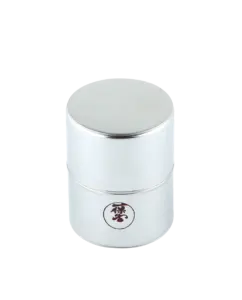
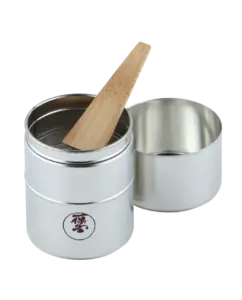
Ippodo Tea Matcha Sifting Sieve

The Ippodo Tea matcha sieve breaks up powder clumps quickly, holds about 50 g for advance sifting, and includes a bamboo spatula.

Videos

Ippodo Tea videos

Kyoto's 300-year matcha tradition since 1717

Browse the gallery to see 26 videos about matcha.

Ippodo Tea in details

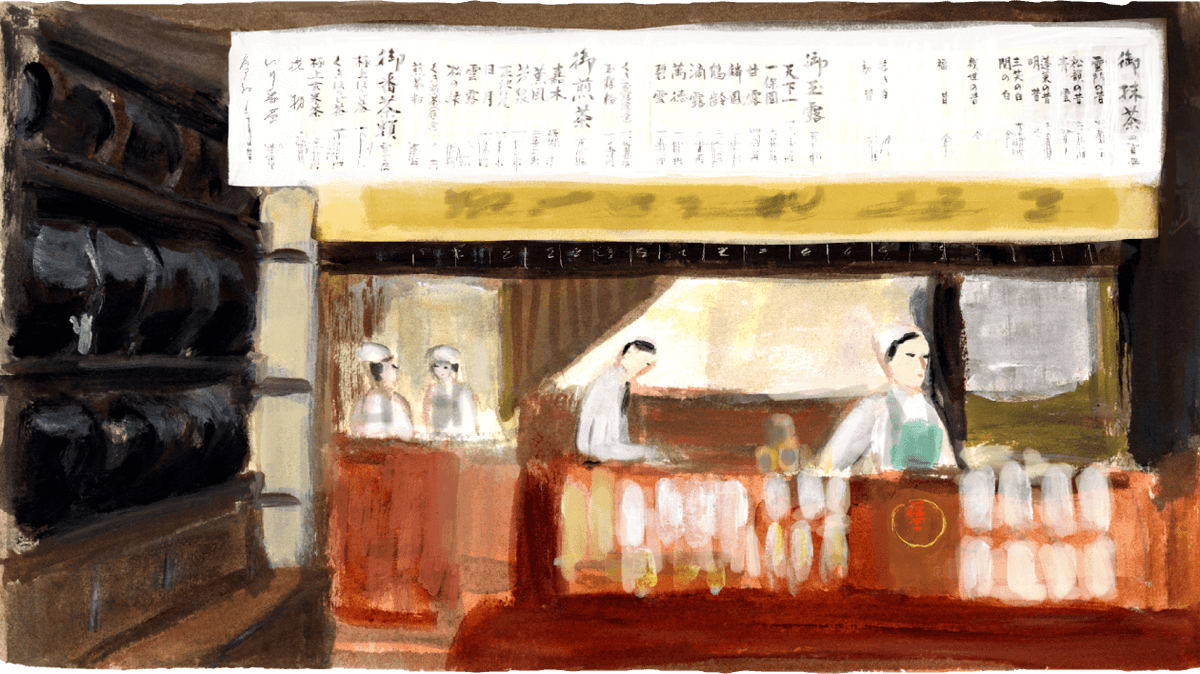
Ippodo Tea stands as one of Japan’s most respected tea houses, bringing nearly 300 years of Kyoto tradition to matcha enthusiasts worldwide. Founded in 1717 by Rihei Watanabe in the cultural heart of Japan, this historic brand has perfected the art of selecting, blending, and crafting premium Japanese green teas across generations. Their deep-rooted expertise makes them a trusted name for anyone seeking authentic matcha experience grounded in centuries of refinement.

A Legacy Rooted in Kyoto’s Tea Culture

Kyoto’s tea heritage flows through every aspect of Ippodo’s approach. The brand has maintained its commitment to aromatic, well-balanced teas by honoring traditional methods while ensuring accessibility for modern tea drinkers. This isn’t a company chasing trends—it’s a tea house that has witnessed and shaped Japanese tea culture for three centuries.

Their location in Kyoto, Japan’s historic tea capital, provides direct access to the finest tea-growing regions and the knowledge passed down through master blenders. This geographical and cultural advantage translates into exceptional quality control at every stage.

Comprehensive Matcha Selection and Beyond

Ippodo Tea offers over 40 carefully curated tea varieties, giving matcha lovers genuine choice based on taste preferences and intended use. Their matcha range includes everything from daily drinking grades to ceremonial options, plus special seasonal releases like Tsukikage Special Autumn Matcha.

Beyond matcha, their portfolio encompasses:

  • Gyokuro – premium shaded green tea for refined palates
  • Sencha – Japan’s most popular steamed green tea
  • Bancha varieties including hojicha and genmaicha
  • Convenient teabags without quality compromise
  • Essential tea utensils and preparation tools

Accessible Expertise for Every Tea Journey

Ippodo bridges the gap between traditional tea ceremony and everyday enjoyment. Their global online shop ships internationally, with dedicated USA and Canada stores for faster delivery. More importantly, they provide educational resources covering preparation techniques, food pairings, and cultural context.

This combination of historical credibility and modern accessibility makes Ippodo an ideal choice for both matcha newcomers exploring quality options and experienced practitioners seeking reliable, time-tested sources. Their balanced approach respects tradition while welcoming all who appreciate fine Japanese tea.

About the Ippodo Tea Matcha

Ippodo Tea offers a curated selection of matcha blends spanning thin and thick tea, each with a distinct flavor profile and preparation.

Signature blends

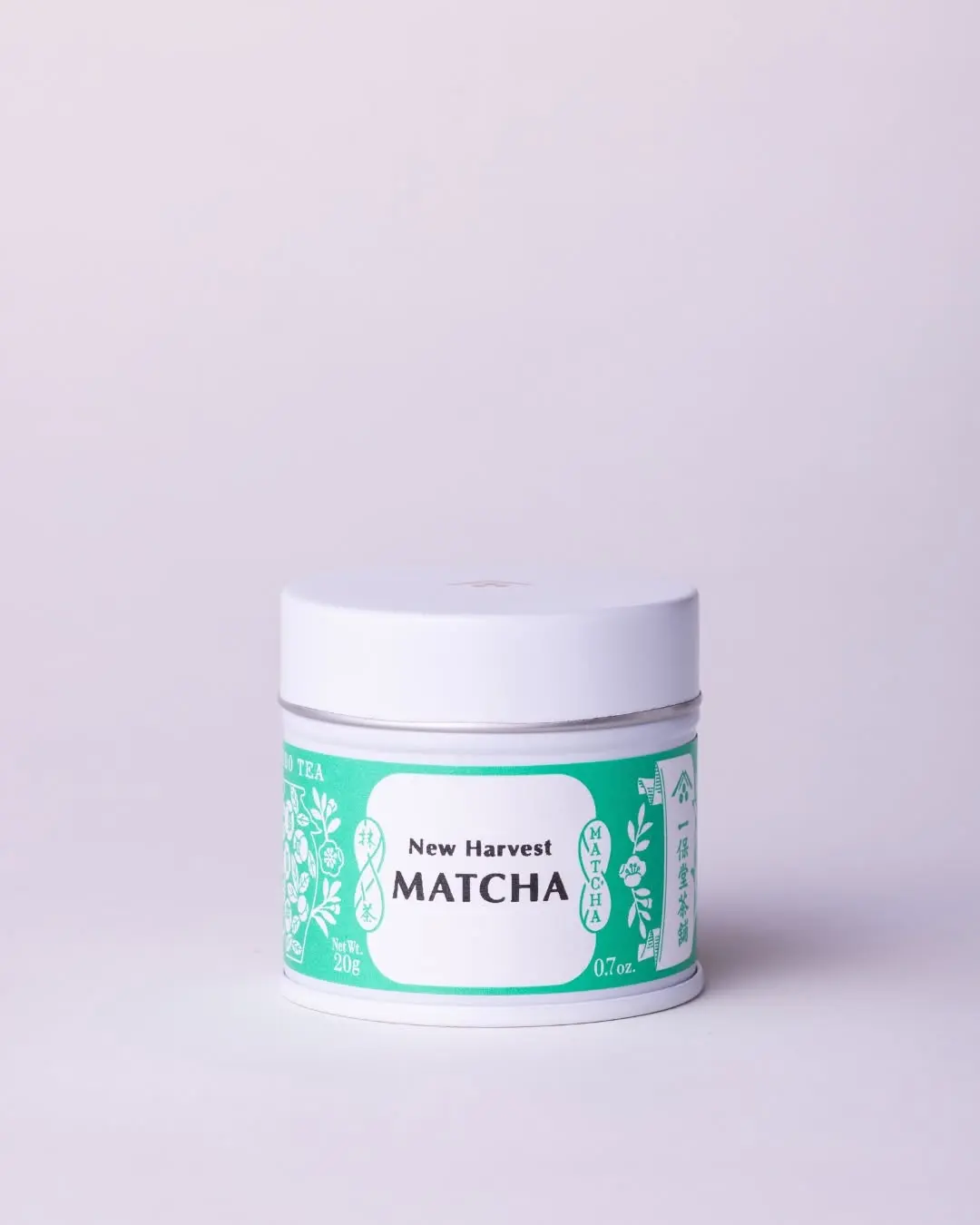
  • New Harvest — freshly ground new-crop leaves, fragrant with lively grassy, vegetal notes and subtle sweetness; best as usucha at 70°C.
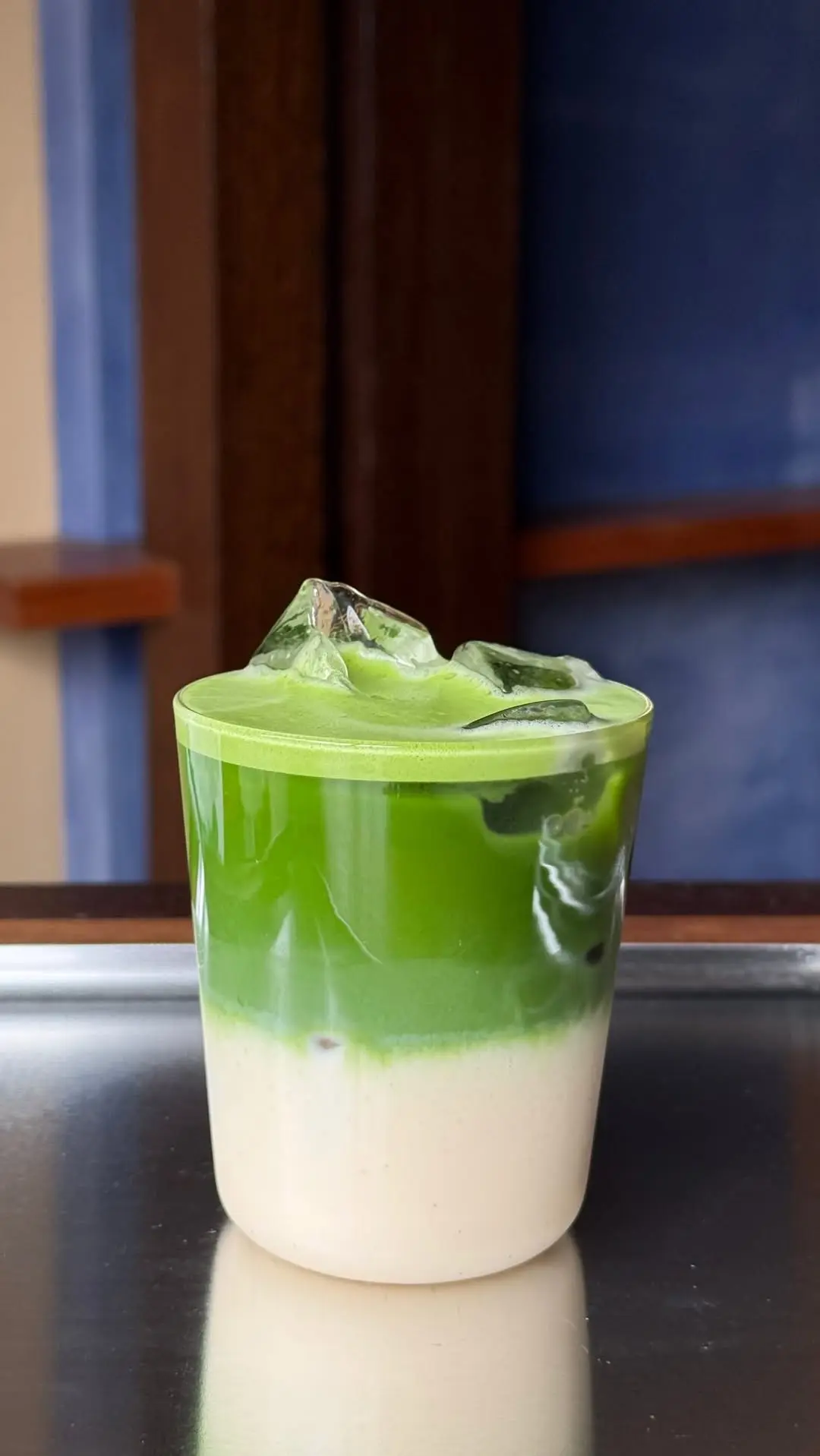
  • Nodoka — balances umami, sweetness, and gentle astringency; medium body for usucha or lattes, whisked at 80°C.
  • Organic — crisp and astringent with more vegetal character and less sweetness; JAS-certified organic.
  • Sayaka — a smooth introduction of umami with mild astringency, seaweed and nutty notes; usucha or koicha at 60°C.
  • Ummon-no-Mukashi — rich umami, subtle sweetness, and a mellow lingering finish; best as koicha at 50°C.

Harvest location

Ippodo Tea grows its matcha in carefully tended fields where shade-growing defines quality. Plants are covered with straw screens for 20 to 30 days before harvest, reducing sunlight to raise chlorophyll and L-theanine and build matcha's sweetness, umami, and vibrant green color.

Harvesting

The company uses both traditional hand-picking and machine harvesting. Hand-picking selects only the most tender, vibrant leaves by bud size, shape, and color, while machine harvesting handles everyday teas such as sencha and premium grades receive individual attention.

Processing

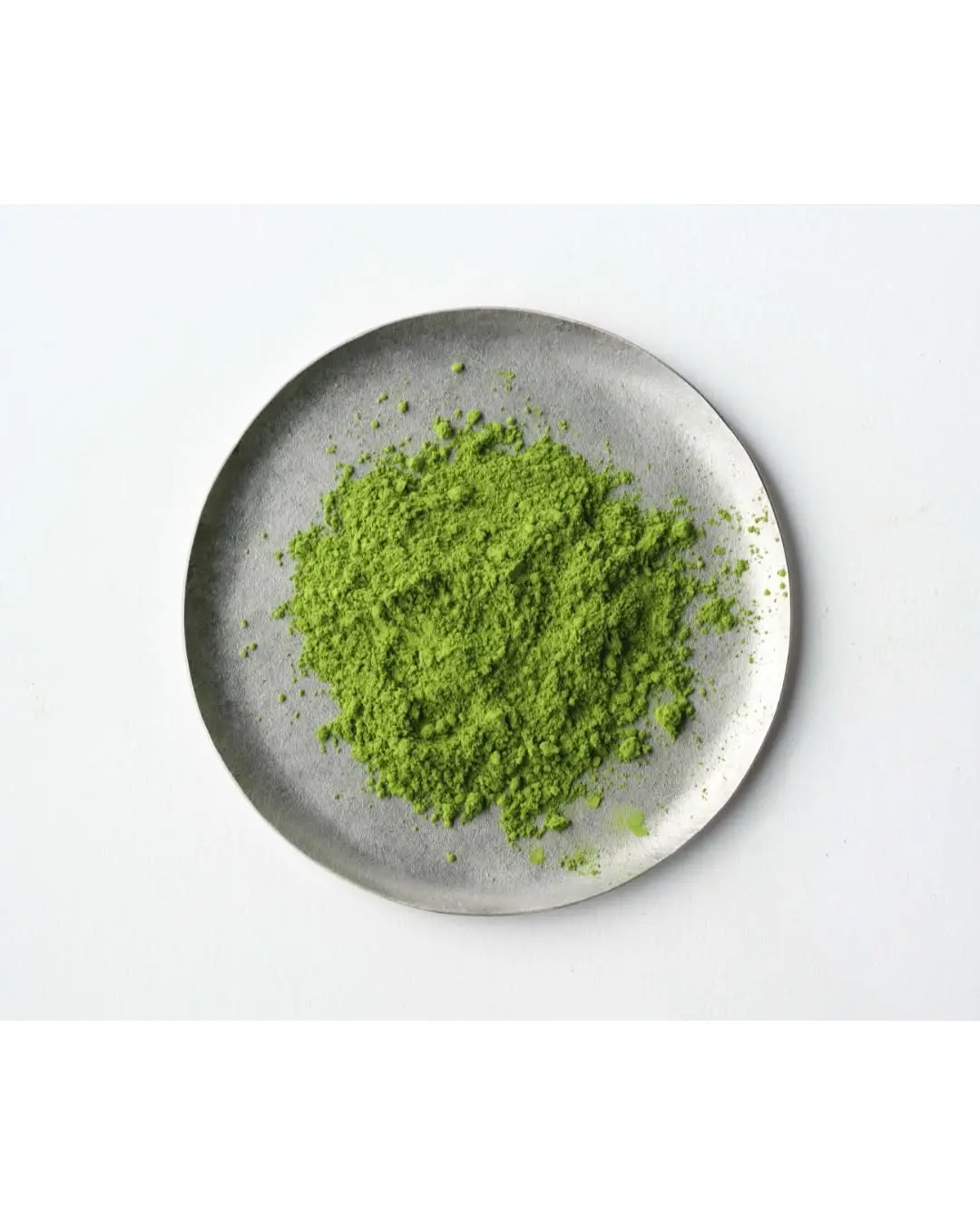
After harvest, tencha leaves are steamed for 15 to 20 seconds to preserve color and prevent oxidation, then dried, sorted to remove stems and veins, and aged several months to mellow. Final grinding uses granite stone mills at 40 to 50 rotations per minute, avoiding overheating for a fine, consistent powder. JAS certification guarantees the organic products are grown without synthetic fertilizers or pesticides.

Ippodo Tea History

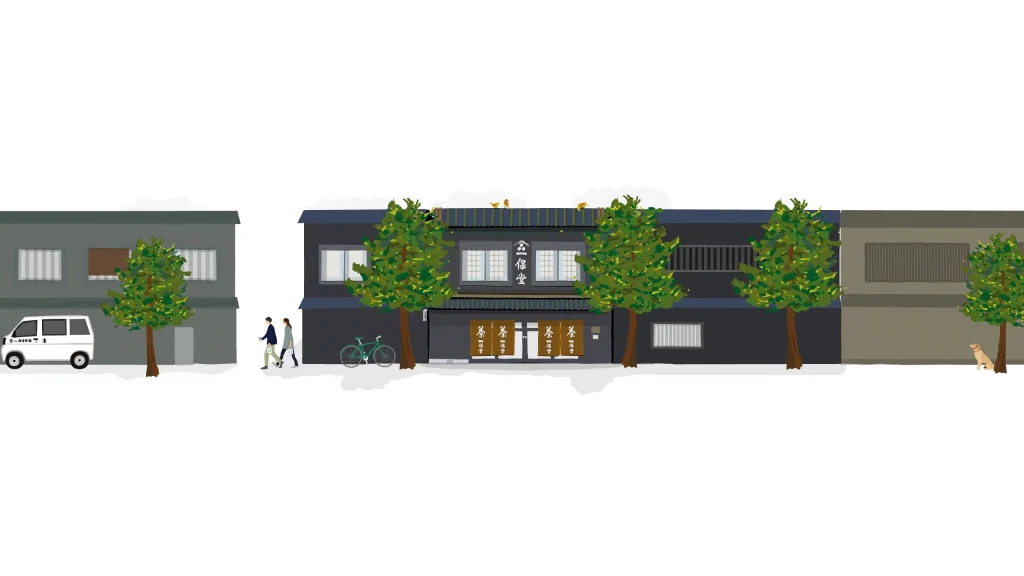
Ippodo Tea is one of Kyoto's most venerated tea houses, tracing its roots to 1717, when Rihei Watanabe founded a shop called Omiya, initially selling both tea and ceramics.

From Omiya to Ippodo

In 1846, Prince Yamashina, a devoted patron, bestowed the name Ippodo, meaning "preserve one." The company endured the Meiji Restoration while preserving traditional methods, and today is led by Masakazu Watanabe, a direct descendant of the founder.

January 1, 1717

Founding of Omiya Shop

Rihei Watanabe established the original shop called Omiya in Kyoto, initially selling both tea and ceramics. This marked the beginning of what would become over 300 years of continuous tea craftsmanship and family tradition in Japan's ancient capital.

January 1, 1846

Renaming to Ippodo by Prince Yamashina

Prince Yamashina, a devoted patron of the shop's exceptional tea, bestowed the name Ippodo (meaning 'preserve one') upon the establishment. The Prince wished for the shop to forever uphold the tradition of providing high-quality tea, establishing the brand identity that continues today.

January 1, 1868

Surviving the Meiji Restoration

During Japan's dramatic modernization and opening to Western influence, Ippodo skillfully navigated the influx of new ideas and technologies while steadfastly preserving traditional tea-making methods. This period demonstrated the company's ability to balance innovation with tradition.

January 1, 2000

Modern Leadership Under Masakazu Watanabe

Masakazu Watanabe, direct descendant of founder Rihei Watanabe, assumed leadership as president and master blender. Under his guidance, Ippodo continues to tackle modern challenges including supply chain issues and brand protection while maintaining the quality standards established centuries ago.

Frequently asked questions

Here are some frequently asked questions and answers.

When was Ippodo Tea founded?

Ippodo Tea traces its history to 1717, when Rihei Watanabe opened a Kyoto shop called Omiya that initially sold tea and ceramics. In 1846, Prince Yamashina gave the shop the name Ippodo, meaning “preserve one.” The tea house is now led by Masakazu Watanabe, a direct descendant of its founder.

How do Ippodo’s Nodoka and Organic matcha blends compare?

Nodoka balances umami, sweetness, and gentle astringency in a medium-bodied matcha suitable for thin tea or lattes. Ippodo’s Organic Matcha has a crisper, more astringent and vegetal character with less sweetness. The Organic blend is JAS-certified, indicating cultivation without synthetic fertilizers or pesticides.

Which Ippodo matcha is intended for koicha?

Ummon-no-Mukashi is presented as Ippodo’s matcha best suited to koicha, or thick tea. Its flavor combines rich umami, subtle sweetness, and a mellow finish that lingers. Sayaka can also be prepared as koicha, although it is described as a smooth introduction to umami with mild astringency and seaweed and nutty notes.

How does Ippodo process its matcha leaves?

After harvest, Ippodo steams tencha leaves briefly to preserve their color and prevent oxidation. The leaves are then dried, sorted to remove stems and veins, and aged for several months to mellow. Granite stone mills complete the process at a controlled pace intended to avoid overheating and create a fine, consistent powder.

How are Ippodo’s tea plants shaded and harvested?

Ippodo covers tea plants with straw screens before harvest to reduce sunlight and develop chlorophyll, L-theanine, sweetness, umami, and green color. The company uses both hand-picking and machine harvesting. Hand-picking selects tender leaves according to bud size, shape, and color, while machines are used for everyday teas such as sencha.