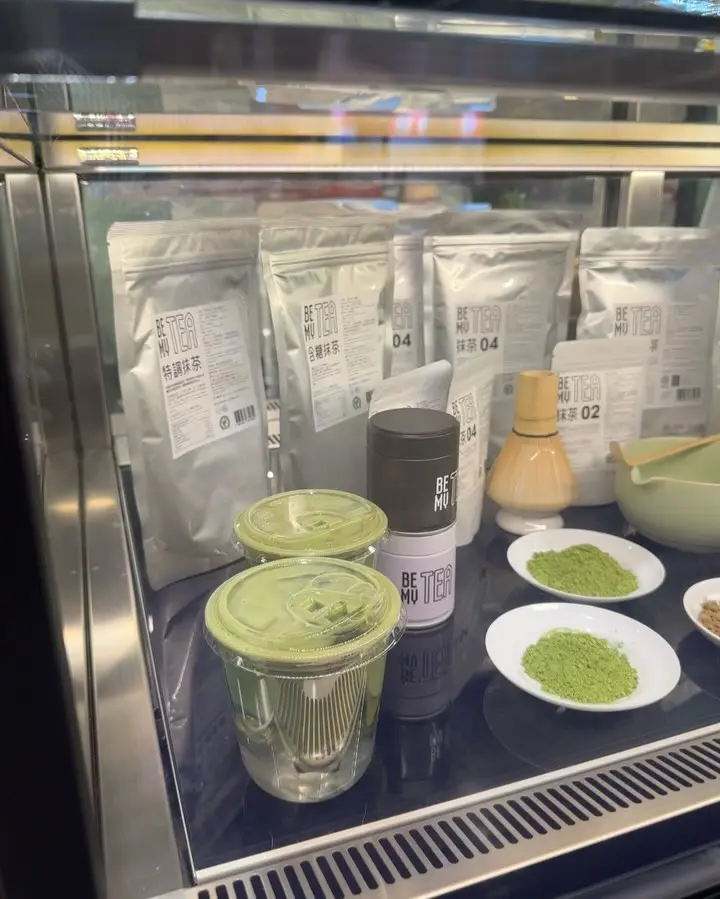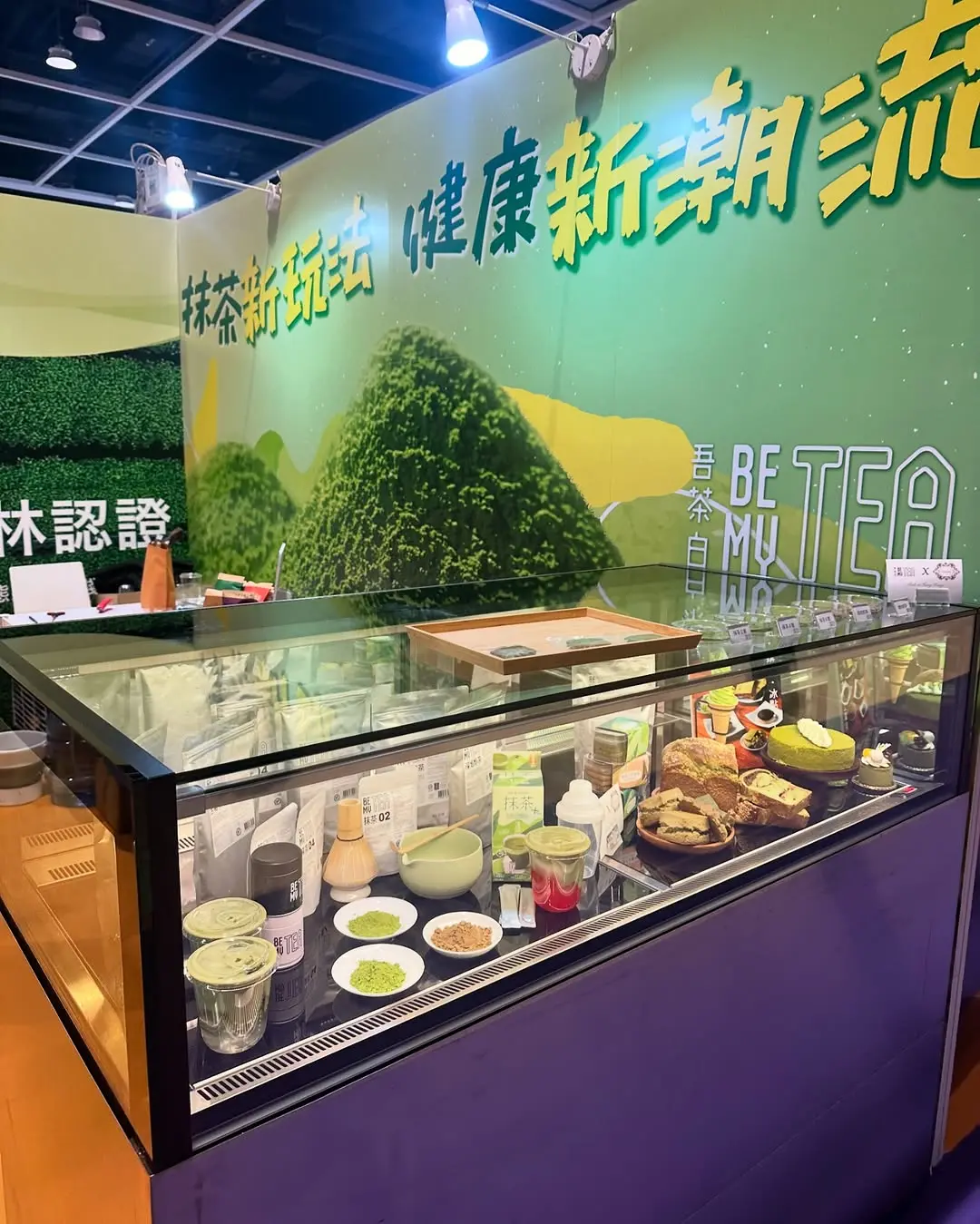
Who is Gui Tea Group?

Gui Tea Group is a Guizhou, China producer of ceremonial- and culinary-grade matcha, established in 2010. Its matcha uses three-to-four-week shading, Chagama-style steaming, and ceramic-ball milling of tencha.

Ceremonial grade uses hand-picked young leaves, while culinary grade uses machine-harvested leaves. Group manages tea gardens including USDA and EC organic-certified acreage, and holds FSSC 22000, HACCP, Halal, Kosher, AIB, and Rainforest Alliance certifications; it also works with Eurofins and SGS.

Videos

Gui Tea Group videos

China's largest matcha producer since 2010

Browse the gallery to see 26 videos about matcha.

Gui Tea Group in details

Gui Tea Group stands as China’s largest matcha producer and a nationally recognized leader in agricultural enterprise. Founded in April 2010 in Guizhou Province, the company operates the world’s largest single-site matcha factory with an impressive annual production capacity exceeding 4,000 tonnes. This scale positions Gui Tea as a dominant force in global matcha supply, particularly serving markets across Japan, the United States, Germany, and 40+ other countries.

From Plateau to Powder: The Guizhou Advantage

The company’s tea gardens sprawl across 140,000 mu (approximately 9,300 hectares) in Guizhou’s misty highlands, where elevation reaches 1,000 meters above sea level. This unique terroir creates ideal conditions for premium tea cultivation—high altitude, low latitude, abundant cloud cover, and minimal pollution. The region’s pristine environment has earned recognition as an emerging powerhouse in shade-grown tea production.

Gui Tea manages over 60 tencha processing lines that combine traditional Japanese techniques with fully automated intelligent production systems. Their ceremonial-grade matcha undergoes 20 days of shade-growing before harvest, steam sterilization in Tang and Song Dynasty fashion, and ultra-fine grinding to 1,300-mesh (11 µm)—significantly finer than standard matcha powder.

Meeting the Highest Global Standards

Quality assurance defines Gui Tea’s reputation. Every product passes over 480 pesticide residue tests and meets stringent EU export standards. The company holds multiple international certifications including USDA Organic, EU Organic, HACCP, ISO 22000, FSSC22000, Kosher, and Halal. Japanese matcha experts have praised their EU-standard matcha for its authentic flavor profile and consistent quality.

Complete Industry Integration

As a modern tea enterprise, Gui Tea integrates the entire value chain: cultivation, scientific research, production, global marketing, and tea tourism. Their 100,000-level aseptic workshop ensures microorganisms remain strictly controlled throughout the production process. The company offers comprehensive product lines including ceremonial matcha, organic matcha, culinary-grade matcha, flavored varieties, hojicha, premium green teas, and black teas.

With annual output valued between $10-50 million and a total factory area spanning 300,000 square meters, Gui Tea Group fulfills its mission of “sharing the cleanest tea with the world” while driving Guizhou’s tea industry onto the international stage.

About the Gui Tea Group Matcha

Gui Tea Group produces ceremonial-grade and culinary-grade matcha through a meticulous 20-plus step process that blends traditional Japanese methods with modern technology.

Processing

Chagama iron-kettle style steaming for 15-20 seconds inactivates enzymes to preserve the vibrant green color and enhance umami. Advanced ceramic ball mills grind tencha to a target particle size of 5-10 micrometers for smooth texture and optimal solubility.

Quality markers

The matcha reaches a colorimeter score above 800, indicating high chlorophyll and vivid green color, and holds theanine content at or above 1.2% for its distinctive umami. Beyond powder, the group has developed over 30 matcha-based foods and drinks, including matcha chocolate and ice cream.

Harvest location

Gui Tea Group operates from Guizhou Province, China, controlling an extensive network of 140,000 Chinese mu (9,333 hectares) of managed tea gardens, of which 10,000 mu (666 hectares) hold USDA and EC organic certification.

Shading and harvest

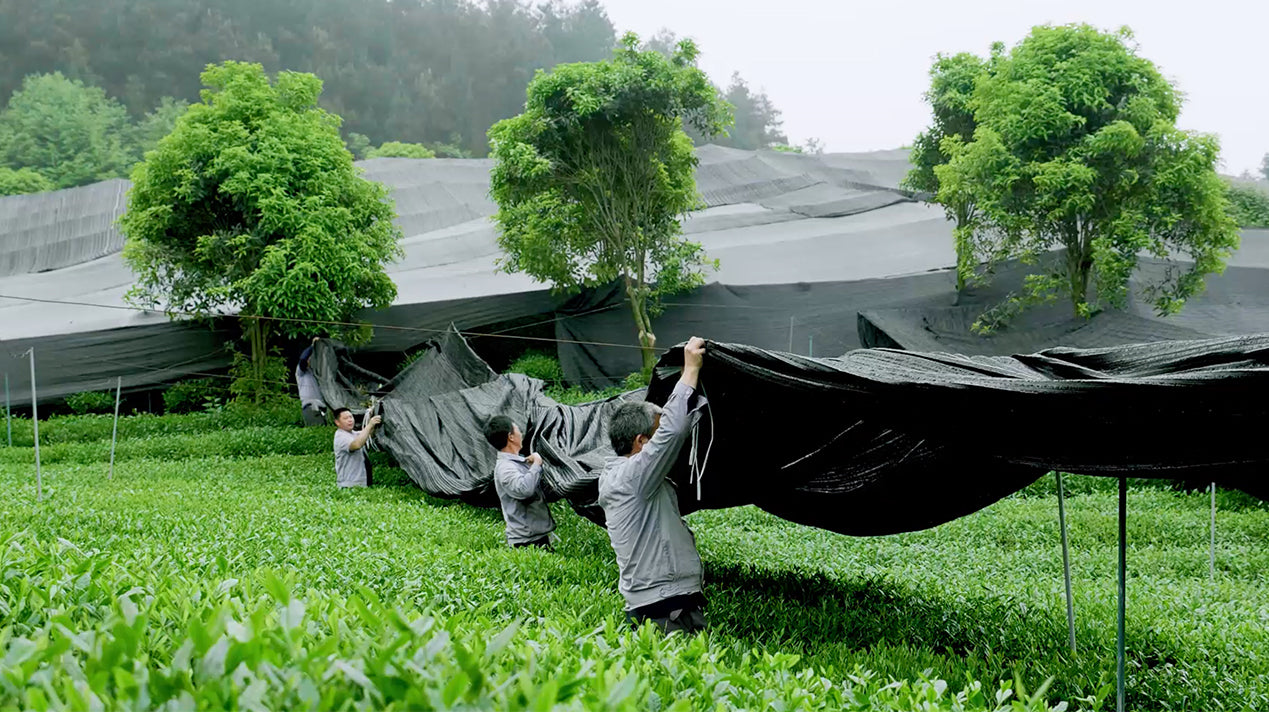
Tea plants are shaded for three to four weeks before harvest using black nets that cut sunlight by roughly 90%, raising chlorophyll and L-theanine. For ceremonial-grade matcha, skilled workers hand-pick the youngest, most tender leaves; for culinary grade, machine harvesting covers larger volumes efficiently.

Certifications

The group holds Halal, Kosher, AIB, FSSC 22000, HACCP and Rainforest Alliance certifications, integrates EU food safety standards, and works with testing institutions such as Eurofins and SGS to meet global quality requirements.

Gui Tea Group History

Gui Tea Group was established in April 2010 in Guizhou Province, China, with registered capital of RMB 190 million, growing from a regional producer into China's largest matcha enterprise.

Milestones

  • 2017 — Partnered to build a large-scale matcha facility, expanding capacity.
  • 2020 — Accounted for 97% of China's matcha production.
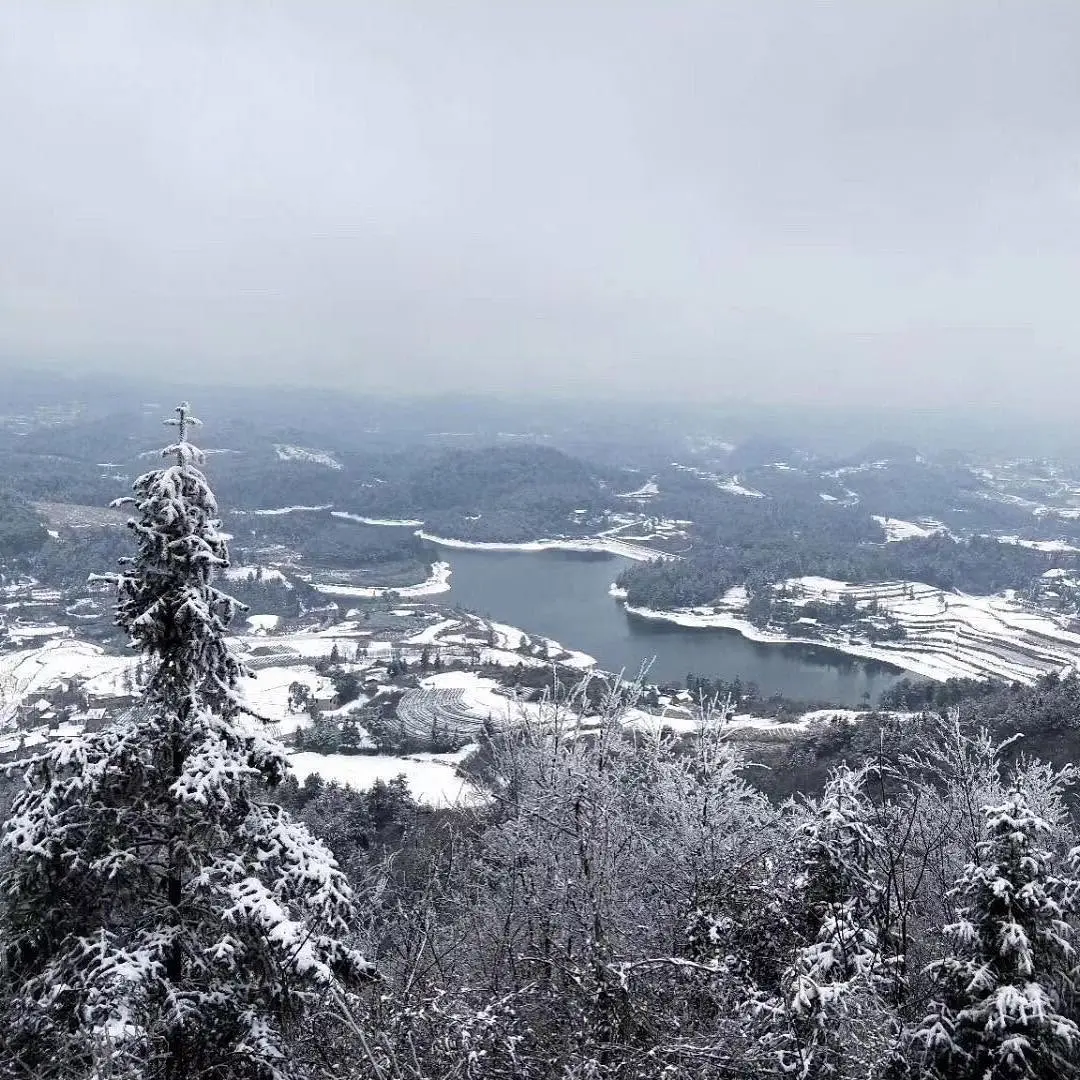
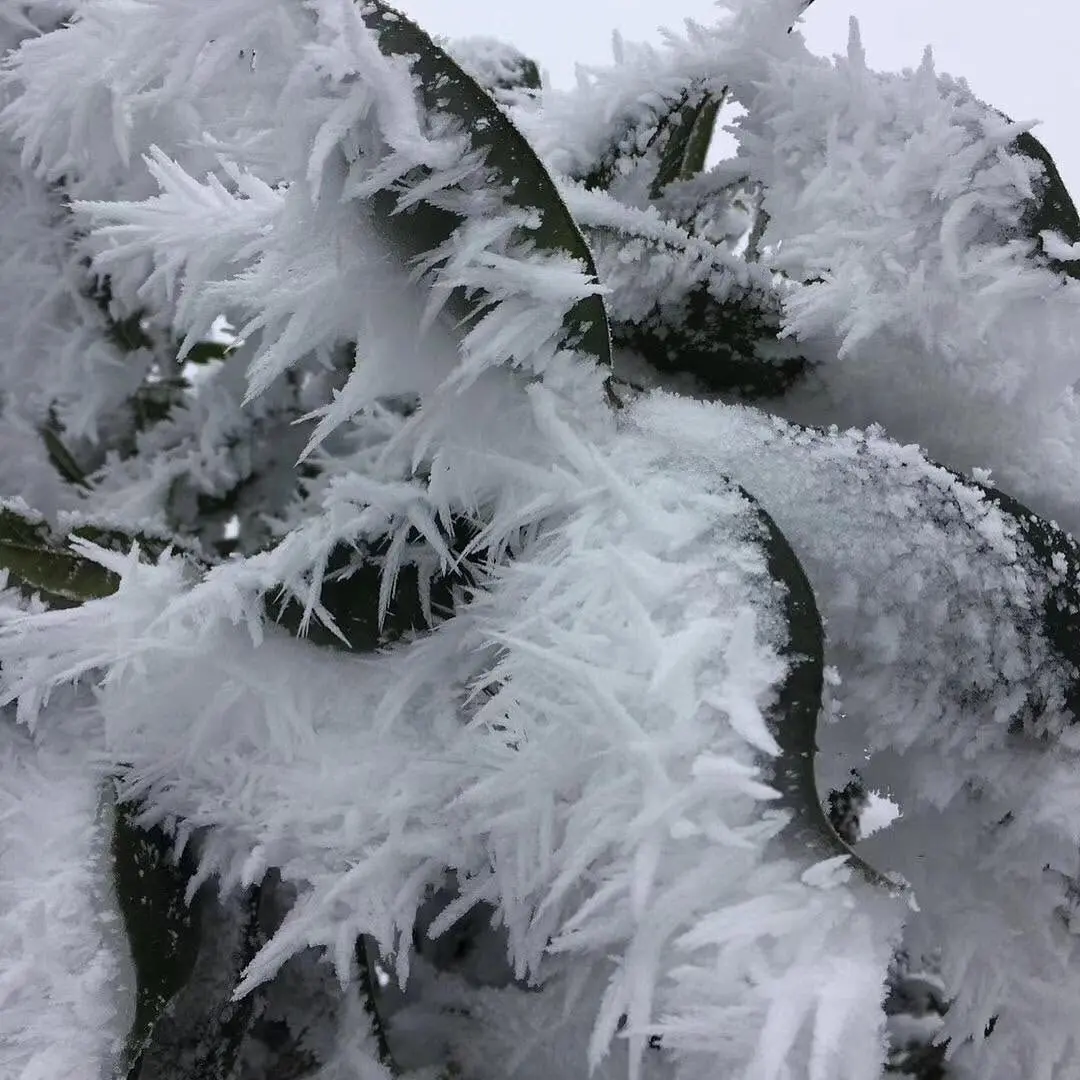
  • 2023 — Invested in climate-resilient tea varieties after poor harvests.
April 1, 2010

Gui Tea Group was established in Guizhou Province with a registered capital of RMB 190 million (USD 27.5 million), marking the beginning of what would become China's largest matcha production enterprise.

January 1, 2017

Gui Tea Group partnered with Guizhou Gui Tea Group Co., Ltd. to establish a large-scale matcha production facility, significantly expanding their production capacity and market reach in the global matcha industry.

January 1, 2020

Gui Tea Group achieved a remarkable milestone by accounting for 97% of China's total matcha production, solidifying its position as the undisputed market leader in Chinese matcha manufacturing and export.

January 1, 2023

Following challenges from poor weather conditions affecting tea harvests, Gui Tea Group invested in advanced agricultural techniques and climate-resilient tea varieties to mitigate future risks and ensure consistent production quality.

Frequently asked questions

Here are some frequently asked questions and answers.

How does Gui Tea Group's 10,000 tonnes daily production capacity at their Tongren factory compare to traditional Japanese matcha producers?

Gui Tea Group's Tongren facility is the world's largest single-site matcha factory, capable of producing 10 tonnes of matcha daily with an annual capacity exceeding 4,000 tonnes. This massive scale dwarfs traditional Japanese producers who typically operate smaller, artisanal facilities.

By 2020, Gui Tea Group accounted for 97% of China's total matcha production, demonstrating how their industrial-scale approach has revolutionized matcha manufacturing. While Japanese producers like Aiya and Marukyu Koyamaen focus on smaller batches and traditional methods, Gui Tea Group leverages advanced ceramic ball mills and automated systems to achieve consistent quality at unprecedented volumes.

What makes Gui Tea Group's 20+ step matcha production process unique in the industry?

Gui Tea Group employs a comprehensive 20+ step production process that combines traditional Japanese techniques with modern Chinese innovation. Key distinctive elements include:

  • Chagama-style steaming using traditional iron kettles for precise 15-20 second enzyme inactivation
  • Advanced ceramic ball mills achieving 5-10 micrometer particle size for optimal solubility
  • 100,000-level aseptic workshop environment for sterile production
  • 480 pesticide residue testing using GC-MS and LC-MS technology
  • Nitrogen flushing packaging to prevent oxidation

This fusion of Eastern tradition and Western science allows them to maintain quality while scaling production far beyond traditional methods.

Why does Gui Tea Group test for exactly 480 pesticide residues in their matcha?

Gui Tea Group's 480 pesticide residue testing reflects their commitment to meeting the strictest international food safety standards, particularly EU Regulation (EC) No 396/2005 concerning maximum residue levels in food and feed.

Using advanced gas chromatography-mass spectrometry (GC-MS) and liquid chromatography-mass spectrometry (LC-MS) techniques, they test for this comprehensive range of potential contaminants. This extensive testing, combined with their USDA and EC organic certifications on 10,000 Chinese mu (666 hectares) of tea gardens, ensures their matcha meets global export requirements and exceeds safety standards in major markets.

How does Gui Tea Group's colorimeter score of >800 relate to their matcha quality?

Gui Tea Group uses a colorimeter to measure matcha color, targeting a score >800 which indicates exceptionally high chlorophyll content and vibrant green color. This scientific measurement ensures consistency across their massive production volumes.

Combined with their requirement for ≥1.2% theanine content, these precise specifications guarantee both the visual appeal and umami flavor profile that defines premium matcha. The high colorimeter score results from their 3-4 week shading process using black nets to reduce sunlight exposure by 90%, naturally boosting chlorophyll levels in the tea leaves.

What's the significance of Gui Tea Group's matcha being presented to ASEAN politicians on the 25th anniversary of China-ASEAN diplomatic relations?

This prestigious presentation highlighted Gui Tea Group's international recognition and their role as a symbol of Chinese tea excellence on the global stage. Being selected to represent China's tea industry at such a significant diplomatic milestone demonstrates the company's reputation beyond commercial success.

Founded in April 2010 with RMB 190 million registered capital, Gui Tea Group has rapidly evolved from a regional producer to an internationally recognized brand. Their Halal, Kosher, AIB, FSSC 22000, HACCP, and Rainforest Alliance certifications enable them to serve diverse global markets, making them an ideal choice for diplomatic gifts that represent modern Chinese agricultural innovation.