
Who is Do Matcha?

Do Matcha is a Japanese matcha brand sourcing tea from Kagoshima and Uji, Kyoto. Its shade-grown tencha is stone-ground in Uji at 30 grams per hour, preserving delicate aroma and creamy texture.

Brand works directly with Kazunori Handa-san, a 16th-generation tea master. Range includes ceremonial, summer harvest organic, and culinary grades; August-picked summer matcha has earthier, more robust character.

Videos

Do Matcha videos

Authentic matcha tradition from 16th-generation tea masters

Browse the gallery to see 26 videos about matcha.

Do Matcha in details

Do Matcha brings centuries of Japanese tea tradition to modern wellness enthusiasts through authentic, organic matcha sourced directly from Japan’s premier growing regions. With tea leaves cultivated in Kagoshima and processed by traditional producers in Uji, Kyoto, this brand delivers genuine Japanese matcha without fillers or sweeteners.

Rooted in Traditional Japanese Methods

The foundation of Do Matcha’s quality lies in its partnership with traditional tea producers who have perfected their craft over generations. Tea leaves grow in Kagoshima, a region renowned for organic cultivation, where farmers follow time-honored practices that prioritize soil health and plant vitality. The processing takes place in Uji, the historic heart of Japanese tea culture, where artisans apply stone-grinding methods to preserve the delicate umami flavor profile.

This dual-region approach combines Kagoshima’s ideal growing conditions with Uji’s unmatched processing expertise. The result is matcha that exhibits the signature bright green color and sweet, complex taste that defines authentic Japanese tea.

A Matcha for Every Purpose

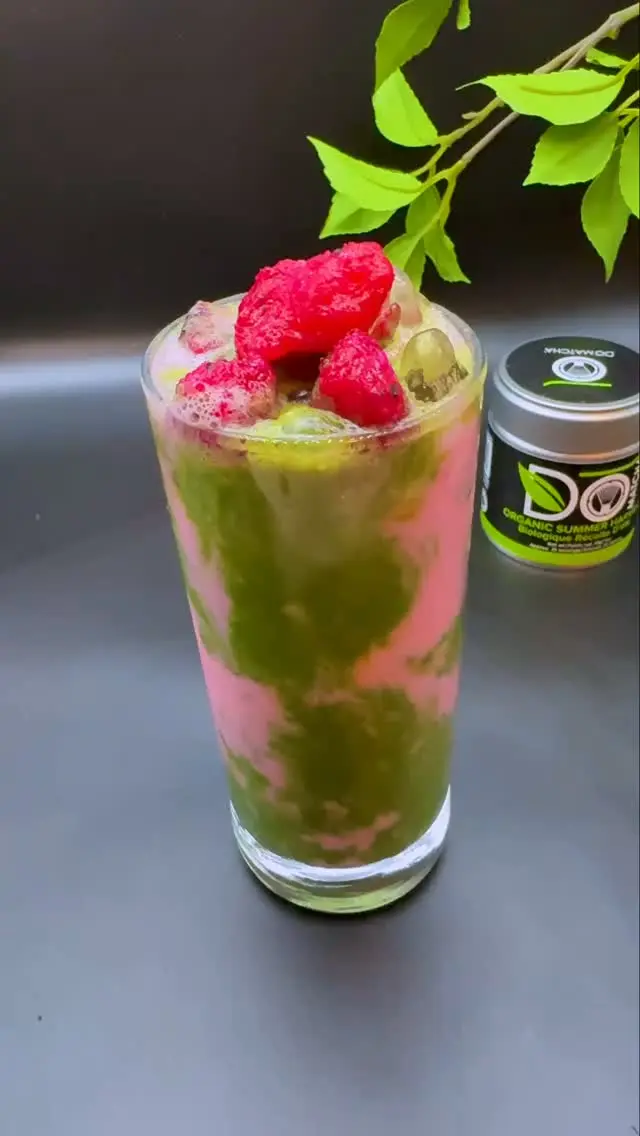
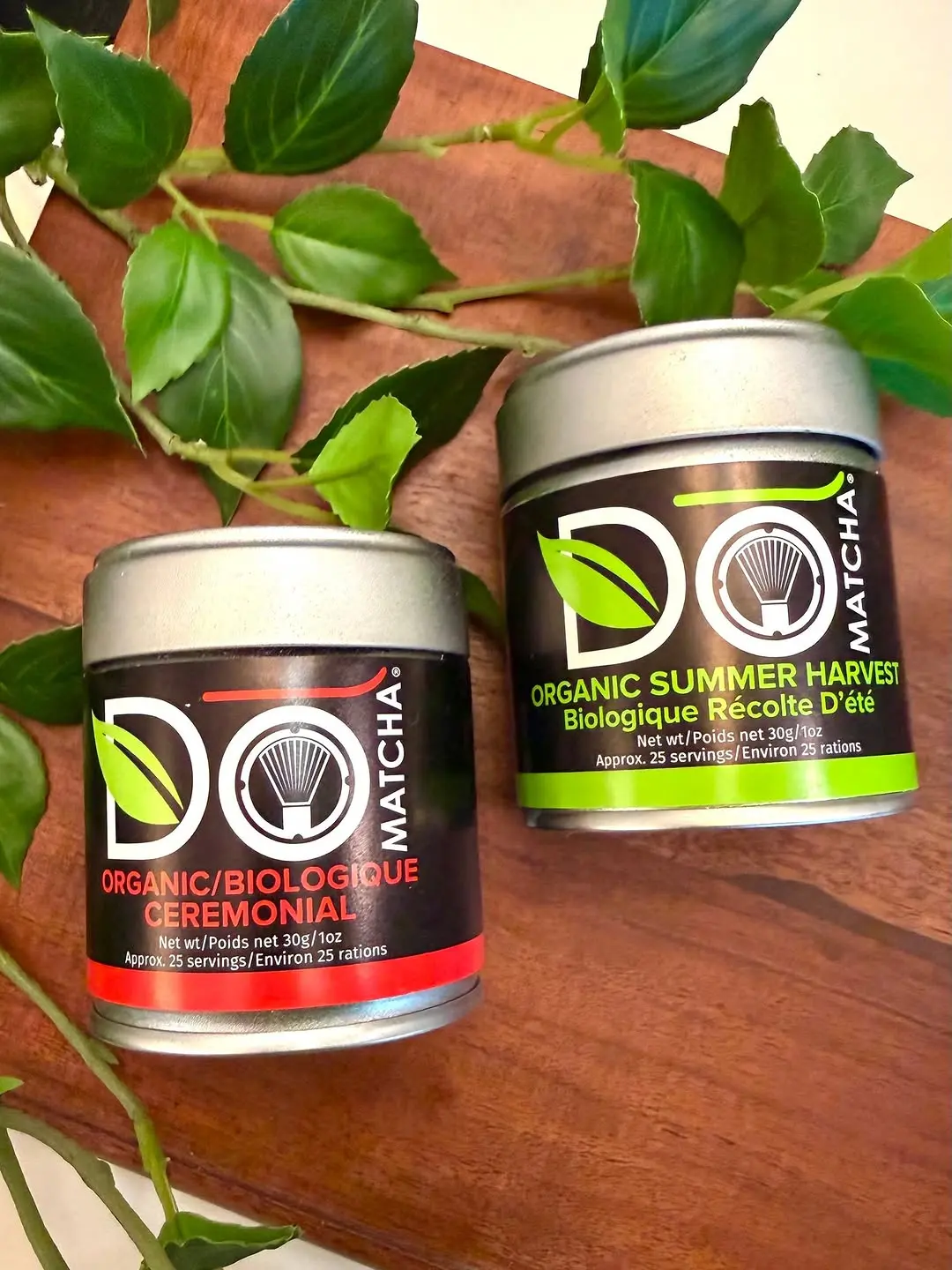
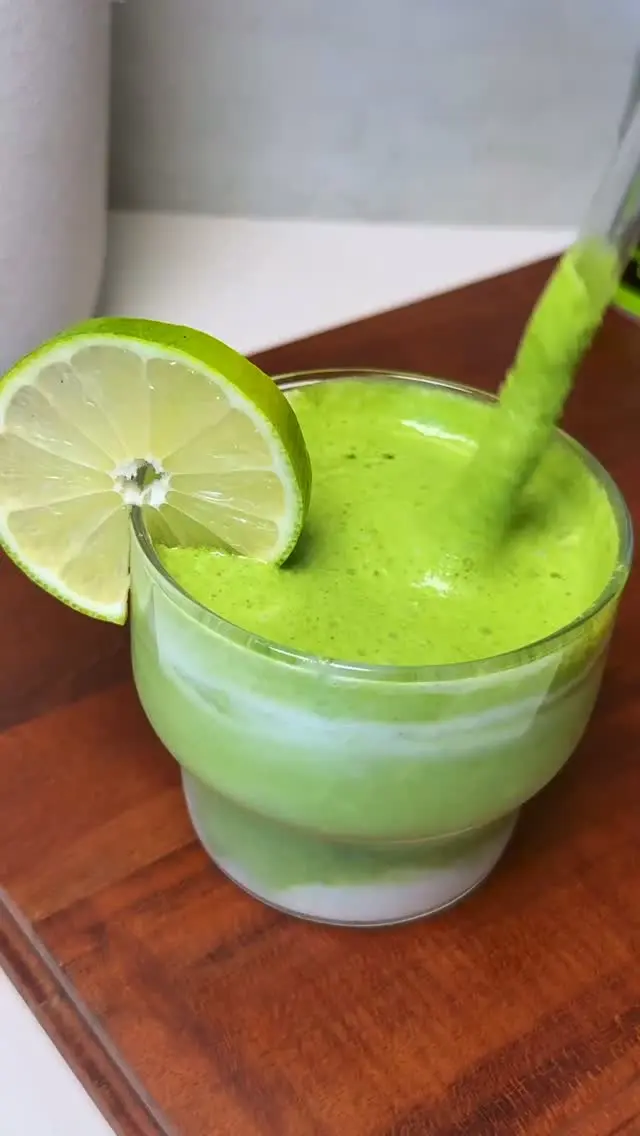
Do Matcha understands that different occasions call for different grades. Their Ceremonial Organic matcha uses only the youngest, most tender tencha leaves, delivering peak nutritional value and vibrant flavor for traditional preparation. The Summer Harvest Organic offers an earthier profile with robust antioxidants, perfect for blending into smoothies and lattes.

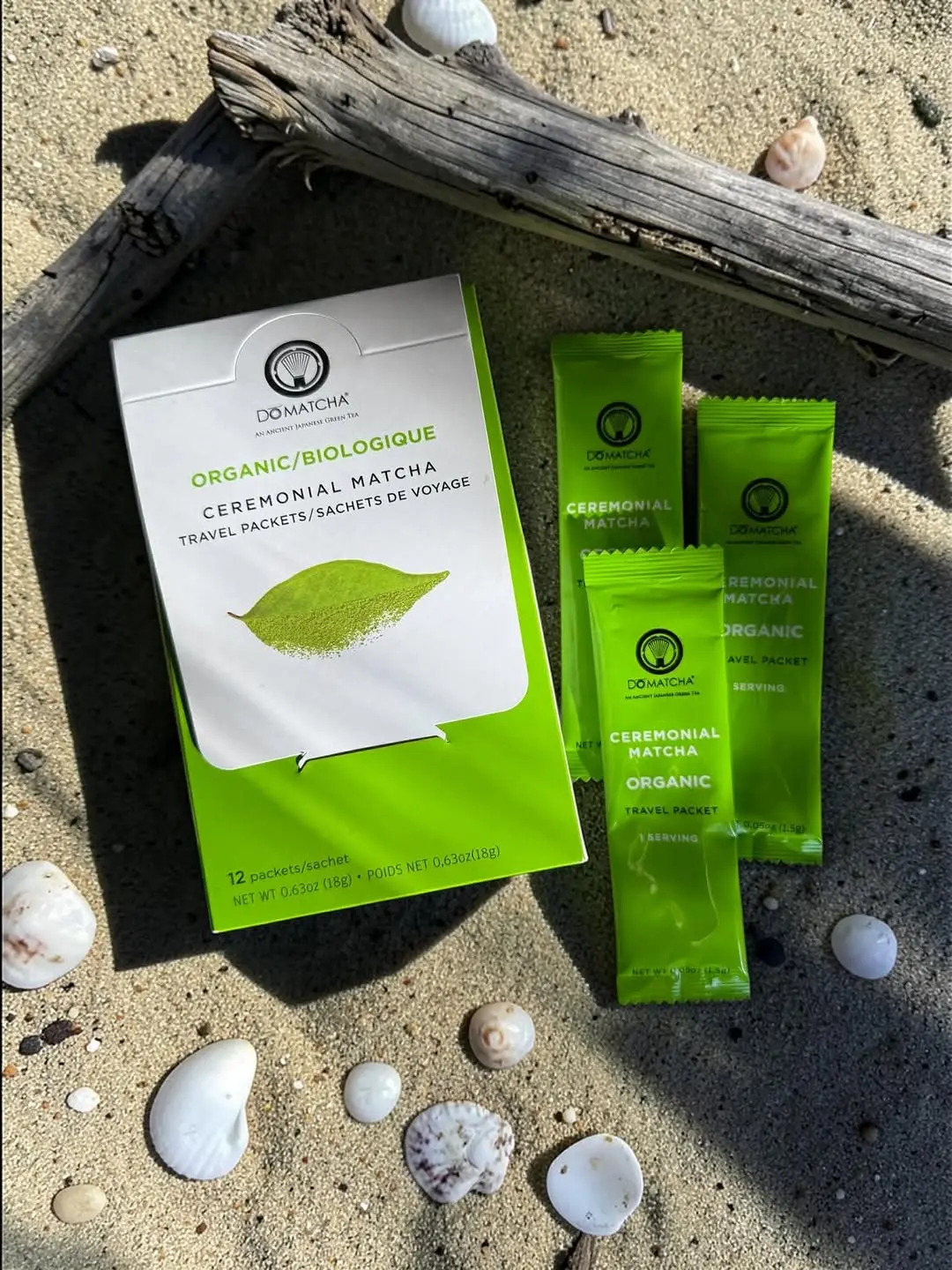
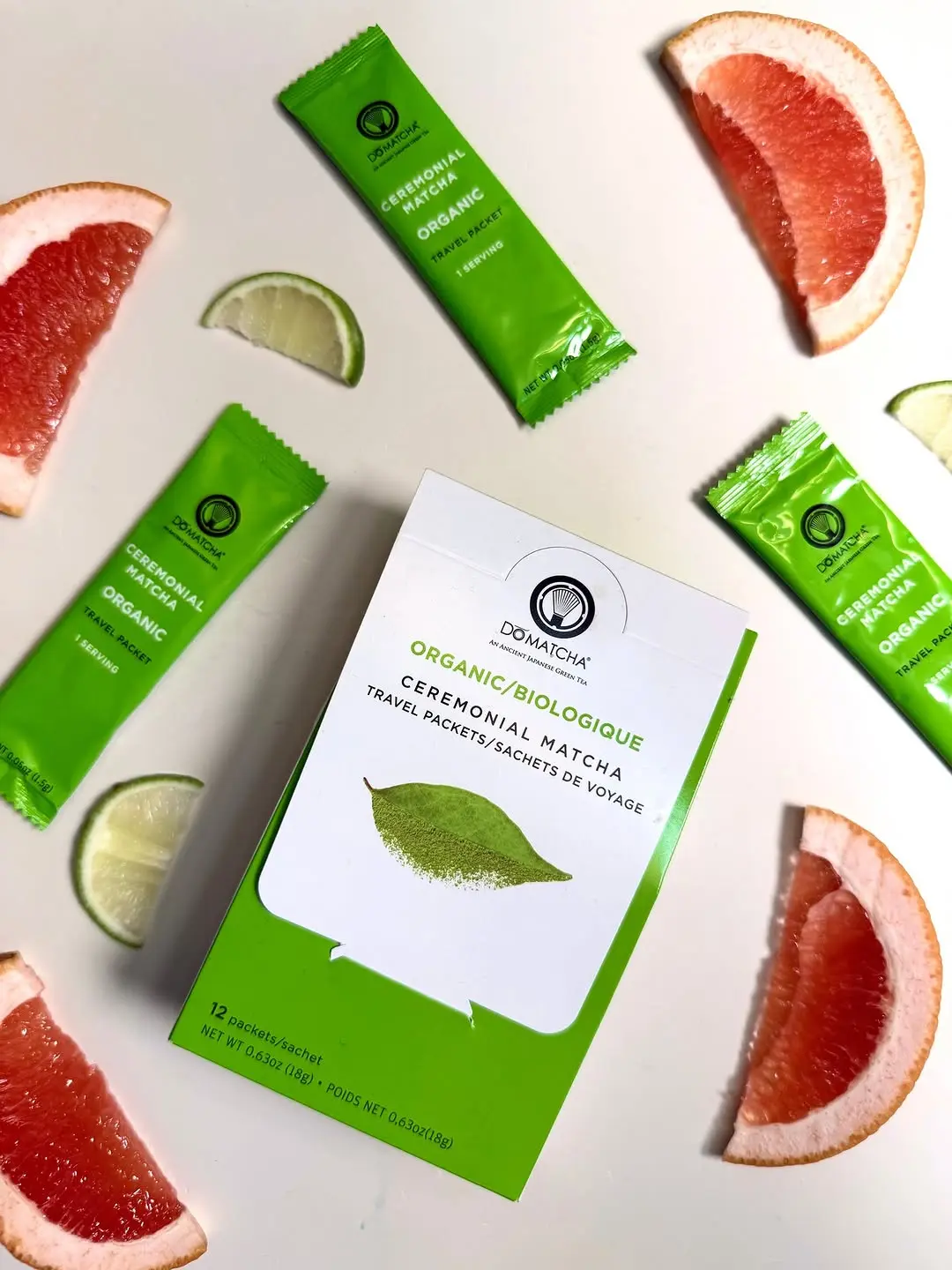
For culinary applications, their Culinary Matcha adds bold color and flavor to baked goods and recipes. The brand also offers convenient travel packets containing single servings, making it easy to maintain your matcha routine anywhere.

Certified Organic, Genuinely Japanese

Every Do Matcha product carries international organic certification, ensuring that farming practices meet rigorous standards for environmental sustainability and product purity. This commitment extends beyond labels—the brand sources exclusively from Japanese farms, guaranteeing 100% authentic powdered tea leaves.

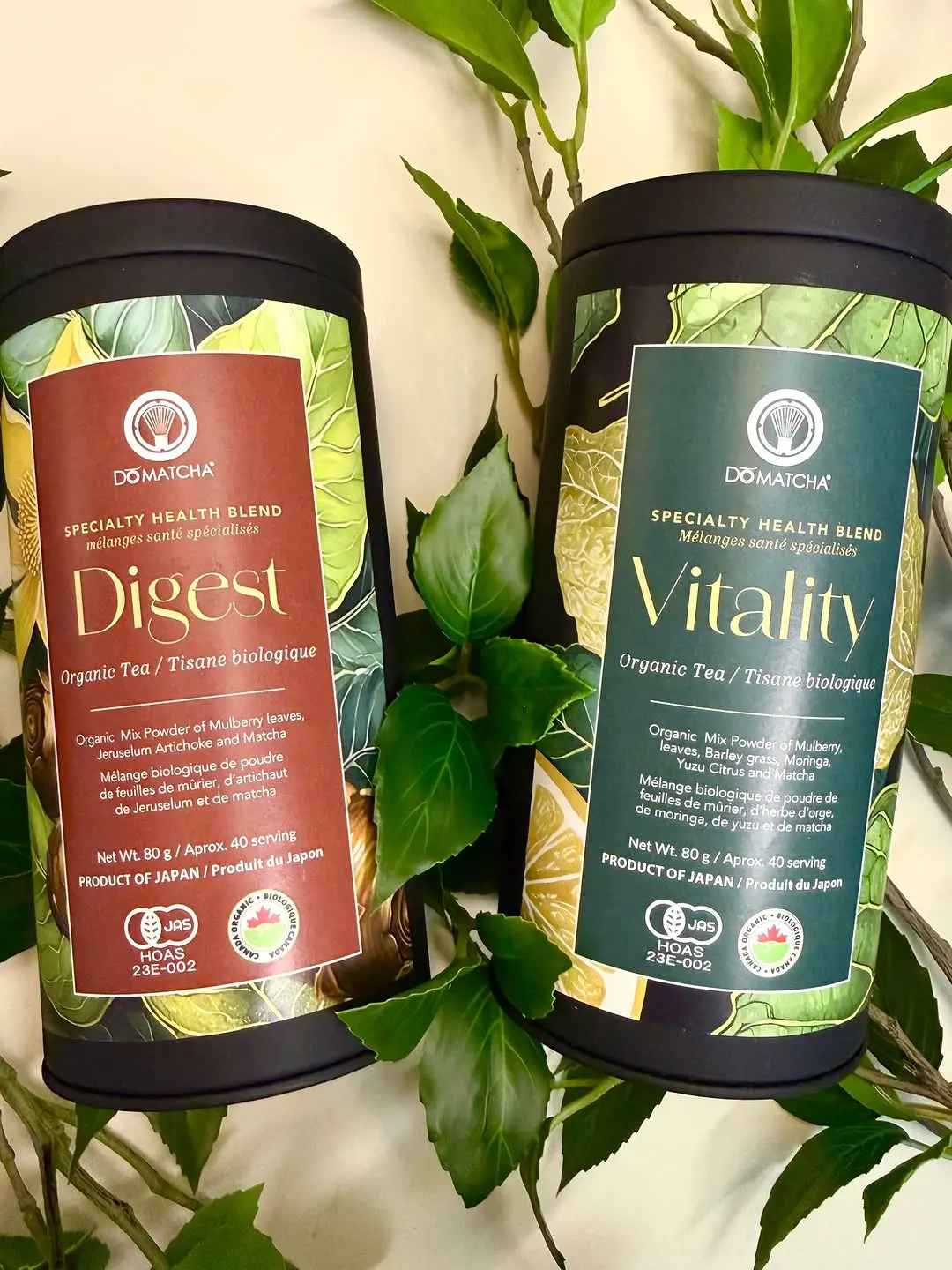
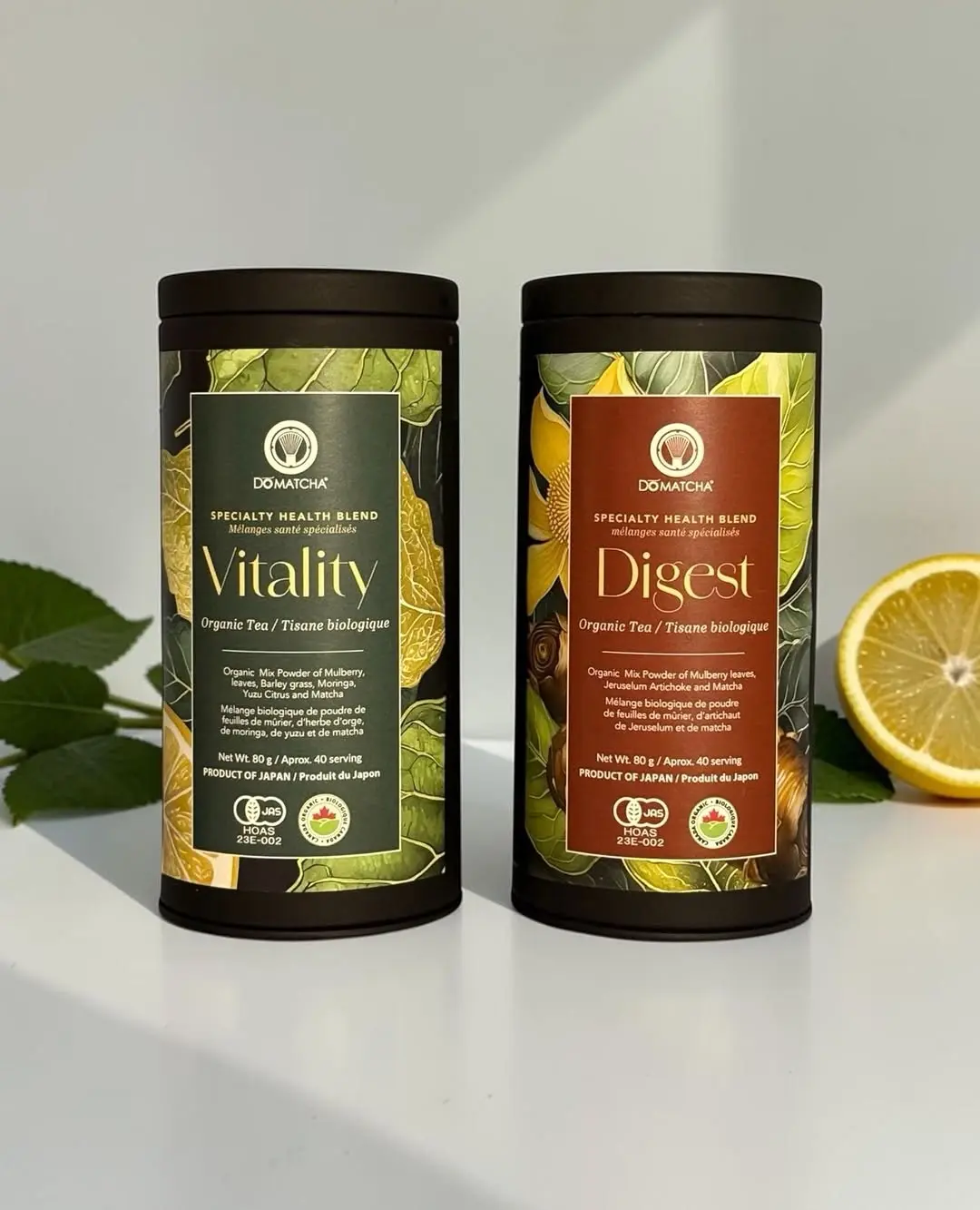
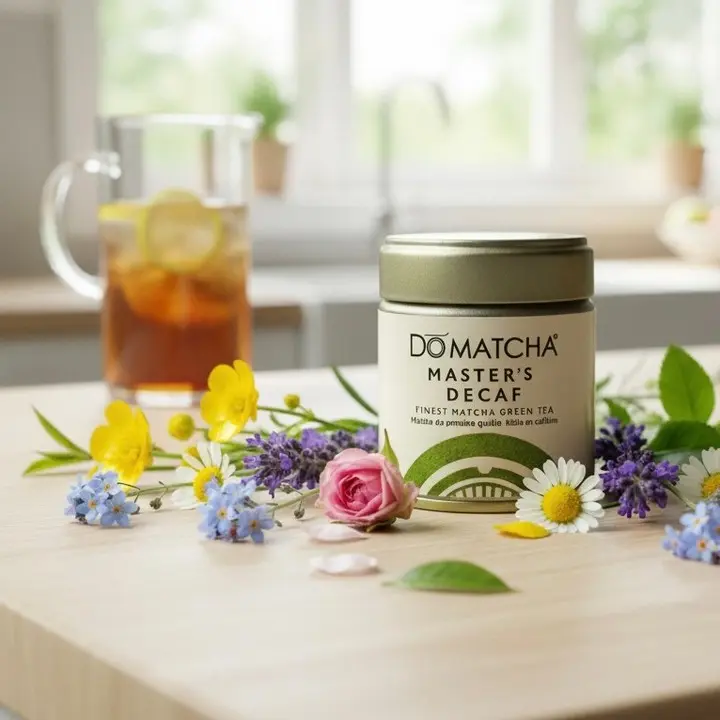
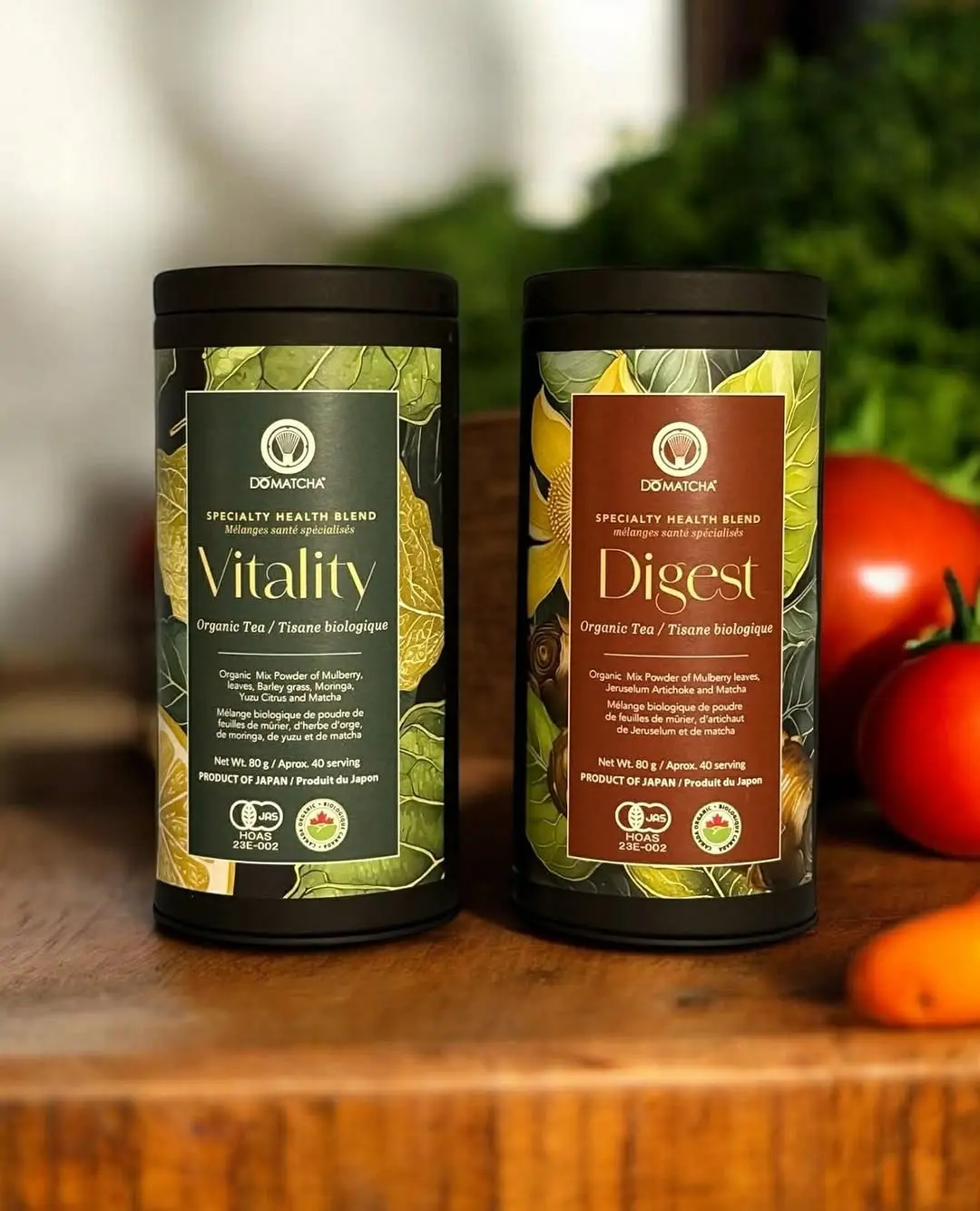
The product range includes specialty health blends and even decaffeinated options, addressing diverse wellness needs without compromising on quality. Whether you’re seeking focused energy, calm alertness, or simply the rich taste of traditional matcha, Do Matcha provides options backed by authentic Japanese production methods and modern organic standards.

About the Do Matcha Matcha

Do Matcha offers traditional Japanese matcha sourced directly from Japan's renowned tea-growing regions, with authenticity carried through every step from leaf selection to packaging. Only the youngest, finest top leaves are selected, steamed, and stored at zero degrees to lock in freshness, vibrant green color, and the calming properties matcha enthusiasts seek.

Traditional Stone-Ground Processing

Granite stone mills grind shade-grown tencha at a careful pace of 30 grams per hour. This slow method prevents overheating and preserves the delicate aromas, flavors, and creamy texture of premium matcha, keeping essential compounds like chlorophyll and L-theanine intact.

Featured Matcha

Summer Harvest Organic Matcha is picked in August rather than spring, developing an earthier flavor profile and higher antioxidant levels. The later timing yields a more robust taste for those who prefer bolder matcha over delicate spring lots.

Harvest location

Do Matcha sources exclusively from two of Japan's most distinguished matcha regions: Kagoshima and Uji in Kyoto. Each contributes its own terroir to the finished tea.

Kagoshima Prefecture

In southern Japan, Kagoshima's rich volcanic soil and mineral-heavy earth create ideal conditions for tea plants. Its climate and terroir yield matcha with bold, vibrant flavors that set it apart from other growing areas.

Uji, Kyoto

Uji holds sacred status as the birthplace of matcha, where centuries of cultivation have refined the craft. Its misty hills and fertile soil produce matcha known for a smooth, sweet taste and rich umami.

Traditional cultivation

Do Matcha works directly with Kazunori Handa-san, a 16th-generation tea master whose family has preserved traditional cultivation, harvesting, and processing for centuries. The gardens follow time-honored practices of careful timing, proper shading, and close attention to the factors that shape tea quality.

Do Matcha History

Do Matcha's lineage began in 1858, when Buhei Handa-san, a 12th-generation tea master, founded the first company to export Japanese green tea internationally. In 1892, William Andrews, great-grandfather of founder John Harrison, established Andrews & George in Tokyo, one of the city's first foreign trade firms.

Modern revival

In 2005, Harrison partnered with 16th-generation master Kazunori Handa-san, and in 2007 the brand launched, bringing authentic stone-ground matcha to global markets.

January 1, 1858

Buhei Handa-san, the 12th-generation tea master, establishes the inaugural enterprise exporting Japanese green tea internationally after acclaim at the Paris Expo.

January 1, 1892

William Andrews, great-grandfather of founder John Harrison, launches Andrews & George Company Limited in Tokyo, pioneering foreign trade and tea commerce.

January 1, 1932

Kinroku Handa-san hosts Charlie Chaplin and his brother Sydney for a traditional tea ceremony during their visit to Japan, highlighting the family’s cultural ambassadorship.

January 1, 2005

John Harrison rejoins Japan’s tea community and partners with 16th-generation master Kazunori Handa-san, rekindling a historic collaboration and securing premium matcha sourcing.

January 1, 2007

The DōMatcha brand debuts internationally, offering authentic stone-ground matcha to new markets and honoring the Way of Tea (Sadō) with every finely milled batch.

Frequently asked questions

Here are some frequently asked questions and answers.

Where is Do Matcha grown and processed?

Do Matcha sources tea from Kagoshima and Uji in Kyoto. Its tea leaves are cultivated in Kagoshima, while traditional producers process them in Uji. This approach combines the growing conditions associated with Kagoshima with Uji stone-grinding expertise. The brand works directly with Kazunori Handa-san, identified in the record as a 16th-generation tea master.

How slowly is Do Matcha stone-ground?

Do Matcha’s shade-grown tencha is milled with granite stones at a rate of 30 grams per hour. The slow grinding method is used to prevent overheating and preserve delicate aromas, flavors, and creamy texture. According to the brand record, it also helps keep compounds such as chlorophyll and L-theanine intact during the transformation from tencha into fine matcha powder.

What is the difference between Do Matcha ceremonial, summer harvest, and culinary grades?

Do Matcha’s Ceremonial Organic option uses the youngest, most tender tencha leaves and is intended for traditional preparation. Summer Harvest Organic has an earthier, more robust profile and is presented for smoothies and lattes. Culinary Matcha provides bold color and flavor for cooking, baking, and other recipes, giving each grade a distinct stated application.

What does Do Matcha Summer Harvest Organic taste like?

Do Matcha Summer Harvest Organic is picked in August rather than during the spring harvest. This later timing gives it an earthier flavor and a more robust taste than delicate spring lots. The product is suited to drinkers who prefer bolder matcha, and the brand also presents it as an option for blending into smoothies and lattes.

When did the Do Matcha brand launch?

The modern Do Matcha story includes a partnership formed in 2005 between John Harrison and 16th-generation tea master Kazunori Handa-san. The brand subsequently launched in 2007, bringing stone-ground matcha to international markets. Its recorded lineage also connects the enterprise to earlier Japanese tea-export and foreign-trade activities involving the Handa and Harrison family histories.