
Matcha DNA: China-Sourced Brand in the Yaba Group
Who is Matcha DNA?



Matcha DNA videos
Matcha DNA in details
About the Matcha DNA Matcha
Harvest location
Matcha DNA History
Frequently asked questions
Matcha DNA sources its tea leaves from China, but the specific growing regions and partner farms are not disclosed in the record. The company states that its leaves are handpicked and shade-grown, cultivated with organic fertilizers, and then stone-ground. Its sourcing information therefore identifies the country but not a particular terroir or farm.
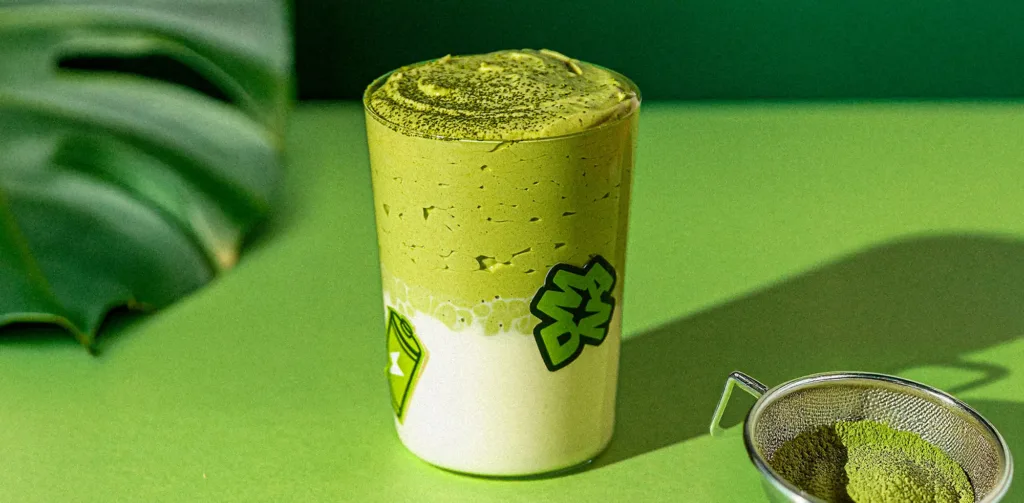
Matcha DNA’s flagship powder is described as culinary-grade matcha with a mellow fragrance and subtle sweetness. It is positioned as an accessible option for newcomers and can be used in tea, lattes, smoothies, baking, and other recipes. The record also notes that the powder is sold in airtight containers after quality checks.
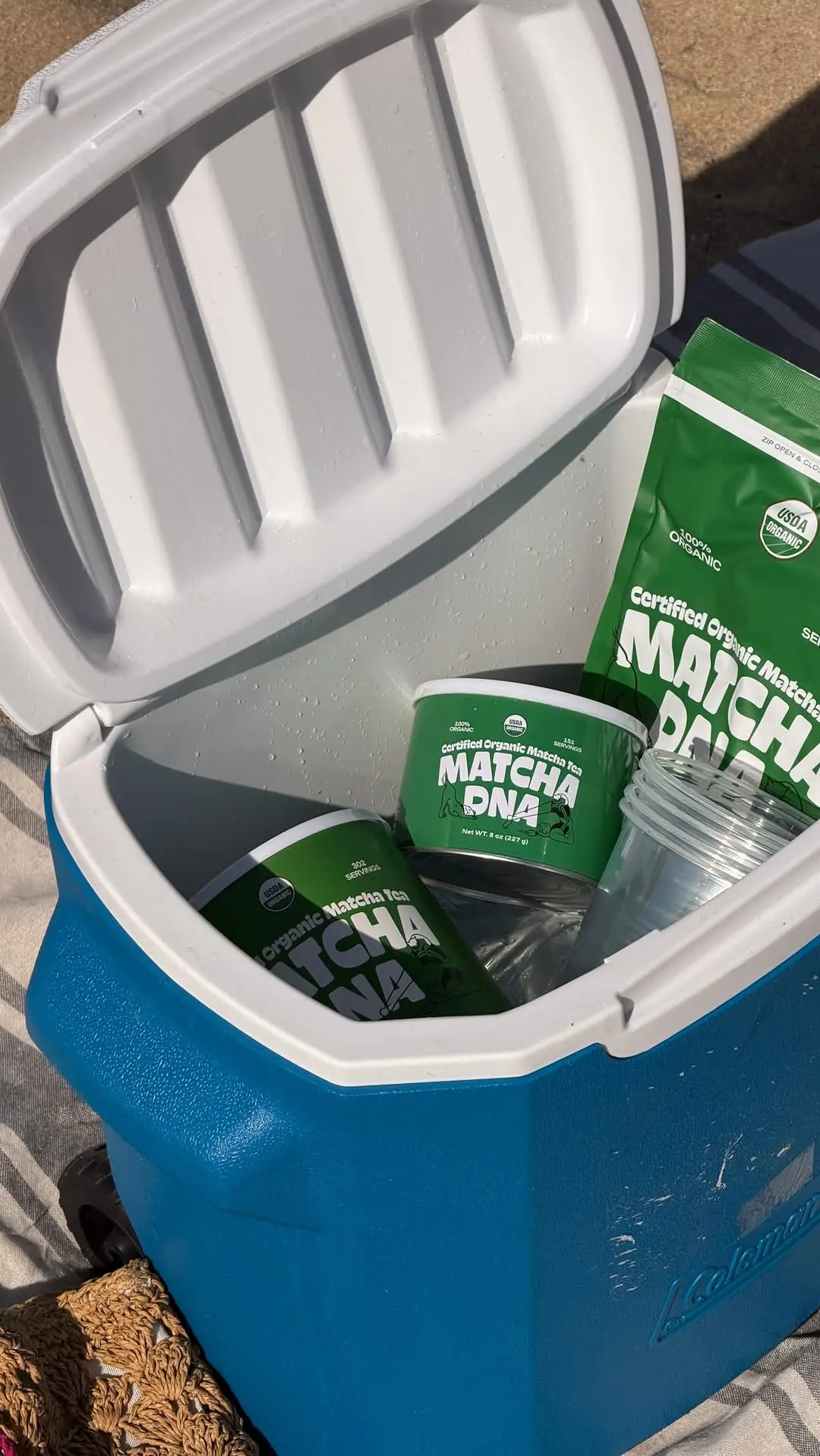
Yes. Matcha DNA holds USDA Organic certification for its matcha green tea powder sourced from China. The record says the brand achieved this certification in 2021 and uses organic fertilizers. It also describes the powder as vegan and gluten-free, with each batch receiving quality checks before it is sealed in airtight tins.
Matcha DNA is presented as a versatile powder for traditional tea, modern lattes, smoothies, baking, recipes, and creative applications such as DIY skincare. Its culinary-grade character, mellow fragrance, and subtle sweetness are intended to make it approachable for newcomers while still allowing experienced users to incorporate matcha into varied daily routines.
Matcha DNA says its shade-grown, handpicked leaves are stone-ground into a fine powder. Each batch is quality-checked before packaging and sealed in airtight tins. The brand says stone-grinding helps preserve nutrients and vibrant green color, although its record does not identify the specific Chinese growing region, farm, shading duration, or harvest timing.