Blue Bottle Coffee brings the same meticulous attention to detail that built their specialty coffee reputation to the world of matcha. Founded in early 2000s Oakland by clarinetist-turned-coffee-pioneer James Freeman, the brand’s commitment to freshness and quality extends beyond their signature 48-hour roasting standard into every product they offer.
Blue Bottle’s Craft Matcha sources exclusively from the first harvest in Uji, Japan—the historic heartland of premium Japanese tea cultivation. This ceremonial-grade matcha represents the youngest, most tender leaves from shade-grown tencha plants, carefully stone-milled to protect against heat degradation. The result delivers vibrant color, smooth texture, and balanced flavor that matcha enthusiasts recognize immediately.
The brand’s sourcing team works directly with producers in Uji to ensure authenticity and consistency. Each tin contains powder that showcases the region’s distinctive terroir—notes that range from naturally sweet to subtly umami, without bitterness or astringency.
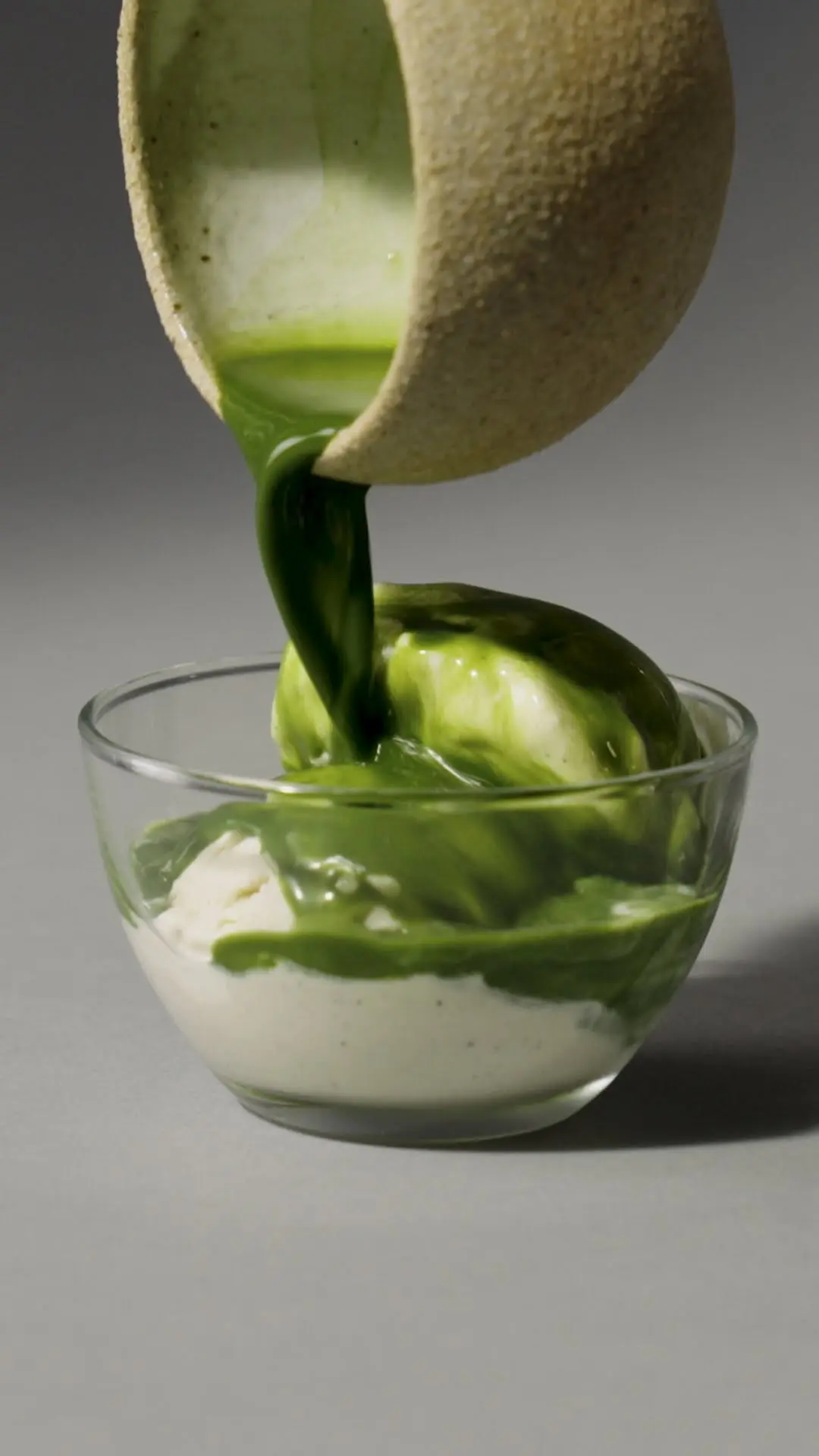
What sets Blue Bottle Coffee apart in the matcha marketplace is their uncompromising approach to preservation. The stone-milling process maintains the delicate compounds that give matcha its signature bright green hue and nutritional profile. Whether whisked into traditional tea, blended into lattes, or incorporated into culinary creations, this matcha performs consistently.
The brand offers flexible subscription options—up to six tins per delivery with customizable frequency and free shipping—ensuring matcha lovers never run low on their essential ingredient.
Blue Bottle’s transition into matcha reflects their broader understanding of craft beverages. The same principles that guide their coffee selection apply here:
Available both online and in their cafes across the United States and Japan, Blue Bottle Craft Matcha serves customers who value origin stories as much as taste profiles. For those exploring matcha options or seeking a reliable ceremonial-grade powder, Blue Bottle offers the credibility of an established specialty beverage company combined with authentic Japanese tea tradition.
Blue Bottle Coffee offers Craft Matcha, a ceremonial-grade matcha sourced directly from Uji, Kyoto – the birthplace of Japanese tea culture. This premium matcha is produced in partnership with Rishouen Teahouse, a traditional tea producer with five generations of expertise dating back to 1947.
The matcha undergoes meticulous traditional processing that preserves its authentic character. The tencha leaves are shade-grown using the Tana Oishitaen method, where plants are covered with vinyl tarps supported by aluminum poles approximately 2 meters high. This precise shading process, conducted 3-4 weeks before harvest, increases chlorophyll and L-theanine levels, resulting in the signature vibrant green color and sweet, umami-rich flavor profile.
After careful hand-selection of only the youngest, most tender leaves, the tencha is immediately steamed to halt oxidation, then dried into delicate flakes. The final transformation occurs through ancient stone-milling techniques that grind the leaves slowly and evenly, preventing heat buildup that could compromise the matcha’s delicate flavor and ensuring an incredibly fine, smooth texture.
Blue Bottle serves their Craft Matcha in various preparations at their 78+ cafe locations across the United States, including seasonal offerings like Lavender Yuzu Matcha Latte and traditional Matcha Latte preparations.
Blue Bottle Coffee began in the early 2000s when James Freeman, a clarinetist with an obsession for fresh coffee, started roasting beans in his Oakland, California apartment. Inspired by 17th-century Vienna’s small-batch roasting traditions and a coffee house named “The Blue Bottle,” Freeman committed to delivering truly fresh coffee within a revolutionary 48 hours of roasting.
Freeman’s initial operation was modest yet precise – roasting just six pounds of beans at a time and delivering them by bicycle throughout Oakland. This unwavering commitment to freshness and quality quickly cultivated a devoted following, transforming his personal obsession into a burgeoning business that would help define the third-wave coffee movement.
The company opened its first brick-and-mortar cafe in 2005, cementing its place in the specialty coffee landscape with a laser focus on single-origin beans and obsessive brewing methods. This dedication fueled rapid expansion throughout the Bay Area and eventually across the United States and Asia.
A pivotal moment came in 2017 when Nestlé, the Swiss food giant, acquired a 68% stake in Blue Bottle for a reported $425 million. While some coffee purists questioned the acquisition, the deal enabled Blue Bottle to scale operations and reach wider audiences while maintaining its core quality standards.
Blue Bottle’s venture into matcha represents a reverent collaboration with Rishouen, a traditional teahouse based in Uji, Kyoto – the birthplace of Japanese tea. Founded in 1947 by Giichirō Kagata, Rishouen has cultivated tea for five generations and is now led by Koji Kagata, a second-generation tea master whose knowledge traces back to his great-great-grandfather, a tea farmer in Uji.
The partnership ensures Blue Bottle’s Craft Matcha meets the standards for chanoyu (traditional Japanese tea ceremony), utilizing tencha leaves from Uji’s finest fields. Rishouen employs the Tana Oishitaen production method, using precise shading techniques with vinyl covers supported by aluminum poles to control sunlight exposure and maximize the leaves’ umami content.
James Freeman, a clarinetist with a passion for fresh coffee, begins roasting six pounds of beans at a time in his Oakland apartment, delivering them by bicycle within 48 hours of roasting to establish his revolutionary approach to coffee freshness.
Blue Bottle opens its first physical cafe location, cementing its position in the third-wave coffee movement with a focus on single-origin beans, obsessive brewing methods, and direct customer connections.
Swiss food giant Nestlé purchases a 68% stake in Blue Bottle Coffee for $425 million, enabling the company to scale operations globally while maintaining its commitment to specialty coffee quality standards.
Blue Bottle Coffee expands to over 78 cafes across the United States, primarily concentrated in California, while partnering with traditional Japanese teahouse Rishouen to offer ceremonial-grade matcha from Uji, Kyoto.
Find below some answers to the most common questions about Blue Bottle Coffee.
Blue Bottle Coffee’s Craft Matcha is sourced exclusively through their partnership with Rishouen teahouse in Uji, Kyoto, led by second-generation tea master Koji Kagata. The matcha uses the specialized Tana Oishitaen production method, where tea plants are shaded with a one-layer vinyl cover supported by aluminum poles at 2 meters height for precise light control.
This ceremonial grade matcha is stone-milled from first flush tencha leaves and meets the standards for traditional Japanese chanoyu (tea ceremony). The result is a distinctly verdant, smooth, and vibrant flavor profile with enhanced umami from the meticulous shading process.
Koji Kagata is the second-generation tea master who leads Rishouen teahouse, Blue Bottle Coffee’s exclusive matcha partner. His tea knowledge spans five generations, inherited from his great-great-grandfather who was a tea farmer in Uji.
Blue Bottle Coffee chose Rishouen because:
This partnership ensures Blue Bottle’s Craft Matcha meets their exacting quality standards while honoring traditional Japanese tea craftsmanship.
Since Nestlé acquired a 68% stake in Blue Bottle Coffee for $425 million in 2017, the company has maintained its partnership with Rishouen and commitment to traditional matcha production methods. The Craft Matcha continues to use the same ceremonial-grade tencha leaves, stone-milling process, and Tana Oishitaen shading technique.
While some specialty coffee purists expressed concerns about corporate ownership, Blue Bottle has preserved its core matcha sourcing practices and quality standards. The Nestlé acquisition primarily enabled broader distribution and scaling of operations rather than changing the fundamental production approach for their premium matcha offerings.
The Tana Oishitaen method is the specialized shading technique Rishouen uses exclusively for Blue Bottle Coffee’s Craft Matcha. This process involves draping tea plants with a one-layer vinyl cover on aluminum pole shelves positioned 2 meters above ground.
This precise elevation and covering system allows for:
The method represents a modern innovation on traditional kabuse (shading) techniques, ensuring Blue Bottle’s matcha achieves its signature verdant, smooth, and vibrant flavor profile.
You can experience Blue Bottle Coffee’s Craft Matcha both ways. In their 78+ cafes across the US (primarily in California), you can order prepared matcha drinks including their seasonal Lavender Yuzu Matcha Latte and traditional Matcha Latte made with their ceremonial-grade powder.
For home preparation, the Craft Matcha powder is available for purchase online and in select cafe locations. This allows you to experience the same Uji-sourced, stone-milled matcha that Rishouen produces specifically for Blue Bottle’s exacting standards, whether you prefer the convenience of a professionally prepared drink or the ritual of traditional matcha preparation at home.
There are no results matching your search
Click below to see the profile of a matcha brands similar to Blue Bottle Coffee.
No results available
Join our mailing list to receive updates and exclusive tips.
There are no results matching your search