
AKI Matcha: Organic Producer in Shizuoka Since 1935
Who is AKI Matcha?
AKI Matcha videos
AKI Matcha in details
About the AKI Matcha Matcha
Harvest location
AKI Matcha History
Frequently asked questions
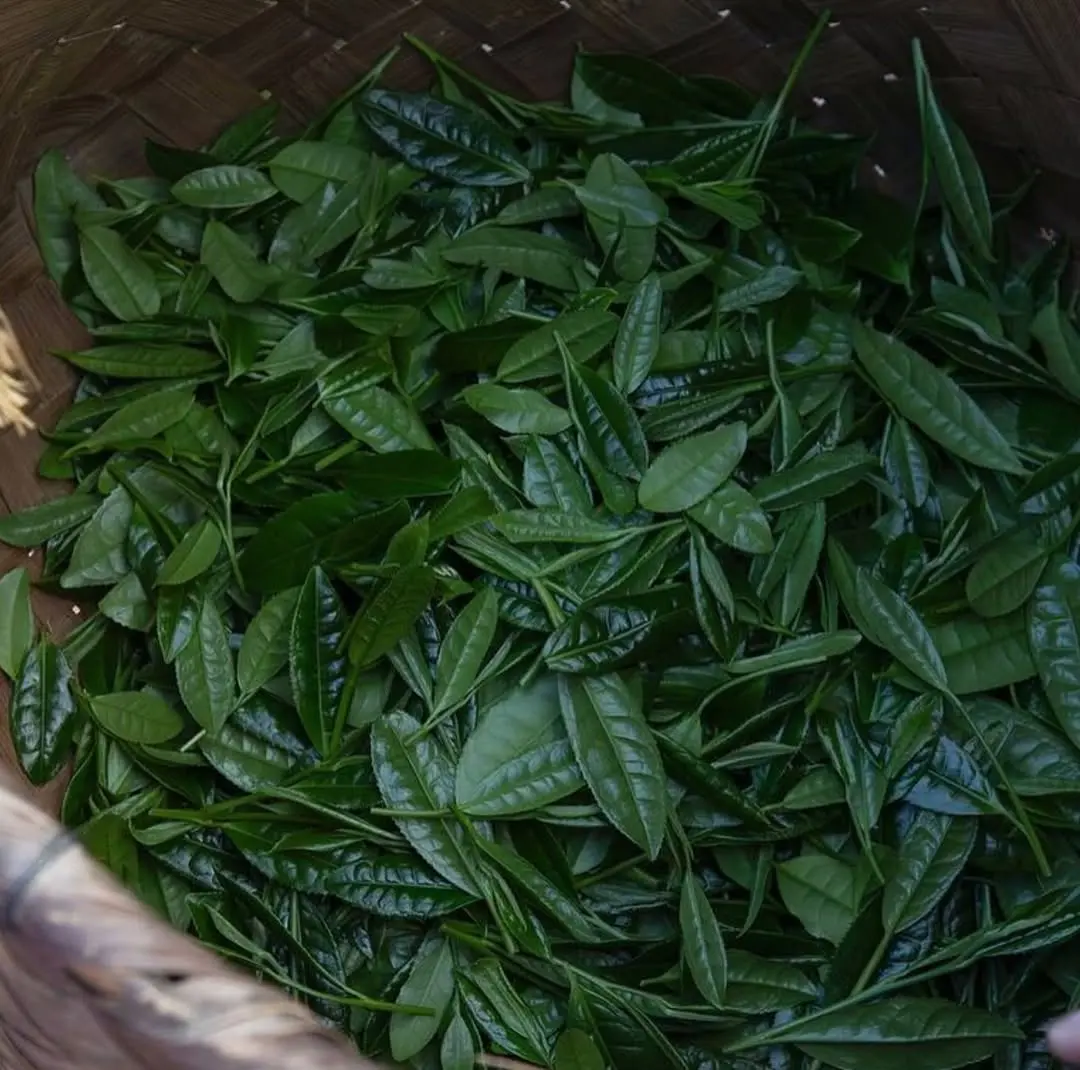
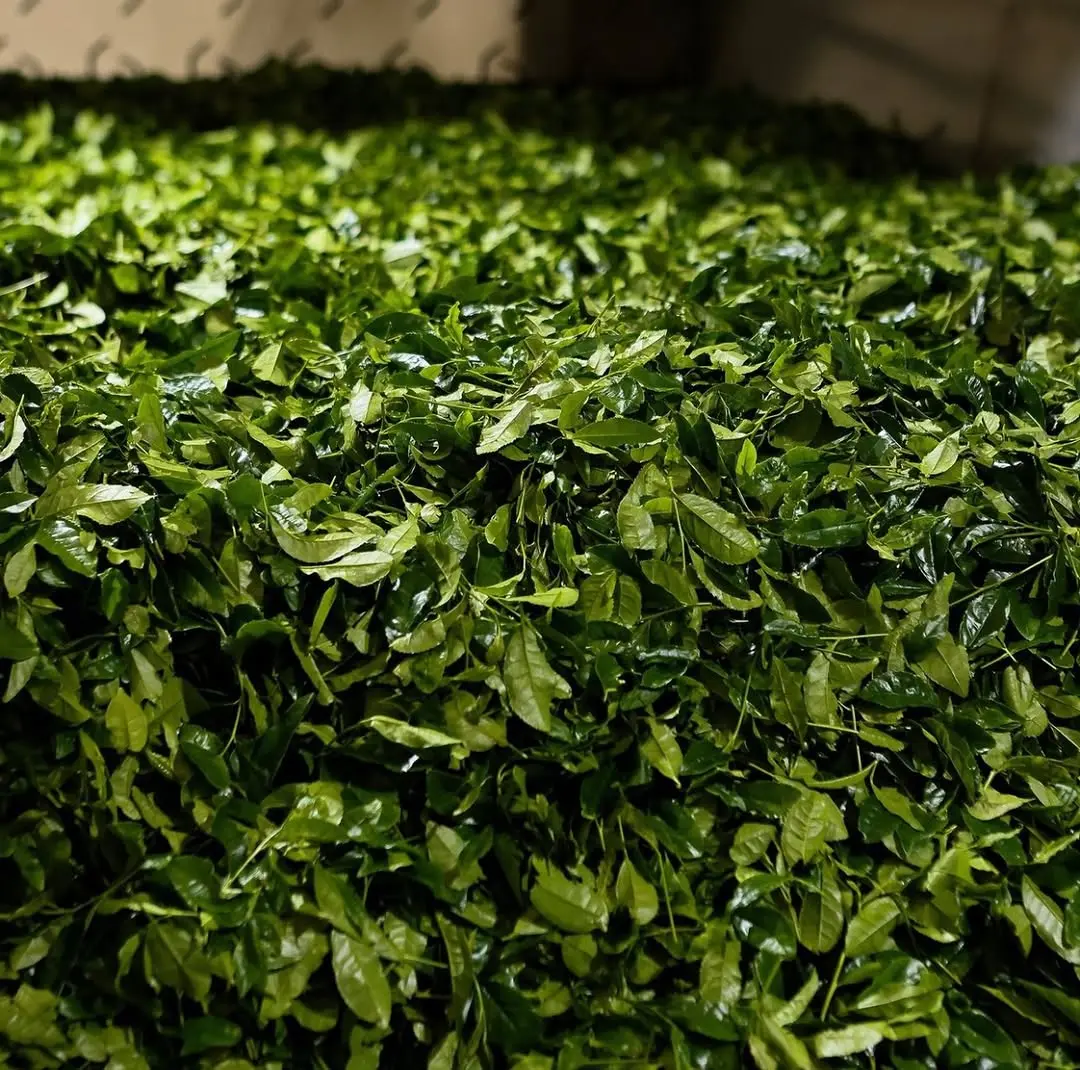
AKI88 Imperial Grade represents the pinnacle of AKI Matcha’s collection, produced in extremely limited quantities from tea leaves grown exclusively on their Tenryu Mountain farm. The leaves undergo an extended 30-35 day shading period with bamboo covers and are hand-picked by skilled farmers.
AKI01 Superior Ceremonial Grade features the Okumidori cultivar with a 9.5/10 roast level, delivering rich umami and smooth complexity perfect for special tea ceremonies. While both are ceremonial quality, AKI88 offers the ultimate exclusivity and extended cultivation process that maximizes chlorophyll and amino acid content.
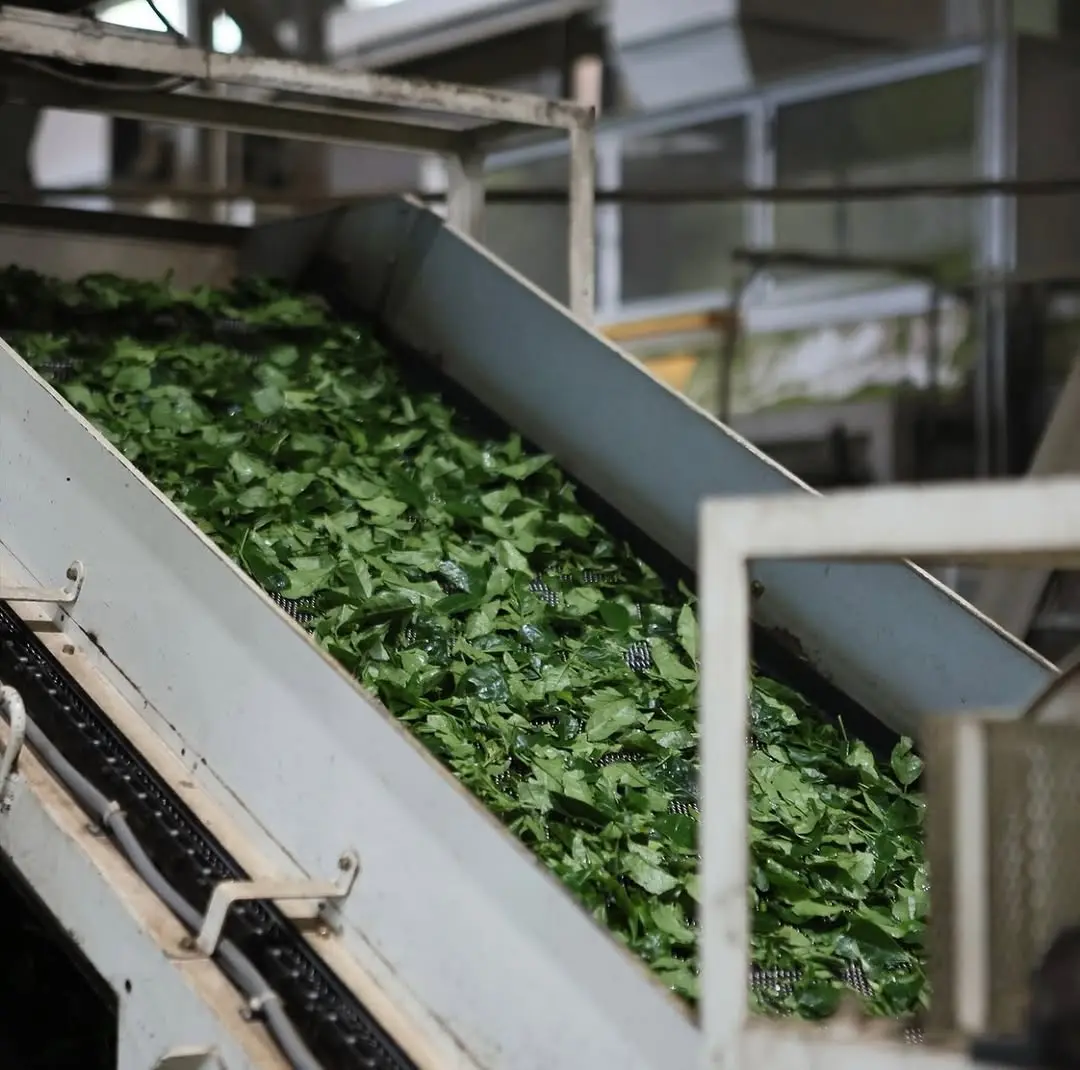
AKI Matcha uses traditional granite mills in a deliberately slow process that takes up to an hour to produce just 20 grams of their superior matcha. This meticulous grinding speed prevents overheating, which could damage the delicate aroma, creamy texture, and nutritional properties that make their matcha exceptional.
The Saemidori cultivar is featured in AKI Matcha’s Ceremonial Grade offerings. This cultivar is prized for its vibrant green hue and naturally sweet flavor profile with minimal bitterness, making it perfect for traditional tea ceremonies where you’ll prepare koicha (thick tea) and usucha (thin tea).
AKI Matcha chose the Tenryu Mountain region for its pristine growing environment that includes:
- Consistent mist coverage that naturally protects the tea plants
- Pure air quality free from pollution found in other matcha-producing areas
- High altitude conditions with ample rainfall
- Fertile soil ideal for tea cultivation
This specific terroir allows them to produce matcha with exceptional quality characteristics that reflect the unique environmental conditions of this mountain region.
You can reach AKI Matcha Co., Ltd. at sales@akimatcha.com from their headquarters in Hamamatsu, Shizuoka, Japan. They maintain rigorous organic certification standards with JAS (Japanese Agricultural Standards), USDA (NOP), EU organic, and Canada organic certifications, ensuring their matcha meets international quality benchmarks for organic cultivation and processing.