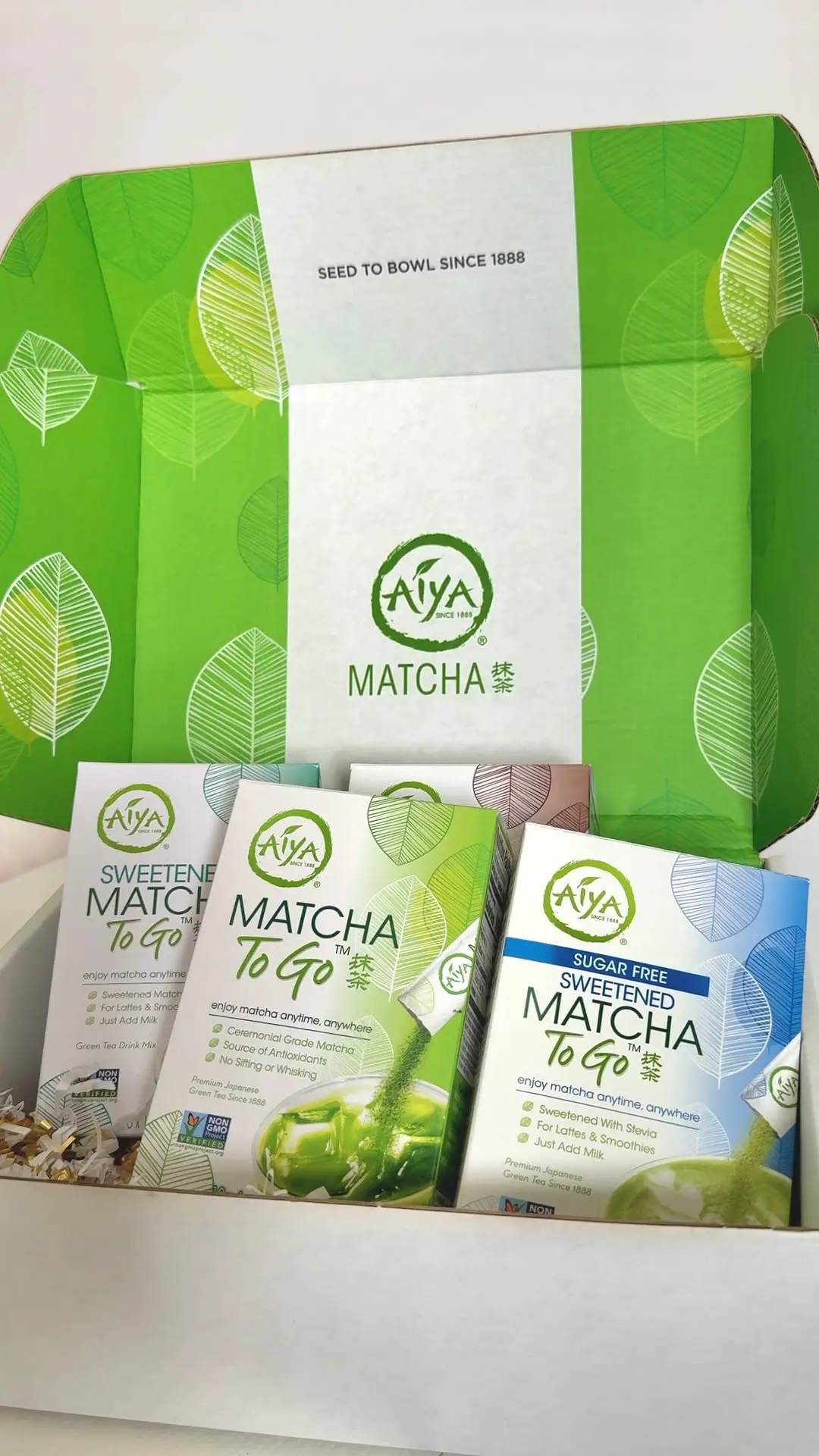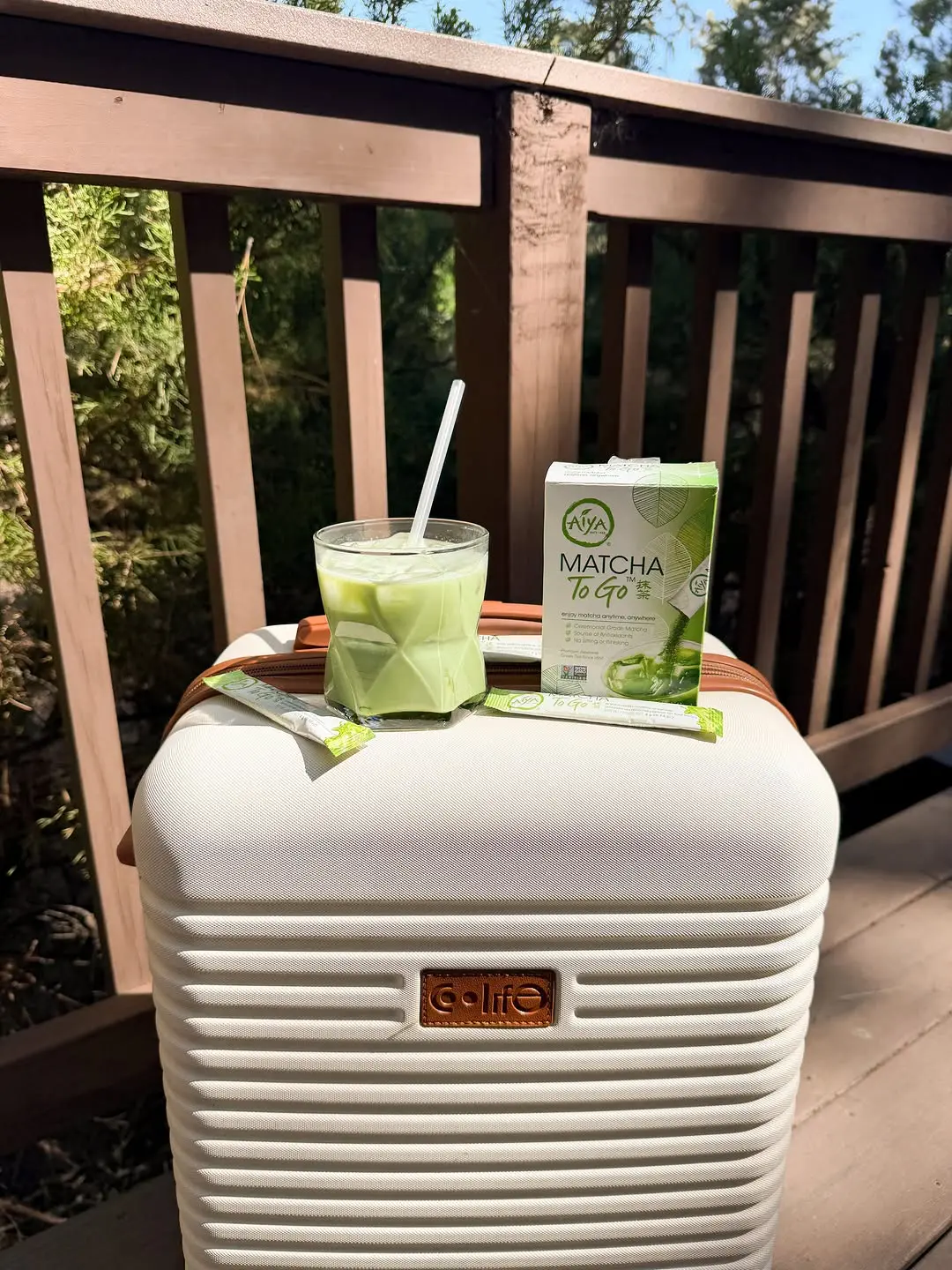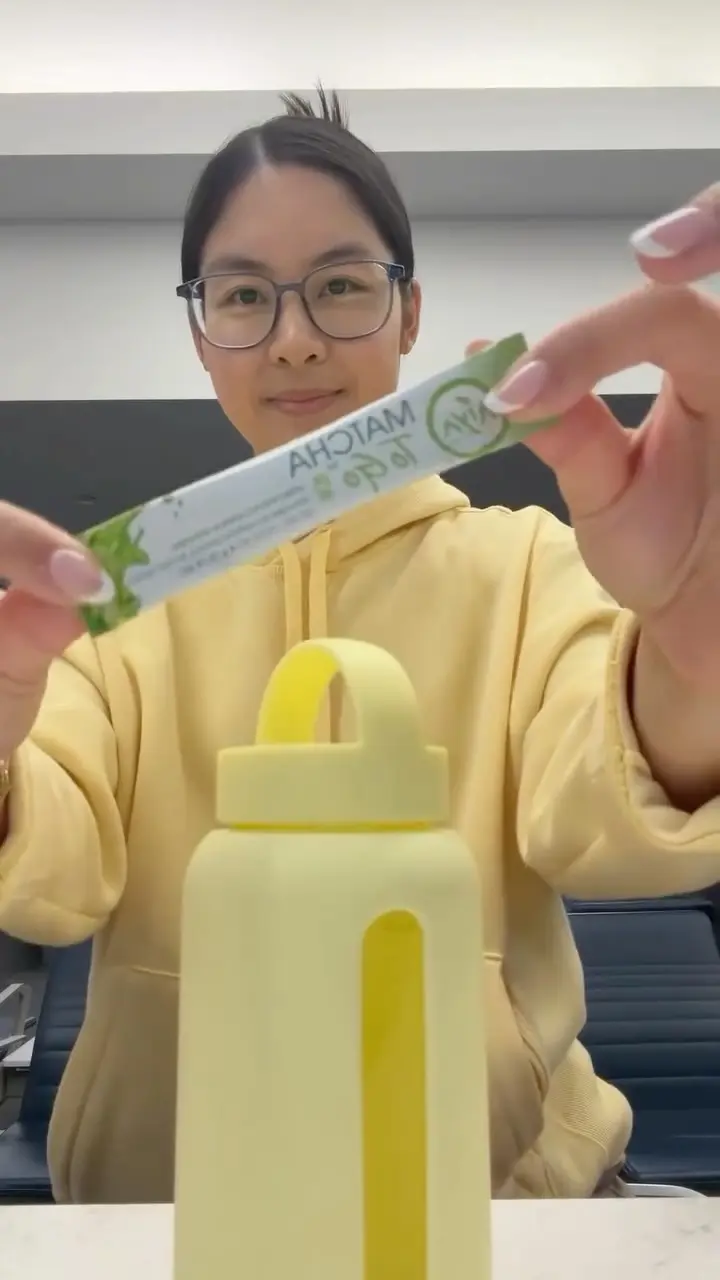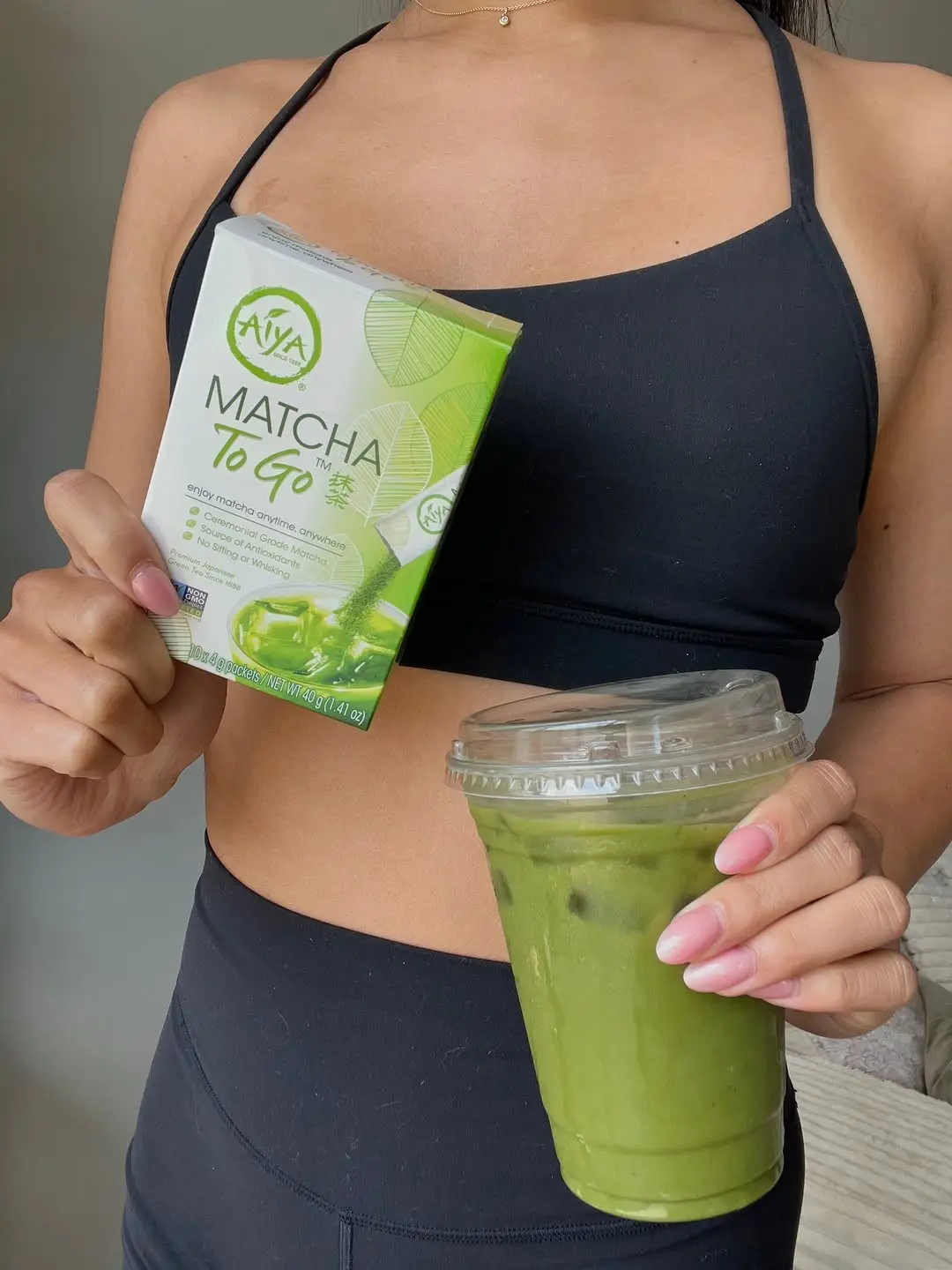
Who is Aiya America?

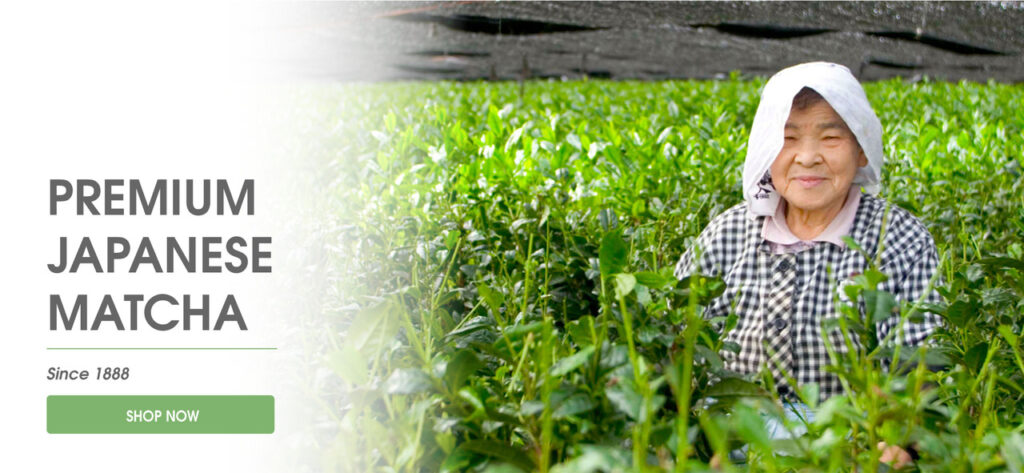
Aiya America is a Japan-sourced matcha brand rooted in Nishio, Aichi Prefecture. Its range separates ceremonial first-flush matcha from May leaves and culinary matcha from June’s second harvest, with grades blended for distinct uses and flavor profiles.

Brand descends from Sugita Shoten, founded in 1888, and remains led by fifth-generation Sugita family. Tea tasters sort leaves before blending, and fukushita saibai shading plus controlled granite-mill grinding protect color and flavor, while organic matcha from Kagoshima is grown without synthetic pesticides or fertilizers.

Videos

Aiya America videos

World's leading matcha producer since 1888

Browse the gallery to see 26 videos about matcha.

Aiya America in details

Aiya America brings over 130 years of matcha mastery to the global marketplace. Founded in 1888 by Aijiro Sugita in Nishio, Japan—the birthplace of premium Japanese matcha—this family-owned company has spent five generations perfecting the art and science of matcha production. Today, Aiya stands as the world’s largest matcha producer, serving everyone from home enthusiasts to major food manufacturers.

Rooted in Nishio’s Tea Heritage

Location matters when it comes to exceptional matcha. Nishio, in Japan’s Aichi Prefecture, offers the perfect combination of fertile soil, abundant water from the Yahagi River, and ideal climate conditions. What started as Aijiro Sugita’s small shop selling tea and dyes has evolved into a global operation with subsidiaries across four continents—yet the commitment to Nishio’s terroir remains unchanged.

Aiya works with a network of over 200 dedicated farmers who cultivate tencha using traditional shade-growing methods. These relationships, built over generations, ensure consistent quality and sustainable practices that honor both the land and the craft.

From Traditional Craft to Modern Innovation

While respecting centuries-old cultivation techniques, Aiya pioneered scientific quality control in the matcha industry. In 1985, the company established its Quality Control Department, shifting from subjective taste evaluation to objective analytical standards. This innovation enabled precise grading systems and made Aiya’s matcha ideal for both ceremonial use and food manufacturing applications.

The company’s achievements include:

  • Producing Japan’s first organic matcha after years of trial and error in the 1970s
  • Earning FSSC 22000, ISO 22000, and multiple organic certifications
  • Developing color-preserving matcha technology for food processors
  • Receiving Japan’s Ministry of Economy recognition as a “Regional Future Driving Company”

Serving Every Matcha Need

Aiya’s product range reflects deep understanding of different customer requirements. Ceremonial grade matcha delivers the vibrant color and smooth taste tea practitioners expect. Culinary grades provide consistent performance for cafes and bakeries. Bulk offerings supply food manufacturers with reliable, scalable solutions—all backed by rigorous testing and cold storage facilities in Torrance, California.

Whether you’re comparing matcha options for your morning latte or sourcing ingredients for a product line, Aiya’s combination of traditional expertise and modern quality assurance delivers the authenticity and reliability that matcha deserves.

About the Aiya America Matcha

Aiya America offers a diverse range of matcha grades, each designed for specific applications and flavor profiles, produced on over 1,300 granite mills running continuously for finely calibrated particle sizes.

The grades

  • Ceremonial grade: vibrant verdant hue, luxuriously smooth texture, and naturally sweet flavor from first-flush May leaves, savored unadulterated in formal ceremony.
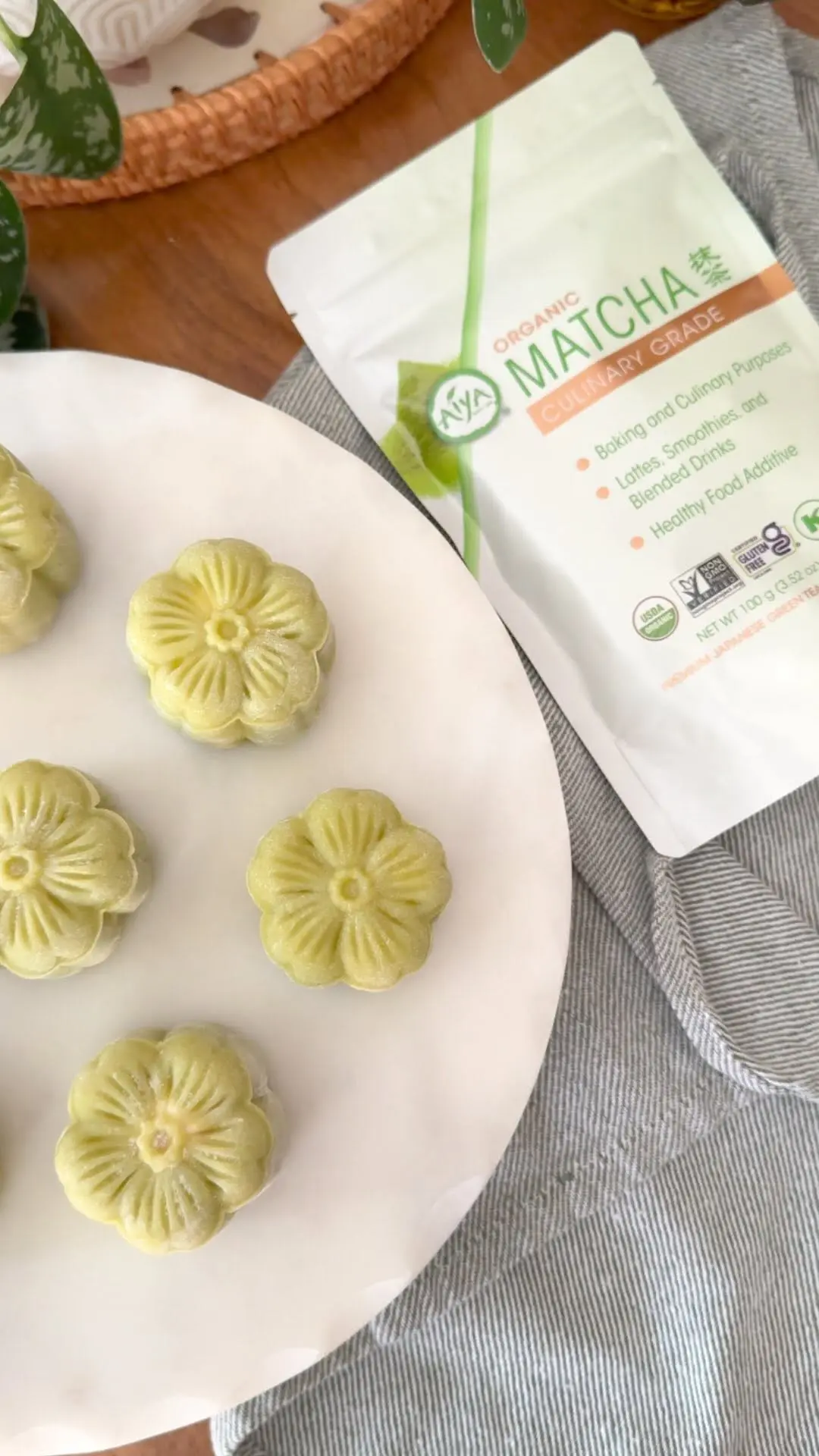
  • Culinary grade: subtly more astringent and assertive, from the second harvest in June, ideal for lattes, smoothies, and baked goods.
  • Daily grade: harmonious and well-balanced for everyday lattes, smoothies, and baking.
  • Organic: grown without synthetic pesticides or fertilizers, sourced mainly from Kagoshima.

Quality control

Skilled tea tasters classify leaves by color, texture, and taste, then blend batches to build each grade. Controlled grinding speed and pressure prevent overheating that would dull flavor and color.

Harvest location

Aiya America sources its matcha primarily from Nishio in Aichi Prefecture, Japan, holding over 80% of the harvesting rights to the region's plantations and working with more than 200 local farmers.

Regions and terroir

Nishio offers a stable temperate climate, pristine river water and fertile soil, well removed from urban development. Organic matcha comes from two further areas: Toyota in Aichi, in the mountains at 600 metres where a cooler climate protects the fields, and Kagoshima on Japan's southern edge, with mineral-rich volcanic soil and remote fields.

Shading, harvest and processing

The fukushita saibai method shrouds plants under dark nets for two to four weeks before harvest, cutting sunlight by around 90% to raise chlorophyll and L-theanine for colour, sweetness and reduced bitterness. Tender leaves are picked in April, with the first flush in May for ceremonial grade and a second in June for culinary grade, then steamed, oven-dried and stripped of stems and veins.

Aiya America History

Aiya America descends from Sugita Shoten, founded in 1888 by Aijiro Sugita I in Nishio, Aichi Prefecture, who was both a tea merchant and a master of indigo dyeing; the name Aiya derives from the indigo agent Aidama.

Milestones

  • By 1912, exclusive harvesting rights to 35 hectares were secured under Sugita II and III.
  • Organic matcha cultivation began in 1978.
  • Expansion into North America came in 1983, and the fifth generation of the Sugita family leads today.
January 1, 1888

Aijiro Sugita I established Sugita Shoten in Nishio, Aichi Prefecture, Japan, combining expertise in both tea production and indigo dyeing. The company name 'Aiya' derives from 'Aidama,' the indigo dyeing agent he used, reflecting his dual mastery of these traditional Japanese crafts.

January 1, 1912

Under the leadership of Aijiro Sugita II and III, Aiya strategically acquired exclusive harvesting rights to 35 hectares of prime tea plantations, establishing the foundation for their vertically integrated supply chain and quality control that continues today.

January 1, 1978

Aiya began cultivating organic matcha, becoming one of the first companies to recognize and respond to the growing demand for sustainably produced tea products. This prescient move positioned them as leaders in the organic matcha market decades before it became mainstream.

January 1, 1983

Aiya made its strategic entry into the North American market, marking the beginning of their transformation from a regional Japanese tea producer to a global matcha industry leader. This expansion established the foundation for what would become Aiya America.

January 1, 2001

Aiya Europe GmbH was established as the first company to introduce matcha to European markets. This pioneering effort quickly established Aiya as the European market leader, demonstrating their ability to educate new markets about traditional Japanese matcha culture and quality standards.

Frequently asked questions

Here are some frequently asked questions and answers.

What is the difference between Aiya ceremonial and culinary matcha?

Aiya’s ceremonial matcha comes from first-flush May leaves and has a vibrant green hue, smooth texture, and naturally sweet flavor for drinking unadulterated in formal ceremony. Its culinary matcha comes from the second June harvest, with a more assertive and subtly astringent profile suited to lattes, smoothies, and baked goods.

Where does Aiya America source its matcha?

Aiya America primarily sources matcha from Nishio in Japan’s Aichi Prefecture and works with more than 200 local farmers. The record also identifies Toyota in Aichi and Kagoshima as sources for organic matcha. Kagoshima’s remote fields have mineral-rich volcanic soil, while Toyota’s mountain climate helps protect its tea fields.

How are Aiya matcha plants shaded before harvest?

Aiya uses the fukushita saibai method, covering tea plants with dark nets for two to four weeks before harvest. The nets reduce sunlight by around 90 percent, which raises chlorophyll and L-theanine. This cultivation step supports the matcha’s green color and sweetness while helping reduce bitterness in the finished tea.

How does Aiya control matcha quality during blending and grinding?

Aiya’s skilled tea tasters classify leaves according to color, texture, and taste before blending batches for each grade. During milling, the company controls grinding speed and pressure so the powder does not overheat. This process is intended to prevent heat from dulling the matcha’s flavor and color.

What is the origin of the Aiya brand?

Aiya America descends from Sugita Shoten, established in 1888 by Aijiro Sugita I in Nishio, Aichi Prefecture. He worked as both a tea merchant and a master of indigo dyeing. The Aiya name comes from Aidama, the indigo agent connected with that part of the founder’s work.