
Marukyu Koyamaen is a Uji matcha producer rooted in Ogura, Uji, Kyoto, where its tea history begins in 1704. Its range spans ceremonial koicha, usucha, and food-grade matcha, including Tenju and Wako, made for distinct preparations and flavor profiles.
Family tea cultivation and processing began with Kyujiro Koyama, then continued across generations. Matcha uses Samidori, Asahi, and Gokou cultivars, with shade methods including Honzu, Kanreisha, and Jikakabuse; delicate ichibancha leaves receive hand-picking.
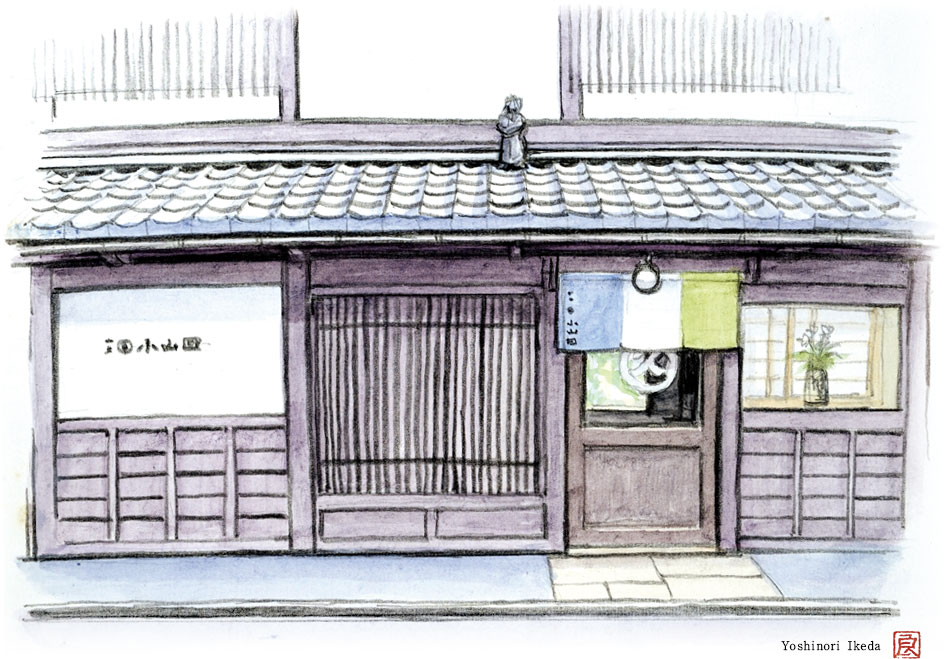


Marukyu Koyamaen traces its roots to 1704, when founder Kyujiro Koyama began cultivating tea in Ogura, Uji—the birthplace of Japanese matcha culture. For over 320 years, this family-owned company has refined the art of premium matcha production, earning recognition as one of Japan’s three most prestigious tea houses.
The Uji Advantage
Location defines quality in the world of matcha. Uji’s mineral-rich soil, temperate climate, and pure mountain water create ideal conditions for tea cultivation. Marukyu Koyamaen harnesses these natural advantages through traditional honzu shading techniques, where rice straw covers tea fields for 20-30 days before harvest. This meticulous process intensifies chlorophyll and L-theanine levels, producing matcha with vibrant emerald color and distinctive umami depth.
The company hand-selects only the youngest, most tender leaves from shaded plants. These leaves undergo steaming, careful drying, and stone-milling—a painstaking method that produces just 40 grams per hour to preserve aroma and prevent heat damage.
Recognition Beyond Borders
Quality speaks through accolades. Since 1962, Marukyu Koyamaen has claimed first place at Japan’s National Tea Competition 30 times. The brand supplies matcha to Urasenke, Omotesenke, and Mushanokoji-senke—the three major tea ceremony schools that set Japan’s standards for excellence. First-class hotels, prestigious shrines, and temples trust this producer for their ceremonial needs.
In 2022, their Kiwami Choan matcha received the Gold Award at THE LEAFIES, organized by the UK Tea Academy, confirming international appreciation for their craftsmanship.
From Ceremony to Kitchen
Marukyu Koyamaen offers three distinct matcha categories. Traditional Tea Ceremony Matcha represents their pinnacle achievement—handcrafted powders like Tenju that deliver ethereal sweetness and lingering finish. Standard Tea Ceremony grades include both koicha (thick tea) and usucha (thin tea) options, each balanced for specific preparation methods. Food-grade varieties bring matcha’s essence to culinary applications, with formulations designed to complement dairy, sugar, and heat.
This range reflects understanding rather than compromise. Different uses demand different characteristics, and the company’s 11 ceremonial grades plus 8 culinary varieties ensure appropriate options for every application.
Quality Without Shortcuts
The company motto—”Making Teas with Quality as the Highest Priority”—guides every decision. Marukyu Koyamaen maintains ISO 22000 certification and holds organic, kosher, and halal certifications. Their quality control system monitors taste profiles, safety standards, and physical attributes including moisture content, color vibrancy, and particle size.
Infrared optical moisture meters verify freshness. Colorimeters ensure natural green brilliance. State-of-the-art equipment controls particle fineness for smooth, easily blended powder. Technical precision supports traditional wisdom, creating matcha that honors centuries of tea culture while meeting modern safety standards.
Marukyu Koyamaen offers a broad range of matcha grades, from ceremonial koicha (thick tea) to versatile food-grade varieties, each crafted for a specific purpose and flavor.
Ceremonial koicha
- Tenju — a top handcrafted grade with delicate natural sweetness and a deep, rich, rounded flavor for formal ceremonies.
- Kiwami Choan — refreshing green character followed by lasting sweetness and a smooth, rich flavor.
Usucha and food grade
- Wako — the highest thin-tea grade, vibrant green with rich fragrance, minimal bitterness, and lingering sweetness.
- Yugen — fresh, nutty flavor with lingering sweetness and a subtle bitter finish.
- Aoarashi — calm yet robust and well-rounded, with slight bitterness and astringency, suited to daily use and baking.
Marukyu Koyamaen sources its premium matcha from the renowned Uji region in Kyoto, regarded as the premier producing area for the highest quality tea in Japan.
Shading Methods
The producer uses several shading techniques central to matcha's flavor and color. The traditional Honzu method offers advantages in flavor and sustainability, the Kanreisha method uses synthetic cloth for cost-effective coverage, and the Jikakabuse approach applies shade directly to plants with adjustments for even coverage on suitable varieties.
Cultivars and Harvest
Marukyu Koyamaen grows cultivars bred for matcha, including Samidori, Asahi, and Gokou, each contributing distinctive profiles across its grades. Harvesting combines hand-picking for the delicate ichibancha first-harvest leaves with mechanical harvesting for larger-scale production.
Marukyu Koyamaen traces its origins to 1704, when Kyujiro Koyama began cultivating and processing tea in Ogura, Uji, Kyoto, during the Genroku era.
Generations of tea masters
The family balanced tradition with modernization through the Meiji Restoration and endured 20th-century hardships including World War II. By the eighth generation, Motojiro Koyama expanded the company nationwide, building an international reputation.
Kyujiro Koyama began cultivating and processing tea in Ogura Uji, Kyoto during the Genroku era, establishing the foundation of what would become Marukyu Koyamaen in Japan's premier tea-producing region.
During Japan's modernization period (1868-1912), Marukyu Koyamaen successfully balanced technological advancement with traditional tea-making artistry, with successive generations making consistent improvements in cultivation and processing techniques.
Under Motojiro Koyama, the eighth generation leader, the company expanded its reach nationwide through innovative marketing and distribution methods, establishing Marukyu Koyamaen's reputation beyond the Kyoto region.
Marukyu Koyamaen's Kiwami Choan matcha won the Gold Award in the matcha category at THE LEAFIES 2022, organized by the UK-based UK TEA ACADEMY, bringing international acclaim to their traditional craftsmanship.
The company faced lower yields in the 2025 harvest and increased efforts to combat unauthorized resellers, demonstrating their commitment to maintaining quality standards and protecting consumers from counterfeit products in the modern marketplace.
Marukyu Koyamaen traces its origins to 1704, when Kyujiro Koyama began cultivating and processing tea in Ogura, Uji, Kyoto. Tea production continued through successive family generations. By the eighth generation, Motojiro Koyama had expanded the company nationally and helped establish its reputation beyond the Kyoto region.
Marukyu Koyamaen offers matcha for ceremonial koicha, ceremonial usucha, daily drinking, and culinary applications. Its range includes Tenju and Kiwami Choan for thick tea, Wako and Yugen among its thin-tea choices, and Aoarashi for daily use or baking. Each variety has a profile designed for its intended preparation.
Tenju is a top handcrafted grade intended for ceremonial koicha, with delicate natural sweetness and a deep, rounded flavor. Wako is the producer’s highest thin-tea grade. It has a vibrant green appearance, rich fragrance, minimal bitterness, and lingering sweetness, making the two products suitable for different traditional preparations.
Marukyu Koyamaen grows matcha cultivars including Samidori, Asahi, and Gokou. Its shading methods include traditional Honzu coverage, Kanreisha synthetic cloth, and Jikakabuse shade applied directly to the plants. These different techniques support matcha production across the company’s range, while each cultivar contributes its own profile to particular grades.
Marukyu Koyamaen combines hand-picking for delicate ichibancha leaves with mechanical harvesting for larger-scale production. Selected leaves are steamed, carefully dried, and stone-milled. The slow milling process is intended to preserve aroma and avoid heat damage, while quality controls monitor properties such as moisture, color, taste, safety, and particle size.