
Particle distribution is the range of powder sizes in matcha, affecting texture and how it dissolves. Learn why finer is smoother.
Definition of particle-distribution in the matcha glossary
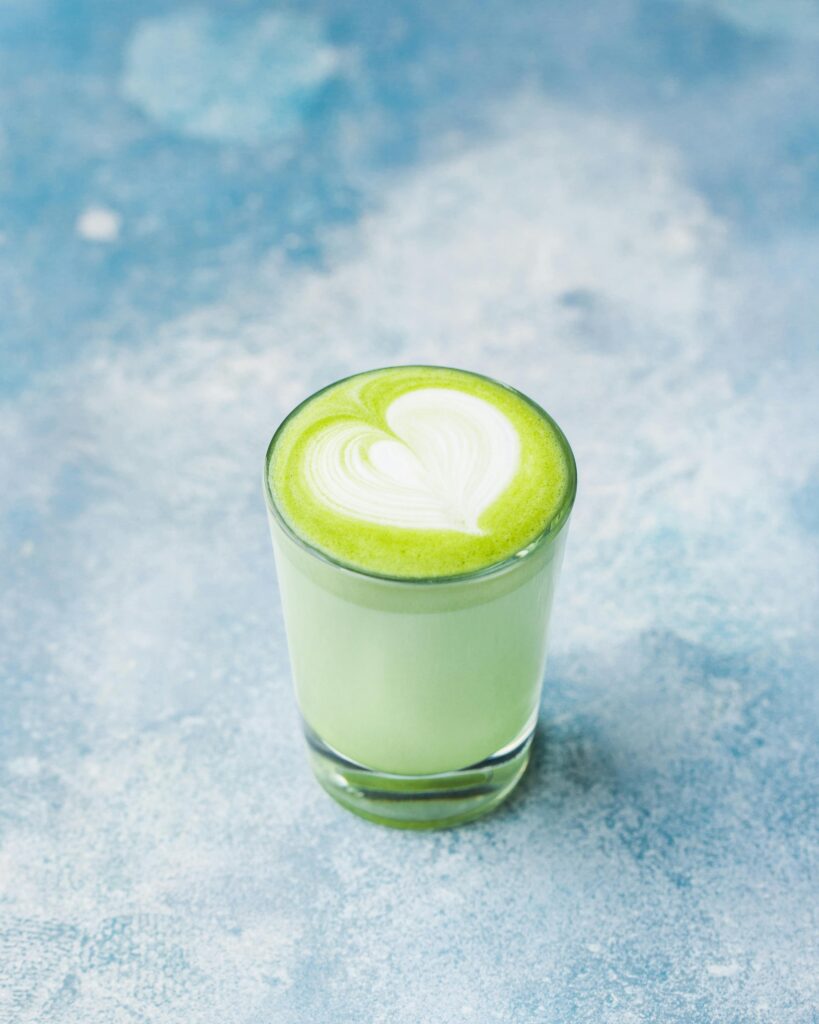


Defining Particle Distribution in Matcha
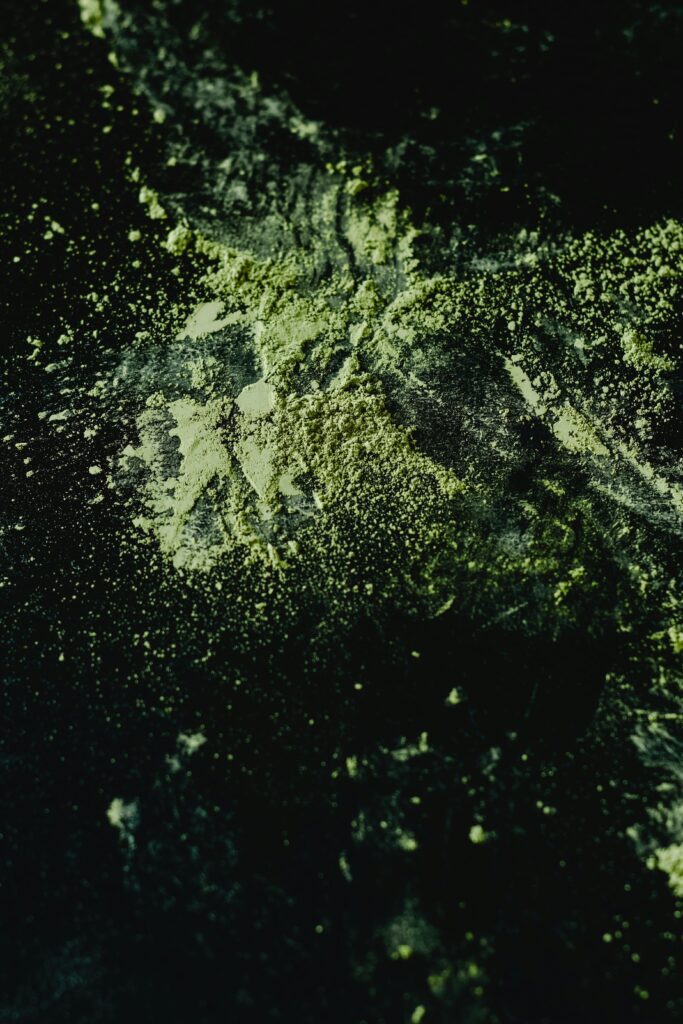
Particle distribution refers to the range and variation of particle sizes within matcha powder. High-quality matcha typically contains particles measuring 5-10 microns in diameter—finer than the width of a human hair. This microscopic fineness determines how the powder behaves in water and impacts every aspect of the drinking experience.
The distribution pattern matters as much as average particle size. Uniform distribution creates consistent suspension and flavor extraction, while irregular distribution produces uneven texture and taste. Premium ceremonial grade matcha exhibits tight particle distribution within the 5-10 micron range, whereas culinary grades show broader distribution spanning 10-20 microns or larger.
Measuring Particle Distribution
Modern laboratories use laser diffraction particle size analysis to generate precise distribution curves. This technology measures how particles scatter light, producing detailed graphs showing the percentage of particles at each size increment. The D60 measurement—indicating the size below which 60% of particles fall—serves as a key quality benchmark.
Alternative assessment methods include scanning electron microscopy combined with hyperspectral imaging. These techniques provide visual confirmation of particle shape and size uniformity. Some producers now employ portable near-infrared spectroscopy for rapid quality checks during production.
How Particle Size Affects Matcha Performance
Smaller particles create exponentially larger surface area relative to volume. This geometric relationship explains why finely ground matcha extracts flavor compounds more efficiently than coarser powder. A particle half the diameter has four times the surface area per unit mass.
Suspension stability depends primarily on particle fineness. Particles below 10 microns remain suspended longer in water due to Brownian motion—the random molecular bombardment that counteracts gravitational settling. Larger particles sink rapidly, creating sediment at the bowl bottom and requiring constant whisking to maintain consistency.
Texture and Mouthfeel Implications
Particle distribution directly determines matcha’s tactile qualities:
- Smooth texture results from particles under 10 microns that feel imperceptible on the tongue
- Silky mouthfeel emerges from uniform distribution without outlier large particles
- Gritty sensation indicates particles exceeding 15 microns or irregular distribution patterns
- Astringent perception intensifies with smaller particles due to increased catechin extraction
Flavor Extraction Dynamics
Finer particles release compounds faster and more completely. The increased surface area allows water to access cell contents more efficiently, extracting amino acids like L-theanine that provide umami depth. However, excessive fineness can over-extract bitter catechins, creating harsh flavors that dominate the taste profile.
Particle shape influences extraction patterns alongside size. Round particles produced by certain grinding methods offer less surface area than irregular angular particles of identical diameter. This explains why two matcha powders with similar average particle size may taste noticeably different.
Production Methods and Particle Distribution
Traditional stone milling remains the gold standard for premium matcha production. Granite millstones rotating at 30-40 RPM generate minimal heat while producing particles in the coveted 5-10 micron range. The slow process—yielding just 40 grams per hour per mill—creates exceptionally uniform distribution through gentle, consistent grinding action.
Industrial methods prioritize efficiency over precision. Ball milling and stirred media milling can achieve superfine particles below 5 microns but often produce less uniform distribution. These techniques work well for culinary grade matcha where absolute consistency matters less than production volume.
Machine Grinding Trade-offs
High-speed blade mills generate significant heat and produce broader particle distribution. The rapid action creates friction that degrades chlorophyll and aromatic compounds while generating particles ranging from 10-30 microns. This method suits budget-conscious producers prioritizing cost over quality.
Jet milling uses compressed air to pulverize leaves without direct mechanical contact. The process creates very fine particles but struggles with distribution uniformity. Some particles emerge at 2-3 microns while others reach 15 microns, resulting in inconsistent behavior during preparation.
Particle Distribution Across Quality Grades
| Grade | Average Particle Size | Distribution Range | Grinding Method |
|---|---|---|---|
| Ceremonial Premium | 5-8 microns | Narrow (±2 microns) | Stone milling |
| Ceremonial Standard | 8-10 microns | Moderate (±3 microns) | Stone milling |
| Premium Culinary | 10-15 microns | Wide (±5 microns) | Industrial milling |
| Culinary Grade | 15-20 microns | Very wide (±8 microns) | Machine grinding |
The Chinese national standard for premium matcha specifies D60 values at or below 18 microns. Japanese producers typically target tighter specifications, with top ceremonial grades maintaining D90 values—meaning 90% of particles—below 12 microns.
Practical Implications for Consumers
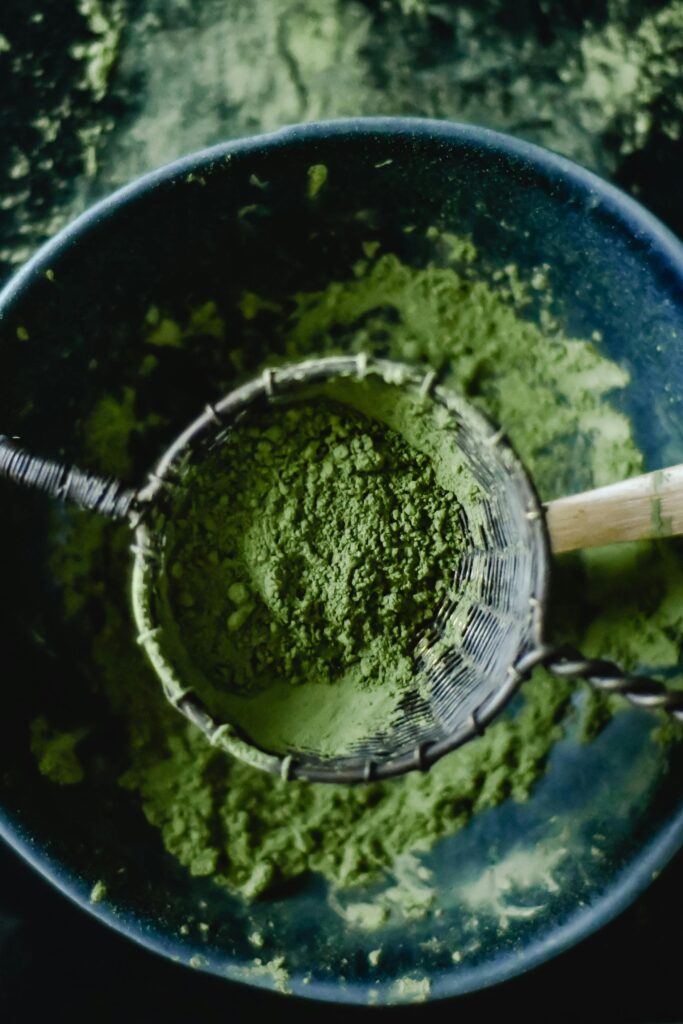
Visual inspection provides preliminary particle distribution assessment. Rub matcha between fingers—premium powder feels like silk without detectable grains, while coarser grades feel slightly textured or sandy. Clumping often indicates poor distribution with many fine particles prone to static attraction.
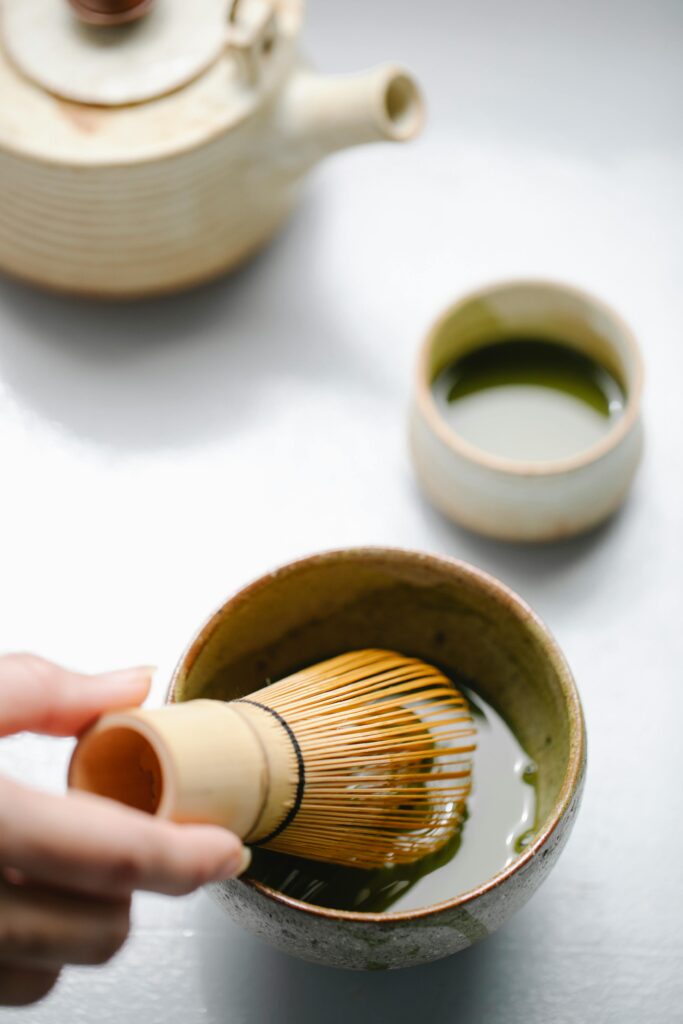
Suspension behavior during whisking reveals distribution quality. Uniform particles create stable foam that persists several minutes without separation. Poor distribution produces foam that collapses quickly while sediment accumulates at the bottom.
Adjusting Preparation for Particle Distribution
Coarser particle distribution requires modified preparation techniques:
- Increase water temperature to 80-85°C for better extraction of larger particles
- Extend whisking duration to 30-45 seconds ensuring complete suspension
- Use slightly more powder to compensate for reduced surface area
- Consume promptly before gravitational settling becomes noticeable
Finer distributions permit gentler preparation. Lower temperatures around 70-75°C prevent over-extraction while shorter whisking times suffice for complete suspension. The powder remains stable longer, allowing leisurely enjoyment without texture degradation.
Key Takeaways on Particle Distribution
Particle distribution fundamentally determines matcha quality and performance. The 5-10 micron sweet spot balances efficient extraction against over-extraction risks, creating smooth texture and complex flavor. Uniform distribution matters as much as average size—consistency ensures predictable behavior during preparation and consumption.
Production methods directly influence distribution characteristics. Stone milling produces superior uniformity suited to ceremonial applications, while industrial methods serve culinary purposes adequately. Understanding your matcha’s particle distribution helps optimize preparation technique and set appropriate quality expectations.
When selecting matcha, consider particle distribution alongside origin, cultivation method, and price. Finer, more uniform distribution justifies premium pricing through superior sensory experience and more efficient compound extraction.
Frequently asked questions
We’re here to help with all your questions and answers in one place. Can’t find what you’re looking for? Reach out to our support team directly.
What does particle distribution mean in matcha powder?
Particle distribution refers to the size range and uniformity of individual powder particles in matcha. It measures how fine and consistent the powder is, typically expressed in microns. Premium ceremonial matcha has particles around 5-7 microns, while culinary grade ranges from 10-14 microns. This characteristic directly impacts texture, taste, and how effectively the powder suspends in water during preparation.
How does particle size affect matcha taste and texture?
Finer particles create several quality advantages:
- Silky smooth mouthfeel with no grittiness when whisked
- Balanced umami flavor with reduced bitterness due to even extraction
- Better suspension in water, preventing settling and clumping
- Dense, stable foam when whisked with a bamboo chasen
Coarser particles above 12 microns produce gritty texture, uneven bitter flavor, and poor water suspension that leaves sediment in your bowl.
Why are stone-ground mills preferred for premium matcha?
Traditional granite stone mills rotate slowly at approximately 30 rpm, producing exceptionally fine and uniform particles with minimal heat generation. This gentle process preserves heat-sensitive compounds like chlorophyll and amino acids while achieving the ideal 5-7 micron particle size. Machine grinding methods like jet mills or ball mills work faster but generate heat causing oxidation and less consistent particle distribution. Stone milling takes longer—producing only 30-40 grams per hour—but delivers the smooth texture and vibrant color expected in ceremonial grade matcha.
Can particle distribution be tested without laboratory equipment?
- Finger rub test: Rub powder between fingers—premium matcha feels like silk, while coarse powder feels gritty
- Suspension test: Mix with water and observe—finer particles stay suspended longer without settling
- Foam quality test: Whisk vigorously—uniform fine particles create dense, stable foam that holds its structure
- Visual inspection: Examine under bright light—consistent particle size appears uniform without visible chunks
Does overly fine grinding improve matcha quality?
No, particles ground below 4 microns actually reduce quality rather than improve it. Over-grinding generates excessive friction heat that damages chlorophyll, causing dull color and flat flavor. These ultra-fine particles also absorb moisture easily, leading to clumping during storage. The optimal range of 5-7 microns for ceremonial grade represents a careful balance between achieving smooth texture and preserving delicate compounds through minimal heat exposure during grinding.
What explains the particle size difference between ceremonial and culinary grades?
The distinction reflects intended use and production efficiency. Ceremonial grade matcha is ground to 5-7 microns because it will be whisked directly into water and consumed, requiring silky texture and excellent suspension for an enjoyable drinking experience. Culinary grade matcha at 10-14 microns is intentionally coarser since it’s mixed into recipes where other ingredients mask texture differences. The faster grinding process for culinary grade reduces production costs while still delivering matcha flavor for lattes, baking, and cooking applications where ultra-fine particles aren’t necessary.
Join the Best Matcha Discovery Box
Edition #1
by voting here !
Discussion: Definition of particle-distribution in the matcha glossary