
Hand-picking selects only the finest young leaves, the labor-intensive method behind the highest-grade matcha. Learn why it matters.
Definition of hand-picking in the matcha glossary

What Is Hand-Picking in Matcha Production?
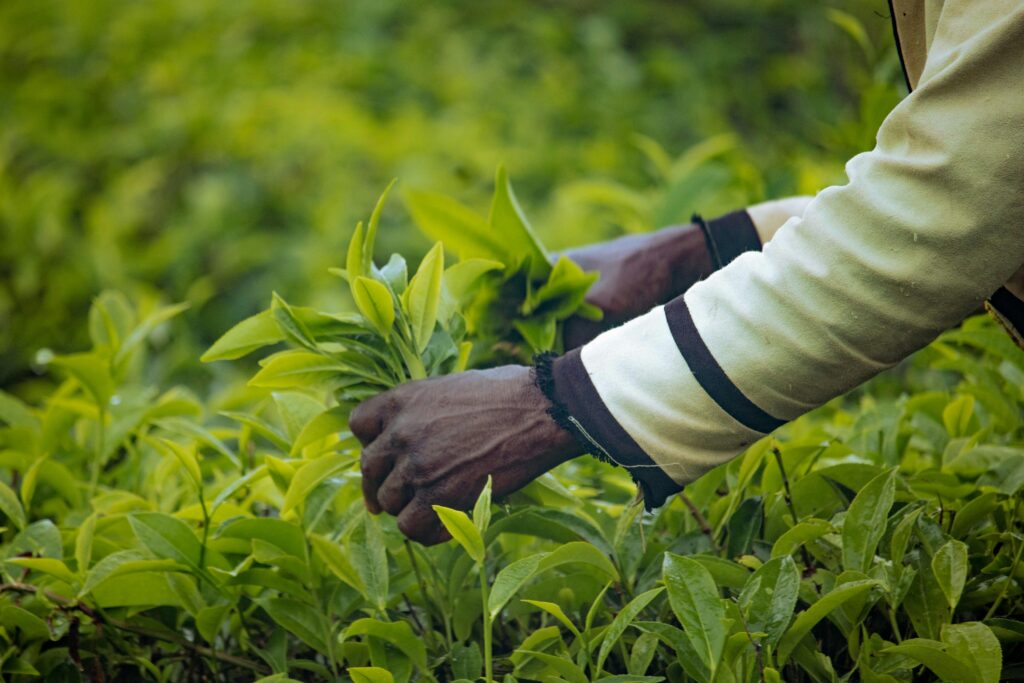
Hand-picking, known as te-zumi or te-tsumi in Japanese, refers to the manual harvesting of tea leaves by skilled workers who selectively choose only the youngest, most tender leaves and buds. This traditional method represents the highest standard in matcha cultivation, requiring trained pickers to identify and pluck specific leaves that meet strict quality criteria.
The practice stands in direct contrast to mechanical harvesting methods that indiscriminately cut through tea plants. Hand-picking allows for precise selection of leaves at their optimal maturity stage, ensuring uniform quality that directly translates to superior flavor and appearance in the final matcha powder.
The Traditional Selection Standard
Most premium matcha production follows the ichi-shin ni-yo principle—selecting one bud and two leaves from each picking point. This standard ensures consistency in leaf age and chemical composition across the harvest.
Skilled pickers identify these ideal clusters by visual inspection and tactile assessment. The selected leaves must be vibrant green, free from damage, and possess the soft texture that indicates high chlorophyll and amino acid content. This level of discrimination proves impossible for mechanical harvesters, which cannot distinguish between optimal leaves and those that are too mature or damaged.
Timing and Seasonal Considerations
Hand-picking occurs primarily during ichibancha, the first flush harvest in early spring. This timing captures leaves when amino acid concentrations peak, particularly L-theanine, which contributes to matcha’s characteristic umami flavor and natural sweetness.
The spring harvest window typically spans just two to three weeks. During this brief period, pickers work methodically through shaded tea fields, often completing multiple passes to ensure only leaves at perfect maturity are collected each day.
How Hand-Picking Differs From Machine Harvesting
Machine harvesting employs motorized cutters that trim tea plants to uniform height, collecting all leaves and stems within the cutting range. This approach prioritizes efficiency and cost reduction over selective quality.
The mechanical process cannot distinguish leaf quality or maturity. It harvests older leaves alongside young ones, includes stems and damaged material, and often bruises delicate leaves during collection. These compromises fundamentally limit the quality ceiling of machine-harvested matcha.
Preservation of Leaf Integrity
Hand-picking minimizes physical stress on tea leaves. Pickers use a gentle pinching motion that cleanly separates the stem without crushing leaf tissue or damaging cell structures.
This careful handling preserves the delicate compounds that define matcha quality:
- Chlorophyll remains intact, maintaining vibrant green color
- Amino acids stay concentrated rather than leaking from damaged cells
- Catechins and other polyphenols retain their balanced ratios
- Aromatic compounds remain volatile and available for extraction
Machine harvesting, by contrast, causes mechanical stress that initiates oxidation and compound degradation even before processing begins.
Benefits and Quality Impact
The primary advantage of hand-picking lies in quality control. Only hand-selection can guarantee that every leaf meets premium standards, resulting in matcha with superior taste, aroma, and nutritional profile.
Hand-picked matcha exhibits several distinctive characteristics. The powder displays more vibrant, uniform green color due to consistent chlorophyll levels. Flavor profiles emphasize umami depth and natural sweetness while minimizing bitterness and astringency. The texture becomes smoother and more refined, with better suspension properties when whisked.
Chemical Composition Advantages
Research indicates that hand-picked leaves maintain higher concentrations of desirable compounds. L-theanine levels remain elevated because only young leaves with peak amino acid content are selected. Catechin ratios favor less astringent varieties, since mature leaves with harsher tannins are excluded.
The chlorophyll content directly correlates with the distinctive color that consumers associate with premium matcha. Hand-picking ensures this pigment remains undamaged and concentrated, producing the brilliant green that indicates quality.
Challenges and Economic Considerations
Hand-picking presents significant practical challenges that affect both producers and consumers. Labor requirements represent the most substantial obstacle—skilled pickers work at a fraction of the speed of mechanical harvesters.
A trained picker typically harvests 10-15 kilograms of fresh leaves per day. A mechanical harvester can process several hundred kilograms in the same timeframe. This efficiency gap translates directly to labor costs that increase final product prices substantially.
Skill Requirements and Training
Effective hand-picking requires expertise developed through years of practice. Pickers must learn to:
- Identify leaves at optimal maturity by sight and touch
- Execute the proper plucking motion that avoids damage
- Maintain consistent selection standards throughout long work days
- Work efficiently while preserving quality focus
This specialized knowledge takes seasons to develop. As experienced pickers age and retire, finding replacements willing to master these traditional skills becomes increasingly difficult.
Price Implications for Consumers
The labor intensity of hand-picking significantly impacts retail prices. Ceremonial grade matcha produced from hand-picked leaves typically costs 2-5 times more than machine-harvested alternatives of similar processing quality.
For consumers shopping on Best Matcha’s marketplace, understanding this distinction helps explain price variations. Hand-picked designation indicates genuine quality differences that justify premium pricing, not merely marketing positioning.
Which Matcha Grades Use Hand-Picked Leaves?
ceremonial grade matcha almost exclusively comes from hand-picked leaves. This premium category targets traditional tea ceremony use and direct consumption, where subtle flavor nuances and visual presentation receive greatest scrutiny.
Premium grade matcha may incorporate hand-picked leaves, though some producers blend hand-picked and machine-harvested material to balance quality and cost. Culinary grade matcha rarely uses hand-picking, as the aggressive flavors in cooking applications mask the subtle benefits this method provides.
Verification and Transparency
Reputable matcha brands specify harvesting methods in product descriptions. When comparing options on matcha marketplaces, look for explicit mentions of hand-picking or te-zumi methods.
Some producers provide harvest details including specific tea gardens, picker training programs, or certification documentation. This transparency helps consumers make informed purchasing decisions aligned with their quality expectations and budget constraints.
Practical Implications for Matcha Consumers
Understanding hand-picking helps consumers evaluate matcha offerings more critically. When browsing Best Matcha’s centralized platform, harvest method information provides valuable context for comparing products across different brands and price points.
For daily matcha drinkers, hand-picked ceremonial grade offers the smoothest, most enjoyable experience for traditional preparation. The refined flavor profile and superior suspension properties justify the premium for those who consume matcha regularly as a standalone beverage.
When Hand-Picking Matters Most
Hand-picked matcha makes the greatest difference in preparations that emphasize pure matcha flavor. Traditional usucha and koicha highlight subtle taste characteristics that only hand-selection can guarantee. Cold brew preparations similarly benefit from the cleaner, sweeter profile of hand-picked leaves.
For lattes, smoothies, and baked goods, the quality advantages diminish as other ingredients dominate the flavor profile. In these applications, premium or culinary grades from machine harvesting often provide adequate quality at more accessible prices.
Conclusion: Evaluating Hand-Picking in Your Matcha Choices
Hand-picking represents the pinnacle of matcha cultivation, delivering measurable quality advantages through selective harvesting and careful handling. The method preserves delicate compounds, ensures consistent leaf quality, and produces matcha with superior flavor, color, and texture. However, these benefits come with significant cost implications driven by labor intensity and skill requirements.
For matcha enthusiasts seeking the finest traditional experience, hand-picked ceremonial grade justifies its premium pricing. The distinctive taste and visual qualities reward those who appreciate subtle differences in their daily practice. Consumers using Best Matcha’s marketplace can leverage harvest method information to find products that align with their specific needs and budget.
Consider how you consume matcha most frequently—traditional preparation benefits most from hand-picking, while culinary applications may not require this premium standard. Understanding this distinction empowers informed purchasing decisions that maximize value across different use cases.
Frequently asked questions
We’re here to help with all your questions and answers in one place. Can’t find what you’re looking for? Reach out to our support team directly.
What does hand-picking mean in matcha production?
Hand-picking, known as tezumi in Japanese, is the traditional method of manually harvesting tea leaves where skilled workers carefully select and pluck the youngest, most tender leaves and buds from each tea plant. This labor-intensive process allows for precise selection of only the finest leaves, excluding older, damaged, or tougher leaves that could negatively impact flavor. Hand-picking is predominantly used for premium ceremonial grade matcha where quality takes precedence over harvesting speed.
Why is hand-picked matcha considered superior to machine-harvested?
Hand-picked matcha offers several quality advantages:
- Selective harvesting ensures only the youngest leaves with optimal amino acid content are collected
- Gentle plucking preserves leaf integrity, preventing damage that causes bitterness
- Allows for longer shading periods on naturally shaped bushes rather than pruned fields
- Results in smoother, sweeter flavor with deeper umami and less astringency
Machine harvesting, while faster and more cost-effective, cannot match this precision and may include older leaves that compromise taste.
Which parts of the tea plant are selected during hand-picking for matcha?
Hand-pickers harvest one bud and 4-5 of the youngest leaves from each stem, selecting more leaves than for sencha production. The stem is snapped off below the last desired leaf, often including tender spring twigs with their buds and leaves. This selection maximizes the amount of leaf material while minimizing stems and veins, which are later removed during processing to create the finest matcha powder.
When during the year does hand-picking typically occur?
Hand-picking for matcha happens during the first harvest or first flush in spring, typically April to May depending on the region and tea cultivar. This timing is crucial because leaves contain the highest concentration of nutrients and amino acids after winter dormancy. Premium matcha farms often harvest only once annually to maximize quality, with a shading period of 3-8 weeks preceding the harvest to enhance flavor compounds and the vibrant green color.
How do workers actually hand-pick tea leaves for matcha?
Pickers use specific techniques to harvest leaves without damage:
- Orizumi (bending pick): The stem below the desired leaves is bent and snapped off without using fingernails, preserving leaf integrity
- Shigoki-zumi: Lower leaves are stripped away while top leaves and buds are pulled off in one smooth motion
- Leaves are carefully placed in baskets as workers move through the shaded tea bushes
This process requires considerable skill to identify the best leaves under shaded conditions and maintain consistent quality throughout the harvest.
Does hand-picking affect whether matcha is ceremonial or culinary grade?
Yes, hand-picking strongly correlates with ceremonial grade matcha. The selective nature of hand-harvesting ensures only first-flush leaves with optimal flavor profiles and amino acid content are used, characteristics essential for ceremonial grade. Machine harvesting is more common for culinary grade matcha where production efficiency and cost matter more than achieving the ultimate flavor refinement. While not the only factor determining grade, hand-picking is a key indicator of premium quality matcha.
Join the Best Matcha Discovery Box
Edition #1
by voting here !
Discussion: Definition of hand-picking in the matcha glossary