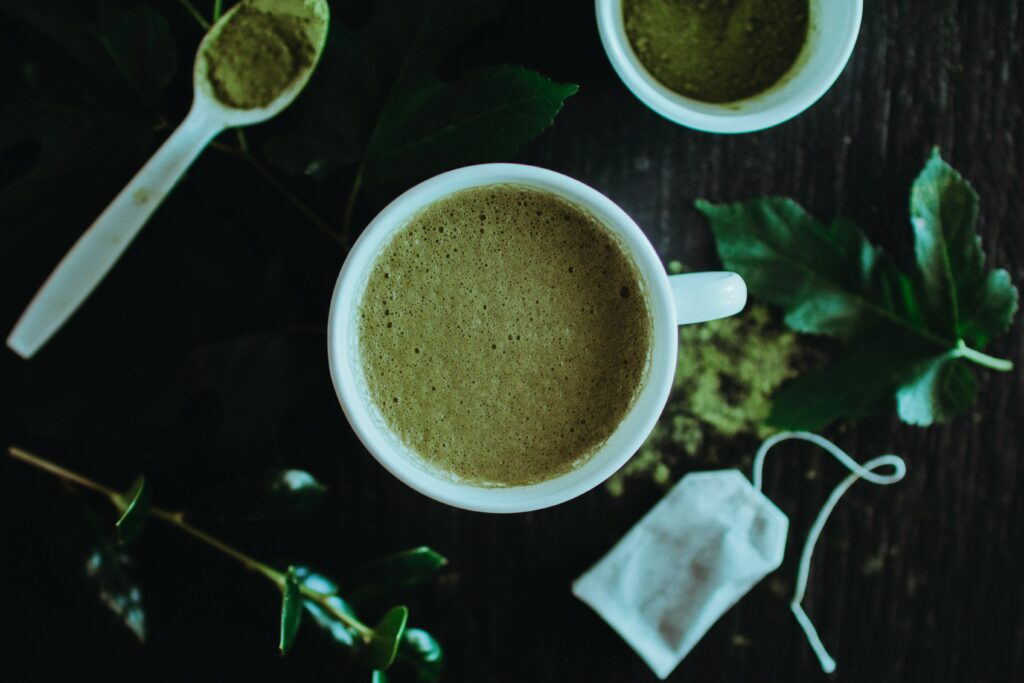
Latte grade matcha is mid-tier quality tea powder with robust flavor that holds up well in milk-based drinks, offering better balance than culinary grade.
Understanding Latte Grade Matcha Quality and Characteristics
Latte grade matcha sits between ceremonial and culinary grades, specifically designed for milk-based beverages. It’s ground from first-harvest leaves but processed to deliver a stronger, more robust flavor that complements milk and sweeteners. This grade balances quality with functionality, offering the smooth texture needed for lattes without the delicate profile of ceremonial grade.
Key Quality Characteristics of Latte Grade
Latte grade matcha displays several distinct qualities that set it apart from other classifications. The powder shows an intense green color, though less vibrant than ceremonial grade’s bright emerald hue. Its particle size is finely ground for easy whisking and smooth mixing in liquids, preventing the grittiness common in lower grades.
The flavor profile features strong grassy notes with bittersweet undertones that won’t disappear when mixed with milk. This controlled bitterness actually enhances milk-based drinks by providing depth and preventing overly sweet results. The texture remains silky when properly whisked, creating minimal clumping compared to culinary grades.
Performance in Milk-Based Beverages
When used in lattes, this grade produces consistently smooth results with proper froth development. The balanced bitterness cuts through milk’s natural sweetness, creating a well-rounded beverage that maintains matcha’s distinctive character. Unlike ceremonial grade, which can become muted in milk, latte grade holds its flavor presence.
Professional baristas often prefer this grade because it mixes easily without extensive whisking and maintains color vibrancy in finished drinks. The powder dissolves more completely than culinary grade, reducing sediment and creating a cleaner mouthfeel.
Selecting Quality Latte Grade Matcha
Look for products specifically labeled as latte or barista grade from reputable suppliers. The powder should display vibrant green color without yellow or brown tints, indicating freshness and proper processing. First-harvest sourcing ensures better flavor development and nutritional content.
- Check for fine, uniform powder texture without visible clumps
- Verify organic certification and transparent sourcing information
- Read product descriptions emphasizing milk beverage compatibility
- Consider packaging that protects from light and air exposure
Price Point and Practical Applications
Latte grade typically costs more than culinary but less than ceremonial grade, making it economical for daily use. It’s designed specifically for cold and hot milk beverages, smoothies, and unheated dessert applications. Heat from baking can degrade both flavor and color, making culinary grade more appropriate for cooking applications.
Brands like Encha and specialized matcha suppliers offer dedicated latte grades, often marketing them as premium or barista blends. This positioning reflects the grade’s sweet spot between quality and functionality for beverage-focused applications.
Latte grade matcha sits between ceremonial and standard culinary grades, designed specifically for milk-based drinks. While ceremonial grade comes from the first harvest with young leaves and naturally sweet flavor, latte grade uses later harvests that produce a stronger, more robust taste profile.
The key difference? Latte grade has balanced bittersweet notes that complement milk and sweeteners without getting lost, whereas ceremonial grade's delicate sweetness can disappear in lattes. You'll also notice latte grade has a vibrant green color, though less intense than ceremonial, and costs considerably less while still maintaining fine texture for smooth mixing.
Latte grade offers better texture and flavor balance than standard culinary matcha. Here's what you get:
- Finer particle size that dissolves smoothly in milk without grittiness
- Less bitterness and astringency compared to culinary grade
- Vibrant green color that creates appealing lattes
- Balanced grassy notes that work well with sweeteners
Culinary grade can taste too bitter and create a gritty texture in drinks, while latte grade is formulated to produce that silky, cafe-quality consistency you're after.
It's different, not inferior. Latte grade matcha is intentionally formulated for a specific purpose—mixing with milk and sweeteners. Think of it like coffee beans: espresso roasts aren't worse than light roasts, they're optimized for different brewing methods.
Latte grade uses quality tea leaves from later harvests, which develop stronger flavors that hold up in milk drinks. Using ceremonial grade in lattes would be wasteful since its delicate sweetness gets masked by milk anyway. The grade you choose should match how you'll use it.
Look for a vibrant green color that indicates healthy chlorophyll content—it shouldn't be dull or yellowish. The powder should have a fine, silky texture when you touch it, similar to eyeshadow in consistency.
When you whisk or blend it, quality latte grade dissolves smoothly without clumping and creates a uniform mixture in milk. If you notice excessive grittiness or a brownish tint, that's likely lower-quality culinary grade being marketed as latte grade.
Latte grade works well in both hot and cold preparations, though the mixing technique matters more than temperature. In hot lattes, it dissolves quickly and creates a smooth, homogenous drink with minimal whisking.
For iced lattes, you'll want to use a shaker or blender to ensure proper mixing—the fine particle size of latte grade helps prevent that chalky settling you sometimes get with coarser culinary matcha. The balanced flavor profile shines through whether you're making hot cappuccinos or cold foam drinks.
You can drink latte grade on its own, but it won't give you the smooth, naturally sweet experience of ceremonial grade. Latte grade has more pronounced bitterness and grassy notes that are designed to balance with milk and sweeteners.
If you're making traditional whisked tea or want to drink matcha straight, ceremonial grade is worth the investment. But for daily lattes, smoothies, or iced matcha drinks with milk, latte grade delivers better value without compromising your beverage quality.