Are you a Matcha seller? Join as a Vendor

Blog

Miscellaneous

Miscellaneous matcha products are specialty items beyond traditional powder, including blends, culinary grades, and tea kits that expand your matcha options.

Select a category
Search by keyword
15 out of 158 results
Discover how Japan’s matcha regions (Uji, Nishio) and cultivars (Yabukita, Okumidori) define taste and quality. Best-matcha.com buyer’s guide: Choose by purpose, from ceremonial umami to latte-ready blends.
View machine-harvest definition, mechanical tea picking used for lower-grade matcha. Compare how it affects quality, plus why hand-picking creates better flavor.
Check MSG definition in matcha glossary, learn about natural glutamate vs added flavor enhancers, and understand umami taste in quality matcha tea.
Wagashi definition explains traditional Japanese sweets paired with matcha to balance bitter notes. Learn types like daifuku, yokan used in tea ceremonies.
Kokumi describes the richness and mouthfeel that adds depth to matcha flavor. Learn about this taste quality that makes premium tea more satisfying.
View the Yabukita definition, Japan’s most grown tea cultivar. Learn about this classic matcha varietal used in 85% of production to compare quality.
Asahi in matcha glossary refers to rare tea cultivar from Uji, Kyoto. Known for bright umami, clean finish. Compare cultivars on Best Matcha marketplace.
Check matcha quality and characteristics like color, texture, grade, and umami. Compare ceremonial vs culinary grades to find the best matcha for you.
Access essential matcha preparation methods and terms, from traditional whisking techniques to modern tools, to improve your matcha quality and consistency.
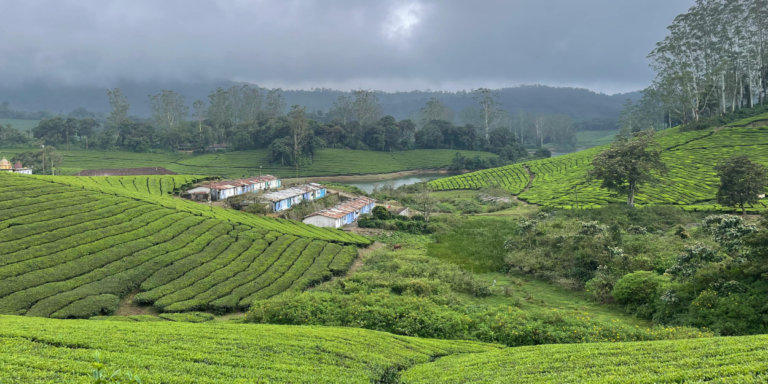
Growing regions for matcha include Uji, Nishio, and Kyoto, where terroir shapes flavor profiles. Compare origins to find matcha that matches your taste.
The complete environment (soil, climate, tradition) influencing matcha’s unique characteristics in each region, similar to wine production.
Mizuya definition for matcha lovers, the water room where tea ceremony utensils are cleaned and prepared. Learn about this prep area’s role in authentic tea service.
Ichigo ichie definition for matcha culture. One time one meeting philosophy guides tea ceremony mindfulness. Learn this foundational Japanese concept.
Get the wabi-sabi definition with Japanese tea aesthetics, imperfection beauty in matcha bowls and ceremony. Learn how this philosophy shapes matcha culture.
Aroma-tachi definition for matcha, a Japanese term describing the rising fragrance quality. Learn how this sensory characteristic affects your tea selection.
Learn more

Miscellaneous Matcha Products That Complete Your Collection

Miscellaneous matcha products include specialized tools, accessories, and storage solutions that transform your matcha experience beyond the powder itself. These items ensure proper preparation, maintain freshness, and add both functional and aesthetic value to your matcha practice.

Traditional Preparation Tools

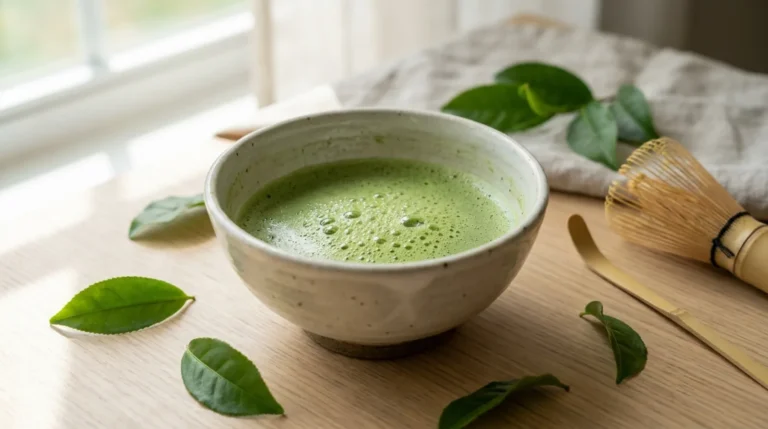
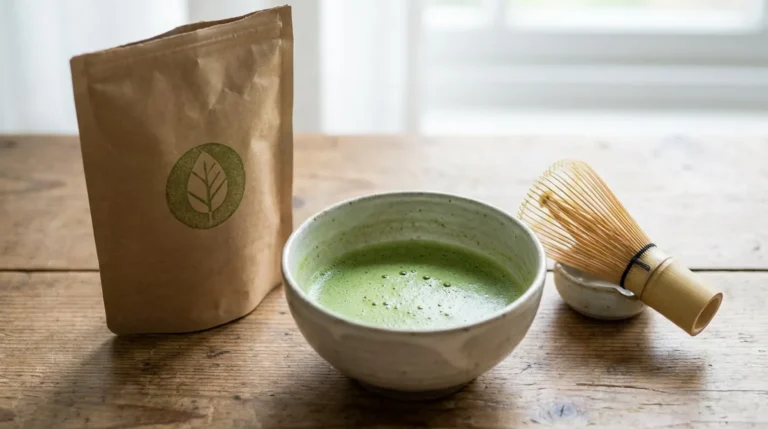
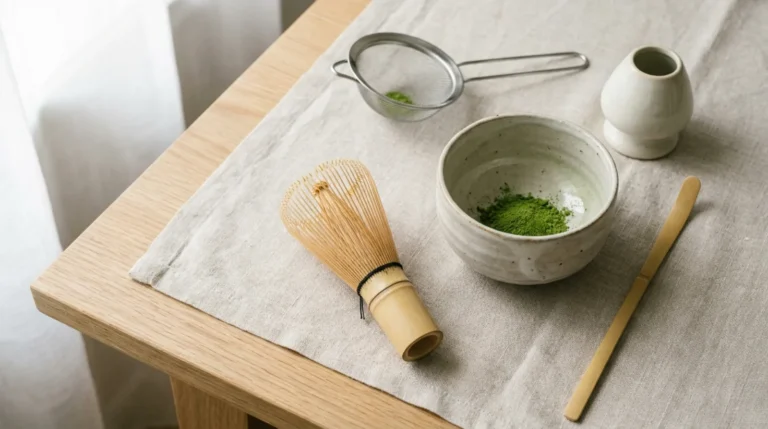
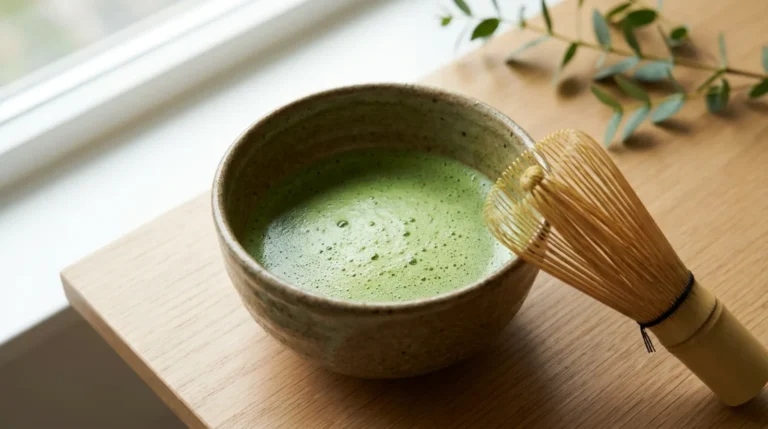
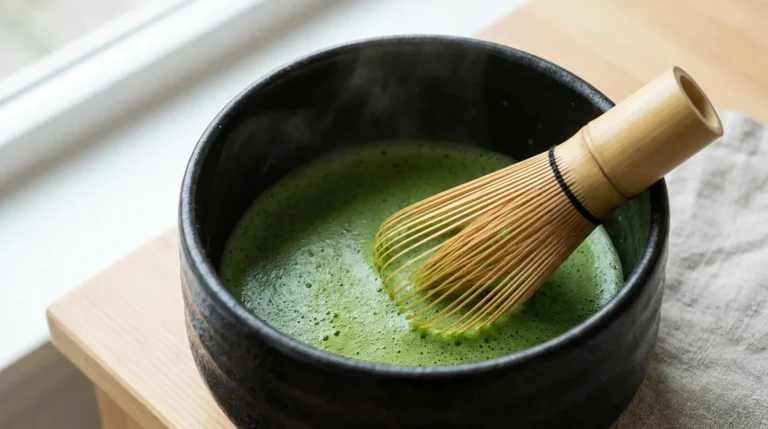
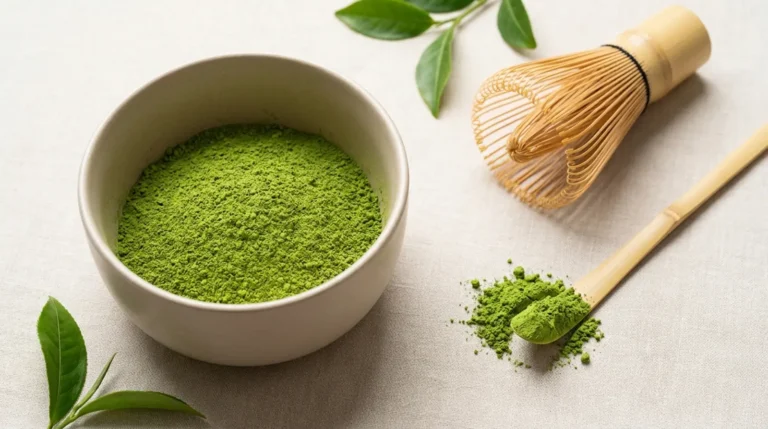
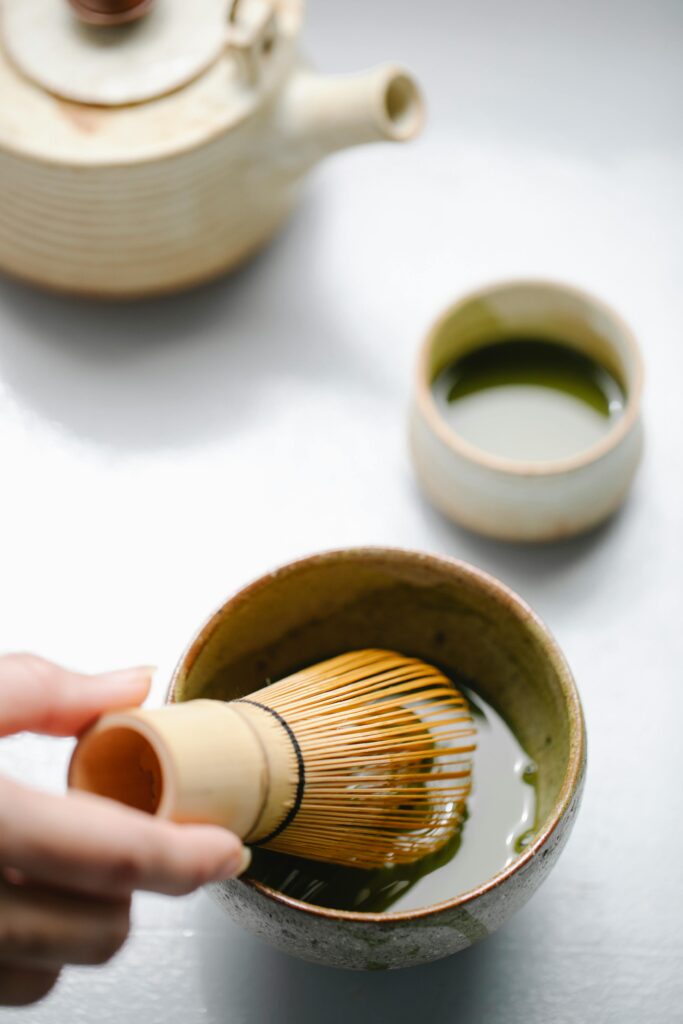
The chasen (bamboo whisk) stands as the most important accessory for authentic matcha preparation. These handcrafted whisks feature 80-120 individual tines that create the signature frothy texture when whisking matcha with hot water. Quality bamboo whisks last 3-6 months with regular use and proper care.

Matcha bowls, or chawan, provide the wide, shallow shape needed for effective whisking. Ceramic bowls retain heat better than other materials, keeping your tea at the ideal temperature. Traditional bowls range from simple glazed designs to artistic pieces that enhance the ceremonial aspect of matcha preparation.

Precision and Quality Control

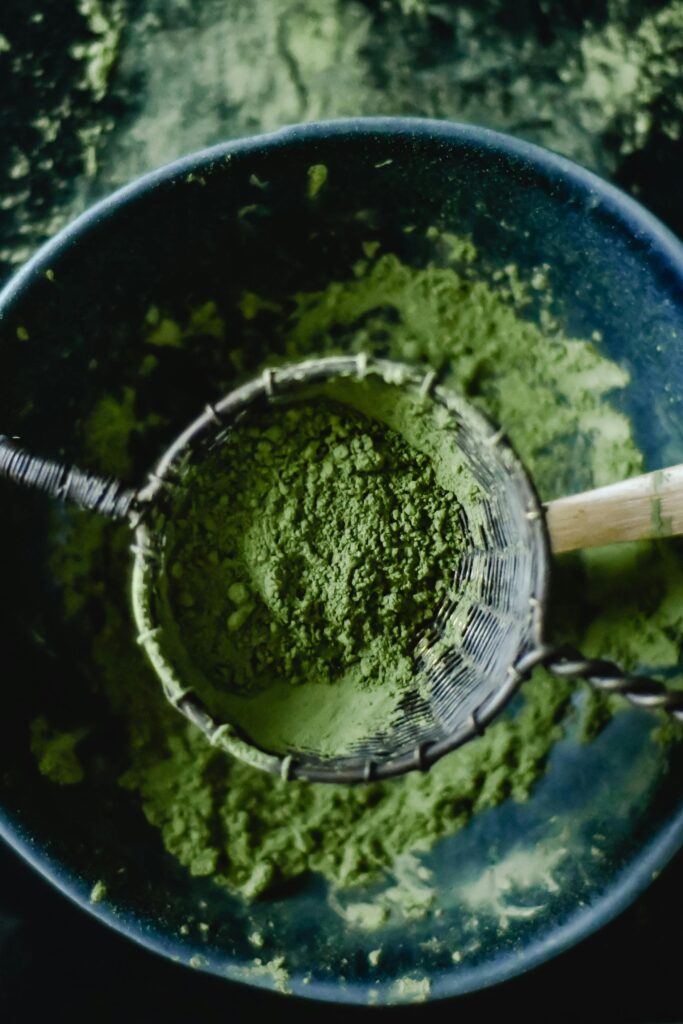
Matcha sifters eliminate clumps that form when powder absorbs moisture from air. These fine-mesh sieves ensure smooth, lump-free tea every time. Most sifters use stainless steel mesh with 100-200 micron openings that catch even small aggregations.

Measuring spoons designed for matcha typically hold 1-2 grams of powder per scoop. Bamboo chashaku (traditional scoops) or calibrated metal spoons help maintain consistent flavor profiles. Professional tea shops often use scales for precision, but proper measuring spoons work well for home use.

Storage and Preservation Solutions

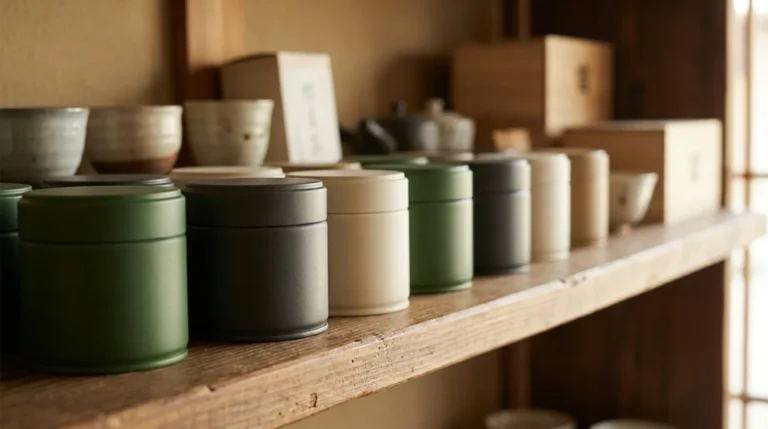
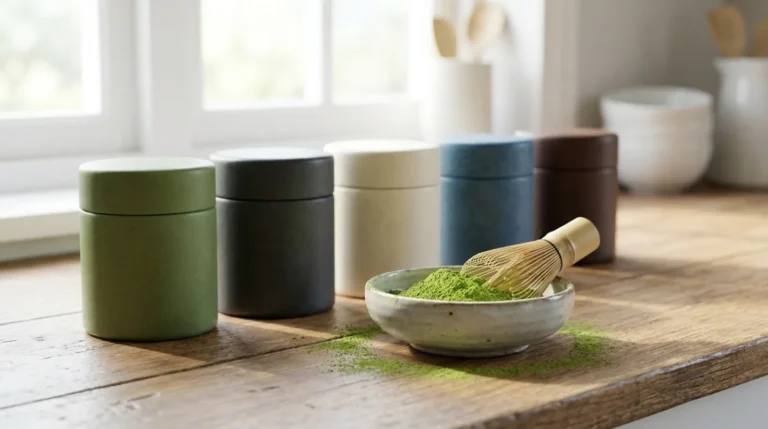
Airtight storage containers protect matcha from its three main enemies: light, air, and moisture. Quality containers feature double-sealed lids and opaque walls that block UV rays. Metal tins work well for short-term storage, while vacuum-sealed containers extend freshness up to 12 months.

Some advanced storage systems include humidity control packets or double-wall insulation. These features become important for premium grades that cost $40-80 per ounce. Proper storage maintains the vibrant green color and prevents the bitter flavors that develop when matcha oxidizes.

Modern Convenience Accessories

Electric frothers and automated matcha makers appeal to busy users who want consistent results without manual whisking. These devices typically operate at 3,000-5,000 RPM to create adequate foam, though purists argue they can’t match the texture achieved by hand whisking.

Travel kits combine portable versions of traditional tools in compact cases. These sets usually include collapsible bowls, travel whisks, and sealed powder containers that fit in bags or luggage. Some manufacturers create all-in-one devices that combine measuring, sifting, and whisking functions for ultimate portability.


Join Best Matcha today

Discover the finest and most authentic matcha sourced directly from Japan's top producers at best-matcha.com, where quality meets tradition in every sip.
FREE