
The Uji method is the traditional production technique from the Uji region, considered the gold standard for premium matcha. Learn why.
Definition of uji-method in the matcha glossary

Origins and Historical Significance
The Uji method traces its roots to the city of Uji, located south of Kyoto, Japan. This region established tea cultivation during the Kamakura period (1185-1333) and became the birthplace of Japanese matcha as we know it today. Zen Buddhist priest Myōan Eisai introduced tea seeds and powdered tea-making methods from China in the 13th century, establishing practices that would define matcha production for centuries.
By the mid-14th century, Uji had become synonymous with premium tea quality. The region’s unique terroir—including its protective microclimate, nutrient-rich acidic soil, and mist from nearby rivers—creates ideal conditions for tea cultivation. Historic plantations like Oku no Yama and tea houses such as Tsuen Tea, established in 1160 CE and still operating today, demonstrate the enduring legacy of Uji’s tea culture.
Traditional Cultivation Techniques
The Uji method emphasizes shade cultivation as its cornerstone technique. Plants are shaded for approximately three weeks before harvest using the traditional Ōishita Saibai method invented in Uji during the 16th century. This shading process reduces bitterness while enhancing the tea’s natural sweetness and umami depth.
Only the youngest, most tender leaves receive selection for harvest. Skilled workers hand-pick these leaves, ensuring quality standards that mechanized harvesting cannot match. This labor-intensive approach maintains the integrity of each leaf and preserves the delicate compounds that define premium matcha character.
Quality Control and Selection
After harvesting, leaves undergo rigorous inspection and sorting. Workers examine each batch for fullness, color vibrancy, and structural integrity. This meticulous quality control distinguishes Uji matcha from mass-produced alternatives, ensuring only exceptional leaves proceed to processing.
Stone-Grinding and Processing Methods
Traditional stone mills transform selected leaves into the fine powder characteristic of authentic matcha. These mills operate slowly, preventing heat buildup that would degrade flavor compounds and nutrients. The grinding process can take up to an hour to produce just 30 grams of matcha, reflecting the method’s commitment to quality over efficiency.
The resulting powder exhibits several distinctive characteristics:
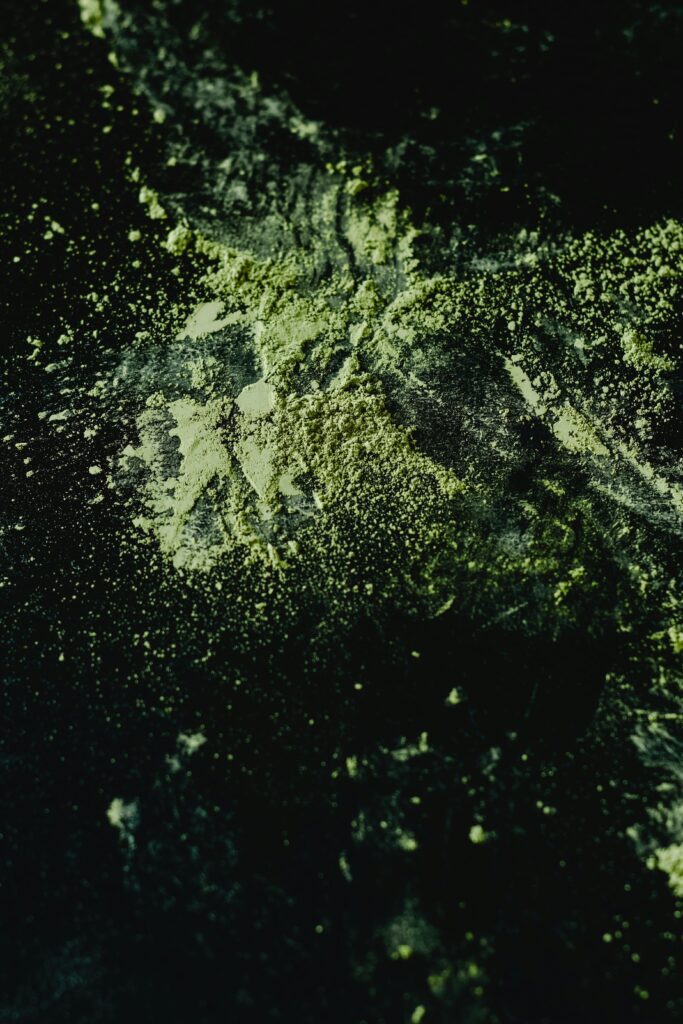
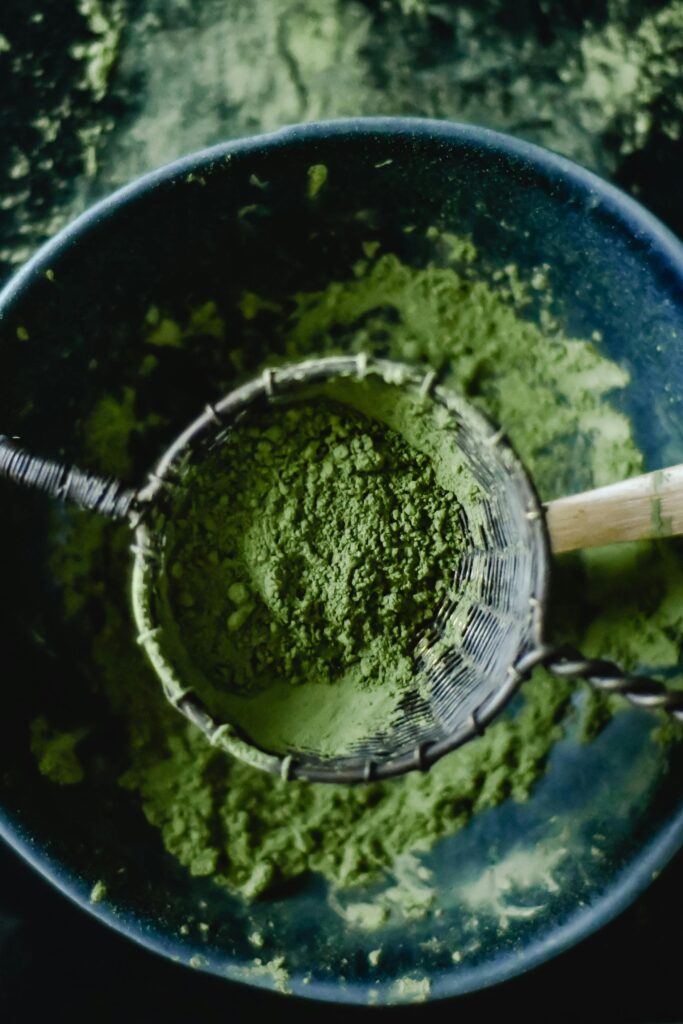
- Vivid dark green color indicating high chlorophyll content
- Velvety texture from ultra-fine particle size
- Strong umami notes balanced with natural sweetness
- Complex aroma profile unique to Uji terroir
Distinguishing Features of Uji Method
The Uji approach differs fundamentally from modern commercial matcha production. While industrial methods often employ mechanized cultivation, harvesting, and grinding, the Uji method preserves centuries-old handcrafted techniques. This traditional approach produces limited quantities but delivers unmatched flavor complexity and nutritional preservation.
Terroir and Flavor Profile
Uji’s geographical advantages create a flavor signature impossible to replicate elsewhere. The region’s specific combination of climate, soil composition, and water sources imparts distinctive taste characteristics. Matcha produced using the Uji method typically commands premium prices, reflecting both its superior quality and cultural heritage.
Cultural Integration
The Uji method extends beyond agricultural technique to encompass philosophical principles of mindfulness and tranquility. These practices connect directly to the Japanese tea ceremony, where every movement and preparation step carries intentional meaning. Understanding the Uji method provides insight into why traditional tea ceremony emphasizes patience, precision, and respect for natural processes.
Modern Applications and Relevance
Today’s matcha market includes products ranging from ceremonial-grade to culinary-grade powders. Authentic Uji method matcha represents the highest standard, though many producers now apply Uji-inspired techniques in other regions. When selecting matcha, understanding whether it follows traditional Uji methods helps consumers identify genuinely premium products.
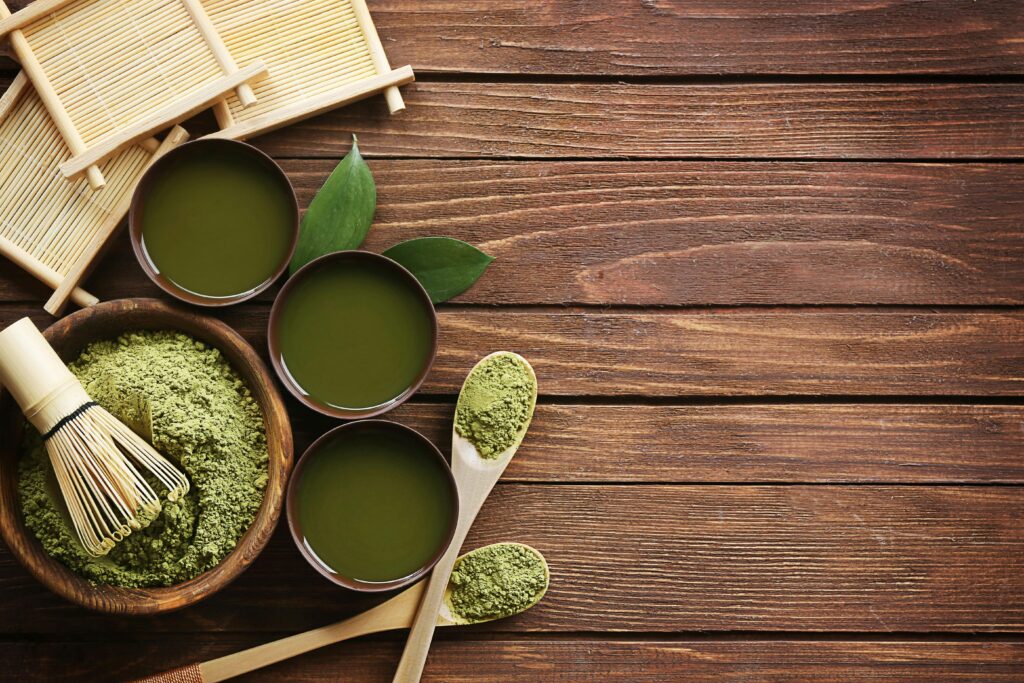
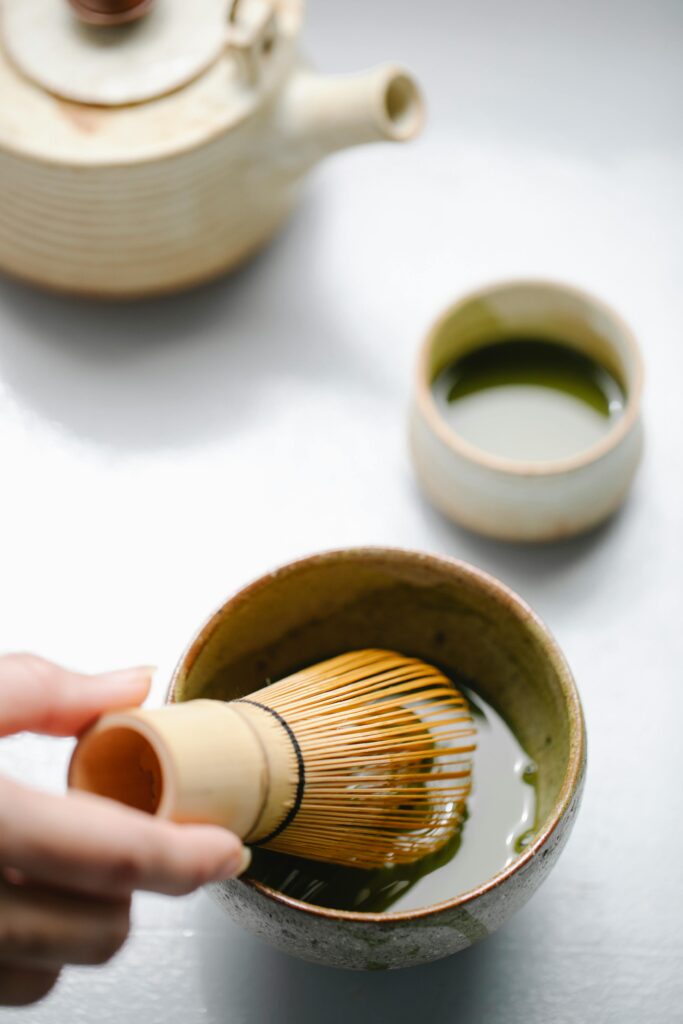
For traditional whisking and ceremonial preparation, Uji method matcha offers optimal performance. Its balanced flavor profile, natural sweetness, and smooth texture make it ideal for usucha (thin tea) preparation where the powder’s quality directly impacts the experience. The method’s emphasis on preserving L-theanine and other beneficial compounds also ensures maximum nutritional value.
Key Takeaways
The Uji method represents the gold standard in matcha production, combining centuries of tradition with exceptional terroir advantages. Its defining characteristics—traditional shading, hand-picking, and stone-grinding—create matcha with unparalleled flavor complexity and cultural significance. While the method requires substantial time and expertise, the resulting product justifies its premium status through superior taste, texture, and connection to Japanese tea heritage.
For consumers navigating the modern matcha marketplace, recognizing Uji method principles helps identify authentic quality. Whether purchasing for ceremonial use or daily enjoyment, understanding these traditional techniques empowers informed decisions that honor matcha’s rich cultural legacy.
Frequently asked questions
We’re here to help with all your questions and answers in one place. Can’t find what you’re looking for? Reach out to our support team directly.
Join the Best Matcha Discovery Box
Edition #1
by voting here !
Discussion: Definition of uji-method in the matcha glossary