
A tea sommelier is a trained expert who selects, tastes, and pairs teas like matcha. Learn what the role involves and how it differs from a tea master.
Definition of tea-sommelier in the matcha glossary

What Is a Tea Sommelier?
A tea sommelier is a trained professional specializing in the art and science of tea. They possess comprehensive knowledge of tea varieties, preparation methods, flavor profiles, and cultural traditions. Much like wine sommeliers elevate the wine experience, tea sommeliers enhance how people understand, appreciate, and enjoy tea.
These specialists work across diverse settings including specialty tea rooms, high-end restaurants, hospitality venues, and educational institutions. Their expertise extends beyond simple brewing to encompass sensory evaluation, food pairing, quality assessment, and cultural education. For matcha enthusiasts and vendors, tea sommeliers serve as valuable resources for understanding quality distinctions and optimal preparation techniques.
Core Responsibilities and Expertise
Tea sommeliers perform multiple functions that elevate tea service and education. Their training enables them to identify subtle flavor nuances, detect quality differences, and recommend appropriate brewing parameters for each tea type.
Primary responsibilities include:
- Conducting professional tea tastings and cuppings to evaluate quality
- Creating complementary food and tea pairings for culinary experiences
- Educating consumers and staff about tea origins, processing, and preparation
- Developing tea menus and sourcing high-quality products
- Advising on proper storage, handling, and brewing equipment
Certification Pathways and Training
Becoming a certified tea sommelier requires structured education and examination. Multiple organizations worldwide offer specialized training programs with varying levels of depth and focus.
Educational Requirements
Most tea sommelier certifications follow a tiered structure. Students typically begin with foundational courses covering basic tea categories, processing methods, and brewing fundamentals. Advanced certifications demand completion of prerequisite coursework before progressing to sommelier-level training.
The World Tea Academy’s Certified Tea Sommelier™ program exemplifies comprehensive training. Candidates must complete seven advanced courses covering organoleptic experience, advanced cupping techniques, tea culture and history, precision brewing methods, quality assurance protocols, and blending artistry.
Certification Levels
Tea education follows a progressive structure similar to wine certification:
- Tea Specialist: Entry-level certification covering fundamental knowledge and basic tasting skills
- Tea Sommelier: Advanced credential requiring mastery of sensory analysis, cultural context, and professional service standards
- Master Tea Specialist: Highest designation for professionals demonstrating exceptional expertise and teaching capability
Tea Sommeliers and Matcha Expertise
Matcha presents unique challenges that require specialized knowledge beyond general tea education. Tea sommeliers trained in Japanese tea traditions understand the intricate relationship between cultivation, processing, and flavor development specific to matcha.
Their matcha expertise encompasses several critical areas. They can distinguish between ceremonial, premium, and culinary grades through visual inspection and taste evaluation. Understanding shade-growing techniques, stone-milling processes, and regional terroir allows them to explain quality variations to consumers and vendors.
Practical Applications for the Matcha Community
For matcha consumers, tea sommeliers provide guidance on selecting appropriate grades for different applications. They can recommend optimal preparation parameters including water temperature, whisking techniques, and ratios. Their sensory training helps consumers develop their palates and recognize quality markers like vibrant color, smooth texture, and balanced umami.
Matcha vendors and brands benefit from sommelier expertise when:
- Developing product descriptions that accurately communicate flavor profiles
- Training staff to prepare and present matcha professionally
- Creating innovative matcha beverages and food pairings
- Establishing quality control standards and evaluation protocols
The Professional Tea Service Role
Tea sommeliers elevate the hospitality experience through knowledgeable service and presentation. Their presence in restaurants, hotels, and specialty venues signals a commitment to quality tea service comparable to fine wine programs.
Enhancing Customer Experience
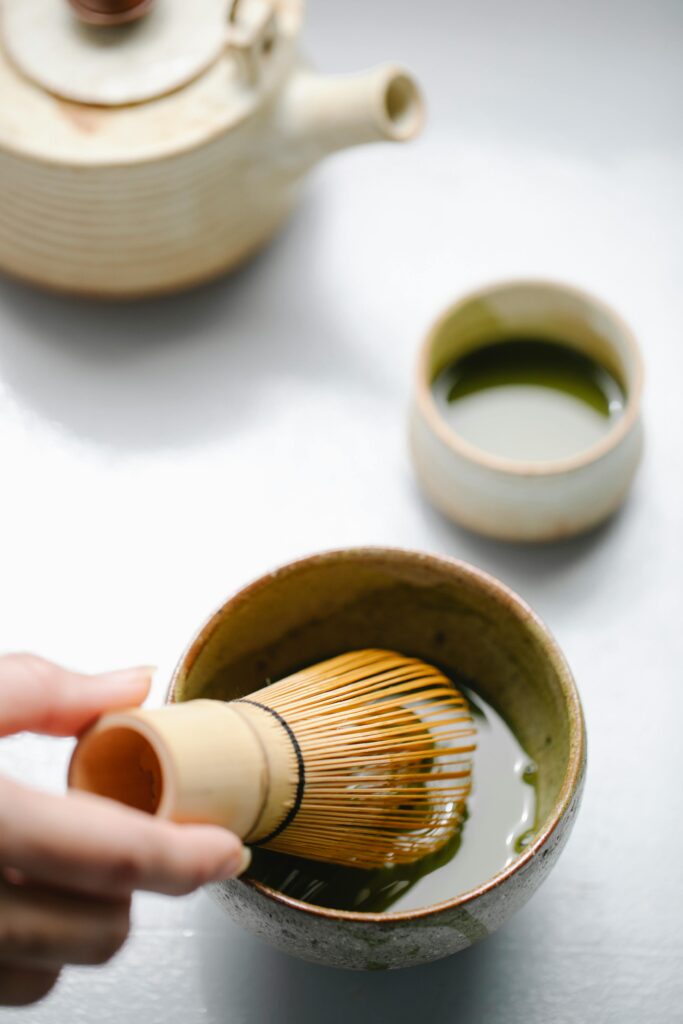
Professional tea service transforms tea from a simple beverage into a memorable experience. Sommeliers guide customers through tea selections, explaining origin stories, flavor expectations, and optimal preparation methods. For matcha service, this includes demonstrating traditional whisking techniques or explaining the cultural significance of tea ceremony practices.
They also design tea flights and tasting experiences that showcase variety and quality. Comparative tastings help customers understand how factors like origin, harvest season, and processing affect flavor. This educational approach builds appreciation and encourages exploration beyond familiar choices.
Becoming a Tea Sommelier: Is It Right for You?
Pursuing tea sommelier certification suits individuals passionate about tea who want to deepen their expertise professionally. The investment of time and resources pays dividends for those working in hospitality, food service, retail, or education.
Consider this path if you’re a matcha vendor seeking to differentiate your brand through expertise, a café owner wanting to elevate your tea program, or an enthusiast ready to transform passion into professional knowledge. The certification provides credibility, structured learning, and connection to a global community of tea professionals.
Beyond Certification
Formal certification represents just the beginning of a tea sommelier’s journey. Continuous learning through origin visits, producer relationships, and ongoing education keeps knowledge current. The tea industry evolves constantly with new cultivars, processing innovations, and emerging trends requiring dedicated professionals to stay informed.
Key Takeaways
Tea sommeliers bring professional expertise to tea service and education, combining sensory skills with cultural knowledge and technical understanding. Their specialized training enables them to evaluate quality, create pairings, and enhance customer experiences across hospitality and retail settings.
For the matcha community, these professionals serve as valuable resources for quality assessment, preparation guidance, and product development. Whether you’re a consumer seeking to refine your palate or a vendor aiming to elevate your offerings, tea sommeliers bridge the gap between tradition and modern appreciation. Their expertise ensures that matcha’s rich heritage and exceptional qualities reach audiences who can truly appreciate them.
Frequently asked questions
We’re here to help with all your questions and answers in one place. Can’t find what you’re looking for? Reach out to our support team directly.
What exactly is a tea sommelier?
A tea sommelier is a trained professional who specializes in the knowledge, tasting, and service of tea, including matcha. Similar to wine sommeliers, they possess formal education and certification in tea cultivation, processing, flavor profiling, and preparation techniques. Tea sommeliers work in various settings such as tea shops, luxury hotels, restaurants, and as consultants, helping customers select high-quality teas and educating them about proper brewing methods and tea culture.
How does a tea sommelier differ from a regular tea enthusiast?
While tea enthusiasts enjoy tea as a personal hobby, tea sommeliers have formal certification and systematic training from recognized institutions. Key differences include:
- Professional credentials: Sommeliers complete structured programs from organizations like the International Tea Masters Association
- Sensory expertise: They use standardized methods for evaluating tea quality, aroma, and flavor profiles
- Commercial application: Their knowledge extends to professional service, retail guidance, and customer education
- Comprehensive understanding: They master tea origins, processing techniques, health benefits, and cultural significance beyond casual knowledge
Can tea sommeliers help me choose the right matcha grade?
Yes, tea sommeliers are exceptionally qualified to guide matcha selection. They can assess your needs and recommend whether ceremonial grade suits your traditional preparation preferences, premium grade fits daily drinking habits, or culinary grade works best for cooking and baking applications. Sommeliers evaluate matcha based on origin, color vibrancy, flavor complexity, and intended use, ensuring you get optimal value and experience for your specific purpose.
What specific training do tea sommeliers receive?
Tea sommelier training programs cover multiple specialized areas to ensure comprehensive expertise:
- Tea cultivation and processing: Understanding how growing conditions and production methods affect quality
- Sensory analysis techniques: Systematic approaches to evaluating aroma, flavor, color, and texture
- Brewing methodology: Precise preparation parameters for different tea types, including temperature and timing
- Tea history and culture: Traditional ceremonies, regional practices, and cultural significance
- Food and tea pairing: Matching teas with complementary flavors for enhanced experiences
Certification levels range from introductory to master sommelier, with some professionals specializing in specific categories like matcha or green teas.
Why would I consult a tea sommelier about matcha preparation?
A tea sommelier brings professional precision to matcha preparation that elevates your experience beyond basic instructions. They provide personalized guidance on water temperature optimization for your specific matcha grade, demonstrate proper whisking techniques to achieve ideal foam consistency, and troubleshoot common issues like clumping or bitterness. Their expertise helps you avoid costly mistakes with premium matcha and ensures you extract maximum flavor and health benefits from each serving.
Are there tea sommeliers who specialize exclusively in matcha?
Yes, some tea sommeliers develop specialized expertise in matcha and Japanese green teas. These specialists possess deep knowledge of matcha cultivation in specific regions like Uji or Nishio, understand the nuances between different cultivars, and master traditional Japanese tea ceremony practices. They can distinguish subtle quality differences between matcha producers, advise on seasonal variations, and provide expert guidance on both traditional ceremonial preparation and modern matcha applications in beverages and cuisine.
Join the Best Matcha Discovery Box
Edition #1
by voting here !
Discussion: Definition of tea-sommelier in the matcha glossary